


Real Estate in Fara
Real estate in Fara for living, investment and residence permit
- ✓ Verified properties directly from developers
- ✓ No overpayments or commissions
- ✓ Guarantee of transaction purity and post-purchase support

International Real Estate Consultant
Need help choosing a property?
Leave a request and our manager will contact you.
International Real Estate Consultant
Hot Deals

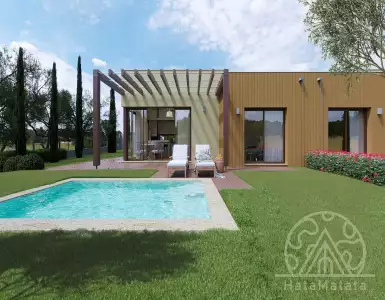
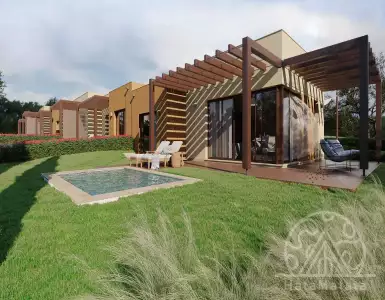
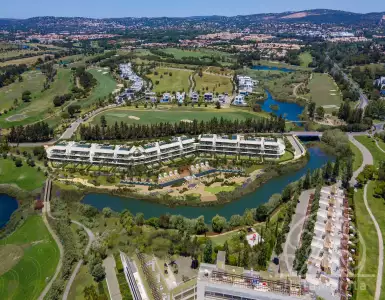
For Sale Real Estate in Fara
123 listings
 1
1
 38
38
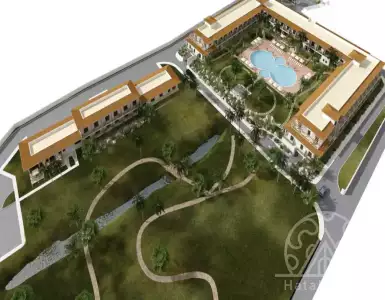
This golden visa tourist property is located in Fonte Santa, which is considered part of the Golden Triangle of the...
Submit Request
 3
115
3
115
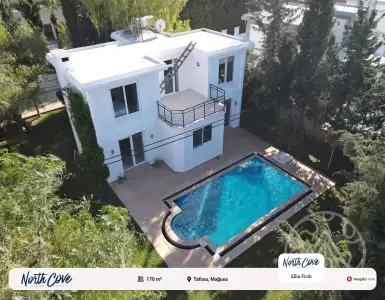
Individual property ownership documents are ready. Sea view. Mountain view. Open fireplace. Private pool. Private driveway. Short distance to beaches....
Submit Request
Hot Deals



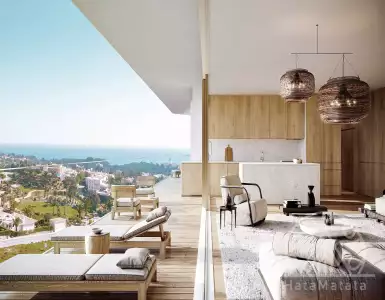 2
82,5
2
82,5
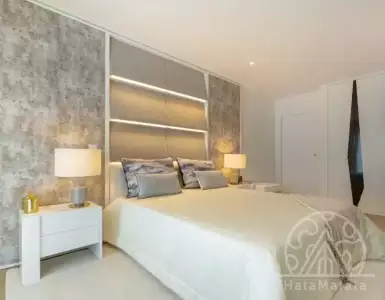
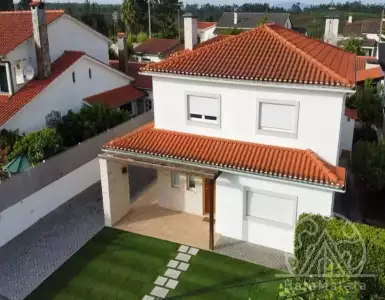
AVAILABLE FOR GOLDEN VISA 400KHigh standard 2 bedroom apartment in a luxury resort, with sea views in Carvoeiro !!This charming...
Submit Request
Real estate in Fara for living, investment and residence permit
- ✓ Verified properties directly from developers
- ✓ No overpayments or commissions
- ✓ Guarantee of transaction purity and post-purchase support
International Real Estate Consultant
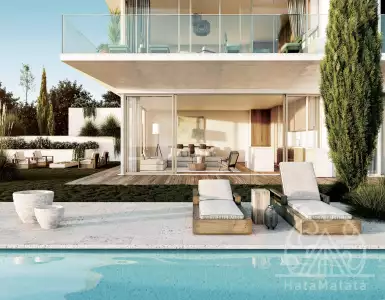 2
82,3
2
82,3
AVAILABLE FOR GOLDEN VISA 400KHigh standard 2 bedroom apartment in a luxury resort, with sea views in Carvoeiro !!This charming...
Submit Request
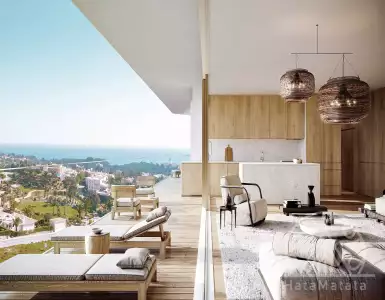 2
84,4
2
84,4
AVAILABLE FOR GOLDEN VISA 400KHigh standard 2 bedroom apartment in a luxury resort, with sea views in Carvoeiro !!This charming...
Submit Request
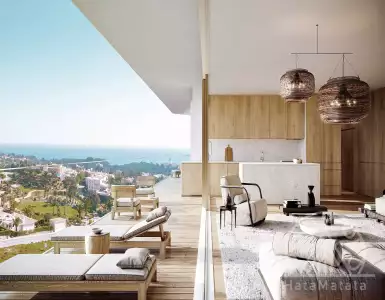 2
82,4
2
82,4
AVAILABLE FOR GOLDEN VISA 400KHigh standard 2 bedroom apartment in a luxury resort, with sea views in Carvoeiro !!This charming...
Submit Request

Real Estate in Fara
Real estate in Fara for living, investment and residence permit
- ✓ Verified properties directly from developers
- ✓ No overpayments or commissions
- ✓ Guarantee of transaction purity and post-purchase support
International Real Estate Consultant
Need help choosing a property?
Leave a request and our manager will contact you.
International Real Estate Consultant
Need help choosing real estate in Fara?
Leave a request and we will select the 3 best options for your budget
 !
!
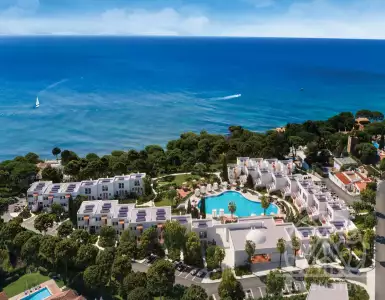
House for sale in Fara, Portugal 786 288 $
This villa is located in a luxury residential complex in the Algarve with several services on its premises.The condominium is...
 !
!
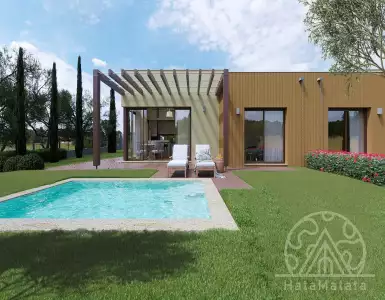
For sale House in Fara, Portugal 461 366 $
A 2 bedroom villa located in Lagoa, one of the main centers of orange culture and export in Europe, with...
🇵🇹 Fara, Algarve property listings: coastal villas and apartments for sale in Portugal
Fara sits on the edge of the Ria Formosa lagoon and functions as a practical, cultured gateway to the central Algarve coast. Property in Fara blends an authentic Portuguese pace—cobblestone streets, seafood restaurants, and a compact historic centre—with modern comforts: an international airport, a university campus, a working marina and protected natural reserves. Buyers find a market that balances holiday-rental demand and steady local housing needs, making real estate in Fara attractive to private purchasers and investors alike. The climate is Mediterranean with over 300 days of sunshine per year, long summers and mild winters, and the city’s beaches—Praia de Faro and the barrier islands—are internationally recognized for sand quality and bird life.
Fara’s lifestyle suits a wide range of buyers: retirees seeking a quieter coastal base, families valuing schools and healthcare, and investors targeting short-term holiday lets or longer-term capital growth. The Universidade do Algarve campus at Gambelas brings academic activity and year-round rental demand, while the airport and Portugal’s active tourism economy sustain seasonal inflow. Local gastronomy, boat marinas and protected natural parks form a combination of everyday convenience and tourism appeal that supports rental yields and resale liquidity.
Local planning and conservation policies preserve the Old Town fabric while allowing targeted new developments on inner-city plots and brownfield sites. Buyers looking for off-plan property in Fara or new build property in Fara will find a limited but consistent pipeline of schemes focused on energy efficiency, contemporary finishes and proximity to transport hubs. Real estate investment in Fara benefits from this mix of heritage and modern supply.
💠 City lifestyle and location in Fara
Fara occupies a natural position between the mainland and the Ria Formosa barrier islands, giving many neighborhoods immediate access to coastal leisure and protected wetlands. The historic core is compact and walkable, concentrated around the Cathedral, Arco da Vila and city walls, while newer districts expand outwards along the N125 and A22 corridor. The international airport (Aeroporto de Faro) sits a short drive from the centre, making Fara one of the most accessible bases in the Algarve.
Fara’s climate and geography drive strong seasonal tourism but also a stable local community; many businesses operate year-round around the marina, university and public services. The city is a hub for bird-watching, sailing and seafood culture, which supports mid-season and shoulder-season occupancy for short-term rentals. The Ria Formosa Natural Park is a major asset for lifestyle buyers and conservationally sensitive developers alike.
Local amenities create a liveable urban environment: supermarkets, a public hospital (Hospital Faro), the University of Algarve surgical and research facilities, and cultural venues such as the Teatro Lethes. The balance of tourism infrastructure with everyday infrastructure gives property in Fara solid appeal for permanent relocation buyers and investors seeking rental diversification.
🎯 Which district of Fara to choose for buying property in Fara
Fara Old Town (Cidade Velha) is the most sought-after district for buyers prioritizing heritage, walkability and proximity to waterfront dining. Properties here are often renovated historic apartments and townhouses; prices skew higher because of scarcity and tourist demand. Target buyers include second-home purchasers and premium holiday-rental investors.
Gambelas and Campus areas are ideal for buyers seeking rental yield tied to students and staff from the University of Algarve. Housing stock includes modern apartments and purpose-built student blocks; building density is medium and turnover is steady, supporting reliable long-term rental cashflow. This district suits buy-to-let investors and young families who value schooling options.
Montenegro and Praia de Faro (island and airport fringe) are more suburban and host a mix of villas, new developments and holiday accommodations. Montenegro offers good road access (A22) and larger plots, attracting buyers seeking space and private gardens. Praia de Faro and the island neighborhoods suit beachfront villa buyers and short-term rental operators focused on summer occupancy.
- Common district list and characteristics:
- Old Town (Sé / Cidade Velha): premium apartments, tight market, tourist rental
- Gambelas / University: student rental demand, mid-market apartments
- Montenegro / Airport area: villas, new builds, good road links
- Praia de Faro / Ilha: coastal villas, seasonal rental premiums
- São Pedro / residential suburbs: family housing, safer, lower density
💶 Property prices in Fara
Property for sale in Fara shows a broad price spectrum depending on district and type. Average price per square metre in central Fara typically ranges between €2,200 and €3,200 per m², while seafront and premium resort plots near the Ria Formosa and Praia de Faro push prices higher—€3,500 to €6,500 per m² for luxury villas in exclusive pockets. Resale property in Fara is the largest segment of the market, with off-plan property and new developments completing supply.
Price breakdown by district (typical ranges):
- Old Town / Marina: €2,800–€5,000/m²; one-bedroom flats from €180,000, renovated penthouses up to €700,000
- Gambelas / University: €1,800–€2,800/m²; studio/one-bed from €120,000, family apartments €220,000–€400,000
- Montenegro / Airport: €1,600–€2,600/m²; villas €350,000–€900,000 depending on plot size
- Praia de Faro / Barrier islands: villas €350,000–€1,500,000+ depending on sea access
Price by property type:
- Apartments (resale): €120,000–€700,000
- Townhouses / terraced: €250,000–€900,000
- Detached villas: €350,000–€2,000,000 (prime locations)
- Commercial units / retail in prime streets: €2,000–€4,500/m²
Recent market dynamics show steady demand and modest annual capital appreciation in the city core, while coastal and resort-side properties experience stronger seasonal volatility and higher peak pricing due to tourism-driven demand.
🚗 Transport and connectivity in Fara
Fara’s main transport asset is Aeroporto de Faro, located within a short drive from the central districts and providing flights across Europe and beyond. Road connectivity is anchored by the A22 (Via do Infante) which links Fara east–west across the Algarve, and the N125 which provides local coastal connectivity. Driving times approximate: Fara to Faro Airport ~10–15 minutes, Fara to Albufeira ~30–40 minutes by car, Fara to Lisbon ~2.5–3 hours by road.
Rail service connects Fara with the Algarve line (Linha do Algarve), providing regional trains to Lagos, Portimão, and eastwards to Vila Real de Santo António; the rail link also allows direct services to major regional hubs. Public bus operators such as EVA and Rede Expressos serve intercity routes, while local buses and taxi services cover intra-city travel. Ferry and water taxi services operate from the marina and docks for island and Ria Formosa access.
For investors, transport connectivity supports year-round occupancy profiles: airport access increases short-break bookings, while A22 and rail connections make the city attractive for longer-stay renters and commuters to nearby employment centres. Parking and traffic density vary by district—Old Town has limited parking, while suburban areas like Montenegro offer larger plots and private parking.
🏥 Urban infrastructure and amenities in Fara
Fara offers a full spectrum of urban infrastructure that matters to buyers and tenants: public healthcare facilities including Hospital Faro, private clinics, and specialist dental and physiotherapy services. Education is served by the University of Algarve (Gambelas campus), several international and bilingual schools in the region, and public primary and secondary schools in city parishes. These facilities make the city practical for families and professionals.
Shopping and leisure are concentrated around Avenida da República and the marina, where supermarkets (Continente, Pingo Doce), boutique stores, and weekly markets operate. Large retail centres and hypermarkets are located a short drive away in Loulé and Albufeira for wider shopping needs. Cultural amenities include Teatro Lethes, local galleries, and an active events calendar tied to seafaring and gastronomy.
Outdoor and leisure infrastructure includes marinas with boat moorings, golf courses within a 20–40 minute drive (Quinta do Lago, Vale do Lobo), miles of protected beaches and the Ria Formosa trails. These public amenities are important when assessing potential rental yield and lifestyle value of property in Fara.
💼 Economic environment and city development in Fara
Fara’s economy is a mix of tourism, public services, education and small-scale commerce. Tourism remains the leading sector—hotels, holiday rentals, restaurants and activity providers drive seasonal employment and demand for short-term lets. The University of Algarve is a major local employer and a catalyst for research and education-driven projects, particularly in marine sciences and tourism studies.
Business and light industrial activities are concentrated near the airport and along the N125 corridor, while professional services, real estate agencies and hospitality groups cluster in the city centre and marina area. Investment property in Fara benefits from tourism footfall, university demand and steady municipal investment in transport and coastal protection. Municipal development plans prioritize sustainable tourism, affordable housing and conservation of the Ria Formosa, which shapes permitted construction intensity.
Key economic indicators for decision-making include occupancy seasonality, tourist arrivals via Faro Airport and local employment in hospitality and education sectors. Diversified investor strategies often combine long-term rental to university staff with short-term holiday lets in summer months to optimize ROI.
🏘️ Property formats and housing types in Fara
Buyers will encounter a mix of building formats: restored historic apartments in the Old Town, mid-rise modern developments around the marina and Gambelas, and low-density detached villas and quintas in suburban areas. New developments in Fara tend to be mid-sized blocks with energy-efficient systems, parking and communal amenities such as pools and gardens. Resale property is dominant, especially in heritage zones where renovation projects are common.
Typical property sizes and examples:
- Compact apartments: 40–70 m² — studio and one-bedroom units for single professionals or students
- Family apartments: 70–120 m² — two to three bedrooms, often modernised or from recent builds
- Villas and detached homes: 150–400+ m² on plots 300–1,500 m², often with private pools
- Off-plan developments: phases of 10–60 units, common in suburban and coastal fringes
Off-plan property in Fara and new build property in Fara are attractive for custom finishes and staged payments, while resale property offers faster completion and clearer historical performance for rental yields. Architectural styles range from restored Manueline and Pombaline façades in the Old Town to contemporary low-energy designs in new schemes.
🏗️ Developers and key residential projects in Fara
The Algarve market is supported by national hospitality groups and regional developers who deliver projects near Faro. Notable developers and operators active in the broader Algarve and often participating in Fara-area schemes include Pestana (hotel & resort residences), Martinhal (family resort developments), Quinta do Lago (resort management and property sales) and Vale do Lobo (resort developer). These groups are known for higher-end finishes, integrated facilities and professional rental management options.
Examples of project types and developer strengths:
- Resort-linked residences (Quinta do Lago / Vale do Lobo): upscale villas, private facilities, managed rentals
- Hotel-branded apartments (Pestana / Martinhal): professional management and proven short-term rental channels
- Local developers and contractors: small-scale infill projects, townhouse refurbishments, student housing near Gambelas
Construction quality in the region is generally high for established developers, with emphasis on corrosion-resistant materials for coastal exposure, thermal insulation and modern plumbing/electrical standards. Buyers should request developer warranties, technical specifications and examples of completed work before committing to off-plan property in Fara.
🏦 Mortgage, financing and installment options for property in Fara
Portuguese banks commonly offer mortgages to non-resident buyers subject to documentation and credit assessment. Typical conditions for foreign buyers include a down payment (deposit) of 20–30% of the purchase price, loan-to-value (LTV) ratios commonly up to 70–80% for resident applicants and 60–70% for non-residents, and mortgage terms up to 30 years depending on borrower age and income. Interest rates usually follow Euribor plus a spread for variable products, while fixed-rate offers exist for medium- to long-term stability.
Banks and lenders that operate in the area and provide financing include Millennium BCP, Caixa Geral de Depósitos, Novo Banco and Santander Totta. Developer financing and installment plans are often available for off-plan property and new developments in Fara; deposits for off-plan schemes can range from 10% initial reservation followed by staged payments linked to construction milestones. Buyers seeking property in Fara with mortgage or property in Fara with installment plan should verify bank pre-approval and review the developer’s escrow and guarantee arrangements.
Typical financing checklist:
- Obtain a Portuguese NIF (tax number) and open a local bank account
- Secure pre-approval or mortgage offer letter from a bank
- Confirm required down payment / deposit and proof of funds
- Review any developer-provided installment plan terms and default protections
📝 Property purchase process in Fara
The property purchase process in Fara follows standard Portuguese conveyancing practice: reservation, promissory contract (Contrato de Promessa de Compra e Venda) with deposit, due diligence, final deed (Escritura Pública) at a notary and registration at the Land Registry (Conservatória do Registo Predial). Buyers typically engage a local lawyer (advogado) or solicitor for title checks, encumbrance searches and tax calculations. Non-residents must obtain a NIF (Número de Identificação Fiscal) before signing binding contracts.
Common payment methods include bank transfer for deposit and purchase funds, escrow accounts managed by law firms or notaries, and staged payments for off-plan property. Typical timeline elements: negotiation and reservation (weeks), due diligence (2–6 weeks), mortgage offer and promissory contract (4–8 weeks), final deed and registration (2–4 weeks after mortgage release). Costs to budget in addition to purchase price include stamp duty (0.8% on mortgages), IMT (property transfer tax, variable by value and property type), notary and registration fees, and legal fees.
Buyers should prepare:
- Valid ID and Portuguese NIF
- Proof of funds and source of funds documentation
- Mortgage pre-approval where applicable
- A local lawyer to handle conveyancing and tax compliance
⚖️ Legal aspects and residence options for buyers of property in Fara
Foreigners can buy property in Portugal without restrictions, and ownership rights are straightforward for residential and commercial purchases. The land registry system secures title, and foreign buyers must register the deed at the Conservatória do Registo Predial. Taxes payable by buyers include IMT on transfer (variable), stamp duty and subsequent annual IMI (municipal property tax), which typically ranges between 0.3% and 0.5% depending on municipal rates.
Residence permit options linked to property investment exist under national immigration frameworks, but eligibility criteria and investment thresholds can vary; buyers should consult immigration specialists for up-to-date options and legal pathways to residency. Legal due diligence should include checks for building permits, licensing for short-term rentals where relevant, urban planning restrictions and any condominium rules. Use of a licensed Portuguese lawyer ensures clear title, correct tax handling and compliance with local regulations.
Key legal checklist:
- Title search and encumbrance check at the Land Registry
- Verify planning and permit history for the property
- Confirm condominium regulations and minutes for shared developments
- Assess tax liabilities (IMT, stamp duty, IMI) and inheritance implications
📈 Property use cases and investment strategies for property in Fara
Fara supports multiple investment strategies tailored to buyer goals. For permanent residence, family buyers often choose suburban districts such as São Pedro or Montenegro for space and schools; suitable formats include three-bedroom apartments or villas with gardens. For buy-to-let aimed at students and staff, Gambelas and neighborhoods near the university provide steady long-term rental demand with smaller apartments and studios.
Short-term holiday rentals perform best in Old Town, Marina and Praia de Faro where proximity to beaches and dining drives seasonal rates. Investors targeting capital growth often acquire resale apartments in the city core for renovation and repositioning, or prime coastal villas for a hold-and-sell strategy. For each use case, recommended districts and property types:
- Permanent residence:
- Best districts: São Pedro, Montenegro
- Property types: family apartments, detached villas, townhouses
- Long-term rental (students/professionals):
- Best districts: Gambelas, university-adjacent zones
- Property types: studios, 1–2 bedroom apartments
- Short-term holiday rental:
- Best districts: Old Town, Marina, Praia de Faro
- Property types: renovated historic apartments, beachfront villas
- Capital growth and premium lifestyle:
- Best districts: Seafront plots, Quinta-style estates near resort clusters
- Property types: luxury villas, penthouses, new build property in Fara
Return expectations vary: long-term rental yields generally range 3–5% gross, while well-managed short-term rentals in prime locations can deliver 6–8%+ gross in peak seasons, bearing in mind higher operating costs and management fees.
Fara continues to present practical opportunities: the mix of airport connectivity, university demand, protected natural assets and a manageable supply of new developments creates a market where targeted buyers can find solid lifestyle value or diversified real estate investment. Whether searching for resale property in Fara, considering an off-plan property in Fara with an installment plan, or planning to buy property in Fara with mortgage financing, local professionals—banks, solicitors, and experienced agents—are available to guide a secure transaction and match the right district and property type to your strategy and budget.
Frequently Asked Questions
Prices in Fara vary by location and type. City-centre apartments typically sell for about $3,300–$5,500/m² (€3,000–€5,000/m²). Beachfront and premium villas range $4,500–$8,800/m² (€4,000–€8,000/m²). Outskirts and older countryside homes can be $1,800–$3,300/m² (€1,600–€3,000/m²). Small 1–2 bed apartments often list from $150k–$320k depending on proximity to beaches and facilities.
Yes — foreign buyers (EU and non-EU) can purchase property in Fara with the same ownership rights as locals. There are no blanket ownership bans, but purchases must be registered and taxes paid. Investment-linked residence permits may be available to non-EU investors, but eligibility and thresholds vary; consult immigration authorities or a local solicitor before relying on a visa outcome.
Fara shows steady rental demand: long-term gross yields often sit around 3–6%, while short-term holiday lets can produce 4–8% gross depending on location and season. Peak season occupancy can reach 70–90%, with low season much lower; expect income seasonality. Liquidity is reasonable in popular areas — resale typically takes 3–12 months in active markets, longer in peripheral zones.
Fara offers a relaxed resort-style daily life with local shops, markets, cafes and basic healthcare facilities. Larger hospitals and international services are accessible in regional centers. Public transport and road links connect to nearby towns; primary and international school options exist regionally. Lifestyle suits buyers seeking beach access, outdoor activities, and a slower pace with seasonal tourism amenities.
Yes — central Fara has reliable broadband and growing 4G/5G mobile coverage; fibre is available in many streets. Co-working spaces are limited but cafes and short-stay rentals cater to remote work. Cost of living is moderate versus big cities. Visa/long-stay rules depend on nationality; many non-EU nationals need a visa for stays beyond Schengen limits — check immigration rules before planning long-term relocation.
Budget roughly 6–10% of purchase price for transaction costs: property transfer tax (IMT, progressive), stamp duty and notary/registration fees. Legal fees commonly 1–2% and due diligence costs apply. New-build purchases can incur VAT (23%) where applicable. Ongoing costs include municipal property tax (IMI) and income tax on rentals; consult a tax advisor to estimate net returns.
For living: the historic centre offers walkability, shops and services. For short-term rentals: beachfront and marina-adjacent areas attract tourists and command higher rates. For families: quieter residential districts and golf-adjacent developments provide space and schools. For value buys: outer suburbs and nearby villages give lower entry prices with renovation upside. Match neighbourhood to your goal (income vs lifestyle).
Short-term rentals operate in Fara but require registration with local authorities and compliance with safety, insurance and tax rules. Municipal licensing can limit the number of tourist units in some zones. Expect strong summer demand with peak occupancy; however local rules and seasonal controls may affect profitability, so register properties correctly and declare rental income for tax purposes.
Off-plan risks include construction delays, quality shortfalls and promoter insolvency. Protect yourself with a detailed sales contract, staged payment schedule linked to construction milestones, bank guarantees or escrow for deposits, and clear completion penalties and warranties. Expect typical build timelines of 12–36 months; commission independent inspections and ensure permits and licences are in place before paying large sums.
Verify planning permits and building licences at the municipal office, ask for proof of bank guarantees or escrow for deposits, review previous projects and client references, and insist on a lawyer to check title and contract clauses (warranties, completion penalties). Confirm VAT and tax status and request an itemised specification. Independent surveyors and construction progress reports reduce buyer risk.
Property by cities
- Real estate in Fara (123)
Properties by Region
- Real estate in Lisbon (910)
- Real estate in Porto (239)
- Real estate in Fara (150)
- Real estate in Algarve (123)
Services in Fara
Properties by Country
- Real estate in Bulgaria (11408)
- Real estate in Montenegro (5373)
- Real estate in Indonesia (2423)
- Real estate in Spain (2289)
- Real estate in Portugal (1975)
- Real estate in Italy (1897)
- Real estate in Turkey (1699)
- Real estate in Cyprus (1590)
- Real estate in Thailand (1565)
- Real estate in Croatia (1431)
- Real estate in Greece (1082)
- Real estate in USA (1013)
- Real estate in France (1006)
- Real estate in Georgia (519)
- Real estate in Serbia (328)
- Real estate in Slovenia (123)
- Real estate in Egypt (23)
Get the advice of a real estate expert in Fara — within 1 hour
Looking for a property in Fara? Leave a request — we will help you take into account all the nuances, and we will offer objects according to your personal request.

Maria Guven
Head of Direct Sales Department
+90-507-705-8082