


Real Estate in Lisbon
Real estate in Lisbon for living, investment and residence permit
- ✓ Verified properties directly from developers
- ✓ No overpayments or commissions
- ✓ Guarantee of transaction purity and post-purchase support

International Real Estate Consultant
Need help choosing a property?
Leave a request and our manager will contact you.
International Real Estate Consultant
Hot Deals


For Sale Real Estate in Lisbon
395 listings
 3
3
 3
3
 133
133
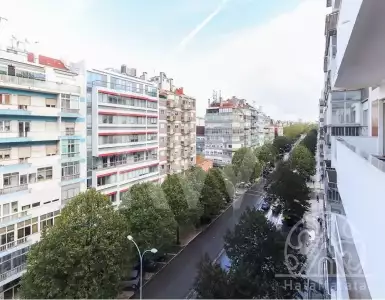
The 3-bedroom apartments are located in the Outubro 355 complex, in the privileged area of Lisbon. The apartment has an...
Submit Request
 2
3
116
2
3
116
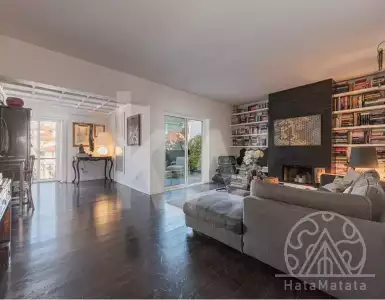
Spacious apartment with 2+1 bedrooms measuring 116 sqm, located in the Infante Residences complex, overlooking the river. The apartment consists...
Submit Request
Hot Deals




 1
1
117
1
1
117
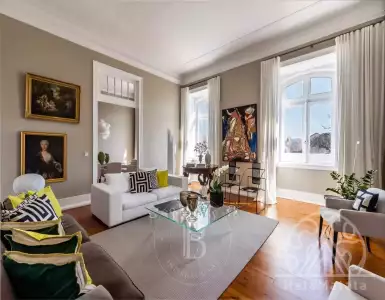
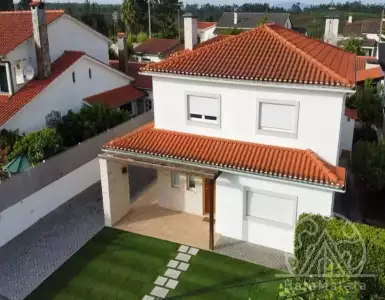
The 117m2 loft is located near the emblematic Praça dos Restauradores square, in a new luxury complex. This charming apartment...
Submit Request
Real estate in Lisbon for living, investment and residence permit
- ✓ Verified properties directly from developers
- ✓ No overpayments or commissions
- ✓ Guarantee of transaction purity and post-purchase support
International Real Estate Consultant
 3
4
158
3
4
158
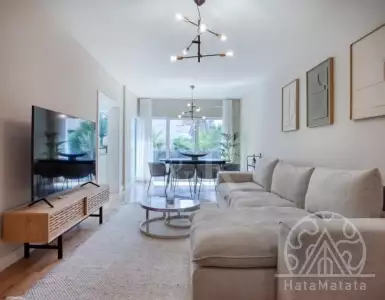
A three-bedroom duplex apartment is located in the Coelho da Rocha 80 complex in Campo de Ourique. This beautiful and...
Submit Request
 21
10
1425
21
10
1425
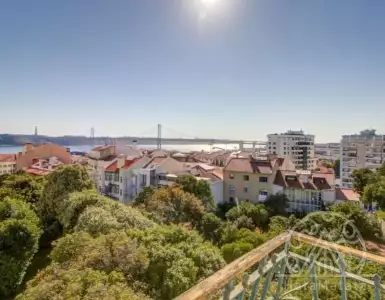
In the center of embassies and palaces, in Lapa, one of the best neighborhoods in Lisbon, we find this property...
Submit Request
 2
2
92
2
2
92
New three-bedroom apartment with an area of 92.4 sq. m, located on the 1st floor with parking space and storage...
Submit Request

Real Estate in Lisbon
Real estate in Lisbon for living, investment and residence permit
- ✓ Verified properties directly from developers
- ✓ No overpayments or commissions
- ✓ Guarantee of transaction purity and post-purchase support
International Real Estate Consultant
Need help choosing a property?
Leave a request and our manager will contact you.
International Real Estate Consultant
Need help choosing real estate in Lisbon?
Leave a request and we will select the 3 best options for your budget
 !
!
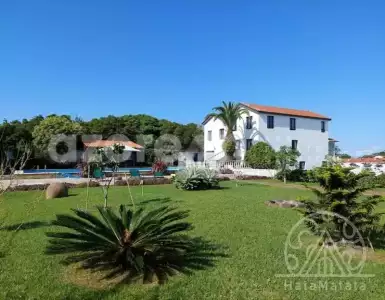
For sale House in Lisbon, Portugal 1 015 099 $
Introducing a wonderful opportunity in Livramento: a spacious house, carefully divided into two parts, each boasting its own unique charm...
 !
!
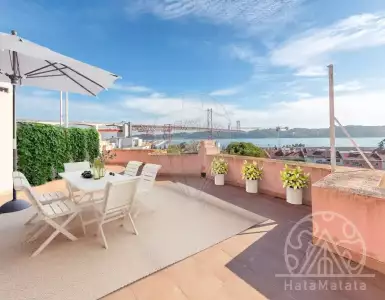
Buy villa in Lisbon, Portugal 1 605 807 $
Description Exclusive 4-bedroom villa in Alcantara - gated community with views of the Tagus River, 2 parking spaces, and storage....
🇵🇹 Lisbon real estate: apartments in Alfama, Chiado and riverfront properties
Lisbon is a compact European capital that blends historic charm with modern infrastructure, perched on the Tagus estuary and within quick reach of Atlantic beaches. The city combines sunny Mediterranean-like weather with mild winters and more than 2,800 hours of sunshine annually, which fuels a strong year‑round rental market and a high quality of life for residents and expatriates. The cultural scene — fado, gastronomy, museums and a waterfront promenade — creates constant tourist demand while the expanding tech and services sectors support long‑term rental absorption and capital appreciation.
Lisbon’s scale and topography define its lifestyle: a dense historic core of narrow streets and period buildings in Alfama, Chiado and Bairro Alto, a modern riverside neighbourhood in Parque das Nações, and rapidly regenerating industrial quarters such as Alcântara and Marvila. Average property sizes vary by location — inner‑city apartments commonly range 40–120 m², family apartments and townhouses in residential districts often span 80–200 m², while coastal villas in Cascais/Estoril typically start at 150 m² and upscale to 500 m²+. The mix of tourism, international schools and corporate headquarters makes Lisbon attractive to private buyers and investors alike.
Property purchase in Lisbon is supported by transparent market practices, active brokerage, and well‑established legal and notarial systems. The city’s climate, transport links and lifestyle amenities mean buyers from first‑time homeowners to institutional investors find concrete use cases: short‑term tourist lets in Baixa, long‑term professional rentals in Parque das Nações, and luxury second homes on the Lisbon‑Cascais coast.
🎯 Which district of Lisbon to choose for buying property in Lisbon
Lisbon’s districts differ sharply in character and investment profile, so matching buyer objectives to neighbourhood dynamics is critical. Central historic areas such as Chiado, Baixa and Alfama are high‑demand for short‑term rentals and boutique resale apartments; buyers prioritising rental yield and premium prices focus here. Residential, family‑oriented zones like Lapa, Estrela and Campo de Ourique are quieter, with larger flats and proximity to good schools and parks.
Suburban and regenerating zones such as Parque das Nações, Alcântara, Marvila and Avenidas Novas are popular with professionals and families seeking modern construction, better parking and office proximity. Coastal towns just outside the city — Cascais and Estoril — suit buyers looking for villas, private gardens and beach access. Peripheral municipalities like Oeiras and Sintra offer lower price per square metre and strong capital growth prospects due to improving transport links.
Districts snapshot with buyer profiles and features:
- Baixa / Chiado / Bairro Alto: prime central, tourist demand, small historic apartments, strong short‑term rental potential.
- Parque das Nações: modern riverside, higher supply of new builds, family amenities, good long‑term rental for professionals.
- Alcântara / Marvila: industrial regeneration, creative hubs, emerging rental demand and off‑plan opportunities.
- Lapa / Estrela / Avenida da Liberdade: luxury residential, embassies, high privacy, suited to premium buyers.
- Cascais / Estoril (coastal): villas and luxury living, beach access, second homes and high net worth buyers.
💶 Property prices in Lisbon
Lisbon’s price structure is tiered by micro‑location and property type. Central historic quarters and luxury avenues command the highest premiums, while outer suburbs and certain regeneration areas remain more accessible. Typical city averages: central Lisbon prime prices range between €5,000–€10,000/m², while broader city averages are around €3,500–€6,000/m². Coastal and luxury villa markets (Cascais/Estoril) frequently exceed €6,000–€12,000/m² depending on sea view and plot size.
Price ranges by district:
- Chiado / Avenida da Liberdade / Lapa: €6,000–€12,000/m²
- Parque das Nações / Avenidas Novas: €3,500–€6,000/m²
- Alcântara / Marvila: €2,500–€5,000/m²
- Cascais / Estoril: €4,500–€12,000/m² (villas higher)
- Outskirts (Odivelas, Amadora): €1,500–€3,000/m²
Prices by property category:
- Apartments (resale): €3,000–€10,000/m² depending on centrality and finish
- New build property in Lisbon (off‑plan): €3,500–€9,000/m² with warranties and contemporary specs
- Townhouses / row houses: €4,000–€8,000/m²
- Villas / detached houses: €4,500–€12,000/m² and up for prime coastal locations
- Commercial units (retail/office): location dependent; prime high‑street retail commands the sharpest rents and cap rates
Recent dynamics favour steady capital growth in prime pockets and faster percentage increases in regenerated and suburban zones, with rental yields in the city averaging 3–5% gross for long‑term leases and higher for short‑term holiday lets in tourist hotspots.
🚆 Transport and connectivity in Lisbon
Lisbon’s transport network is multifaceted: a four‑line metro, extensive bus and tram networks, regional rail, and several key motorways. The Metro’s Red Line connects the city centre with Humberto Delgado Airport and Parque das Nações in about 20–25 minutes, while the Yellow and Blue lines serve central corridors and southbound links across the 25 de Abril bridge. Suburban rail to Cascais takes roughly 30–35 minutes from Cais do Sodré; trains to Sintra take about 40 minutes from Rossio.
Highway access is strong with the A1 to Porto, A2 to the Algarve and A5 toward Cascais, enabling day trips along the coast and convenient logistics for investors. Traffic can slow commuting during peak hours, but average car travel times within central Lisbon rarely exceed 25–35 minutes across most cross‑city trips. The port and ferry routes across the Tagus add intermodal connectivity for leisure markets.
Transport and connectivity highlights:
- Metro lines: Red, Green, Yellow, Blue — key for airport and downtown access
- Rail links: Cascais line, Sintra line, national rail to other cities
- Main highways: A1, A2, A5 — fast access to major regions
- Average commute examples: Airport to Baixa ~20–30 minutes; Cascais to central Lisbon by car ~30–40 minutes
🏥 Urban infrastructure and amenities in Lisbon
Lisbon offers a well‑developed public and private infrastructure network that supports families, students and professionals. Major hospitals include Hospital Santa Maria, Hospital São José, and private clinics such as CUF Infante Santo and Luz Saúde. University presence is strong with Universidade de Lisboa, NOVA University Lisbon and ISCTE attracting students and academic staff.
Green space is plentiful: Monsanto Forest Park is one of Europe’s largest intra‑urban parks, Eduardo VII Park overlooks the city centre, and riverside promenades in Belém and Parque das Nações provide leisure and sporting infrastructure. Major shopping and entertainment centres include Centro Colombo, Amoreiras, and Vasco da Gama Mall in Parque das Nações; these hubs support retail rents and convenience for residents.
Amenity checklist:
- Hospitals: Hospital Santa Maria, Hospital de São José, private CUF clinics
- Universities: Universidade de Lisboa, NOVA, ISCTE
- Shopping: Centro Colombo, Amoreiras, Vasco da Gama
- Parks and leisure: Monsanto, Eduardo VII, Tagus riverside promenades
- International schools: Anglo‑Portuguese, Lycée Français, and several bilingual schools in western Lisbon and Cascais
💼 Economic environment and real estate investment in Lisbon
Lisbon’s economy mixes tourism, finance, tech and logistics. The city is a major tourism engine with millions of visitors annually, supporting hospitality and short‑stay rentals. The tech and startup ecosystem clustered around Parque das Nações, Taguspark (Oeiras) and co‑working hubs has attracted multinational investment and a growing expat workforce. The Port of Lisbon and logistics facilities support trade and light industry.
Employment centers concentrate in Avenida da Liberdade (finance and corporate offices), Parque das Nações (tech and congress venues), and Oeiras (technology parks). This economic diversification reduces single‑sector risk and underpins rental demand across segments. Investment fundamentals show steady demand for quality product, improving liquidity for well‑priced stock and continued interest from foreign buyers seeking stable European property exposure.
Economic indicators and drivers:
- Tourism and short‑term rental demand driving central markets
- Tech and services hubs in Parque das Nações and Oeiras
- Port and logistics supporting trade and industrial real estate
- Increasing institutional interest in new developments and refurbishment projects
🏠 Property formats and housing types in Lisbon
Lisbon’s housing stock ranges from 18th‑century Pombaline buildings to contemporary towers in Parque das Nações. Resale property in historic cores often requires refurbishment and yields character apartments with low supply. New developments in regeneration zones and suburbs provide modern amenities, energy efficiency and legal warranties (10‑year structural guarantees on many new builds).
Typical formats and sizes:
- Historic flats: 40–120 m², period features, high tourist demand when centrally located
- New build apartments: 50–150 m², balconies, parking, contemporary specifications
- Townhouses / renovated townhomes: 80–250 m², ideal for families
- Villas and beachfront properties: 150–500 m²+, private gardens and garages
Off‑plan property in Lisbon offers buyers staged payments and customization but requires due diligence on delivery schedules and developer guarantees. Resale property can be negotiated for price and may offer immediate rental income once upgraded.
🏗️ Developers and residential projects in Lisbon
Portugal’s construction and development market is served by established groups and international investors. Notable Portuguese construction and development names active in Lisbon include Mota‑Engil, Grupo Lena, Grupo Casais, Sonae Sierra (retail & mixed‑use) and Vastint Portugal (urban regeneration projects). These companies have track records across large‑scale regeneration, residential towers and commercial refurbishments.
Representative project types and areas:
- Parque das Nações: large masterplanned parcels offering modern apartments, conference and retail amenities
- Alcântara / LX Factory area: conversions and mixed‑use projects repurposing industrial stock for residential and creative office space
- Chiado / Baixa refurbishments: high‑quality historic renovations targeting premium buyers and short‑let markets
- Belém riverside and Avenida da Liberdade: boutique luxury projects and full‑refurbishment schemes
Developer evaluation points:
- Construction quality: modern new builds typically include thermal glazing, ventilation systems and warranties
- Reliability: choose developers with completed local projects and verifiable delivery records
- Project features: common inclusions are parking, elevators, concierge, energy efficiency and communal outdoor space
💳 Mortgage, financing and installment options for buying property in Lisbon
Financing options in Portugal are accessible to both residents and non‑residents. Typical loan‑to‑value (LTV) ratios for non‑resident buyers range around 60–70% of purchase price, while resident buyers can often access 70–80% LTV, subject to income verification. Mortgage terms commonly extend up to 30 years; interest rate products include fixed, variable and mixed options.
Developer and off‑plan financing often includes structured installment plans:
- Typical down payment / deposit for resale: 10–30%
- Off‑plan developer installments: staged payments at reservation, construction milestones and completion
- Banks require documentation: NIF (tax ID), proof of income, bank statements, passport and property appraisal
- Additional costs: IMT (transfer tax), stamp duty and notary fees must be budgeted alongside mortgage costs
Buy property in Lisbon with mortgage arrangements are routine; buyers should obtain pre‑approval to strengthen offers and compare bank terms, fees and early repayment conditions.
📝 Property purchase process in Lisbon for foreign buyers
The purchase process follows a clear sequence and is straightforward with professional support. Steps typically include obtaining a NIF (Portuguese tax number), opening a Portuguese bank account, signing a Contrato de Promessa de Compra e Venda (promissory contract) with a deposit, and completing the public deed (escritura) at a notary. Legal counsel and a translator are advisable for foreign buyers.
Key transactional steps:
- Secure NIF and bank account
- Negotiate terms and sign promissory contract with deposit (10–30% commonly)
- Conduct due diligence: property registry check, occupancy licenses and debts
- Final signing (escritura) at a notary, pay IMT, stamp duty and notary fees
- Register purchase at the Land Registry
Payment methods accepted include bank transfers, escrow arrangements and developer‑controlled staged payments for off‑plan property. Using a Portuguese lawyer and certified translator helps ensure compliance and clear title.
⚖️ Legal aspects and residence permit options linked to property in Lisbon
Foreigners can own property in Portugal with few restrictions and full freehold title is common. Tax and transactional liabilities include IMT (transfer tax) paid by buyers, stamp duty and annual IMI (municipal property tax) which varies by municipality, typically around 0.3–0.8% for urban properties. Capital gains tax applies to disposals, and specific exemptions or reliefs may be available depending on residency and reinvestment.
Residence permit options related to property exist, but investor visa rules and eligibility thresholds have been subject to regulatory change; alternative residency routes include standard work, study and passive income visas (e.g., D7). Legal and tax advice is essential for structuring purchases, understanding inheritance rules and optimising real estate investment in Lisbon for tax efficiency.
Legal checklist:
- Confirm title and absence of encumbrances at the Land Registry
- Budget for IMT, stamp duty and notary/registration fees
- Seek specialised legal and tax advice for residency, VAT implications (if any) and inheritance planning
📈 Investment property in Lisbon use cases and strategies
Lisbon supports multiple investment strategies: buy‑to‑let for long‑term tenants, short‑term holiday rentals in tourist cores, refurbishment and resale of historic buildings, and premium lifestyle purchases in coastal areas. Choose location by objective: short‑term rental returns are strongest in Baixa, Chiado, Alfama, while long‑term professional rentals perform best in Parque das Nações, Avenidas Novas and Alcântara for younger professionals.
Strategy mapping:
- Short‑term rental: Chiado, Baixa, Bairro Alto — small historic flats, high occupancy rates
- Long‑term rental: Parque das Nações, Avenidas Novas — modern amenities, stable tenant profiles
- Capital‑growth flips and refurbishments: Alcântara, Marvila, historic cores — convert or upgrade to premium spec
- Luxury second homes: Cascais / Estoril — villas, private plots, lifestyle buyers
Each strategy requires tailored due diligence on local regulation (short‑let licensing), financing and expected rental yield versus capital appreciation. Matching product type, district and exit strategy is the core of successful real estate investment in Lisbon.
If you want, I can prepare a shortlist of available properties in target districts, a sample financial model showing ROI and cash‑flow scenarios, or an annotated checklist for due diligence and legal counsel to guide the purchase process.
Frequently Asked Questions
Lisbon prices vary by type and location. Central apartments: roughly $400,000–$1.5M (€360k–€1.35M) or about $4,000–$10,000/m² in prime streets. Suburban apartments: $160,000–$600,000 (€145k–€540k) or $2,000–$4,500/m². Townhouses/villas: $500,000–$3M (€450k–€2.7M) depending on size and river views. Expect higher pricing in historic centre and Belém, lower in outer parishes.
Yes — non‑residents can buy in Lisbon with few ownership restrictions. You’ll need a Portuguese tax number (NIF), a bank account and ID. Some restricted military or governmental zones exist. Buying doesn’t automatically grant residency—there are separate residence/visa routes for longer stays or investor programs. Use a notary and register the deed at the land registry to secure ownership.
Lisbon has strong demand from tourists, students and professionals. Typical gross long‑term yields: about 3–5%; short‑term (tourist) gross yields: 5–8% in central/parish hotspots, higher for well‑managed units. Liquidity is best in central neighbourhoods; outskirts sell slower. Seasonality: tourist occupancy peaks in summer, lowering winter short‑term income. Consider tenant mix and management costs when assessing returns.
Main purchase costs: IMT transfer tax (progressive, roughly 1%–7% depending on price/type), stamp duty ~0.8%, notary/registry and land search ~1%–2%, legal fees ~1%. Annual municipal tax (IMI) typically ~0.3%–0.7% of tax value. Rental income/capital gains have tax implications (non‑residents often taxed at ~25–28%; residents taxed progressively). Timelines: resale 1–3 months; off‑plan 6–18+ months. Consult a tax advisor for specifics.
Families often prefer Parque das Nações (modern, riverside schools, $300k–$900k), Campo de Ourique (local shops, family vibe, $400k–$1M), Estrela/Príncipe Real (green areas, upscale, $600k+), and Avenidas Novas (good schools, transport, $300k–$800k). These areas offer parks, international schools nearby and better apartment sizes for families compared with tiny historic centre flats.
Yes, but Lisbon requires local licensing and compliance. Short‑term rentals must be registered (tourist/AL licence) and may face local parish restrictions in historic zones; penalties exist for non‑compliance. Seasonality yields high occupancy in summer (often 60%–85% in prime spots). Declare income for tax and check municipal rules before buying; some streets or buildings may effectively prohibit tourist lettings.
Off‑plan can offer savings but carries risks: construction delays, promoter insolvency, and quality differences. Protections: check promissory contracts, insist on deposit guarantees or bank escrow, verify planning permits and licences, and confirm completion guarantees/insurance. Typical build timelines range from 12–36 months. Use legal due diligence and independent inspections to reduce risk.
Investing prioritises yield, liquidity and tenant demand—choose central, well‑connected areas and manage turnover/short‑term bookings. Buying to live focuses on size, schools, quiet streets and comfort. Investors accept smaller flats, higher furnishing/management costs and variable occupancy; homeowners prioritise long‑term stability, renovation standards and neighbourhood amenities. Financing and tax treatments can also differ between the two uses.
Yes. Lisbon offers widespread fibre (common speeds 100–300 Mbps in central areas), many coworking spaces and a lively expat scene. Monthly rents for a 1‑bed in central areas often range $900–$1,800. Short stays: many nationals enjoy 90/180‑day visa‑free access; longer stays require residence permits available for remote workers or passive income routes. Good neighbourhoods for nomads include Chiado, Cais do Sodré and Parque das Nações.
Verify: active planning permits, land registry encumbrances, evidence of completed past projects, financial stability and builder licences. Ensure the contract includes deposit escrow or bank guarantees, clear build schedule, penalties for delays and warranty terms. Ask your lawyer to confirm licences and performance bonds, and request references or independent technical reports before signing.
Property by cities
- Real estate in Lisbon (396)
- Real estate in Oeirash (281)
Properties by Region
- Real estate in Lisbon (910)
- Real estate in Porto (239)
- Real estate in Fara (150)
- Real estate in Algarve (123)
Services in Lisbon
Properties by Country
- Real estate in Bulgaria (11408)
- Real estate in Montenegro (5346)
- Real estate in Indonesia (2423)
- Real estate in Spain (2289)
- Real estate in Portugal (1975)
- Real estate in Italy (1909)
- Real estate in Turkey (1699)
- Real estate in Cyprus (1594)
- Real estate in Thailand (1565)
- Real estate in Croatia (1431)
- Real estate in Greece (1082)
- Real estate in USA (1013)
- Real estate in France (1006)
- Real estate in Georgia (519)
- Real estate in Serbia (328)
- Real estate in Slovenia (123)
- Real estate in Egypt (23)
Get the advice of a real estate expert in Lisbon — within 1 hour
Looking for a property in Lisbon? Leave a request — we will help you take into account all the nuances, and we will offer objects according to your personal request.

Maria Guven
Head of Direct Sales Department
+90-507-705-8082