


Real Estate in Porto
- ✓ Verified properties directly from developers
- ✓ No overpayments or commissions
- ✓ Guarantee of transaction purity and post-purchase support

International Real Estate Consultant
Leave a request and our manager will contact you.
International Real Estate Consultant
Hot Deals



For Sale Real Estate in Porto
217 listings

 3
3
 124
124
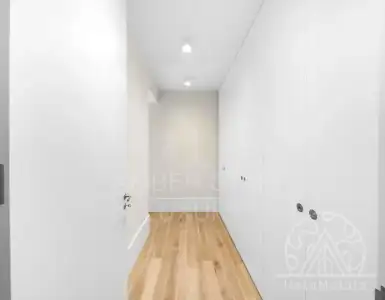
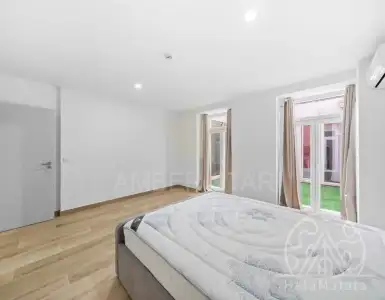
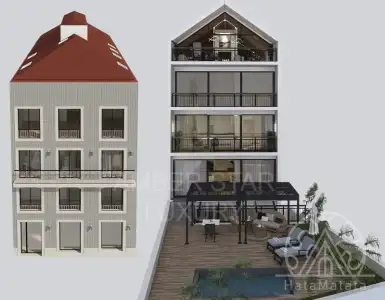
This spacious 3 bedroom apartment is located in a residential complex in the city of Gondomar, characterized by a unique...
Submit Request
 3
124
3
124
This spacious 3 bedroom apartment is located in a residential complex in the city of Gondomar, characterized by a unique...
Submit Request
Popular



 3
124
3
124
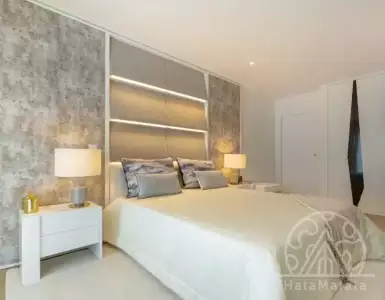
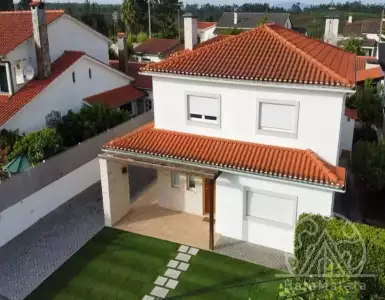
This spacious 3 bedroom apartment is located in a residential complex in the city of Gondomar, characterized by a unique...
Submit Request
Real estate in Porto for living, investment and residence permit
- ✓ Verified properties directly from developers
- ✓ No overpayments or commissions
- ✓ Guarantee of transaction purity and post-purchase support
International Real Estate Consultant
 3
94
3
94
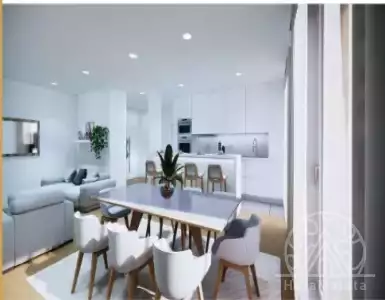
A new building in the best areas of Maya, the last apartments of T3.With a fantastic location, ideal for those...
Submit Request
 3
124
3
124
This spacious 3 bedroom apartment is located in a residential complex in the city of Gondomar, characterized by a unique...
Submit Request
 3
124
3
124
This spacious 3 bedroom apartment is located in a residential complex in the city of Gondomar, characterized by a unique...
Submit Request


Real Estate in Porto
- ✓ Verified properties directly from developers
- ✓ No overpayments or commissions
- ✓ Guarantee of transaction purity and post-purchase support
International Real Estate Consultant
Leave a request and our manager will contact you.
International Real Estate Consultant
Need help choosing real estate in Porto?
Leave a request and we will select the 3 best options for your budget
 !
!
For sale Flat in Porto, Portugal 860 596 $
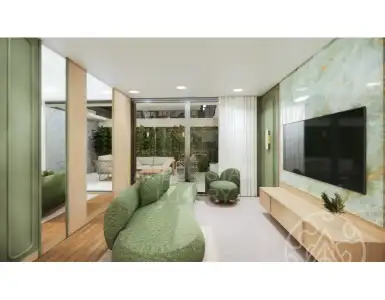
Inscribed in an exclusive complex, this magnificent four-bedroom duplex is located in Lordelo do Hora, one of the most prestigious...
 !
!
For sale Flat in Porto, Portugal 696 839 $
This property is sold together with a store located on the same floor, which is a unique combination of commercial...
🇵🇹 Porto property market: Ribeira apartments, Douro riverfront, rental yields
Porto is a compact, charismatic Atlantic city where steep streets, tiled façades and riverside terraces meet a modern service economy and growing tech scene. Located on the Douro estuary, Porto combines a historic UNESCO-listed core with contemporary neighbourhoods, a strong cultural calendar and easy access to beaches such as Matosinhos and Foz do Douro. Buyers will find a mix of lively downtown living, tranquil seaside districts and regeneration areas offering new developments and resale property in Porto with clear potential for rental income and capital growth.
🏙️ City overview and lifestyle in Porto
Porto sits on Portugal’s northwest coast and is the nation’s second-largest city by population and economic activity, known for its riverfront Ribeira, wine lodges across the Douro and a compact urban fabric that favours walking and cycling. The climate is Atlantic: mild winters and warm, breezy summers, making year‑round occupancy attractive for residents and rental markets alike.
Porto’s lifestyle blends historic streets, independent cafes and a young demographic driven by universities and the growing tech sector. Cultural anchors such as Casa da Música, Coliseu do Porto and the riverside promenade create constant footfall, supporting short‑term rental demand and vibrant neighbourhood retail.
Porto’s coastline—primarily Matosinhos and Foz—is minutes from central districts by metro or car, offering sandy beaches, surf schools and seafood restaurants that add lifestyle value and premium pricing for nearby properties.
💎 Which district of Porto to choose for buying property in Porto
Porto divides into clear neighbourhood types for different buyer profiles: historic centre for tourism and short lets, Boavista for professionals, Foz for luxury seaside living, and more affordable inner suburbs for long‑term tenants. Each neighbourhood has distinct infrastructure, safety levels and development intensity.
Downtown and riverside areas (Baixa, Ribeira) are tourism‑heavy with dense, older buildings and high short‑term rental demand; they suit investors seeking holiday rental yields and capital appreciation from property refurbishment. Boavista and Casa da Música are business and cultural hubs with mixed high‑density apartments and new developments favoured by professionals and relocators.
Foz do Douro and Aldoar are low‑density, upscale areas by the sea with villas and high-end apartments—ideal for buyers seeking lifestyle, privacy and premium price per square metre. Peripheral neighbourhoods such as Campanhã and Paranhos are undergoing regeneration and typically offer lower entry prices and long‑term appreciation potential.
District highlights and buyer matches:
- Baixa / Ribeira: short‑term rental, tourism investors, historic apartments
- Bonfim / Cedofeita: young professionals, creatives, mid‑range resale apartments
- Boavista / Casa da Música: executives, long‑term rentals, modern blocks
- Foz do Douro / Aldoar: luxury buyers, villas and large flats near the seaside
- Campanhã / Paranhos: value buys, family-sized units, redevelopment projects
💶 Property prices in Porto and market overview
Porto’s real estate market shows clear price segmentation by district and property type with an active mix of new developments in central regeneration areas and a steady resale market in established neighbourhoods. Prices per square metre vary widely: from around €1,800–€3,000/m² in peripheral, lower‑demand sectors to €4,500–€7,500/m² in prime Foz and central Boavista locations.
Typical price bands by district:
- Foz do Douro / Aldoar: €5,000–€8,000/m² (luxury apartments, occasional villas)
- Baixa / Ribeira: €4,000–€7,000/m² (tourist demand, renovated historic units)
- Boavista / Casa da Música: €3,500–€6,000/m² (modern apartments)
- Bonfim / Cedofeita: €2,500–€4,000/m² (trendy, mid‑range)
- Campanhã / Paranhos: €1,800–€3,000/m² (value and redevelopment potential)
Price by property type and size: - Studio / T0: 30–45 m², typically €90k–€200k depending on location
- 1‑bed / T1: 45–65 m², typically €120k–€350k
- 2‑bed / T2: 65–90 m², typically €180k–€500k
- 3‑bed / T3 and larger: 90–140 m², typically €250k–€900k+ in prime areas
Market dynamics show steady buyer interest from internationals and domestic investors, with renovation projects and new build property in Porto contributing most to recent turnover. Rental yields generally range between 3%–6% gross for long‑term lets and can be higher for well‑managed short‑term rental properties in the historic centre.
🚆 Transport and connectivity in Porto
Porto benefits from an integrated public transport network including Metro do Porto (multiple lines), suburban trains from Campanhã and São Bento, an extensive bus fleet and quick road links. Porto Airport (Francisco Sá Carneiro) lies approximately 11–15 km north of central Porto, with a typical drive time of 20–30 minutes depending on traffic conditions.
Key transport facts:
- Metro lines reach major neighbourhoods: Line D to Vila Nova de Gaia, Lines A/B/C/E to Matosinhos and the airport via transfer
- Main rail hubs: Campanhã (regional and high‑speed services), São Bento (central historic station)
- Major road links: A1 to Lisbon, A20/IC23 inner ring road, A41 orbital — useful for car access to suburbs and airport
Average travel times from representative districts: - Foz to Baixa: 15–25 minutes by tram/car
- Boavista to Campanhã: 10–15 minutes by metro/car
- Matosinhos beach to Francisco Sá Carneiro Airport: 15–25 minutes by car or metro
🏥 Urban infrastructure and amenities in Porto
Porto hosts top public and private facilities that support daily life, education and health, underpinning both relocation and investment decisions. The University of Porto is a major academic employer with multiple faculties (natural draw for student housing), while polytechnic institutes and business schools increase demand for rental accommodation in proximity.
Healthcare and public services are strong: Centro Hospitalar Universitário de São João, Hospital de Santo António, and several private clinics such as CUF Porto provide comprehensive care. Major shopping and leisure facilities include NorteShopping (Matosinhos), local markets such as the renovated Bolhão Market, and cultural venues like Casa da Música and the Serralves Museum.
Public parks, riverside promenades and beachfront amenities add further lifestyle value:
- Parks: Parque da Cidade (largest urban park), Jardim do Passeio Alegre
- Markets and retail: Mercado do Bolhão, Rua de Santa Catarina shopping corridor
- Sports and leisure: surfing at Matosinhos, cycling along Foz, gyms and private clubs across Boavista
📈 Economic environment and city development in Porto
Porto’s economy blends tourism, services, logistics and an expanding technology sector. The Port of Leixões (near Matosinhos) supports maritime trade while the wider metropolitan area hosts technology parks and incubators that attract startups and international firms. Tourism remains a pillar—city visitors sustain short‑term rental markets and hospitality employment.
Business districts around Boavista and the riverside have attracted corporate offices and professional services, contributing to demand for high‑quality rentals and executive apartments. Regeneration programmes such as Porto Vivo drive renovation incentives in the historic centre, creating opportunities for new build property in Porto and off‑plan property investment.
Investment signals include infrastructure upgrades, increasing numbers of co‑working spaces and international hotel brands expanding capacity in the city, which support both rental demand and capital appreciation potential for real estate investment in Porto.
🏠 Property formats and housing types in Porto
Porto’s housing stock comprises historic multi‑storey apartments, newly built condominiums, converted heritage units and occasional villas near the coast. New developments focus on compact apartments and mixed‑use schemes in central districts, while resale property in Porto often requires renovation and offers value-add opportunity.
Typical property formats:
- Historic flats in Baixa and Ribeira: small floorplates, high ceilings, structural refurbishment needed
- New condominiums in Boavista and Bonfim: modern finishes, elevators, parking and amenities
- Seaside villas and large apartments in Foz and Aldoar: private gardens, garages, larger terraces
Buyers choosing off‑plan property in Porto or new build property in Porto should evaluate developer warranties, finish specifications and projected completion timelines; resale property buyers should budget for renovation costs and licenses for tourist rentals where relevant.
🏗️ Developers and key residential projects in Porto
Several national and international construction companies and developers operate in Porto, with notable presence from engineering and development groups as well as institutional asset managers. Services by agencies such as JLL, CBRE, Savills, RE/MAX and ERA are commonly used for market access and investment advice.
Examples of development and regeneration initiatives:
- Porto Vivo — municipal urban rehabilitation company active in historic centre regeneration
- Lionesa Business & Porto Design Factory — industrial regeneration and business hub in the metropolitan area
- Large construction groups such as Mota‑Engil and international contractors like VINCI participate in major urban works and residential construction projects
When evaluating developers and projects, prioritise: - Track record on delivery and after‑sales service
- Warranty and energy‑efficiency standards (EPC ratings)
- On‑site amenities: parking, storage, communal spaces and security
💳 Mortgage, financing and installment options for property in Porto
Portuguese banks and international lenders finance purchases in Porto; typical mortgage conditions vary by residency status and borrower profile. Residents often access higher loan‑to‑value ratios (up to 80% LTV) while non‑residents commonly see 60–70% LTV depending on creditworthiness. Interest rates fluctuate with market conditions; common terms extend up to 25–30 years.
Down payment and alternative financing:
- Standard down payment / deposit: 20%–40% of purchase price for foreign buyers
- Stamp duty, IMT and closing costs typically add around 6%–10% to buyer expenses Developer and off‑plan financing:
- Many developers offer installment plans during construction (typical developer schedules require 10%–30% upfront, then staged payments)
- Buy property in Porto with mortgage and buy property in Porto in installments are both viable routes; ensure contract clarity on penalties, completion guarantees and escrow arrangements
🧾 Property purchase process in Porto for foreign buyers
Buying property in Porto follows a standard legal path with steps designed to protect buyer and seller but requires local documentation and tax IDs. Key steps include obtaining a Portuguese NIF (tax identification number), opening a Portuguese bank account, and appointing legal counsel or a notary for due diligence.
Typical transactional stages:
- Reservation agreement or promissory contract (Contrato de Promessa de Compra e Venda) with deposit (often 5%–10%, higher for off‑plan)
- Final deed (Escritura pública) signed before a notary and registration at the land registry (Conservatória)
- Payment of IMT (property transfer tax), stamp duty and notary/registration fees
Common payment methods include banker’s drafts, transfer from Portuguese bank accounts and staged developer payments for new developments. Buyers should also arrange a property survey and confirm zoning and licensing if planning rentals.
⚖️ Legal aspects, taxes and residence options for property in Porto
Foreigners face straightforward ownership rules in Portugal: there are no general restrictions on property ownership by non‑residents. Taxes and administrative steps are important to plan for: property purchase triggers IMT and stamp duty; annual IMI (municipal property tax) is levied by the municipality; rental income and capital gains are taxable under Portuguese law.
Typical fiscal points:
- IMI rates vary by municipality, commonly 0.3%–0.8% for urban properties
- Transfer taxes and notary fees typically add several percent to purchase costs
- Rental income taxation and VAT rules apply differently to short‑term and long‑term rental operations; non‑residents often face withholding tax or flat rates on rental income
Residence options linked to property ownership include various visas and permits based on investment, employment or passive income; rules and eligibility change, so consult immigration and legal advisors to explore D‑type or income‑based residence permit routes where applicable.
🔍 Property use cases and investment strategies for Porto
Porto supports multiple investor strategies: buy‑to‑let for long‑term rental, short‑term holiday rentals, renovation and flip investments, buy‑and‑hold for capital appreciation, and premium lifestyle purchases for second homes or relocation. Each strategy maps to different districts and property types.
Practical matches by strategy:
- Permanent residence: Boavista, Cedofeita, Paranhos — modern apartments, family flats
- Long‑term rental: Paranhos, Campanhã, areas near University of Porto — T2/T3 flats, student demand
- Short‑term rental and holiday lets: Baixa, Ribeira, Cedofeita — renovated historic flats, high occupancy tourism
- Investment property and capital growth: Bonfim, Bonfim regeneration pockets, central Boavista — value‑add apartments and off‑plan schemes
- Luxury lifestyle: Foz do Douro, Aldoar — seaside villas, large terraces
Operational notes: short‑term rental income can be attractive but requires licensing, compliance with local regulations and active management; long‑term rental offers steadier yields and lower operational intensity.
Porto’s compact geography, improving infrastructure and diversified economy make it a practical choice for a wide range of purchasers — from private buyers seeking a coastal European city with quality of life to investors targeting tourism‑driven yields and long‑term capital appreciation. Whether you search for new developments in Porto, resale property in Porto, off‑plan property in Porto, or property in Porto with mortgage or installment plan, local market knowledge, legal counsel and a clear strategy will maximise value and minimise risk.
Frequently Asked Questions
How much do properties in Porto cost?
Porto prices vary by area: historic Ribeira/central prime apartments often sell for about $4,500–$7,000/m² (€4,200–€6,500); central city flats $2,700–$4,900/m² (€2,500–€4,500); suburban/outskirts $1,300–$2,700/m² (€1,200–€2,500). New-builds typically command a 10–25% premium. Small studios in tourist zones commonly start near $120k–$220k, larger central flats $300k+.
Can foreigners buy property in Porto?
Yes. Non‑residents (EU and non‑EU) have full ownership rights and can buy freehold. To complete a purchase you need a Portuguese tax number (NIF), typically a local bank account, and a public deed at a notary. Recent national rules exclude most central Porto purchases from the Golden Visa programme, so property in Porto rarely qualifies for that route to residency.
Is Porto good for real estate investment?
Porto shows steady rental demand from students, professionals and tourism. Long‑term gross yields commonly range 3–6% depending on area; short‑term (holiday) gross yields can reach 6–10% in prime zones but with seasonal occupancy. Liquidity is moderate to high in central districts; expect stronger demand in Ribeira, Baixa and university areas. Plan for vacancy and management costs when forecasting net returns.
What taxes and fees apply when buying in Porto?
Expect transaction costs of roughly 6–8% of purchase price on resale (transfer tax IMT, stamp duty, notary/registration, legal fees). IMT is progressive (top marginal bands apply on higher values, up to around 6–8% of price); stamp duty is ~0.8%. Annual property tax (IMI) typically runs 0.3–0.5% of taxable value. Non‑residents pay a flat 28% on capital gains; new builds may be subject to VAT (~23%).
Which Porto areas are best for renting out?
For tourist short‑lets: Ribeira and historic Baixa draw the highest nightly rates. For steady long‑term rent: Cedofeita, Bonfim and Paranhos (near universities and hospitals) perform well. Foz do Douro suits higher‑end long lets and families. Central/riverfront areas have better liquidity but higher purchase costs; student and professional districts offer steadier yields at lower entry prices.
Are short‑term rentals legal in Porto?
Short‑term rentals are legal but regulated. Hosts must register for an Alojamento Local permit and comply with municipal rules, safety standards and tax reporting. Some buildings or parishes may impose restrictions; condominium rules can also limit short lets. Seasonality peaks May–Oct; expect higher nightly rates then but factor in variable annual occupancy when modelling income.
Is Porto suitable for digital nomads and remote work?
Yes. Porto offers widespread fibre and cable internet with typical urban speeds of 100–500 Mbps, plentiful cafés and coworking spaces, and an affordable cost of living versus major Western European cities. Short visa‑free stays depend on nationality (Schengen 90/180 days); long stays usually require residence visas (work, D7/passive income). Quality of life, transport and international flight links support longer remote stays.
What risks come with buying off‑plan in Porto?
Key risks: construction delays (commonly 12–36 months), insolvency of the builder, and completion quality. Buyer protections to seek: signed promissory contract with delivery dates, bank guarantees or escrow for deposits, clear penalty clauses, public registration, and post‑completion defect guarantees (structural warranties typically up to 5 years). Always use independent technical/legal checks before signing.
How does buying to rent differ from buying to live in Porto?
Investment purchases prioritise yield, tenant demand and liquidity; expect higher furnishing, management and maintenance costs, and different financing (lower LTVs for buy‑to‑let). Primary homes focus on comfort, schools and commute. Tax treatment, short‑term rental rules and insurance differ; mortgage terms often favour primary residences with higher LTV (up to ~70–80%) versus 60–70% for investment/non‑resident buyers.
How can I check a Porto developer's reliability?
Verify permits and public registrations at the municipal planning office, ask for bank guarantees or escrow arrangements for deposits, request proof of previously completed projects and audited accounts, check construction insurance and latent defect guarantees, and hire an independent architect/inspector to review specs and contracts. Contracts should detail timelines, penalties and warranty periods to reduce risk.
Property by cities
- Real estate in Porto (217)
Properties by Region
- Real estate in Lisbon (743)
- Real estate in Porto (374)
- Real estate in Faro (226)
- Real estate in Algarve (142)
- Real estate in Braga (12)
Services in Porto
Properties by Country
- Real estate in Bulgaria (11439)
- Real estate in Montenegro (5337)
- Real estate in Spain (5198)
- Real estate in Indonesia (2424)
- Real estate in Turkey (2317)
- Real estate in Portugal (2037)
- Real estate in Croatia (1682)
- Real estate in Cyprus (1641)
- Real estate in Italy (1578)
- Real estate in Thailand (1565)
- Real estate in Greece (1119)
- Real estate in France (1070)
- Real estate in USA (732)
- Real estate in Georgia (507)
- Real estate in Serbia (246)
- Real estate in Slovenia (125)
- Real estate in Egypt (20)
Get the advice of a real estate expert in Porto — within 1 hour
Looking for a property in Porto? Leave a request — we will help you take into account all the nuances, and we will offer objects according to your personal request.

Maria Guven
Head of Direct Sales Department
+90-507-705-8082