


Area
901 м2
Bedrooms
5
Bathrooms
3
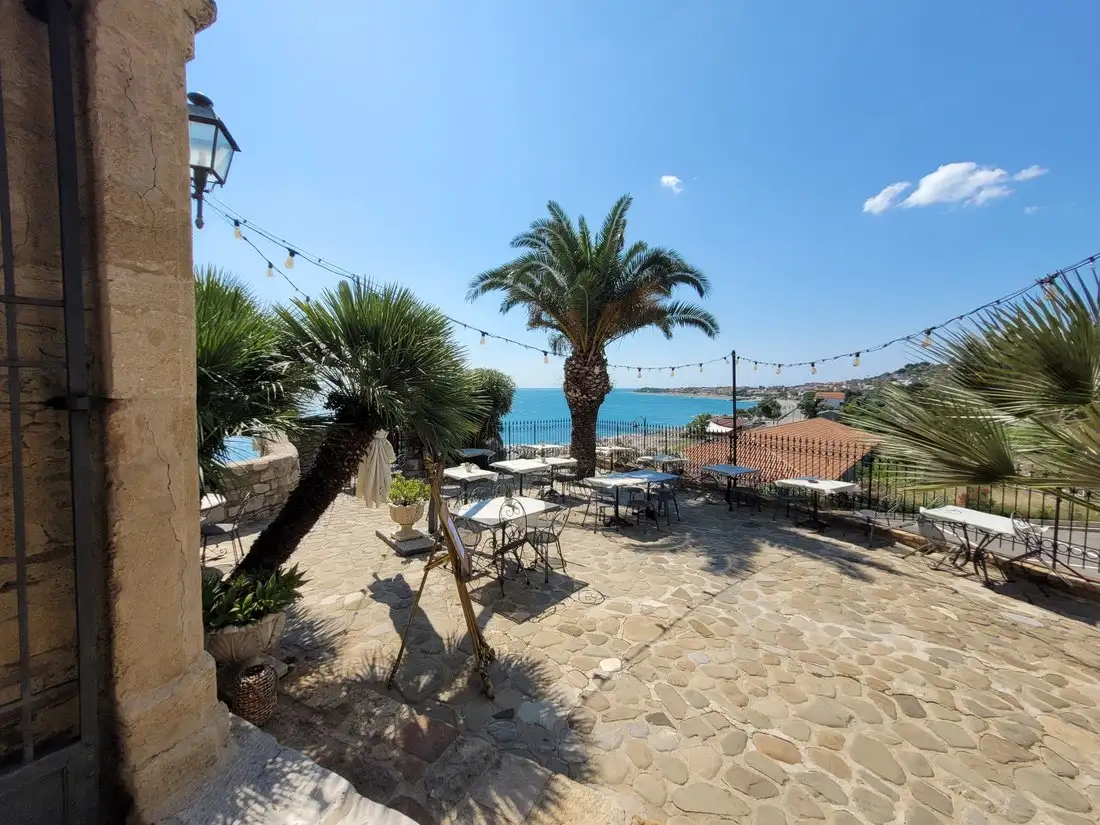
Castle Of The Emperors And The Kings Directly On The Sea In Calabria Italy
Italy, a country rich in history and cultural heritage, is home to many impressive castles.
One region that boasts a large number of such structures is Calabria.
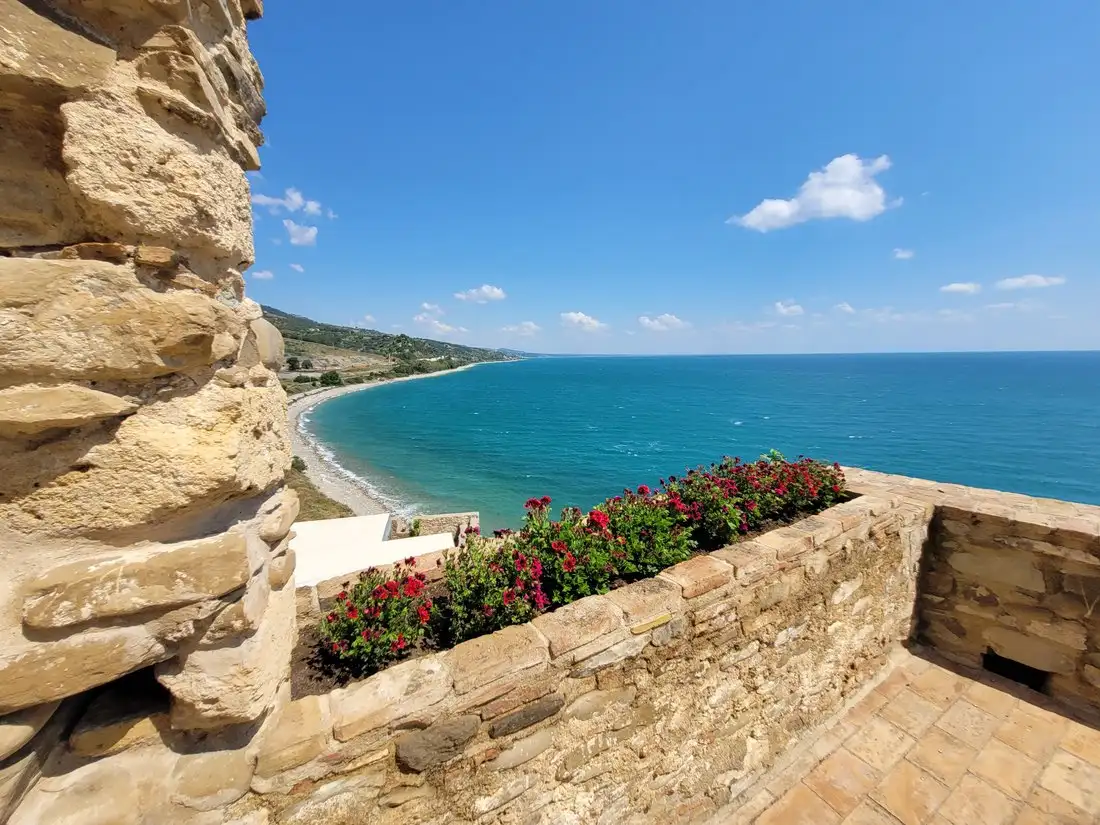
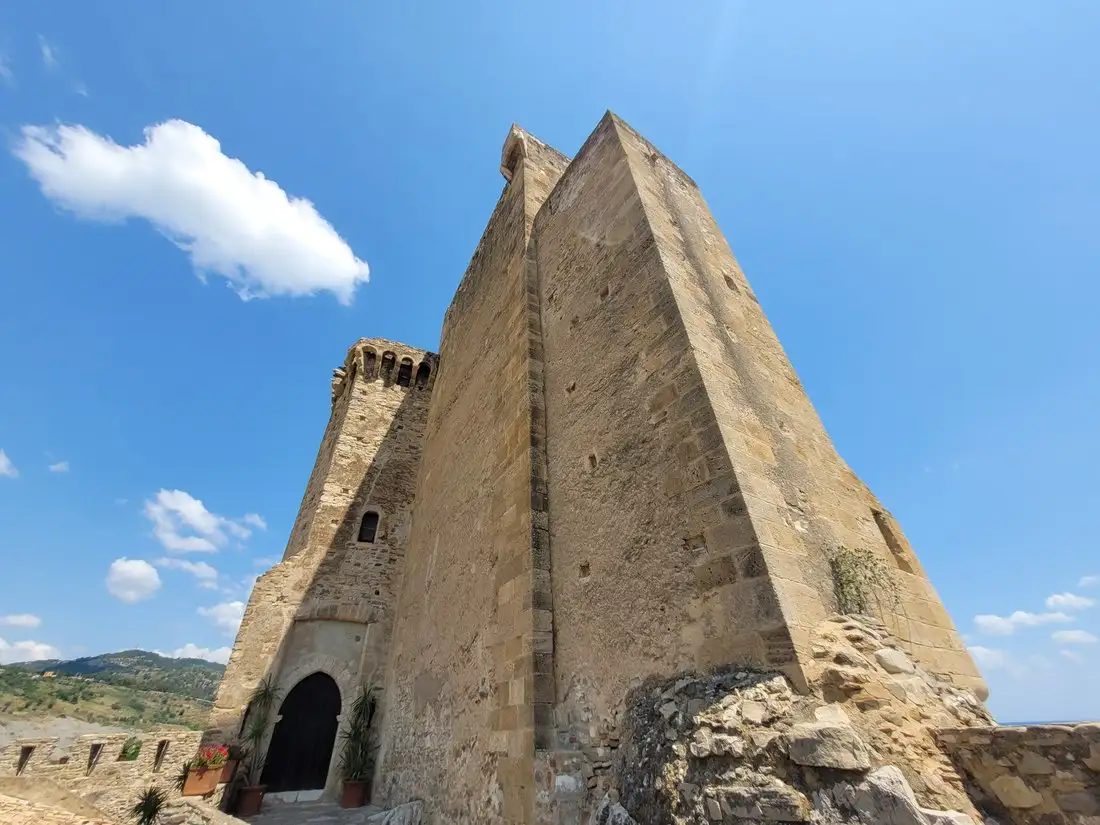
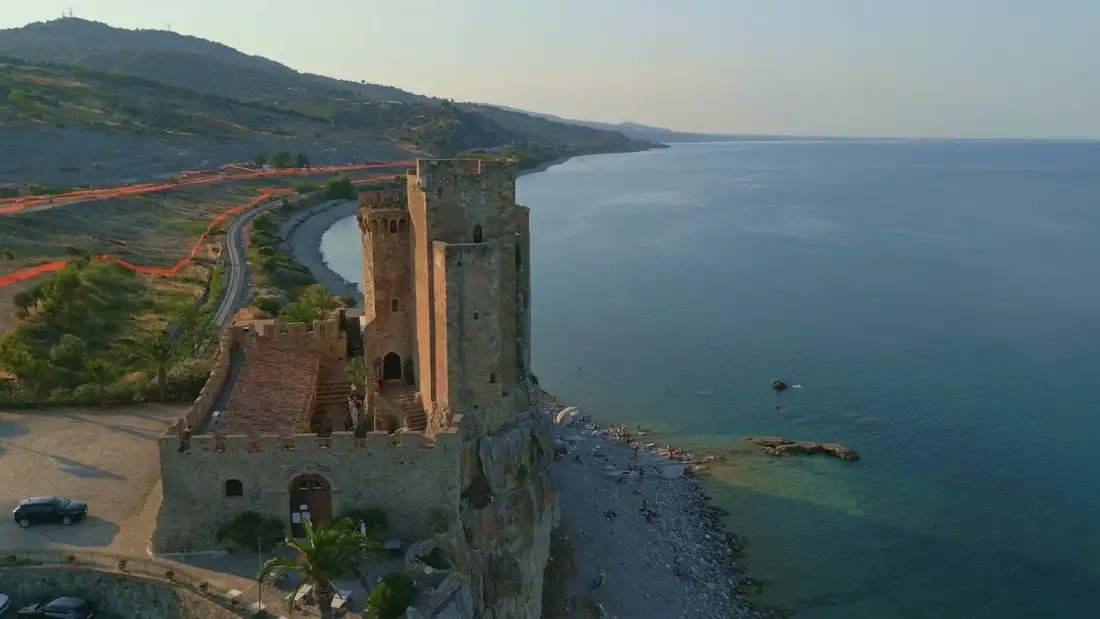
The Castrum Petrae Roseti (Castle of the Stone of Roseto) is a fortified castle to defend the coast of the Upper Ionian Cosentino, dating back to the Norman era, rebuilt in the thirteenth century by the will of the emperor and king of Sicily Frederick II of Swabia, remodeled several times until the 16th century. It is located in Roseto Capo Spulico, overlooking the sea on the Cardone Promontory.
This southern Italian region, which makes up the southern part of the Italian boot, has a fascinating history and a variety of landscapes that range from the mountainous Aspromonte region to the beautiful coastlines of the Ionian and Tyrrhenian Seas.
Calabria has a long history dating back to ancient times. The region was part of the powerful Greek colonial empire and was influenced by various cultures, including the Greeks, Romans, Byzantines and Normans. This rich historical past is reflected in the numerous castles scattered throughout the area.
One of the most famous castles in Calabria is the Castello Aragonese in Reggio Calabria.
It was built in the 15th century by the Aragonese and sits majestically on a hill overlooking the city and the sea.
The castle once served as a defensive structure and witnessed many historical events.
Another impressive castle in Calabria is Castello Svevo in Cosenza. This imposing structure was built in the 13th century by the Normans and later expanded by the Hohenstaufen dynasty. Castello Svevo played an important role in the history of the region and served as a residence for various noble families.
In the province of Crotone is the Castello di Santa Severina, a medieval fortress perched on a hill and offering a magnificent view of the surrounding countryside.
The castle was built in the 11th century and has undergone various alterations and extensions over the centuries.
These examples are just a few of the many castles that Calabria has to offer. Each of these structures tells its own story and contributes to the rich cultural landscape of the region. From Norman fortresses to Aragonese castles, these historic monuments are fascinating testaments to bygone eras and a window into Calabria’s rich history.
Nowadays, many of these castles are being restored and opened to visitors. They allow people to immerse themselves in the past and discover the architectural splendor and stories behind these venerable structures. Calabria thus offers not only breathtaking nature and culinary delights, but also a rich cultural heritage worth exploring.
The castle has a capacity of 300 people, so it is also an excellent investment to use as a source of income.
The two international airports of Bari and Lamezia Terme are a 90-minute drive away WHILE the fast train stops at the location of the castle.
The information is orientative.
More information on specific request and after proof of creditworthiness or capital.
Best regards.
Enrico Franchini
One region that boasts a large number of such structures is Calabria.
The Castrum Petrae Roseti (Castle of the Stone of Roseto) is a fortified castle to defend the coast of the Upper Ionian Cosentino, dating back to the Norman era, rebuilt in the thirteenth century by the will of the emperor and king of Sicily Frederick II of Swabia, remodeled several times until the 16th century. It is located in Roseto Capo Spulico, overlooking the sea on the Cardone Promontory.
This southern Italian region, which makes up the southern part of the Italian boot, has a fascinating history and a variety of landscapes that range from the mountainous Aspromonte region to the beautiful coastlines of the Ionian and Tyrrhenian Seas.
Calabria has a long history dating back to ancient times. The region was part of the powerful Greek colonial empire and was influenced by various cultures, including the Greeks, Romans, Byzantines and Normans. This rich historical past is reflected in the numerous castles scattered throughout the area.
One of the most famous castles in Calabria is the Castello Aragonese in Reggio Calabria.
It was built in the 15th century by the Aragonese and sits majestically on a hill overlooking the city and the sea.
The castle once served as a defensive structure and witnessed many historical events.
Another impressive castle in Calabria is Castello Svevo in Cosenza. This imposing structure was built in the 13th century by the Normans and later expanded by the Hohenstaufen dynasty. Castello Svevo played an important role in the history of the region and served as a residence for various noble families.
In the province of Crotone is the Castello di Santa Severina, a medieval fortress perched on a hill and offering a magnificent view of the surrounding countryside.
The castle was built in the 11th century and has undergone various alterations and extensions over the centuries.
These examples are just a few of the many castles that Calabria has to offer. Each of these structures tells its own story and contributes to the rich cultural landscape of the region. From Norman fortresses to Aragonese castles, these historic monuments are fascinating testaments to bygone eras and a window into Calabria’s rich history.
Nowadays, many of these castles are being restored and opened to visitors. They allow people to immerse themselves in the past and discover the architectural splendor and stories behind these venerable structures. Calabria thus offers not only breathtaking nature and culinary delights, but also a rich cultural heritage worth exploring.
The castle has a capacity of 300 people, so it is also an excellent investment to use as a source of income.
The two international airports of Bari and Lamezia Terme are a 90-minute drive away WHILE the fast train stops at the location of the castle.
The information is orientative.
More information on specific request and after proof of creditworthiness or capital.
Best regards.
Enrico Franchini
Services and facilities
 Balcony or terrace
Garage/parking
Balcony or terrace
Garage/parking
Additional details
Property type
Elite
Object type
Castle
Price
33 961 277 $
Land area
10000
Characteristics
Balcony or terrace
Garage/parking
Sea View
FAQ
In Italy a residence permit is typically issued based on a minimum investment threshold. Applications are reviewed within 30–60 days in Borgata Marina; you will need a passport, proof of funds, and the ownership documents. Hatamatata helps prepare and submit the paperwork.
Banks in Italy finance 50–70% of the property value for non-residents with rates of 3–5% for 20–30 years. A life insurance policy and a 30–40% down payment are usually required. Terms and programs vary by city and bank.
Expected expenses: transfer tax 0–15%, registration 0.5–2%, notary 0.5–1.5%, agent commission 0–3%. In total 2–20% on top of the purchase price. Exact rates depend on region, property type and programs.
A title search at the land registry of Italy takes 10–15 business days. You receive ownership, encumbrance and tax clearance certificates. Documents are translated and reviewed by a lawyer before signing.
Yes. Rental income tax is 5–25% depending on the regime. In Borgata Marina short-term tourist rentals typically yield 5–8% per year. Municipal permission and income registration are usually required.
Yes. An inspection costs about 0.5–1% of the price (33 961 277 $) and covers structure, utilities and legal status. Hatamatata arranges a qualified engineer with an EN/RU report.
A typical transaction runs 30–90 days, averaging 45 in Borgata Marina: due diligence (10–15 days), notarization (5–7 days), registration (10–14 days), residence permit (30–60 days, if needed).
Related sections

Buy flat in Catanzaro with mountain view 87 398 $

 2
2
 1
1

101
Calabria is a wonderful place to live and relax, where the sea, the mountains and the liveliest air come together. ...
Buy villa in Santa Domenica-Talao 2 072 924 $
5
5
780
For sale is a 5 bedroom bespoke luxury house in Tala (Lofos). It is beautifully designed to a high standard...
Our managers will help you choose a property

Liliya
International Real Estate Consultant