


Area
600 м2
Bedrooms
6
Bathrooms
4
A Historic Gem In The Heart Of Lunigiana
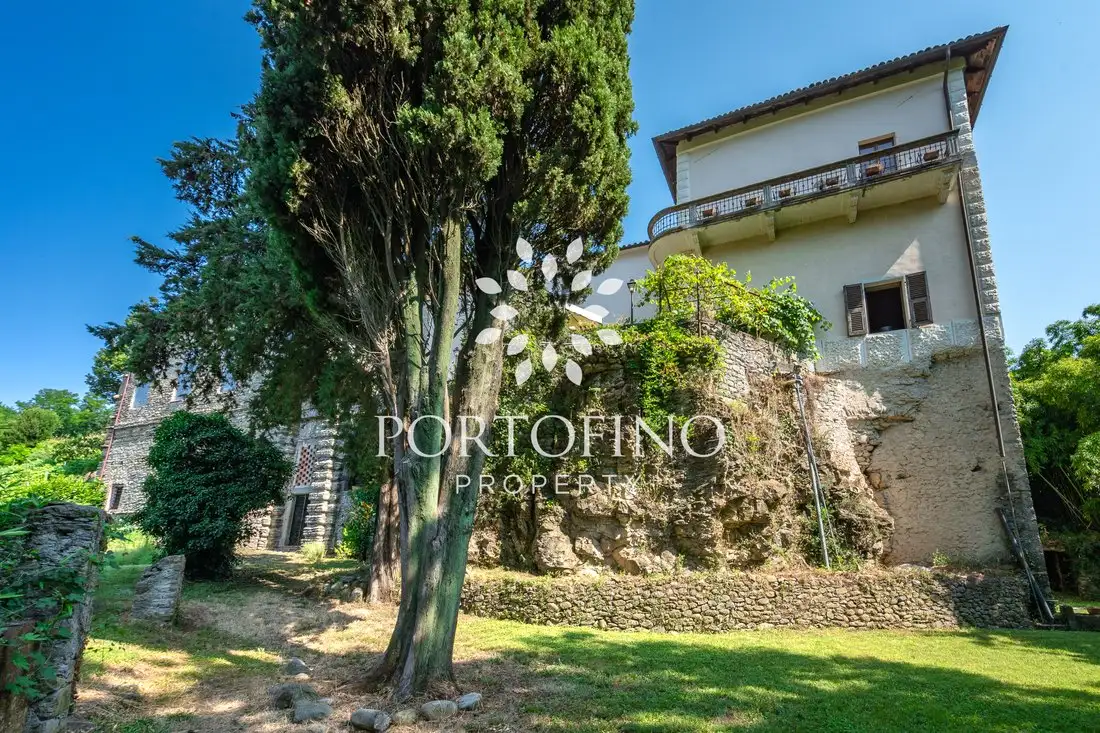
This magnificent estate, originally built as a castle by the Malaspina family, consists of two buildings, with a total of over 600 square meters of interior space.
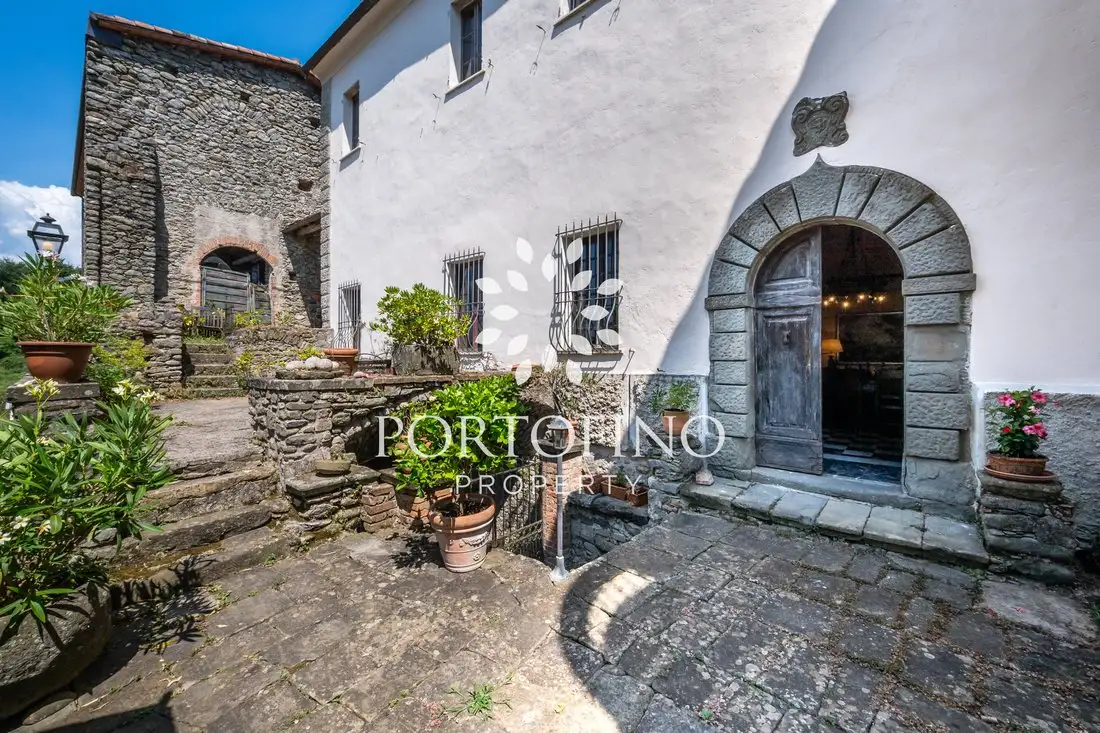
The main entrance is accessed by a short flight of stairs or through a driveway that leads directly to the garage.
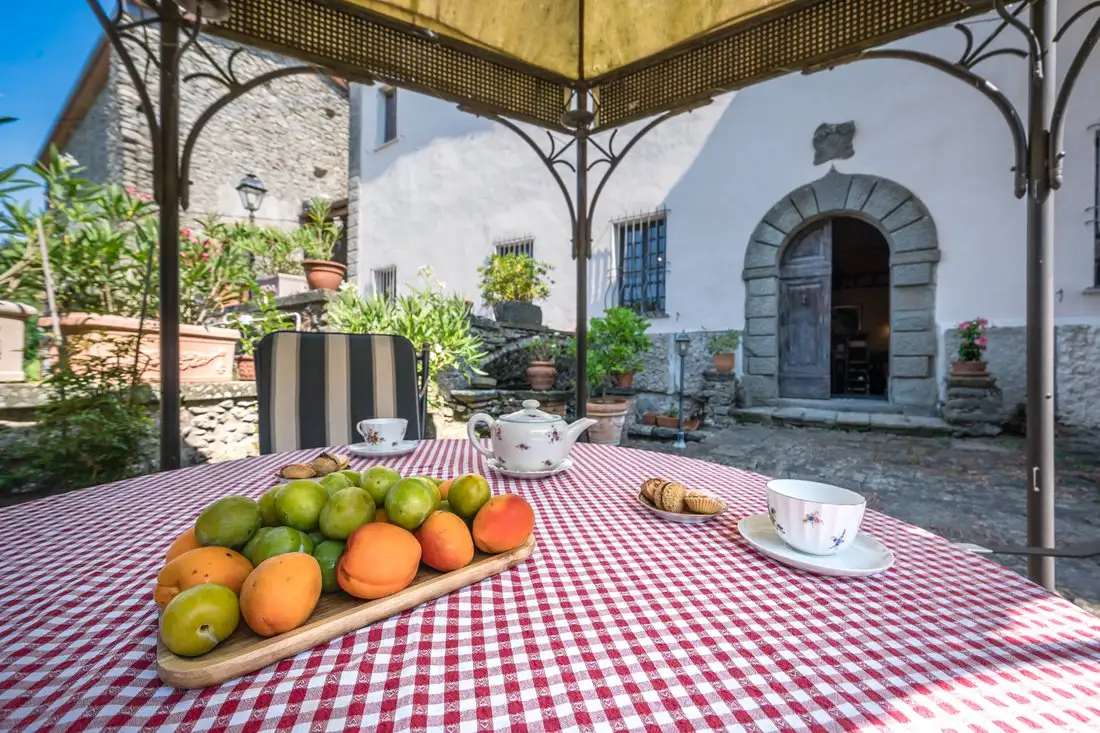
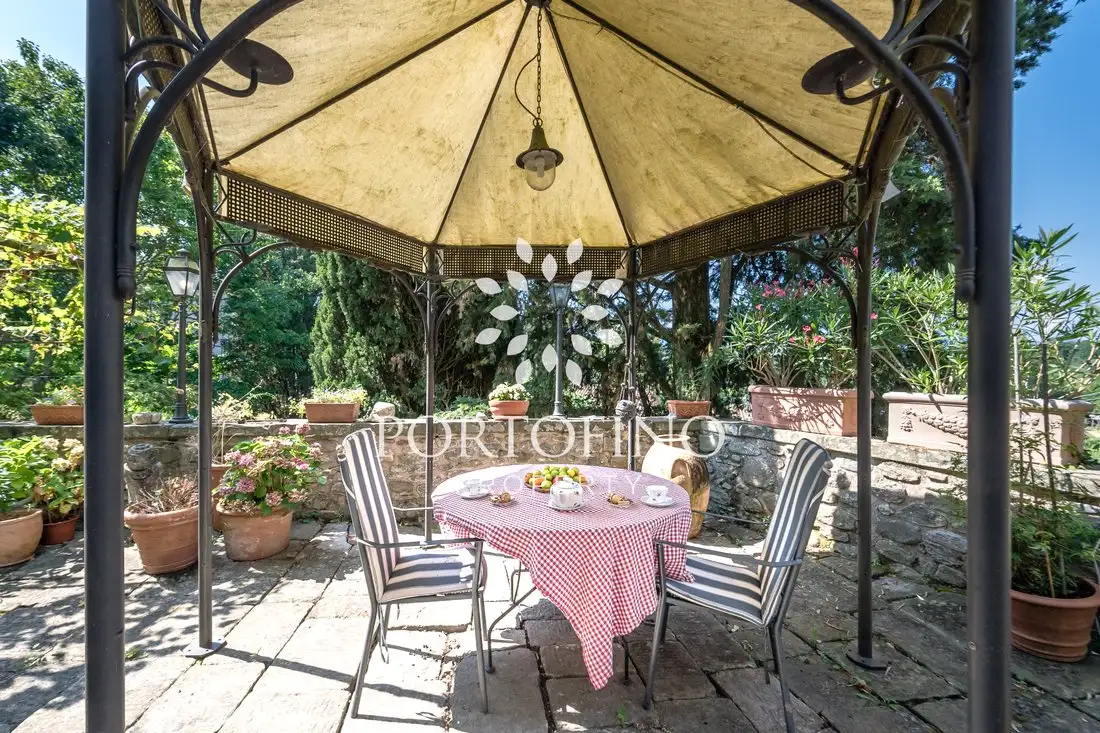
The property’s outdoor space is a tranquil oasis, surrounded by nature. It offers a harmonious blend of sunny open areas and shaded spaces perfect for relaxation.
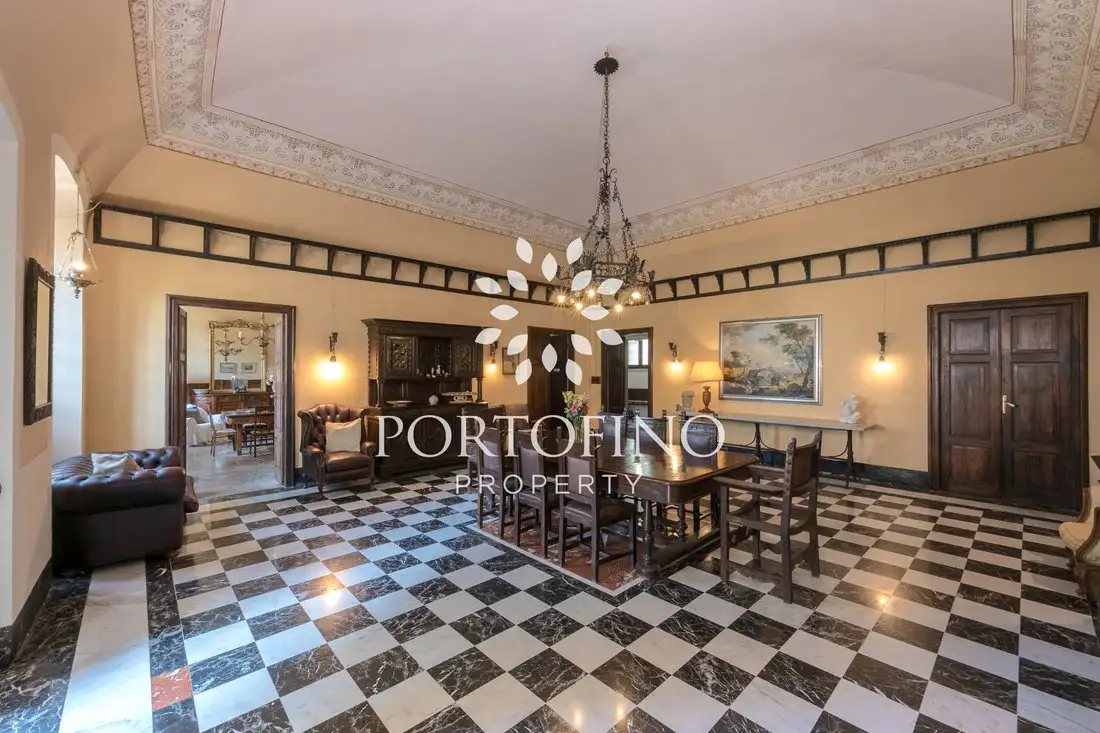
Recently restored, the estate retains much of its original architectural splendor. Many historic elements, such as the doors, intricate carvings, coats of arms, and unique details, are preserved, offering a rare glimpse into its past.
The first building features an entrance through a charming ancient chapel, now serving as an atrium, with a bathroom on the ground floor. The spacious reception hall opens onto a sun-drenched terrace that overlooks the lush garden, which could easily accommodate a pool if desired. The main hall flows into two additional living and reading rooms, each with a fireplace, elegant flooring, and original furnishings. These areas connect with the kitchen, which preserves its antique charm with a marble sink and period utensils. The kitchen is divided into two sections: the main kitchen and a scullery located in the old tower. In a separate room, you will find the original 16th-century stone kitchen, along with an additional laundry area. An internal staircase leads to the upper floor.
The second floor hosts six beautifully appointed bedrooms, each retaining original floors and many fine details. Two of the bedrooms feature en-suite bathrooms with both a bath and a shower, while a separate family bathroom is also available. One of the bedrooms has been designed with the potential to be converted into an additional bathroom. The master bedroom boasts high frescoed ceilings and opens onto a balcony that spans half of the building.
Adjacent to the main house, the second building spans two floors, with soaring 10-meter-high ceilings and four large windows offering stunning views of the Taverone River and the Apennine mountains.
The history’s estate is impressive: it belonged to the Malaspina Family, who wielded significant power in northern Italy during the Middle Ages. Strategically located in the Apennines, their lands controlled key trade routes connecting the Ligurian and Tuscan ports to northern Italian cities, which contributed to the family’s wealth and influence.
In 1619, the property was redesigned by the Malaspina family of Pontebosio and transformed into the ”Palazzo del Poderetto” to host meetings and congresses with feudal lords and representatives from Rome. This transformation laid the foundations for the present structure.
The Malaspina of Pontebosio became the sovereign branch in 1631, receiving official imperial investiture in 1639. Throughout the centuries, the mansion has housed numerous distinguished figures, including the Marquises of Podenzana, local notaries, and important civil and ecclesiastical personalities from Podenzana and Aulla.
Rich in history and beauty, Lunigiana is a picturesque region located at the confluence of the Magra River, between Liguria and Tuscany. The name comes from the ancient Roman city of Luni, near modern-day Sarzana. Surrounded by the Tuscan-Emilian Apennines and the Apuan Alps, this area has always been a strategic borderland, full of ancient settlements with a unique character. The region still exudes medieval charm, with castles such as those of the Malaspina family, and the imposing fortress of Fosdinovo.
Ideal for hikers and nature lovers, Lunigiana offers a wealth of trails and mule tracks, leading to breathtaking landscapes and lush green valleys. The region is also famous for its culinary traditions. The beautiful beaches of Lerici are just a half-hour drive away, making this location a perfect blend of history, nature, and allowing to live the best of both sea and countryside.
The main entrance is accessed by a short flight of stairs or through a driveway that leads directly to the garage.
The property’s outdoor space is a tranquil oasis, surrounded by nature. It offers a harmonious blend of sunny open areas and shaded spaces perfect for relaxation.
Recently restored, the estate retains much of its original architectural splendor. Many historic elements, such as the doors, intricate carvings, coats of arms, and unique details, are preserved, offering a rare glimpse into its past.
The first building features an entrance through a charming ancient chapel, now serving as an atrium, with a bathroom on the ground floor. The spacious reception hall opens onto a sun-drenched terrace that overlooks the lush garden, which could easily accommodate a pool if desired. The main hall flows into two additional living and reading rooms, each with a fireplace, elegant flooring, and original furnishings. These areas connect with the kitchen, which preserves its antique charm with a marble sink and period utensils. The kitchen is divided into two sections: the main kitchen and a scullery located in the old tower. In a separate room, you will find the original 16th-century stone kitchen, along with an additional laundry area. An internal staircase leads to the upper floor.
The second floor hosts six beautifully appointed bedrooms, each retaining original floors and many fine details. Two of the bedrooms feature en-suite bathrooms with both a bath and a shower, while a separate family bathroom is also available. One of the bedrooms has been designed with the potential to be converted into an additional bathroom. The master bedroom boasts high frescoed ceilings and opens onto a balcony that spans half of the building.
Adjacent to the main house, the second building spans two floors, with soaring 10-meter-high ceilings and four large windows offering stunning views of the Taverone River and the Apennine mountains.
The history’s estate is impressive: it belonged to the Malaspina Family, who wielded significant power in northern Italy during the Middle Ages. Strategically located in the Apennines, their lands controlled key trade routes connecting the Ligurian and Tuscan ports to northern Italian cities, which contributed to the family’s wealth and influence.
In 1619, the property was redesigned by the Malaspina family of Pontebosio and transformed into the ”Palazzo del Poderetto” to host meetings and congresses with feudal lords and representatives from Rome. This transformation laid the foundations for the present structure.
The Malaspina of Pontebosio became the sovereign branch in 1631, receiving official imperial investiture in 1639. Throughout the centuries, the mansion has housed numerous distinguished figures, including the Marquises of Podenzana, local notaries, and important civil and ecclesiastical personalities from Podenzana and Aulla.
Rich in history and beauty, Lunigiana is a picturesque region located at the confluence of the Magra River, between Liguria and Tuscany. The name comes from the ancient Roman city of Luni, near modern-day Sarzana. Surrounded by the Tuscan-Emilian Apennines and the Apuan Alps, this area has always been a strategic borderland, full of ancient settlements with a unique character. The region still exudes medieval charm, with castles such as those of the Malaspina family, and the imposing fortress of Fosdinovo.
Ideal for hikers and nature lovers, Lunigiana offers a wealth of trails and mule tracks, leading to breathtaking landscapes and lush green valleys. The region is also famous for its culinary traditions. The beautiful beaches of Lerici are just a half-hour drive away, making this location a perfect blend of history, nature, and allowing to live the best of both sea and countryside.
Services and facilities
 Balcony or terrace
Garden
Garage/parking
Balcony or terrace
Garden
Garage/parking
Additional details
Property type
Elite
Object type
Castle
Price
888 652 $
Land area
1300
Characteristics
Balcony or terrace
Garden
Garage/parking
Sea View
FAQ
In Italy a residence permit is typically issued based on a minimum investment threshold. Applications are reviewed within 30–60 days in Pontebosio; you will need a passport, proof of funds, and the ownership documents. Hatamatata helps prepare and submit the paperwork.
Banks in Italy finance 50–70% of the property value for non-residents with rates of 3–5% for 20–30 years. A life insurance policy and a 30–40% down payment are usually required. Terms and programs vary by city and bank.
Expected expenses: transfer tax 0–15%, registration 0.5–2%, notary 0.5–1.5%, agent commission 0–3%. In total 2–20% on top of the purchase price. Exact rates depend on region, property type and programs.
A title search at the land registry of Italy takes 10–15 business days. You receive ownership, encumbrance and tax clearance certificates. Documents are translated and reviewed by a lawyer before signing.
Yes. Rental income tax is 5–25% depending on the regime. In Pontebosio short-term tourist rentals typically yield 5–8% per year. Municipal permission and income registration are usually required.
Yes. An inspection costs about 0.5–1% of the price (888 652 $) and covers structure, utilities and legal status. Hatamatata arranges a qualified engineer with an EN/RU report.
A typical transaction runs 30–90 days, averaging 45 in Pontebosio: due diligence (10–15 days), notarization (5–7 days), registration (10–14 days), residence permit (30–60 days, if needed).
Related sections

Buy house in Siena 616 274 $


439
A fantastic portico, ideal for enjoying lunches and dinners with family and friends, welcomes us and leads into this property,...
Buy house in Siena 1 232 549 $
 3
3
 3
3
552
In the heart of the Tuscan countryside, in the Montepulciano area, lies Luteraia, an operational winery representing an attractive opportunity...
Our managers will help you choose a property

Liliya
International Real Estate Consultant