


House in Serbia


- 🔸 Reliable new buildings and ready-made apartments
- 🔸 Without commissions and intermediaries
- 🔸 Online display and remote transaction

International Real Estate Consultant
Leave a request and our manager will contact you.
International Real Estate Consultant
 Valeriy Tarenko, International Real Estate Investment Expert
Updated:
Valeriy Tarenko, International Real Estate Investment Expert
Updated:

Weather in Serbia
For Sale house in Serbia
10 listings

 3
3
 2
2
 135
135
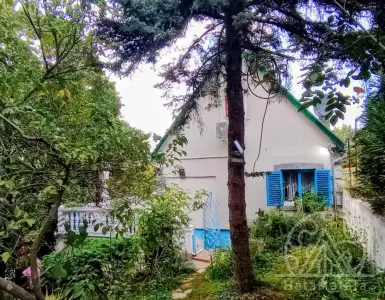
The house is located in the village of Baraevo (Trebezh) in the suburbs of Belgrade, 24 km from the center...
Submit Request
 3
2
320
3
2
320
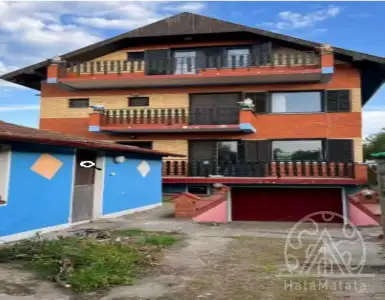
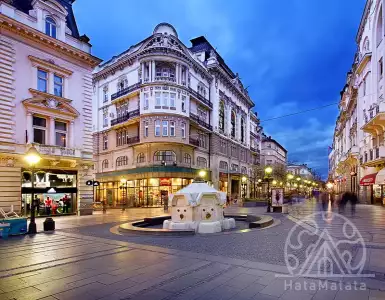
Great family three-storey house in Vojvodina under the residence permit Location - Serbia, Vojvodina, Bachka Topola, A beautiful large three-storey house...
Submit Request



 1
70
1
70
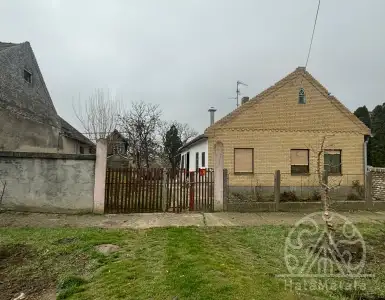
Family one-storey house in Vojvodina at a democratic price Location - Serbia, Vojvodina, Bačka Topol Rural house with a backyard plot, Excellent for...
Submit Request
 5
750
5
750
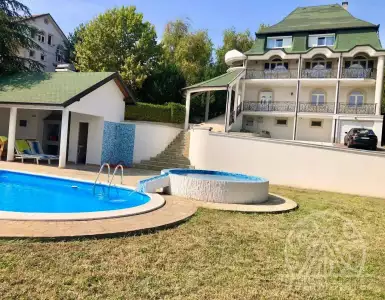
For sale luxury house in Serbia, the city of Novi Sad! The ideal offer for a large family or those who...
Submit Request
 4
2
130
4
2
130
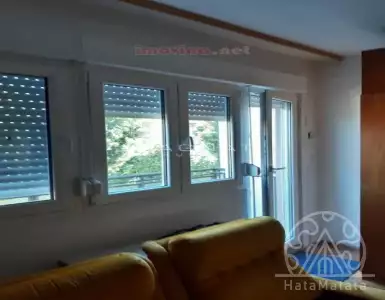
We sell part of the house in a beautiful and quiet area of Vojdovac near the shopping center Stadion. The...
Submit Request
 4
2
125
4
2
125
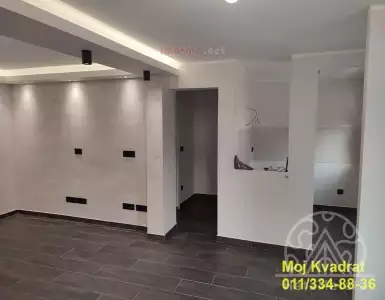
Zvezdara, Mali mokri lug - Partizanska kuća, 125m2, PR+PTK, EG, telephone, intercom, basement, parking, electricity, water, sewerage, asphalt, plot 2...
Submit Request

Recommended to see
 10
1860
10
1860
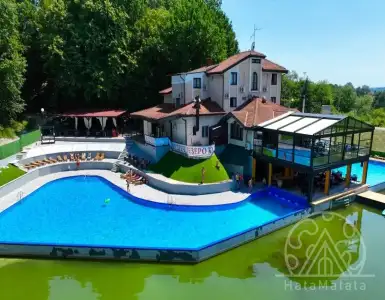
A Beautiful Lakeside Property in SerbiaPrice: €1,400,000 A beautiful hotel located directly on Lake Kudreč in Smederevska Palanka, Serbia, surrounded by...
Submit Request
 1
44
1
44
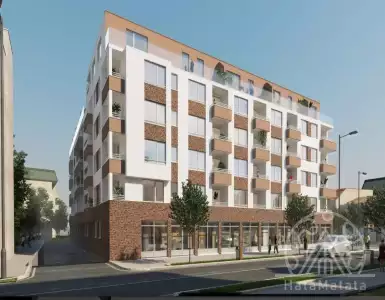
The new residential complex Zemun Vista on Tsar Dushan.Price from 2450 euro/m2 Earth parking, central heating, air conditioning.Story 2P0+P+4+Ps Construction period To the...
Submit Request
 1
1
37
1
1
37
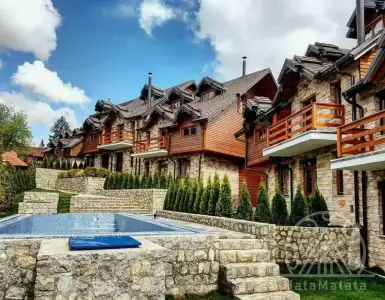
New compact apartment near the center of Zlatibor Zlatibor is a beautiful place in Serbia, suitable for living or tourism. The...
Submit Request
 3
3
104
3
3
104
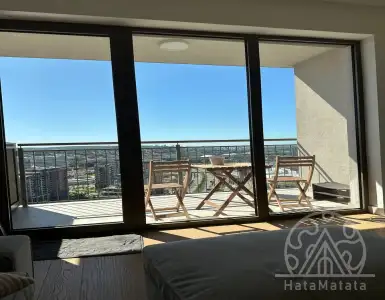
We offer to your attention a spacious, bright penthouse (four-room apartment) with a total area of 104 m2, located on...
Submit Request
 2
2
73
2
2
73
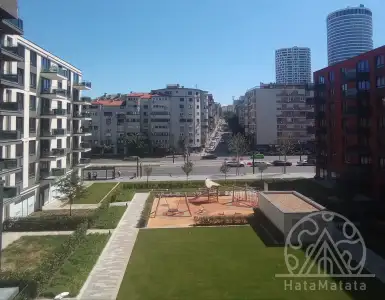
The new apartment with a total area of 73.8 m2 is located on the 4th floor of the modern building...
Submit Request
 3
1
111
3
1
111
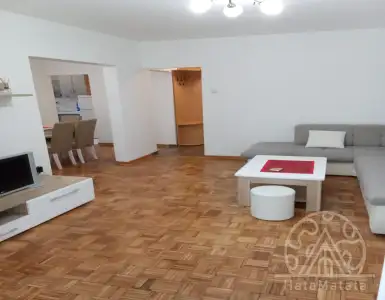
Prodaja 4.0 stan Čelebonovića Bežanijska Kosa Novi Beograd rampa za invalidska kolica pogled na park ogromna terasa staklena zimska kuća...
Submit Request
 9200
9200
Land Sale / Location in the cadastral municipality of Stanišinci, Serbia It consists of two cadastral parcels: KP 1918/5, area: 68 ares...
Submit Request
 2
1
84
2
1
84
Selling 4.0 flat Čelebonovića Bežanijska Kosa Novi Beograd wheelchair ramp park view huge terrace glass winter house renovated furnished tenanted...
Submit Request
 3
2
110
3
2
110
flat.sale.bezanijska.kosa@gmail.com 003816546435963 Selling 4.0 flat Čelebonovića Bežanijska Kosa Novi Beograd wheelchair ramp park view huge terrace glass winter house renovated...
Submit Request
 1
28
1
28
We offer a furnished apartment of 27.58 m2 in the residential building VB Residences in Vrnjačka Banja. The apartment is...
Submit Request
 1
28
1
28
We offer a furnished apartment of 27.58 m2 in the residential building VB Residences in Vrnjačka Banja. The apartment is...
Submit Request
 28
28
Located in beautiful neighborhood ,, Heaven ,, in most visited spa city - Vrnjačka Banja, our residential building VB Residences...
Submit Request
House in Serbia
- 🔸 Reliable new buildings and ready-made apartments
- 🔸 Without commissions and intermediaries
- 🔸 Online display and remote transaction
International Real Estate Consultant
Leave a request and our manager will contact you.
International Real Estate Consultant
Individual selection houses in Serbia
Save time — for free we will select objects for your budget and goals
 Legal review:
Deni Gerikhanov, International Real Estate Lawyer
Legal review:
Deni Gerikhanov, International Real Estate Lawyer
 Financial review:
Evgeniya Skripko, Financial Expert in International Real Estate
Reviewed:
Financial review:
Evgeniya Skripko, Financial Expert in International Real Estate
Reviewed:
🇷🇸 Serbia residential property purchase: prices, ownership rules and regional trends
Serbia combines Central-European connectivity, low cost base and growing urban demand to create a practical market for buyers and investors considering where to buy House in Serbia. Buyers choose Serbia for its strong transport corridors, expanding IT and manufacturing hubs, lively tourism in mountains and spa towns, and a variety of housing formats from urban villas in Belgrade to mountain chalets in Zlatibor. This text explains how geography, economy, prices, developers, finance, legal steps and use cases shape opportunities for anyone who wants to buy house in Serbia, whether as a primary residence, seasonal home, rental asset or portfolio acquisition.
🗺️ Geography, climate, infrastructure and demand patterns in Serbia
Serbia sits at the crossroads of Central and Southeast Europe with the Sava and Danube rivers, linking Belgrade to inland Europe by river transport and logistics, and road corridors E75 and E70 connecting Belgrade to Novi Sad, Niš and Budapest. Urban micro-locations such as New Belgrade, Vračar, Dedinje and Zemun have strong demand for villas and townhouses because of proximity to offices, schools and airports. Coastal-style demand is replaced by riverfront and lakefront demand along Ada Ciganlija, Sava embankment and the Danube quay in Novi Sad and Belgrade.
Climate across Serbia varies from continental in the north (Vojvodina) to mountainous in Zlatibor and Kopaonik, creating year-round appeal: summer family homes on Fruska Gora and winter chalets in Kopaonik. Transport infrastructure improvements such as the Belgrade bypass, expansion of Nikola Tesla Airport (BEG) terminals and modernization of rail corridors increase liquidity, attracting buyers focused on connectivity. Infrastructure quality is a direct driver of price appreciation in commuter belts within 20–40 minutes of Belgrade and Novi Sad.
Demand patterns split into: urban family villas near schools and hospitals; holiday houses in Zlatibor, Tara and Kopaonik with short-term rental seasons; and suburban infill plots for custom builds. Typical buyer priorities are access to highways, international airport, top hospitals, and proximity to major employers such as IT clusters in Novi Sad and finance hubs in Belgrade.
💼 Economy and investment climate in Serbia and effects on the house market
Serbia’s economy is characterized by a manufacturing base, an expanding ICT sector and export-orientated FDI. GDP growth is driven by industry, software services and logistics; corporate tax is competitive at 15%, and standard VAT is 20%, creating an attractive base for investors. Tourism inflows spike in mountain resorts and festivals in Belgrade and Novi Sad, sustaining seasonal rental markets and making an investment house in Serbia attractive for short-term lets.
Foreign direct investment and infrastructure projects such as Belgrade Waterfront and corridor upgrades have supported real estate transaction volumes and liquidity in the mid-urban segments. Rental demand from expatriates, diplomats and students sustains yields in central neighborhoods, while domestic migration to Belgrade and Novi Sad supports long-term housing demand. Fiscal stability and predictable tax regime improve ROI on house in Serbia for institutional buyers and private investors.
Key economic points:
- Corporate tax: 15%, VAT 20% standard.
- Foreign banks active: Banca Intesa, UniCredit, Raiffeisen, Erste, Societe Generale support financing and transfers.
- Tourist hotspots: Zlatibor, Kopaonik, Belgrade waterfront, Novi Sad during EXIT festival.
💶 How much House costs in Serbia and market segments
Prices vary widely by city, micro-location, plot size and finish. Typical price bands for detached houses and villas expressed in US dollars:
- Belgrade (central & Dedinje/Vračar): $300,000–$3,000,000 for renovated villas or new luxury houses; 150–800+ m2.
- Belgrade suburbs & Zemun/New Belgrade: $150,000–$900,000 for family houses 90–350 m2.
- Novi Sad (city & Petrovaradin): $120,000–$1,200,000 for single-family houses and modern villas.
- Niš and regional cities: $50,000–$400,000 for houses 60–250 m2.
- Zlatibor, Kopaonik, Tara (holiday houses): $80,000–$650,000 for chalets and mountain villas.
- Vojvodina rural properties (salaš and farmhouses): $20,000–$200,000 depending on land and renovation.
Property formats and typical sizes:
- Detached family houses: 80–350 m2.
- Luxury villas and mansions: 250–1,000+ m2.
- Mountain chalets and holiday cottages: 50–200 m2.
- Farmhouses with land: plot sizes 500 m2–several hectares.
Market dynamics show rising interest in renovated turnkey houses in commuter zones and premium riverfront properties in Belgrade and Novi Sad, while remote rural houses remain affordable with slower turnover.
📍 Which region of Serbia to choose for buying house and location logic
Choice depends on purpose: living, rental or investment. Key locations and their appeals:
- Belgrade (New Belgrade, Dedinje, Senjak, Vračar): best for capital appreciation, rental demand from expats and executives, proximity to international schools and hospitals; prices highest.
- Novi Sad and Petrovaradin: strong for families and IT professionals, railway and highway links to Budapest; growing rental market.
- Zlatibor and Kopaonik: holiday rentals and seasonal ROI with peak occupancy in winter and summer months.
- Niš and regional centers: affordability and logistical access via Corridor X; opportunities for value buys and local rentals.
- Vojvodina (Subotica, Sremski Karlovci): historical houses, vineyards and agricultural estates attractive to buyers seeking land and quiet lifestyle.
Transport and infrastructure notes by region:
- Belgrade: highways E75/E70, BEG airport, BG Voz and tram networks.
- Novi Sad: E75 access, river commute on the Danube, expanding IT parks.
- Zlatibor/Kopaonik: regional roads, ski resorts, season-driven tourism infrastructure.
🏗️ Leading developers and projects offering house in Serbia
Developers active in residential and mixed-use segments include:
- Eagle Hills / Belgrade Waterfront: flagship riverfront redevelopment offering high-end townhouses and villa-like residences along the Sava.
- MPC Properties: projects such as West 65 and multi-block developments in New Belgrade and surrounding neighborhoods delivering modern layouts.
- AFI Europe Serbia: urban residential and mixed-use schemes with apartments and townhouses close to infrastructure nodes.
- Delta Real Estate / Delta Holding: large mixed projects and commercial-to-residential conversions in prime city locations.
- Galens Development: regional residential and resort projects, smaller-scale villas and holiday houses in mountain and lakeside areas.
Developer advantages:
- Established brands provide completion guarantees, warranty periods, and developer installment plans.
- Large projects such as Belgrade Waterfront improve surrounding infrastructure and long-term value.
- Local boutique developers focus on custom houses and rural restorations.
🏦 Mortgage Serbia for foreigners, financing and installment specifics
Foreign buyers can access finance through local banks and developer plans with differing terms. Typical conditions observed:
- Down payments for foreigners commonly 30–40% of purchase price; in some cases 20% with strong documentation.
- Interest rates vary by currency and loan structure, typical floating or fixed ranges 4–7% depending on bank and credit profile.
- Loan terms up to 20–25 years for primary residential purchases, shorter terms for non-residents.
- Banks offering programs: Banca Intesa, UniCredit, Raiffeisen Bank, Erste Bank, Societe Generale.
Developer financing and buyer options:
- house in Serbia with mortgage arrangements possible through bank partnership when buying new-builds.
- house in Serbia with installment plan commonly offered by developers: 12–48 month plans with staged payments and 10–30% initial deposit.
- For foreign investors, documentation usually includes passport, proof of income, bank statements and sometimes a Serbian taxpayer number (PIB).
✍️ Legal process to buy house in Serbia and transaction steps
The Legal process to buy house in Serbia follows a structured set of checks and registrations:
- Due diligence: cadastral title check, encumbrances, building permits and utility status; this step avoids post-closing disputes.
- Preliminary contract with deposit (often 5–20%), then notarized final sales contract signed before a public notary; notary prepares the transfer deed and verifies IDs.
- Payment and tax settlement: payment schedule agreed with seller or developer; transfer tax or VAT applied depending on new or resale status; house purchase costs in Serbia typically include notary fees, cadastral registration fees and stamp duties.
Detailed steps and timelines:
- Title search and clearance: 1–2 weeks.
- Signing of pre-contract and due diligence: 2–6 weeks.
- Notary signing and registration at the Immovable Property Cadastre: registration completed within 1–2 weeks after submission depending on workload.
- Total time from offer to registration for completed houses commonly 4–12 weeks; off-plan purchases follow developer schedule.
📜 Property taxes and legal ownership rules in Serbia for foreigners
Ownership and taxation basics relevant to international buyers:
- Foreign nationals can normally purchase residential property; restrictions exist for agricultural land and certain plots which may require approvals or reciprocity conditions.
- Property taxes in Serbia for foreigners are municipal and relatively low; additional obligations include annual property tax and utilities. Capital gains and income from rentals are subject to national tax rules.
- Renting out property is allowed; short-term rental regulation varies by municipality and requires registration for commercial activity and VAT considerations when thresholds are exceeded.
Tax and compliance highlights:
- Municipal property tax rates vary by locality; expect administrative fees, utilities and occasional community charges.
- Purchase-related taxes are typically transfer tax or VAT depending on new or secondary market; buyers should budget for notary and registration fees in addition to purchase price.
- Buying property does not automatically grant a fast-track Golden visa through house investment in Serbia or automatic citizenship; ownership can support applications for temporary residence, but Residence permit through house investment in Serbia follows standard immigration procedures and does not replace visa requirements.
🔁 Which buyers should consider buying house in Serbia and recommended locations
Different buyer goals match specific regions and property types:
- Living and relocation: Families and professionals relocating to Belgrade and Novi Sad seek 3–5 bedroom houses in New Belgrade, Vračar or Petrovaradin for school and commute convenience.
- Seasonal residence and holiday rental: Investors targeting short-term income prefer Zlatibor, Kopaonik and Tara chalets with high peak-season occupancy and established tourist amenities.
- Long-term rental and yield-focused investors: Mid-city houses and renovated villas in Belgrade suburban zones deliver stable tenant demand from expats and corporate assignees; expected rental yield for house in Serbia typically 3–6% in urban cores and 6–10% in tourist hotspots, depending on management and occupancy.
- Premium investment and capital appreciation: Riverfront houses in Belgrade Waterfront and luxury villas in Dedinje offer asset value growth and prestige.
Practical purchase scenarios:
- Buy house as a foreigner in Serbia with bank financing for a commuter villa near New Belgrade.
- Acquire an investment house in Serbia for holiday rentals in Zlatibor using developer installment plans and local property management.
- Family relocation: choose Novi Sad or Vračar for schools, parks and lower traffic.
Serbia’s market offers a rare combination of affordable entry prices, reachable yields in tourism-focused areas, and growing liquidity in urban corridors. For buyers and investors the timing hinges on micro-location, developer credibility and careful legal and tax planning to maximize ROI on house in Serbia and manage operational costs.
Frequently Asked Questions
What are house prices in Serbia?
Countrywide house prices vary by location: rural houses often €10,000–€60,000; houses in regional towns €40,000–€200,000; larger cities €100,000–€600,000; prime Belgrade properties can exceed €250,000–€1,500,000. As a benchmark, urban apartment prices commonly range €800–2,500/m². Prices depend on condition, land, and location.
What taxes and fees apply when buying a house in Serbia?
Costs include VAT (20%) on many new builds or a transfer tax commonly around 2.5% on resales, notary and cadastral registration fees, and legal or agent fees. Expect one-off administrative fees of €200–€1,200 and professional fees typically 0.5–3% of price. Municipal charges vary by locality in Serbia.
How can a foreigner get a mortgage for a house in Serbia?
Some Serbian banks lend to foreigners. Typical requirements: local bank account, proof of income, property valuation and collateral. Down payments are commonly 20–40%. Loans can be in EUR or local RSD, terms up to 20–30 years and rates vary by lender and borrower profile. Conditions differ by bank and nationality.
What checks should I do before buying a house in Serbia?
Do a cadastral title search, verify seller identity and ownership, check for liens or debts, confirm building permits and planning, inspect utilities and connection status, get a structural survey and energy/utility readings, and request municipal debt clearance. Use a lawyer to lodge documents with the Serbian cadastre.
What ownership rules apply to buying a house in Serbia?
Residential property purchases are generally available to foreigners in Serbia. Restrictions often apply to agricultural land, forests or protected zones and may require permits or reciprocity. Ownership is recorded at the public cadastre; title registration is essential to secure rights and verify encumbrances.
What residence options exist for foreign buyers in Serbia?
Serbia offers temporary residence permits (work, study, family reunification, business) and permanent residence after continuous legal stay (commonly several years). Buying a house does not automatically grant residency, though proof of accommodation can support applications. Visa rules on entry depend on your nationality.
How is living in Serbia for new residents?
Serbia offers affordable living, varied infrastructure and public transport in cities, public and private healthcare, and international and local schools in major towns. Monthly living costs vary: single-person basic costs ~€300–€700 (excl. rent); city-center rents often €300–€700. Cities have good internet, making Serbia suitable for many digital nomads and remote workers.
How long does property registration take in Serbia?
Once paperwork is complete, cadastral registration typically takes 1–4 weeks, but timing depends on local office workload and document accuracy. Registration must be filed with the Serbian cadastre to transfer title; missing or incorrect documents will delay the process and may incur extra fees.
What ongoing costs come with owning a house in Serbia?
Ongoing costs include local property tax and municipal communal fees (vary by municipality), utilities (€50–€200/month depending on consumption), routine maintenance and repairs, and optional insurance. Expect annual local charges and maintenance budgets; exact amounts depend on house size, age and location in Serbia.
Can I rent my house in Serbia short-term to tourists?
Short-term tourist rentals are allowed but require local registration, compliance with municipal rules and payment of income tax and any tourist levies. Hosts must declare rental income on tax returns; VAT or business registration can apply for commercial operators. Check local municipality rules in Serbia before listing.
Real estate types in Serbia
Real estate types by regions of Serbia
Properties by Region
Properties by Country
- Real estate in Bulgaria (11416)
- Real estate in Montenegro (5347)
- Real estate in Spain (5198)
- Real estate in Indonesia (2424)
- Real estate in Turkey (2318)
- Real estate in Portugal (2037)
- Real estate in Croatia (1682)
- Real estate in Cyprus (1622)
- Real estate in Italy (1577)
- Real estate in Thailand (1565)
- Real estate in Greece (1120)
- Real estate in France (1070)
- Real estate in USA (732)
- Real estate in Georgia (507)
- Real estate in Serbia (247)
- Real estate in Slovenia (125)
- Real estate in Egypt (20)
Don't know where to start buying a property in Serbia?
Leave a request and receive free advice on prices, taxes, residence permits and the real estate market. in Serbia.

Maria Guven
Head of Direct Sales Department
+90-507-705-8082