


House in Slovenia


Choosing a property in Slovenia for your request
- 🔸 Reliable new buildings and ready-made apartments
- 🔸 Without commissions and intermediaries
- 🔸 Online display and remote transaction
Our managers will help you choose a property

Liliya
International Real Estate Consultant
Need help choosing a property?
Leave a request and our manager will contact you.
Our managers will help you choose a property
Liliya
International Real Estate Consultant

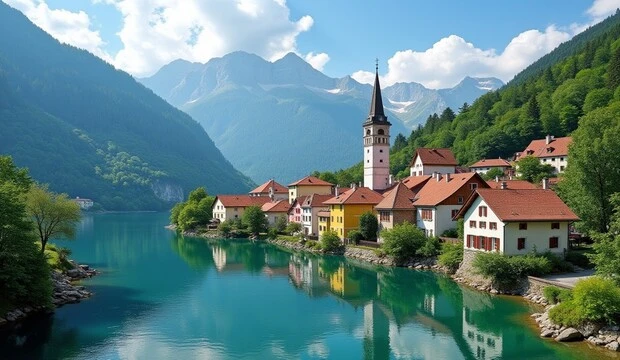
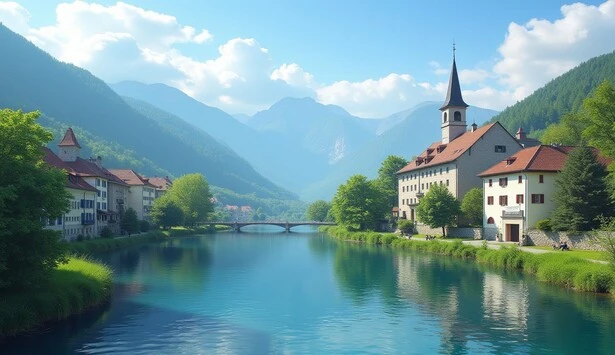
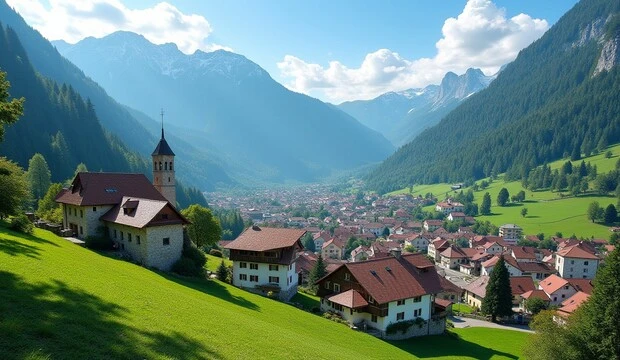
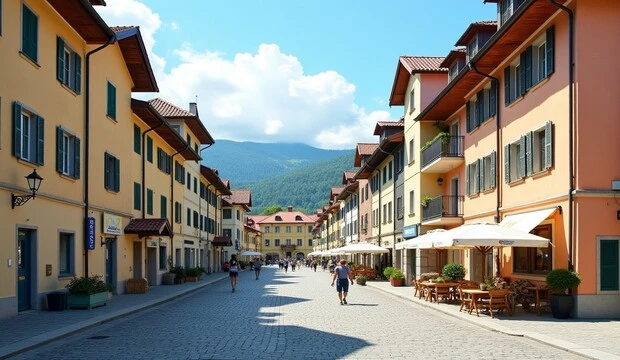
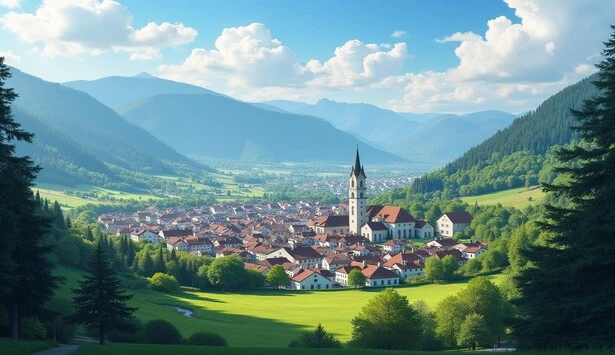
Weather in Slovenia
For Sale house in Slovenia
Houses in Central Slovenia
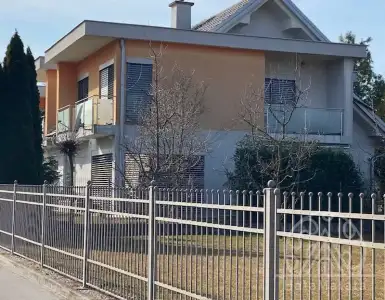

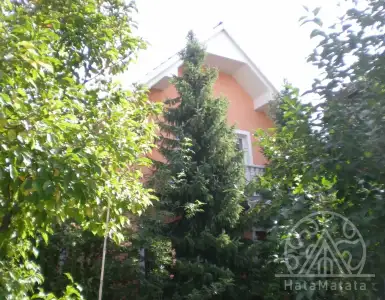
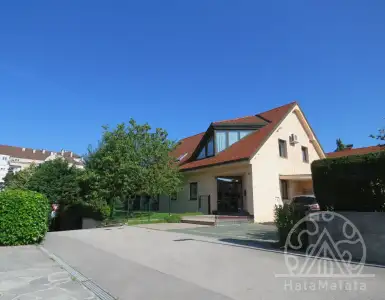
Houses in Obalno-Kraška
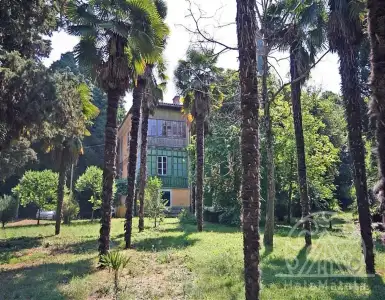
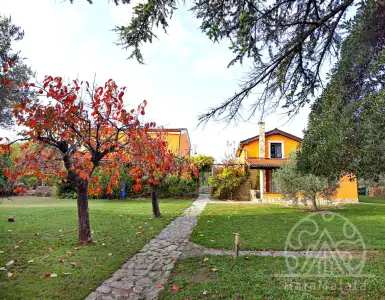
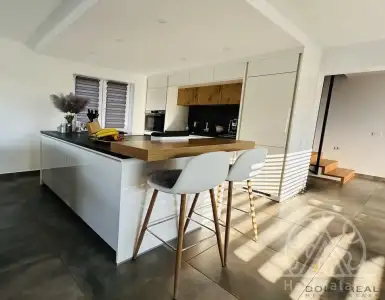
Choosing a property in Slovenia for your request
- 🔸 Reliable new buildings and ready-made apartments
- 🔸 Without commissions and intermediaries
- 🔸 Online display and remote transaction
Our managers will help you choose a property
Liliya
International Real Estate Consultant
Houses in Gorenjska
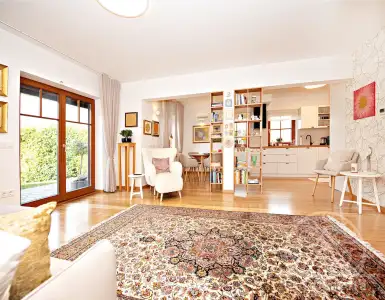
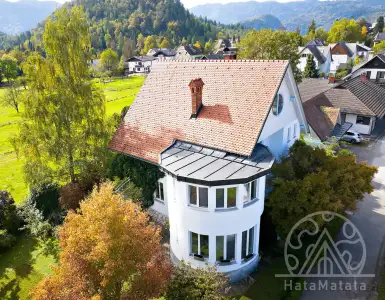
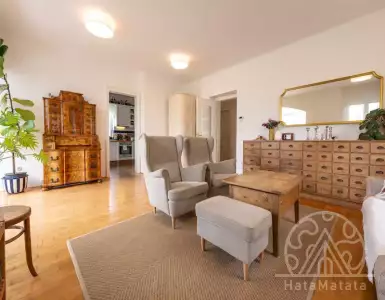


House in Slovenia
Choosing a property in Slovenia for your request
- 🔸 Reliable new buildings and ready-made apartments
- 🔸 Without commissions and intermediaries
- 🔸 Online display and remote transaction
Our managers will help you choose a property
Liliya
International Real Estate Consultant
Need help choosing a property?
Leave a request and our manager will contact you.
Our managers will help you choose a property
Liliya
International Real Estate Consultant
Individual selection houses in Slovenia
Save time — for free we will select objects for your budget and goals
🇸🇮 Property ownership in Slovenia: legal steps, costs and regional price trends
Slovenia combines Alpine peaks, a short Adriatic coastline and efficient Central European infrastructure, creating a stable real estate market attractive to private buyers and investors alike. Its compact geography means major transport hubs such as Ljubljana Jože Pučnik Airport (Brnik), the A1 motorway, and the Port of Koper link mountain, urban and coastal areas within hours, shaping demand patterns for single houses, holiday villas and investment properties. Coastal towns like Piran, Portorož and Koper see strong seasonal tourism and higher prices, Alpine resorts around Bled and the Soča Valley command premium for holiday houses, while Ljubljana suburbs and regional centres such as Maribor, Celje and Novo Mesto offer more affordable family homes with year-round rental potential.
🗺️ How Slovenia’s geography and infrastructure shape demand for House in Slovenia
Slovenia’s mix of mountains, plains and coast concentrates demand for different house types: detached family houses in suburbs of Ljubljana and Maribor, holiday villas on the coast and luxury chalets in the Julian Alps and Karavanke range. Easy access to Brnik airport, the Port of Koper for freight, and cross-border corridors to Austria and Italy increases appeal for buyers seeking both lifestyle and logistical convenience.
Infrastructure projects, municipal investments in rail and road upgrades and tourism development in spa areas like Terme Čatež and Terme Olimia translate into pockets of rising prices and tighter liquidity.
Buyers prioritize proximity to schools and hospitals in urban locations and to marinas and promenades on the coast; these locational premiums directly influence where one chooses to Buy house in Slovenia.
📈 Economic drivers and investment climate for House in Slovenia
Slovenia’s economy is export-oriented with a diversified industrial base and steady GDP growth patterns supported by tourism receipts and cross-border commerce; these fundamentals underpin residential demand and the ROI on house in Slovenia.
Corporate presence in Ljubljana’s business districts and logistics around Koper maintains demand for mid-market houses and rentals for expatriate professionals, while tourism flows to Bled and the coast sustain short-term rental markets.
Taxation and regulation are moderate: Property taxes and purchase costs in Slovenia include transfer taxes, VAT on new builds and standard municipal fees, creating a transparent fiscal environment that supports investment liquidity and predictable exit scenarios.
💶 How much House costs in Slovenia — detailed prices and formats
Prices vary widely by region, property type and development status; typical ranges in USD are:
- Ljubljana: suburban detached houses $350,000–$1,500,000; central townhouses $450,000–$2,000,000.
- Coastal (Piran, Portorož, Koper): coastal villas and renovated fishermen’s houses $500,000–$3,500,000; smaller houses $250,000–$800,000.
- Bled & Alpine areas: luxury chalets and lakeside villas $700,000–$5,000,000; mountain cottages $200,000–$700,000.
- Maribor, Celje, Novo Mesto: family houses and semidetached $120,000–$450,000.
- New developments and townhouses: $200,000–$800,000 depending on size (80–300+ sqm) and finish.
Market dynamics show steady demand for renovated and well-located houses; turnover is fastest in Ljubljana suburbs and coastal holiday hotspots, with price growth strongest where infrastructure and tourism investments intersect.
🏙️ Key cities and regions to buy house in Slovenia and what distinguishes them
Ljubljana: Capital city living with top-tier schools, cultural institutions and the busiest public transport; strong rental demand from professionals and students supports resale and rental liquidity.
Coastal Istria (Piran, Portorož, Koper): High tourist occupancy, marina access and premium coastal real estate values; short-term rental yields peak in summer months and properties here often command the highest per-unit prices.
Alpine and spa regions (Bled, Bohinj, Kranjska Gora, Terme Olimia/Čatež): Seasonal holiday rentals and long-term luxury second-home demand produce higher average values and niche investor interest in chalet-style houses.
Other regional centres (Maribor, Celje, Novo Mesto): Lower entry prices, stable local rental markets, and improving transport links make these areas attractive for long-term residential investment and owner-occupiers seeking value.
🏗️ Leading developers and notable projects offering House in Slovenia
Developers and institutional players active in residential, mixed-use and resort housing include BTC d.d. (BTC City Ljubljana), which shapes large mixed-use schemes near the capital; Sava Turizem through its resort clusters around Terme Čatež and Terme Olimia drives resort-adjacent housing demand; NLB Real Estate participates in residential development conversions and asset management across urban Slovenia.
Major projects and urban regeneration schemes include BTC City expansion around Ljubljana, coastal redevelopment initiatives near Portorož Marina, and private villa refurbishments around Bled and Lake Bohinj that target high-net-worth buyers.
Institutional ownership and bank-led resale portfolios (from lenders such as NLB) create recurring auction and off-market opportunities for investors seeking discounted houses and redevelopment sites.
🏦 Mortgage Slovenia for foreigners and house in Slovenia with mortgage or installment plan
Banks typically require down payments of 20–40% for EU buyers and often 30–50% or additional guarantees for non-EU nationals; mortgage terms commonly extend up to 25–30 years, with interest rates varying by lender and loan currency.
Mortgage Slovenia for foreigners includes standard documentation: proof of income, credit history, property valuation and notarised purchase contracts; some banks accept salaries in foreign currencies but may apply currency risk margins.
Developer installment plans and vendor financing are available on new projects, enabling house in Slovenia with installment plan arrangements where initial deposits range 10–30% and progressive payments align with construction milestones.
🧾 Step-by-step Legal process to buy house in Slovenia
Start with a targeted property search and a pre-purchase due diligence: verify ownership in the Land Register (Zemljiška knjiga) and confirm cadastral boundaries with a certified surveyor.
Proceed to a preliminary sales agreement and deposit; engage a Slovenian notary to draft or review the purchase contract, arrange AML and identity checks, and ensure any mortgages or liens are cleared before final closure.
Complete final payment through an escrow or agreed account, register the transfer at the Land Register and settle statutory fees and taxes; total transaction timelines typically span from a few weeks for resales to many months for off-plan or new-build purchases.
⚖️ Legal regime for owning house in Slovenia and tax responsibilities for foreigners
Foreign buyers—EU citizens—generally buy without restrictions; non-EU nationals may need reciprocity permission or to establish a Slovenian company depending on circumstances; buying a house does not automatically grant residency or citizenship, so phrases such as Residence permit through house investment in Slovenia and Golden visa through house investment in Slovenia are not applicable as automatic rights.
Key fiscal items include transfer tax (commonly around 2%), VAT on new builds (standard VAT rate applies to developer sales), notary and registration fees, and municipality-level utilities and communal charges; sellers may face capital gains tax rules if properties are sold within specified holding periods.
Rental income must be declared and is taxed under national rules; Property taxes in Slovenia for foreigners and locals depend on municipal regimes and declared property value, while short-term holiday rentals face specific local regulations and occupancy levies in many coastal and alpine municipalities.
🎯 Which goals suit buying House in Slovenia and where to look for each use case
Living and relocation: Ljubljana and its suburbs, with family houses near schools and hospitals, plus commuter access to Brnik airport.
Seasonal residence and holiday rentals: coastal towns (Piran, Portorož, Koper) and Alpine resorts (Bled, Bohinj, Kranjska Gora) where tourism creates strong seasonal demand and premium nightly rates.
Long-term rental investment and yield: student and professional rentals in Ljubljana and regional university towns such as Maribor offer stable occupancy and steady Rental yield for house in Slovenia between 3–6% gross in city markets, and 4–8% in coastal resort towns during peak seasons.
Family or premium segment purchases: lakeside villas at Bled or bespoke coastal houses in Istria fit buyers seeking lifestyle and capital preservation rather than high yield.
Slovenia’s real estate market shows durable fundamentals: transparent registration, concentrated infrastructural advantages around Ljubljana, Koper and key tourist magnets, and a range of housing stock from affordable regional homes to premium coastal and alpine villas. For buyers and investors targeting steady rental returns, lifestyle relocation or capital appreciation, the market offers identifiable pockets of opportunity—balanced by clear legal steps, documented purchase costs and financing norms that make Buy house in Slovenia a disciplined and achievable strategy for both private buyers and institutional investors.
Frequently Asked Questions
Yes. EU/EEA/Swiss citizens have the same property rights as Slovenians. Non‑EU buyers generally need state permission to buy land or dwellings; many resort to buying apartments or using a Slovenian company. Agricultural and forest land have stricter controls. Always check reciprocity and permission requirements with local authorities before committing.
Residential prices vary: nationwide average prices are roughly €2,000–€3,500 per m², with Ljubljana typically €3,000–€4,500/m² and coastal or Alpine hotspots above national averages. Market-wide residential prices have been rising at approximately 5–8% annually in recent periods, though local values and trends differ.
No. Slovenia does not grant residency or citizenship solely for property purchase. EU citizens can live and work freely; non‑EU nationals must meet standard visa, work, business or family reunification rules to obtain residence permits. Naturalisation requires sustained residence and meeting legal criteria.
New builds are subject to VAT (standard rate 22%); resale homes usually incur a property transfer tax around 2%. Additional costs include notary and land registry fees and legal due diligence, typically adding 1–3% of price. Annual property taxes are modest but vary by municipality.
Yes. Slovenian banks offer mortgages to residents and often to foreigners with stronger conditions. Typical LTVs are up to 70–80% for residents, lower for foreign buyers; interest rates depend on borrower profile and product. Expect credit checks, proof of income, and collateral registration.
Ljubljana yields stable long‑term demand (gross yields around 3–5%), coastal towns and Alpine tourist areas (Koper, Piran, Bled) generate higher short‑term/vacation yields, often 4–8% gross. Rural areas have lower rental demand and yields. Tourist seasonality affects cash flow in coastal and alpine markets.
Yes. Slovenia uses the euro, has EU membership, a stable legal system and growing tourism; these support long‑term capital preservation. Residential values have shown steady appreciation regionally and nationwide growth in recent cycles, though local performance varies by city and sector.
Check the land and mortgage register for ownership and encumbrances, verify building permits and zoning, confirm actual usable area, review utility connections, and obtain a technical inspection. Also confirm tax status, possible servitudes, and municipal planning plans to avoid future restrictions.
For EU citizens relocation is straightforward: register address with the local municipality and access healthcare via employment or EHIC arrangements. Slovenia has public healthcare and international schools are limited (mostly in Ljubljana). Non‑EU nationals need appropriate visas or residence permits before long‑term stay.
Pitfalls include buying agricultural or forest land without permission, underestimating renovation or seismic upgrade costs, unclear ownership or encumbrances in the land register, seasonal rental volatility in tourist areas, and not accounting for VAT on new builds. Use professional legal and technical checks.
Properties by Region
- Houses in Gorenjska (13)
Properties by Country
- Real estate in Bulgaria (11408)
- Real estate in Montenegro (5186)
- Real estate in Indonesia (2423)
- Real estate in Spain (2289)
- Real estate in Portugal (1975)
- Real estate in Italy (1910)
- Real estate in Turkey (1699)
- Real estate in Cyprus (1594)
- Real estate in Thailand (1565)
- Real estate in Croatia (1431)
- Real estate in Greece (1082)
- Real estate in USA (1013)
- Real estate in France (1006)
- Real estate in Georgia (519)
- Real estate in Serbia (328)
- Real estate in Slovenia (123)
- Real estate in Egypt (23)
Don't know where to start buying a property in Slovenia?
Leave a request and receive free advice on prices, taxes, residence permits and the real estate market. in Slovenia.

Maria Guven
Head of Direct Sales Department
+90-507-705-8082