


House in Thailand


Choosing a property in Thailand for your request
- 🔸 Reliable new buildings and ready-made apartments
- 🔸 Without commissions and intermediaries
- 🔸 Online display and remote transaction
Our managers will help you choose a property

Liliya
International Real Estate Consultant
Need help choosing a property?
Leave a request and our manager will contact you.
Our managers will help you choose a property
Liliya
International Real Estate Consultant

Weather in Thailand
For Sale house in Thailand
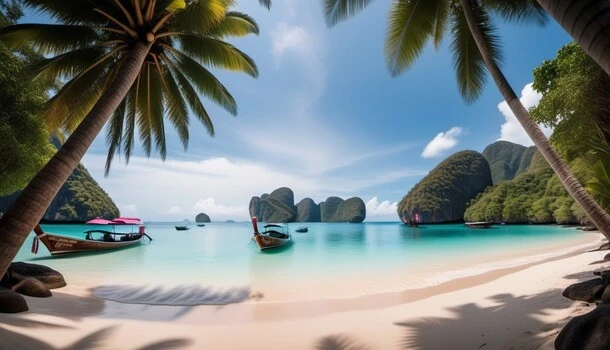
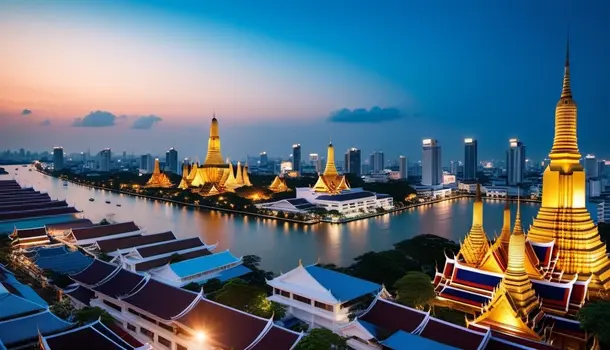
Houses in Bangkok



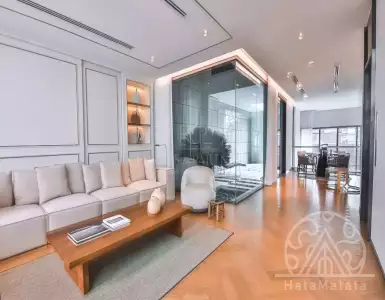
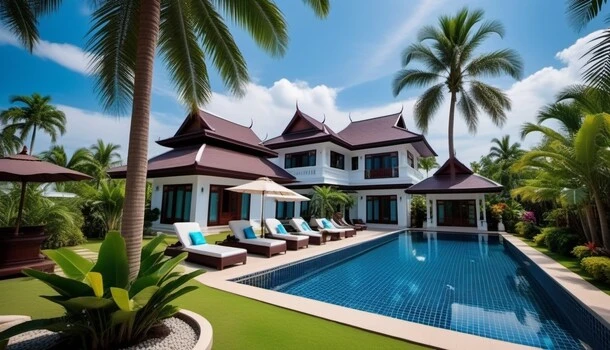
Houses in Phuket
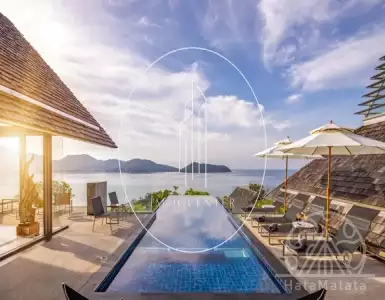
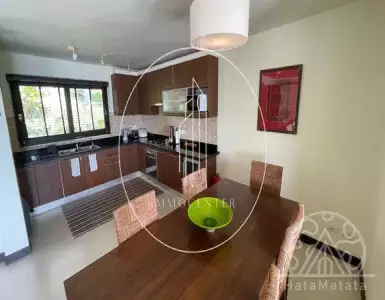
Choosing a property in Thailand for your request
- 🔸 Reliable new buildings and ready-made apartments
- 🔸 Without commissions and intermediaries
- 🔸 Online display and remote transaction
Our managers will help you choose a property
Liliya
International Real Estate Consultant
Houses in Pattaya
House in Thailand
Choosing a property in Thailand for your request
- 🔸 Reliable new buildings and ready-made apartments
- 🔸 Without commissions and intermediaries
- 🔸 Online display and remote transaction
Our managers will help you choose a property
Liliya
International Real Estate Consultant
Need help choosing a property?
Leave a request and our manager will contact you.
Our managers will help you choose a property
Liliya
International Real Estate Consultant
Individual selection houses in Thailand
Save time — for free we will select objects for your budget and goals
🇹🇭 Thailand residential property overview — foreign ownership rules, taxes, regional prices
Buying a house in Thailand blends strong tourism demand, accessible infrastructure, and diverse regional markets, giving private buyers and investors a wide spectrum of opportunities. Whether targeting a detached house in Bangkok, a luxury villa in Phuket or Koh Samui, or a suburban family home near Chiang Mai, the market delivers distinct pricing bands, developer offerings, and legal pathways that require informed decisions and local expertise.
🗺️ How geography, climate, and infrastructure in Thailand shape House demand
Thailand’s geography—ranging from the Chao Phraya basin around Bangkok to the Andaman coastline (Phuket, Krabi) and islands such as Koh Samui—drives very different house markets. Coastal resort zones attract high-end villa buyers and short-term rental demand, while metropolitan Bangkok concentrates affluent professionals seeking gated houses in suburbs such as Bang Na, Bang Kapi, and Ramintra. Chiang Mai and Hua Hin appeal to long-stay retirees and remote workers because of milder climates and lower cost bases.
Transport corridors shape prices: proximity to airports like Suvarnabhumi (Bangkok), Phuket International Airport, and Samui Airport, and to mass transit (BTS/MRT in Bangkok) increases demand and liquidity for houses. Major highways (Motorway 7 to Pattaya, Route 4 along the west coast) make suburban and resort communities accessible for weekend rentals and second homes.
Climate considerations alter property formats and maintenance costs: tropical monsoon seasons mean elevated drainage and construction standards in coastal and island houses; investors should account for higher insurance and maintenance budgets in flood- and storm-prone zones. Infrastructure investments and tourism infrastructure around marinas (Phuket Boat Lagoon, Laguna Phuket) and golf resorts (Palm Hills Golf Club) sustain premium house segments.
💶 How Thailand’s economy and investment climate influence House market liquidity
Thailand’s economy is a major regional engine with a nominal GDP around $500 billion, strong manufacturing, agriculture, and tourism sectors, and consistent foreign direct investment into real estate and hospitality. Tourism brings tens of millions of international visitors annually to Thailand’s islands and cities, directly supporting short-term rental markets and driving demand for vacation houses.
Business-friendly zones, export-oriented manufacturing clusters in the Eastern Economic Corridor (EEC), and growing digital services create steady housing demand for expatriate managers and middle-income professionals in Bangkok, Chonburi, and Rayong, supporting liquidity for mid-market houses. Corporate tax is commonly around 20%, VAT 7%, and personal income tax is progressive up to 35%, creating a moderate tax burden for investors assessing ROI.
Macro risks include currency fluctuations and regulatory shifts; nonetheless, historically stable capital inflows to Thailand’s tourism and second-home markets mean Investment house in Thailand often benefits from both rental returns and long-term capital appreciation in prime locations.
💶 How much House costs in Thailand — price ranges and formats
House prices in Thailand vary widely by city, plot size, and finish level; below are typical ranges and formats you will encounter when you search for House for sale in Thailand.
- Bangkok (inner suburbs, detached houses): $200,000–$5,000,000 for single-detached houses, commonly 150–500 m² built on plots 100–1,000 m²; luxury compounds exceed $2M.
- Phuket (villas and pool houses): $150,000–$8,000,000 depending on location (Laguna, Surin, Cape Yamu) and sea views; typical build 120–600 m².
- Koh Samui and Krabi (island villas): $250,000–$4,000,000, with villa estates such as Samujana at the high end.
- Chiang Mai (city houses and rural villas): $80,000–$800,000, popular for long-term rentals and family relocation.
- Pattaya and Hua Hin: $100,000–$2,500,000, strong seasonal rental markets and expatriate communities.
Market dynamics show higher velocity in coastal resort zones for short-term rentals and steady suburban demand in Greater Bangkok for family homes; rental yield for house in Thailand typically ranges 3–6% gross for long-term leases and 6–10% gross for well-managed short-term vacation rentals in Phuket, Samui, and Pattaya. ROI on house in Thailand varies by region, commonly 4–8% annual total return when combining rental yield and capital appreciation in high-demand corridors.
🎯 Which regions in Thailand are most popular for buying House
Bangkok remains the most liquid market for Buy house in Thailand for urban professionals and families, with gated communities in Bang Na, Sukhumvit outskirts, and Ratchapruek being in high demand. Bangkok houses provide proximity to international schools, hospitals (Bangkok Hospital, Bumrungrad), and corporate offices, underpinning stable rental and resale markets.
Resort regions—Phuket (Patong/Surin/Laguna), Koh Samui (Chaweng/Bo Phut/Lamai), Pattaya (Jomtien/Na Jomtien), Hua Hin (Khao Takiab)—attract short-term tourists and holiday renters; transport access via international airports and marinas enhances occupancy. Pattaya benefits from proximity to Bangkok (1–2 hours), boosting weekend rental demand among domestic tourists.
Secondary cities like Chiang Mai and emerging beach towns in Krabi and Phang Nga offer lower entry prices and steady long-term rentals for expatriates and digital nomads. Price differentials can exceed 2–5x between central Bangkok or prime Phuket and inland or provincial towns, reflecting infrastructure and tourism intensity.
🏗️ Leading developers and projects in Thailand offering House
Land and Houses (L&H) is a market leader for suburban detached houses and townhouse communities, with project brand examples such as Burasiri that target middle-to-upper segments.
Palm Hills Development specializes in villa and golf-community formats, known for Palm Hills Golf Club & Villas across Hua Hin and Pattaya, delivering gated estates and masterplanned communities.
Laguna Resorts & Hotels operates the Laguna Phuket integrated resort area with beachfront villas and estate homes; Samujana is a high-profile private developer/building group offering luxury villas on Koh Samui with private pools and panoramic sea views.
Other notable developers active in house formats include Supalai, SC Asset, SENA Development, AP (Thailand) and Sansiri, with each offering mixed product lines from modern townhouses to premium detached villas and community facilities that appeal to both local families and foreign buyers.
🏦 Mortgage and installment terms in Thailand for foreigners
Mortgage Thailand for foreigners is available but conditional: leading banks such as Bangkok Bank, Kasikornbank, Siam Commercial Bank may lend to foreigners who meet residency, income, and documentation criteria. Typical loan-to-value (LTV) for foreigners is 50–70%, with required down payments 30–50% of purchase price and stricter affordability checks.
Interest rates for foreigner mortgages commonly range 3.5–6.5%, with loan tenors up to 15–20 years for applicants with stable income and strong credit; local-currency loans expose foreign buyers to THB exchange risk. Many developers offer seller financing or staged payment plans — house in Thailand with installment plan options often include deposit plus staged payments during construction, and a final transfer payment at the Land Office.
Foreigners often combine a partial bank mortgage with developer installment plans to achieve workable financing; lenders will require passports, visas, proof of income, tax statements, and sometimes a Thai guarantor or collateral. Planning for pre-approval and confirming Mortgage Thailand for foreigners terms early accelerates closing.
📋 Step-by-step legal process to buy house in Thailand
Engage local counsel and a licensed real estate agent to start due diligence: verify the Chanote title deed, land surveys, building permits, encumbrances, and zoning. Obtain copies of the seller’s ID, company documents (if the seller is a company), and the land office extract.
Sign a Sale and Purchase Agreement (SPA) with deposit (commonly 1–10%), set milestone payments, and arrange escrow or bank guarantees if appropriate; foreign buyers must confirm legal ownership structure for land (direct ownership is restricted in many cases). Finalize payment, settle taxes and fees at the Land Office, and complete the title transfer where both parties register the conveyance; transfer tax and fees commonly include transfer fee (~2%), stamp duty (0.5%) or specific business tax (3.3%) depending on sale circumstances and holding period, plus notary and legal charges.
Timelines vary: resale transfers of completed houses often conclude within 2–6 weeks after SPA if documentation is clean; off-plan or new builds may take 6–18 months depending on construction schedules. Always perform a land-office transfer and obtain the updated Chanote showing the buyer’s name.
⚖️ Legal ownership, taxes, and residency rules for house owners in Thailand
Foreigners cannot directly own freehold land in Thailand except in limited, structured situations such as owning via a Thai company (majority Thai shareholders) or under long-term leaseholds (common terms: 30 years with renewals). Houses on land therefore are often held on leasehold or via corporate structures that require careful legal scrutiny.
Property taxes are generally lower than many Western markets; official rates include Land and Building Tax rules structured by use category, and transactional levies: transfer fee around 2% of appraised value, stamp duty 0.5%, and specific business tax 3.3% if applicable. Rental income and capital gains are taxed under Thailand’s personal income tax or corporate tax regimes. Property taxes in Thailand for foreigners are the same as for Thai nationals; no additional ownership tax is imposed solely for foreign ownership, though legal structure may create tax complexities.
Purchase does not grant automatic residency: Buy house as a foreigner in Thailand does not create a direct path to permanent residency or Thai citizenship. Residence permit through house investment in Thailand and Golden visa through house investment in Thailand are not standard programs; buyers seeking long-term stay typically use visas such as long-stay retirement, work/business visas, or Thailand Elite membership, none of which are granted solely by property purchase.
🏡 Who should Buy house in Thailand and which locations suit each purpose
Living and relocation: families and professionals relocating to Thailand commonly target Greater Bangkok (for schools and hospitals), Chiang Mai (for quieter city life), or Hua Hin (for coastal family living). Typical properties are 3–5 bedroom detached houses in gated communities.
Seasonal residence and second homes: buyers seeking holiday use prefer Phuket, Koh Samui, Krabi and Pattaya, where villa formats and pool houses offer strong short-term occupancy; house for sale in Thailand in these areas often deliver seasonal gross yields 6–10%.
Pure investment and rental: investors targeting Rental yield for house in Thailand focus on tourist hubs and well-connected suburbs; for guaranteed long-term tenants, look to Bangkok suburbs near BTS/MRT and international schools; for higher short-term income, invest in Phuket, Samui, or Pattaya with professional management. Premium and ultra-luxury buyers favor private estates in Laguna Phuket, Samujana, and Palm Hills with concierge and resort-style facilities.
Thailand’s property market will continue to benefit from tourism recovery, improving regional infrastructure, and ongoing developer innovation in gated communities and villa resorts, making Investment house in Thailand attractive for diversified strategies that combine income and capital growth. Buyers and investors should model financing carefully—using options such as Mortgage Thailand for foreigners, developer installment plans, and conservative projections for occupancy and maintenance—to capture upside while managing regulatory and currency risks.
Frequently Asked Questions
Yes, foreigners can buy condominiums freehold in Thailand provided foreign ownership of the building stays under 49% of total area. Foreigners generally cannot own land outright; common alternatives are long-term leaseholds (often 30 years, renewable), ownership via a Thai spouse, or a Thai company structure with strict rules and scrutiny.
Prices vary widely. Provincial detached houses often range THB 2–6 million; mid-city homes THB 3–12 million; in Bangkok and prime resort areas detached homes commonly cost THB 8–20 million or more. Condominium prices per sqm in major cities typically range THB 60,000–200,000. Local demand and location drive variance.
No — buying property alone does not grant Thai residency or citizenship. Thailand offers long-stay visas and investment-oriented visas with set capital or income criteria, but property purchase by itself is not an automatic golden visa. Citizenship requires years of permanent residency, language ability, and a formal naturalization process.
Typical transaction costs: transfer fee about 2% of the appraised value, stamp duty 0.5% (if Specific Business Tax not payable), and Specific Business Tax (SBT) ~3.3% if the seller is deemed a business (often within 5 years of purchase). Annual land and building tax applies based on use; closing costs vary by province.
Some Thai banks lend to foreigners who hold work permits or long-term residence; lending policies differ. Loan-to-value commonly ranges 50–70% for condominiums and is often lower for land or houses. Many foreigners combine local lending with overseas financing or pay cash; approval timelines depend on documentation and residency status.
Gross rental yields vary: Bangkok condos often show roughly 3–6% gross, while some resort areas can reach 4–8% in peak seasons. Short-term (vacation) rentals can boost returns but face seasonal occupancy, local regulations, and management costs. Tourist flows and local rules strongly affect income year to year.
Most investors target a 5–10+ year horizon for meaningful capital appreciation in Thailand. Historical gains concentrate in Bangkok and established resort zones; short-term flipping carries higher risk due to taxes and market cycles. Holding longer reduces transaction impact and benefits compound demand trends.
Process: due diligence, reservation deposit, sale-and-purchase contract, foreign-exchange proof for condo purchases, and transfer at the Land Office. For straightforward freehold condos the transfer can take 2–8 weeks; mortgages, company structures or land transfers often extend timelines to several months due to extra approvals and documentation.
Bangkok suits relocation for jobs, healthcare and schools; Chiang Mai and Phuket attract expats for lower costs and lifestyle; coastal islands and Phuket/Krabi favor holiday-investment plays; industrial corridors and eastern provinces can offer growth from infrastructure projects. Choose based on job access, rental demand and lifestyle priorities.
Leaseholds are common for foreigners: standard commercial leases are usually 30 years with options to renew; some buyers structure staggered 3×30-year leases to effectively extend tenure. Lease agreements must be registered at the Land Office to be enforceable; examine renewal clauses, permissions and transferability carefully.
Properties by Region
Properties by Country
- Real estate in Bulgaria (11408)
- Real estate in Montenegro (5186)
- Real estate in Indonesia (2423)
- Real estate in Spain (2289)
- Real estate in Portugal (1975)
- Real estate in Italy (1910)
- Real estate in Turkey (1699)
- Real estate in Cyprus (1594)
- Real estate in Thailand (1565)
- Real estate in Croatia (1431)
- Real estate in Greece (1082)
- Real estate in USA (1013)
- Real estate in France (1006)
- Real estate in Georgia (519)
- Real estate in Serbia (328)
- Real estate in Slovenia (123)
- Real estate in Egypt (23)
Don't know where to start buying a property in Thailand?
Leave a request and receive free advice on prices, taxes, residence permits and the real estate market. in Thailand.

Maria Guven
Head of Direct Sales Department
+90-507-705-8082