


Villa in Thailand


Choosing a property in Thailand for your request
- 🔸 Reliable new buildings and ready-made apartments
- 🔸 Without commissions and intermediaries
- 🔸 Online display and remote transaction
Our managers will help you choose a property

Liliya
International Real Estate Consultant
Need help choosing a property?
Leave a request and our manager will contact you.
Our managers will help you choose a property
Liliya
International Real Estate Consultant


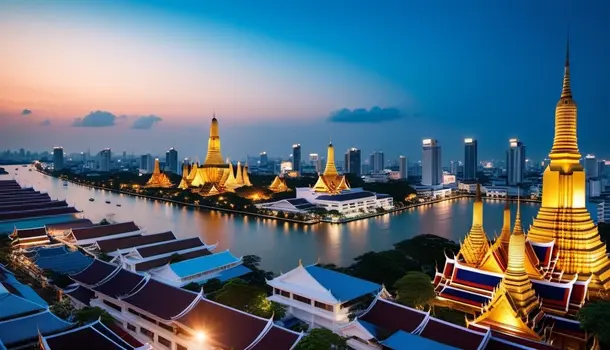
Weather in Thailand
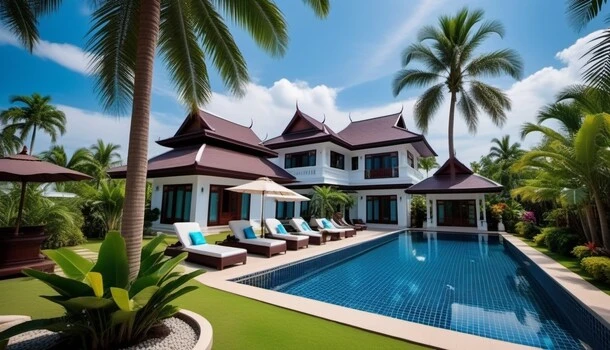
For Sale villa in Thailand
Villas in Bangkok


Villas in Pattaya

Choosing a property in Thailand for your request
- 🔸 Reliable new buildings and ready-made apartments
- 🔸 Without commissions and intermediaries
- 🔸 Online display and remote transaction
Our managers will help you choose a property
Liliya
International Real Estate Consultant
Villas in Phuket


Villa in Thailand
Choosing a property in Thailand for your request
- 🔸 Reliable new buildings and ready-made apartments
- 🔸 Without commissions and intermediaries
- 🔸 Online display and remote transaction
Our managers will help you choose a property
Liliya
International Real Estate Consultant
Need help choosing a property?
Leave a request and our manager will contact you.
Our managers will help you choose a property
Liliya
International Real Estate Consultant
Individual selection villas in Thailand
Save time — for free we will select objects for your budget and goals
🇹🇭 Thailand villa ownership: leasehold vs freehold, legal requirements and taxes
Thailand offers a compelling mix of tropical lifestyle, robust tourism, and a diverse property market that attracts private buyers and investors alike. Buying a Villa in Thailand means navigating a market shaped by geography, infrastructure and sector-specific legal frameworks; this guide highlights the practical facts, numbers and real names you need to make confident decisions whether you seek a family home, seasonal retreat or Investment villa in Thailand.
💡 Factors shaping demand for villa in Thailand
Location drives value in Thailand: islands and coastal provinces such as Phuket, Koh Samui, Krabi, Khao Lak, Hua Hin and Pattaya attract holiday demand while Bangkok and Chiang Mai pull long-stay residents and digital nomads. Accessibility to international airports — Suvarnabhumi and Don Mueang (Bangkok), Phuket International, Samui International, Chiang Mai International — plus high-speed road links, regional ports and expanding rail projects determine which villages and estates maintain high occupancy and resale value.
Climate is another decisive factor: Thailand’s tropical monsoon climate creates a year-round tourism season on southern islands and a cooler, attractive highland season in Chiang Mai; this seasonality directly affects rental yield for villa in Thailand and peak booking windows for holiday lets.
Infrastructure such as hospitals (Bangkok Hospital, Bumrungrad, Bangkok Pattaya Hospital), international schools (ISB, Bangkok Patana), marinas (Phuket Yacht Haven, Royal Phuket Marina), luxury resorts and golf complexes (Blue Canyon, Santiburi) shapes buyer profiles and drives demand for larger, serviced villas and gated communities.
📈 Economy and investment climate in Thailand and its impact on villa market in Thailand
Thailand’s economy is one of the largest in Southeast Asia with output commonly described around half a trillion US dollars, driven by exports, tourism and services; tourism brings tens of millions of visitors annually in normal cycles and underpins short-term rental demand across resort destinations.
Investment incentives from bodies such as the Board of Investment (BOI) and infrastructure initiatives like the Eastern Economic Corridor (EEC) increase business activity in Bangkok, Pattaya and Rayong, supporting demand for executive homes and corporate rentals.
Tax structure and business costs are competitive in the region: corporate rates commonly range in the low to mid 20s percent and personal tax is progressive; these elements affect operating costs for serviced villa portfolios and therefore the ROI on villa in Thailand and overall liquidity of prime assets.
💶 How much Villa costs in Thailand
Villa purchase costs vary widely by island, proximity to beach and whether the property is part of a branded resort or private estate. Typical price ranges in US dollars:
- Phuket: $350,000 – $6,000,000+ for private pool villas; popular areas include Cape Yamu, Laguna Phuket, Kamala, Bang Tao and Surin.
- Koh Samui: $250,000 – $3,500,000; high-demand areas: Chaweng, Bophut, Lamai and Plai Laem, including branded projects by Santiburi and Six Senses.
- Pattaya/Jomtien: $180,000 – $1,500,000 depending on sea view and gated-community facilities.
- Hua Hin/Cha-Am: $220,000 – $1,200,000 for villas near golf courses and seaside communes.
- Chiang Mai: $150,000 – $900,000 for hillside or suburban villas suited to long-term rentals and expatriate families.
- Bangkok (outer suburbs & luxury compounds): $400,000 – $5,000,000+ for private villas and luxury gated homes in areas like Bang Na, Sukhumvit suburbs and Ratchapruek.
Market dynamics show consistent demand for new developments with branded management (higher premiums) and strong resale activity in islands and EEC-adjacent zones; completed projects in resort belts typically command better short-term rental occupancy.
🌍 Regions and cities in Thailand where buyers most often choose villa in Thailand
Popular destinations reflect transport, healthcare and tourism infrastructure. Key regions include:
- Phuket: International airport, marinas, hospitals; strong holiday rental market and high resale liquidity.
- Koh Samui: Island lifestyle with international airport and resort brands; stable high-end demand.
- Pattaya/Jomtien: Close to Bangkok, strong short-term rental demand and serviced-villa projects.
- Hua Hin/Cha-Am: Preferred by retirees and weekenders from Bangkok; golf resorts boost long-term occupation.
- Chiang Mai: Digital nomad and expat community, good hospitals and international schools.
- Bangkok outskirts: For corporate relocations and families wanting easy city access plus private gardens.
Price gaps between regions are stark: Phuket and Samui typically cost 30–50% more than Pattaya or Hua Hin for comparable amenities; rental demand is highest where international flights and resort-level facilities combine.
🏗️ Leading developers and villa projects in Thailand
Thailand’s villa inventory is supplied by a mixture of residential developers and resort operators. Notable names and projects include:
- Minor International / Anantara — luxury branded villas and resort residences at Anantara Phuket, Anantara Layan and other coastal projects.
- Banyan Tree / Banyan Tree Phuket — resort villas with strong hospitality management and rental programs.
- Trisara, Sri Panwa, Keemala — boutique luxury villa resorts in Phuket offering high-end investment options.
- Laguna Phuket — integrated resort community with varied villa products and shared amenities.
- Sansiri, AP (Thailand), Pruksa, Land and Houses, Palm Hills Development — established residential developers delivering suburban villas, gated communities and mixed-use projects across Bangkok, Hua Hin and Pattaya.
Buyers should assess developer track records, management contracts (if rental is desired) and resale histories when evaluating an Investment villa in Thailand.
🏦 Mortgage and installment options for foreigners buying villa in Thailand
Financing options vary: Thai banks such as Bangkok Bank, Kasikornbank, Siam Commercial Bank occasionally provide mortgages to foreigners, but approval depends on nationality, visa/status (work permit or long-term visa helps), income verification and collateral. Typical conditions:
- Loan-to-value (LTV) commonly 50–70% for foreigners depending on lender and property type.
- Interest rates typically start in a competitive range (variable), with terms up to 15–20 years for residential mortgages to foreigners in some cases.
- Documentation required includes passport, proof of income, bank statements, tax returns and sometimes a Thai work permit or residency evidence.
Developers routinely offer alternative funding: villa in Thailand with installment plan options range from staged payments during construction to deferred payment programs; many projects provide 12–60 month developer plans with down payments from 10–30%, enabling purchases without traditional bank finance. Search for lenders and structured plans early when evaluating affordability and Mortgage Thailand for foreigners availability.
📋 Step-by-step Legal process to buy villa in Thailand
The Legal process to buy villa in Thailand follows clear administrative milestones: initial reservation and due diligence, contract negotiation, payment schedule and final transfer at the Land Office. Practical steps include:
- Due diligence: commission title checks (Chanote preferred), check encumbrances, confirm zoning and verify utility connections and condominium/common area regulations where relevant.
- Contracts and payments: sign reservation or Purchase Agreement with defined deposit (often 10%), review cooling-off clauses and developer warranties; ensure payments comply with foreign exchange transfer rules if applicable.
- Transfer and registration: present original documents at the local Land Department, settle taxes and fees, obtain a new title deed; the transfer process completes on the agreed registration date with immediate effect upon endorsement.
Timelines vary depending on new-build handover or resale complexity; typical resale transfers can complete within 30–60 days after contract fulfillment and payment clearance.
⚖️ Legal ownership, taxes and residency implications for buyers of villa in Thailand
Foreigners face specific legal frameworks: direct freehold land ownership by non-nationals is generally restricted so common structures are leasehold (up to 30 years, renewable), ownership via a Thai majority company (subject to strict scrutiny) or purchase of a villa within a condominium-based scheme where the building or units can be foreign-owned. Buy villa as a foreigner in Thailand requires careful planning with local counsel and a clear title strategy.
Taxes and fees that buyers should budget for include transfer fee (commonly 2% of the appraised value), specific business tax (commonly 3.3% where applicable) or stamp duty (commonly 0.5%), plus annual local property or land-and-building taxes which vary by municipality; prudent cash flow modelling must include these costs as part of villa purchase costs in Thailand and operating expenses for rental.
A property purchase does not automatically grant immigration benefits: Residence permit through villa investment in Thailand and Golden visa through villa investment in Thailand are not standard programs; property ownership alone normally does not create entitlement to residency or citizenship, though separate visa programs (investment visas, Elite Visa) can be explored independently.
🛖 Who should buy villa in Thailand and where to use the property
Different buyer goals map to specific regions and product formats:
- Living and relocation: Families seeking long-term residency favor Bangkok suburbs, Chiang Mai, and Hua Hin for schools and hospitals; typical properties are 3–5 bedroom detached villas with gardens.
- Seasonal residence and holiday homes: Buyers wanting sun-and-sea choose Phuket, Koh Samui, Krabi; villa sizes range 120–600+ sqm with amenities and service management.
- Short-term rental and investment: Investors target high-occupancy resort belts — Phuket, Samui, Pattaya — where branded villas achieve higher nightly rates; expect gross rental yields commonly between 3–7%, with top locations achieving stronger seasonal spikes influencing the ROI on villa in Thailand.
- Premium and ultra-luxury: Well-located branded villas at Trisara, Sri Panwa, Four Seasons demand significant premiums but offer global marketing and high ADRs for short-stay guests.
Thailand’s villa market continues to be supported by steady tourism demand, expanding infrastructure and a broad range of product types from affordable suburban homes to ultra-luxury resort villas. Buyers who combine careful legal structuring, realistic finance plans and targeted location selection—aligned with clear expectations on villa purchase costs in Thailand, taxation and operational models—can participate in a market that offers both lifestyle advantages and measurable investment opportunities.
Frequently Asked Questions
Yes—foreigners can buy villas in Thailand but with limits. Condominiums can be freehold if foreign ownership in the building stays under 49%. Land is generally restricted: foreigners usually use long-term leases (commonly 30 years, renewable), Thai juristic persons, or usufructs. Nominee arrangements are illegal; use clear contracts and legal due diligence.
Villa prices vary widely by location. Modest provincial villas often cost 3–8 million THB (~$85k–$230k), coastal and popular resort villas typically range 8–30 million THB (~$230k–$860k), while prime luxury properties exceed 30 million THB. Nationwide average prices for detached homes/villas sit around 6–9 million THB (~$170k–$260k).
No direct citizenship or automatic residency is granted by property purchase alone. Thailand offers long-term visa routes (including a 10‑year long-term residence option for qualifying investors with financial thresholds) but property ownership by itself rarely secures permanent residency. Naturalization requires permanent residency and several years of documented lawful residence.
Gross rental yields vary: Bangkok typical 3–5% gross, major resort islands 4–8% gross depending on seasonality and management. Occupancy in resorts can swing 40–75%. Many investors target capital growth plus yield; realistic holding horizon is 5–10 years to smooth seasonality and currency risk.
Common fees: transfer fee ~2% of appraised value. If a sale is treated as business (often if sold within 5 years), Specific Business Tax ~3.3% applies; otherwise stamp duty ~0.5% can replace SBT. Rental income is taxed as personal/company income (progressive rates). Annual land/building tax and customary transfer-related admin fees also apply.
Yes, but lending is limited. Thai banks may lend to foreigners with work permits or strong documentation; typical LTV ranges 50–70% for qualifying expats, often requiring 30–50% down. Interest rates depend on lender and profile (historically mid-single digits to low double digits percent). Approval and documentation usually take 2–8 weeks.
Use transparent, legal structures: leasehold with clear renewal clauses, outright condominium freehold (if eligible), or a properly formed Thai juristic person when appropriate. Avoid nominee arrangements. Insist on title searches, land office checks, sale-and-purchase deeds, escrow, and legal review; consider insurance and exit clauses in contracts to protect capital.
Expect annual costs: utilities, property management or HOA fees (if gated) typically 5–15% of gross rental income, maintenance 1–3% of property value per year, property tax (small annual land/building tax), insurance, and occasional renovation. Budget for seasonal vacancies and periodic major maintenance.
Relocation is practical: Thailand has extensive private healthcare and international schools in Bangkok, Phuket, Chiang Mai, and some resort areas. Cost of living is generally lower than Western countries. Visa arrangements, school enrollment, and healthcare coverage should be arranged 1–3 months before moving; local banking and utilities require residency or local document support.
Liquidity depends on location: Bangkok and major resort destinations typically resell faster (often 6–18 months), rural properties can take longer. Short-term flips may trigger Specific Business Tax; many investors plan 3–7+ year holds for capital growth. Good exit planning includes market timing, professional marketing, and clear title to speed resale.
Properties by Region
Properties by Country
- Real estate in Bulgaria (11408)
- Real estate in Montenegro (5186)
- Real estate in Indonesia (2423)
- Real estate in Spain (2289)
- Real estate in Portugal (1975)
- Real estate in Italy (1910)
- Real estate in Turkey (1699)
- Real estate in Cyprus (1594)
- Real estate in Thailand (1565)
- Real estate in Croatia (1431)
- Real estate in Greece (1082)
- Real estate in USA (1013)
- Real estate in France (1006)
- Real estate in Georgia (519)
- Real estate in Serbia (328)
- Real estate in Slovenia (123)
- Real estate in Egypt (23)
Don't know where to start buying a property in Thailand?
Leave a request and receive free advice on prices, taxes, residence permits and the real estate market. in Thailand.

Maria Guven
Head of Direct Sales Department
+90-507-705-8082