


Real Estate in Tarsus
- ✓ Verified properties directly from developers
- ✓ No overpayments or commissions
- ✓ Guarantee of transaction purity and post-purchase support

International Real Estate Consultant
Leave a request and our manager will contact you.
International Real Estate Consultant
Hot Deals

For Sale Real Estate in Tarsus
2 listings
 1
1
 1
1
 70
70
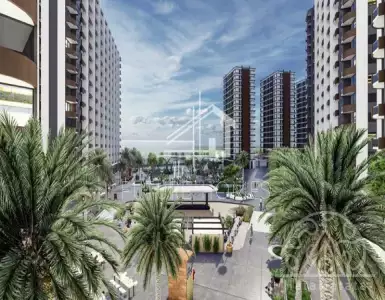
\''There are apartments for sale located in Mersin, Tarsus. Mersin is one of Turkey's tourist paradises with its deep blue...
Submit Request
Real estate in Tarsus for living, investment and residence permit
- ✓ Verified properties directly from developers
- ✓ No overpayments or commissions
- ✓ Guarantee of transaction purity and post-purchase support
International Real Estate Consultant
 1
1
70
1
1
70
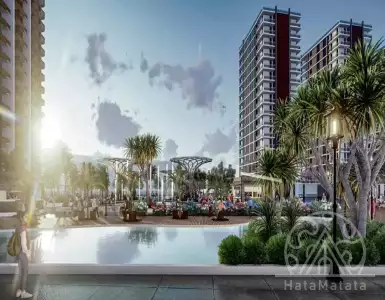
We offer an excellent investment project in the center of Tarsus. Tarsus is the largest, ancient, historical, commercial center, the third...
Submit Request
Recommended to see
 1
1
73
1
1
73
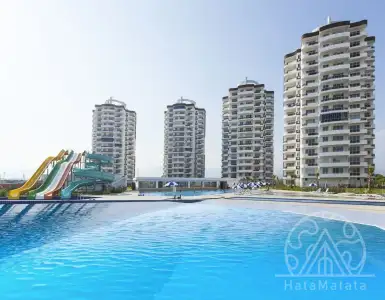
Spacious apartment with sea views - for life and recreation in the Budva Riviera, Becichi Key parameters ...
Submit Request
 1
1
42
1
1
42
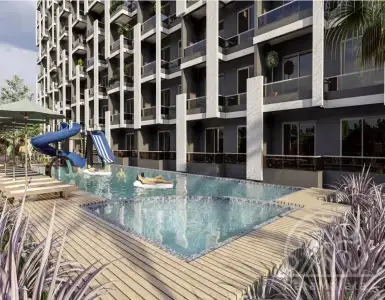
Studio, ready for life, with an area of 42 square meters. in clean finish with installments for 12 months. The...
Submit Request
 1
1
47
1
1
47
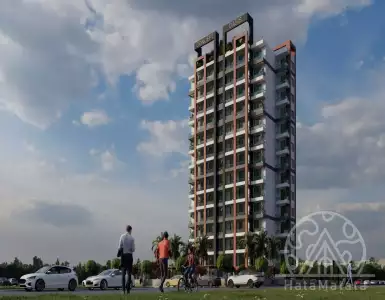
We present to your attention a new investment project in the heart of the TECE district in Mersin! It is currently...
Submit Request
 1
1
65
1
1
65
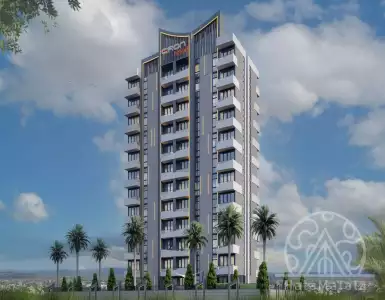
ID MR 1222 ✅ District: ERDEMLİ, TÖMÜK ✅ Completion date: 30.12. 2023 ✅ Layouts for sale: 1+1- 65 m2 ✅ Number of bathrooms: 1 ✅...
Submit Request
 3
2
189
3
2
189
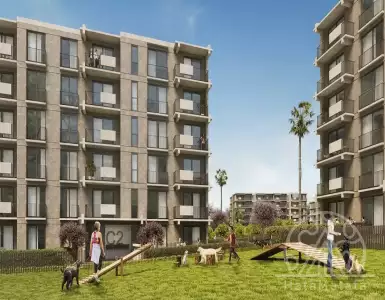
ID MR 1198 ✅ District: MEZİTLİ ✅ Date of completion: December 2024 ✅ Layouts for sale: 2+1/3+1 ✅ Gross floor area: 2+1-148/190/200 m2 3+1-217/215/200/195/193/190/189...
Submit Request
 1
43
1
43
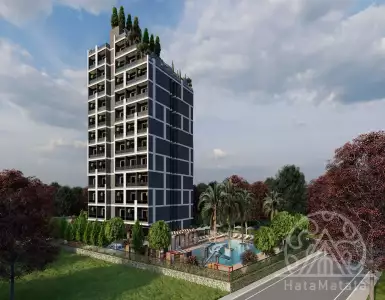
ID MR 1221 ✅ District: MEZİTLİ, TECE ✅ Completion date: 31.12. 2024 ✅ Layouts for sale: 1+0 - 43 m2 ✅ Number of...
Submit Request
 2
98
2
98
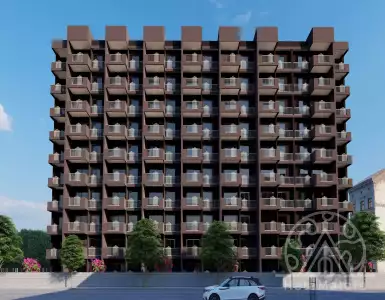
ID MR 1223 ✅ District: ERDEMLİ, ÇEŞMELİ ✅ Completion date: 30.06. 2024 ✅ Layouts for sale: 1+1+1-65 m2 2+1-98 m2 ✅ Number of bathrooms: 1/2 ✅...
Submit Request
 1
1
65
1
1
65
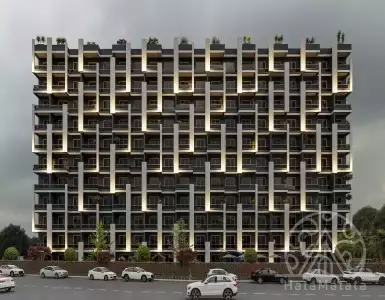
ID MR 1220 ✅ District: ERDEMLİ, KOCAHASANLI ✅ Date of completion: 30.09. 2024 ✅ Layouts for sale: 1+0 1+1+1-65 m2 ✅ Number of bathrooms:...
Submit Request
 1
1
60
1
1
60
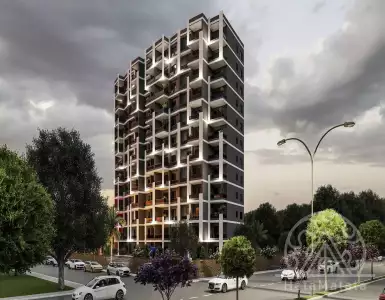
ID MR 1224 ✅ District: ERDEMLİ, KARGIPINARI ✅ Date of completion: 31.08. 2024 ✅ Layouts on sale: 1+0 1+1+1-60 m2 ✅ Number of bathrooms:...
Submit Request
 1
82
1
82
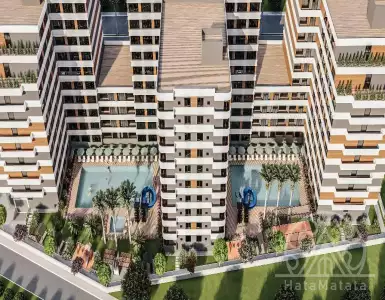
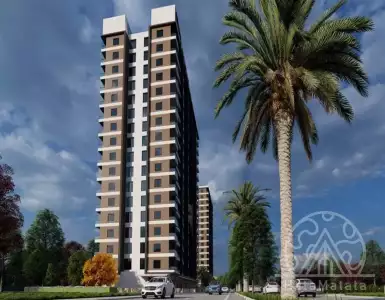
The residential complex is the pearl of Mersin, located in a beautiful place in the Tomyuk district. This wonderful...
Submit Request
 1
72
1
72
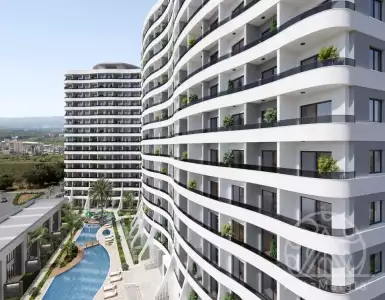
A beautiful modern apartment in a new residential complex in Mersin. The residential complex is located in the Arpachbakhshish microdistrict, it...
Submit Request

Real Estate in Tarsus
- ✓ Verified properties directly from developers
- ✓ No overpayments or commissions
- ✓ Guarantee of transaction purity and post-purchase support
International Real Estate Consultant
Leave a request and our manager will contact you.
International Real Estate Consultant
Need help choosing real estate in Tarsus?
Leave a request and we will select the 3 best options for your budget
!
Sell flat in Mersin, Turkey 121 568 $
Spacious apartment with sea views - for life and recreation in the Budva Riviera, Becichi Key parameters ...
!
For sale Flat in Mersin, Turkey 50 364 $
Studio, ready for life, with an area of 42 square meters. in clean finish with installments for 12 months. The...
🇹🇷 Tarsus, Mersin property: historic city flats, Çukurova farmland and port access
Tarsus sits at the heart of Çukurova, where Anatolian plains meet Mediterranean influence — a city that blends deep history with practical modern living. Situated between Adana and Mersin on the D400 corridor, Tarsus offers a cooler cost base than the coastal resort strip while remaining within easy reach of ports, airports and regional industry. For buyers seeking stable rental demand, agricultural land value, or family relocation, Tarsus presents a range of property types and clear growth vectors tied to logistics, education and light industry.
🌞 Lifestyle and location in Tarsus for property buyers
Tarsus is a working city with a strong agricultural and industrial hinterland, known for landmarks such as Cleopatra Gate, St Paul’s Well and the Tarsus Waterfall, which shape both tourism and local identity. The local climate is Mediterranean: hot, dry summers and mild, wet winters, with annual average temperatures near 18°C, supporting year-round living and easy landscaping for villas and gardens. Proximity matters here — Tarsus is roughly 27 km from Mersin city centre and about 38 km from Adana, giving residents access to larger hospitals, universities and the international port without paying coastal premiums.
Tarsus offers daily conveniences that matter to families and investors: markets, state and private schools, municipal services and local industrial zones that provide employment. The urban character mixes low-rise historic core blocks with newer mid-rise residential projects along the highway corridor, creating options for buyers from budget apartments to larger detached homes. For lifestyle buyers who value a balance of tradition and accessibility, Tarsus provides quieter streets than the Mersin coast while keeping the Mediterranean within half an hour’s drive.
Tarsus is also an entry point for regional tourism along the Çukurova plain; short-term rental demand peaks during national holidays and regional business travel to the Mersin International Port and industrial areas. Buyers looking for investment property in Tarsus will find dependable local demand from workers, university-linked residents and families relocating from congested city centres, making the market a practical diversification for portfolios.
🏘️ Which district of Tarsus to choose for buying property in Tarsus
Tarsus city centre (Merkez) is the historic and administrative heart, best suited for buyers wanting walkable access to municipal services, cultural sites and traditional commerce. Properties here are typically apartments from 60–120 m², with resale stock dominating and a core buyer profile of professionals, teachers and public-sector employees. Density is medium, streets are mature, and infrastructure such as municipal hospitals and banks is concentrated in this zone.
Suburban corridors along the D400/Adana-Mersin highway and areas near the Tarsus motorway exits are developing rapidly and attract buyers seeking new developments and better road links. These neighborhoods favor new build property in Tarsus: gated complexes, 2–3 bedroom apartments and small townhouse projects ideal for commuters and families. Building intensity is higher along the highway, with mid-rise blocks and more active developer activity.
Rural and village belts inside Tarsus district — agricultural zones and smaller towns — offer land plots, farmhouses and larger villa-style properties aimed at lifestyle buyers or those seeking lower price-per-square-meter. These areas suit investors targeting longer-term capital growth through rezoning or buyers seeking second homes with privacy. Safety and livability are generally high, but infrastructure upgrades follow demand patterns, so proximity to main roads and utilities is critical.
- Key buyer profiles by area:
- City centre: professionals, resale buyers, small families
- Highway corridor: commuters, new-build buyers, investors
- Rural belts: lifestyle purchasers, agricultural investors, land speculators
💶 Property prices in Tarsus and market overview
Average pricing in Tarsus is competitive compared with Mersin city and Turkey’s coastal hotspots. Typical price points: apartments from €40,000–€160,000, depending on size and location; villas and detached houses from €120,000–€400,000 in suburban and rural plots. Average price per square metre in Tarsus commonly sits in the range of €400–€900 per m², with central, renovated stock at the upper end and peripheral or off-plan options at the lower end.
Price segmentation by property type:
- Apartments (resale): €400–€800 per m²
- New developments and off-plan property in Tarsus: €350–€750 per m²
- Villas and larger houses: €700–€1,500 per m²
- Commercial units (small shops): from €600 per m² depending on footfall
Recent dynamics show steady demand driven by regional logistics and housing affordability, with moderate capital growth and rental yields that typically outperform larger, more expensive coastal markets. Investors looking for property for sale in Tarsus can often find opportunities in off-plan releases or developer installment launches at lower entry prices.
🚆 Transport and connectivity to and from Tarsus
Tarsus lies on the D400 coastal corridor and benefits from excellent road connectivity linking Mersin and Adana, with the Adana–Mersin highway providing frequent intercity bus services and easy car access. The city’s position on the regional rail line ensures passenger and freight links; Tarsus railway station connects local services between Mersin and Adana. Average travel times by car are 30–45 minutes to Mersin, 35–50 minutes to Adana, and about 40–60 minutes to Adana Şakirpaşa Airport depending on traffic.
Public transport within Tarsus is delivered by minibuses and municipal buses; long-distance intercity buses run frequently along the D400. For logistics, Mersin International Port (MIP) is within easy reach, making Tarsus a practical base for business owners and exporters. Road improvements and planned corridor upgrades continue to strengthen Tarsus’s role as a transport node between two major cities.
Practical connectivity factors for buyers:
- Regular bus and minibuses for local commuting
- Regional rail station on the Adana–Mersin line
- Access to Mersin port and Adana airport within an hour
- D400 motorway frontage for developer projects and commercial units
🏥 Urban infrastructure and amenities in Tarsus for buyers
Tarsus offers key public services that support long-term residency and rental demand, including a state hospital (Tarsus State Hospital), municipal health centres and private clinics. Educational landmarks include historic institutions such as Tarsus American College, supplemented by primary and secondary schools and vocational training centres that service the district. For higher education needs, buyers can access universities in Mersin and Adana within reasonable commuting distance.
Leisure and retail amenities are a mix of local bazaars, supermarkets and small shopping centres catering to daily life; cultural tourism sites — Tarsus Museum, Cleopatra Gate and the ancient city ruins — support seasonal visitor flows. Green spaces and municipal parks, alongside the nearby Çukurova agricultural landscape, create family-friendly environments that attract long-term residents rather than transient holiday crowds.
Important facilities and services:
- Healthcare: Tarsus State Hospital, private clinics
- Culture: Tarsus Museum, ancient gate and archaeological sites
- Education: historic colleges, vocational schools, nearby university campuses
- Retail: supermarkets, weekly markets and local shopping centres
📈 Economic environment and real estate investment in Tarsus
Tarsus benefits from a mixed economy: agriculture (citrus, cotton), logistics and light manufacturing, supported by proximity to Mersin International Port and regional industrial zones. This economic mix underpins steady housing demand from workers and managerial staff. Tourism contributes seasonally thanks to historical sites, while logistics and port-related activity provide year-round rental demand for small apartments and family housing.
Key economic indicators for potential investors include port throughput at Mersin, intercity traffic on the D400 corridor and employment in regional agro-industry. Local business hubs and warehouses near Tarsus attract short-term rental demand from rotating staff, while family housing demand remains resilient thanks to stable public sector employment. For those considering real estate investment in Tarsus, diversification across apartments near transit and suburban family homes often balances rental yield and capital growth.
Sectors supporting property demand:
- Agriculture and agro-processing
- Logistics and warehousing tied to Mersin port activity
- Local services, health and education employment
- Seasonal and cultural tourism
🏗️ Property formats and housing types in Tarsus
Buyers will find a spectrum of property formats: compact resale apartments in the historic core, medium-sized new-build apartments along the highway, townhouse clusters and standalone villas on the district’s outskirts. Typical apartment sizes range from 60–140 m² for 1–3 bedroom units; townhouses and small villas run 100–250 m², while larger detached properties and farmhouses can exceed 300 m² on sizeable plots.
New developments in Tarsus generally offer modern finishes, security and communal amenities such as parking and small landscaped areas; resale stock tends to be practical, with lower maintenance costs but occasional need for renovation. Off-plan property in Tarsus and developer-led gated projects are attractive to buyers wanting staged payments and warranties.
Building formats available:
- Resale apartments: immediate occupancy, lower price-per-m²
- New build property in Tarsus / Off-plan: warranties, staged payments
- Townhouses and villas: lifestyle and family buyers
- Commercial units: shopfronts and small offices along the D400
🏢 Developers and key residential projects in Tarsus
Public-sector housing projects led by TOKİ (the Turkish Housing Development Administration) have a visible presence across many Turkish districts, including Tarsus, delivering larger-scale social housing and planned neighbourhoods. National developers such as Emlak Konut occasionally operate in the region or supply template projects in neighbouring provinces, while local contractors deliver smaller gated complexes tailored to the Tarsus market. These combinations create a supply mix of social housing, mid-range new builds and bespoke local developments.
Buyer-oriented project features typically include earthquake-resistant construction, communal parking and proximity to the highway for commuting convenience. Construction quality and delivery reliability vary by developer — working with a local agent and requesting title-deed proof, licensing and building completion certificates is essential when considering any new or resale project.
Notable developer types and projects:
- TOKİ social housing complexes in the Tarsus district
- Regional developer gated complexes along the D400 corridor
- Small-scale villa and townhouse projects by local contractors
💳 Mortgage, financing and installment options for property in Tarsus
Turkish banks provide mortgage products to foreign buyers; major lenders such as Ziraat Bankası, VakıfBank, İşbank and private banks can structure loans for non-residents. Common mortgage terms for foreigners include down payments of 20–40%, loan tenors up to 10–15 years depending on borrower profile, and interest rates tied to market conditions. Many buyers choose to use local financing in TRY or arrange foreign-currency mortgages where available.
Developers often offer installment plans, especially for off-plan property in Tarsus, ranging from interest-free short-term plans (12–24 months) to longer staged payment schedules over several years with modest interest. Buyers looking to buy property in Tarsus with mortgage should prepare proof of income, a Turkish tax number and a local bank account; foreign-currency savings can sometimes be used for down payments.
Key financing channels:
- Bank mortgages for foreigners (subject to down payment and approval)
- Developer installment plans for new developments
- Cash purchases remain common and can secure discounts
📝 How to buy property in Tarsus step-by-step for foreign buyers
First, obtain a Turkish tax identification number and open a local bank account — these are prerequisites for payments and mortgage applications. Second, perform due diligence: verify the title deed (Tapu), check zoning and any building liens, and confirm whether the parcel is in a restricted military or agricultural zone. Third, enter a sales reservation with a deposit, proceed to the title deed office for transfer and pay the transfer tax and associated fees; a notary and certified translator are often used for contract clarity.
Foreign buyers should engage a local lawyer and a licensed estate agent to check property plans, building licenses and TAPU status; typical closing costs include a title deed transfer fee (~4% of declared price) and annual property tax. After transfer, register for utilities and obtain any necessary residency documentation if the buyer intends to live in Turkey. For off-plan purchases, follow the developer payment schedule and ensure contractual guarantees and completion clauses are in place.
Practical purchase steps:
- Get tax number and bank account
- Due diligence and legal checks on TAPU and zoning
- Deposit, contract, transfer at Land Registry, pay taxes and fees
⚖️ Legal aspects, taxes and residence options after buying property in Tarsus
Foreign citizens can buy property in Turkey with relatively straightforward procedures; restrictions apply only in designated military or restricted zones, and local approvals may be required in some cases. Annual property tax rates are modest — typically around 0.1% for residential property and up to 0.6% for commercial units — while the title deed transfer fee is commonly around 4% of the declared transaction price. Value-added tax (VAT) rules apply to new builds depending on the project category and must be checked on a case-by-case basis.
Purchasing property can support residence permit applications; short-term residence permits linked to property ownership are commonly used by foreign buyers, while a separate citizenship-by-investment route exists under national law with minimum investment thresholds and holding conditions. Working with a Turkish lawyer ensures compliance for tax registration, inheritance planning and any rental contracts required for investment property management.
Legal and tax checklist:
- Verify TAPU and absence of liens or encumbrances
- Budget for transfer fee (~4%) and annual property tax (0.1–0.6%)
- Consult on residence permit options and citizenship-by-investment conditions
🎯 Investment property in Tarsus use cases and strategies
Tarsus suits multiple investment strategies: buy-to-let apartments in the city centre and highway corridors offer steady rental demand from local workers and students; villas and townhouses in suburban and rural belts attract families and lifestyle buyers seeking larger plots. Short-term rental strategies work selectively around peak tourism and cultural events, but long-term family rentals are often the most reliable in Tarsus.
Recommended pairings of district and use case:
- City centre (Merkez): resale property in Tarsus — 1–2 bedroom apartments for stable long-term rentals
- Highway corridor: new developments in Tarsus — off-plan 2–3 bedroom apartments for commuter tenants and capital growth
- Rural and village belts: villas and plots — lifestyle purchases, holiday homes or agricultural investments
Return and management considerations include local rental yields (typically higher than expensive coastal resorts), maintenance costs for older buildings, and property management arrangements for absentee investors. Combining buy property in Tarsus with mortgage and targeted renovations can enhance rental yields and ROI over medium term.
Tarsus offers an affordable entry into a regional Turkish market where infrastructure, logistics and cultural assets intersect; whether you target a family home, an income-producing apartment, or an off-plan investment with an installment plan, the local market rewards careful due diligence and a clear operational strategy for financing, management and legal compliance.
Frequently Asked Questions
How much do properties cost in Tarsus?
Typical asking prices in Tarsus vary by location and finish. Per sqm ranges: $300–900 (TRY ~9,000–27,000) in central/renovated stock, $250–600 (TRY ~7,500–18,000) in suburban/new builds. Whole-property examples: studios $25k–45k, 1-bed $30k–80k, 2–3 bed $45k–140k. New, high-spec apartments can exceed these ranges in prime spots.
Can foreigners buy property in Tarsus?
Yes—foreign nationals can purchase in Tarsus with standard Turkish rules: obtain a tax number, present passport, sign a notarized sales contract and complete title deed (tapu) transfer. Purchases may require military or local clearance in restricted zones; most civilian areas are open. Expect document checks; use a translations/notary service and register utilities after transfer.
Is investing in Tarsus real estate profitable?
Tarsus offers moderate investment potential: rental demand from local workers, students and families is steady, with gross yields typically 4–7% depending on area. Liquidity is medium—resales usually take 1–6 months in active segments. Not a seasonal resort market, so cash flow is year-round but capital growth is generally slower than big metros.
What taxes and fees apply when buying in Tarsus?
Buyer costs: title deed tax ~4% of declared price, agent fees commonly ~2% (negotiable), notary/translation and minor registration costs. New-build VAT rates may apply (varies by property type). Annual property tax ~0.1–0.6% of assessed value. Expect minor municipal fees and possible capital gains tax rules if resold early; budget 2–6 weeks for paperwork and payments.
Is Tarsus good for living and relocating?
Tarsus suits families and commuters: local hospitals and family health centers exist, public primary/secondary schools are available, and regular minibuses and regional buses connect Tarsus to Mersin and Adana. Major airport access is nearby (roughly 40–50 km to the closest large airport). Daily costs are lower than big cities and amenities are concentrated in town center.
Is Tarsus suitable for digital nomads?
Yes for many remote workers: central Tarsus has reliable 4G/5G and growing fiber availability in urban zones; cafes and small offices offer decent work spots though coworking hubs are limited. Long stays possible via Turkish residence permits; property purchases can support residency. For high-speed redundancy, confirm fiber availability at specific addresses.
What risks should I check when buying in Tarsus?
Key checks: clear title (no liens or inheritance claims), valid building permits and occupancy certificate, seismic conformity proof, outstanding utility debts, and proper tapu registration. For off-plan, verify construction permits and bank guarantees. Use a local lawyer and independent structural surveyor to avoid common pitfalls and hidden costs.
Which areas in Tarsus are best to live or rent?
Choose by goal: living—central districts near schools, healthcare and markets for convenience; renting—zones close to industrial areas, universities or major transport corridors attract tenants; investment—developing outskirts near highway links offer lower entry prices but longer holding times. Prioritize proximity to public transport and essential services.
Is it safe to buy off-plan property in Tarsus?
Off-plan purchases can work if you take safeguards: require a clear payment schedule, bank escrow or guarantee, signed completion date and penalties, check permits and contractor track record, and keep title deed transfer conditions in writing. Risks include delays and cost overruns—independent construction monitoring and legal clauses reduce exposure.
How long does a Tarsus property purchase take?
Typical timeline: initial offer and deposit 1–7 days; due diligence and contract 1–3 weeks; military/local clearance and document checks 2–8 weeks; title deed (tapu) transfer usually completed same day once paperwork and taxes are paid. Off-plan or bank-financed deals can extend the process to several months depending on construction and lender timelines.
Property by cities
Properties by Region
- Real estate in Antalya (1422)
- Real estate in Istanbul (666)
- Real estate in Mersin (102)
- Real estate in Mugla (46)
- Real estate in Aydin (20)
- Real estate in Izmir (17)
Services in Tarsus
Properties by Country
- Real estate in Bulgaria (11446)
- Real estate in Montenegro (5318)
- Real estate in Spain (5197)
- Real estate in Indonesia (2424)
- Real estate in Turkey (2317)
- Real estate in Portugal (2037)
- Real estate in Croatia (1682)
- Real estate in Cyprus (1654)
- Real estate in Italy (1573)
- Real estate in Thailand (1565)
- Real estate in Greece (1120)
- Real estate in France (1070)
- Real estate in USA (732)
- Real estate in Georgia (507)
- Real estate in Serbia (246)
- Real estate in Slovenia (125)
- Real estate in Egypt (20)
Get the advice of a real estate expert in Tarsus — within 1 hour
Looking for a property in Tarsus? Leave a request — we will help you take into account all the nuances, and we will offer objects according to your personal request.

Maria Guven
Head of Direct Sales Department
+90-507-705-8082