


Office in Turkey


- 🔸 Reliable new buildings and ready-made apartments
- 🔸 Without commissions and intermediaries
- 🔸 Online display and remote transaction

International Real Estate Consultant
Leave a request and our manager will contact you.
International Real Estate Consultant
 Maria Güven, Turkey and Cyprus Real Estate Expert
Reviewed:
Maria Güven, Turkey and Cyprus Real Estate Expert
Reviewed:

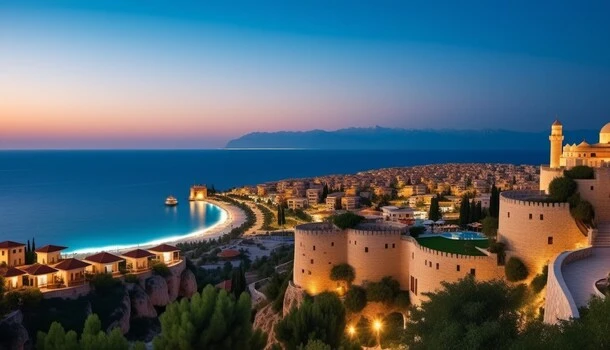
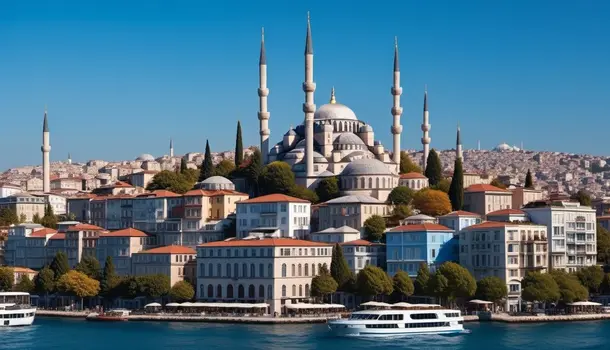
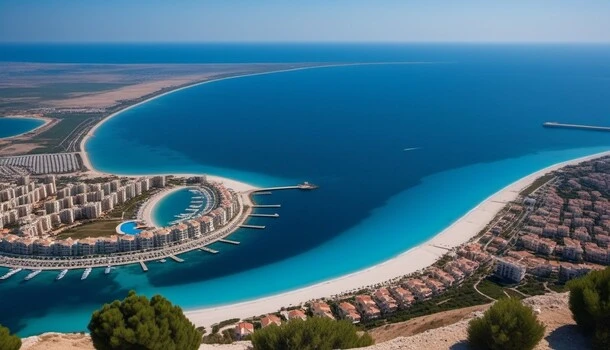
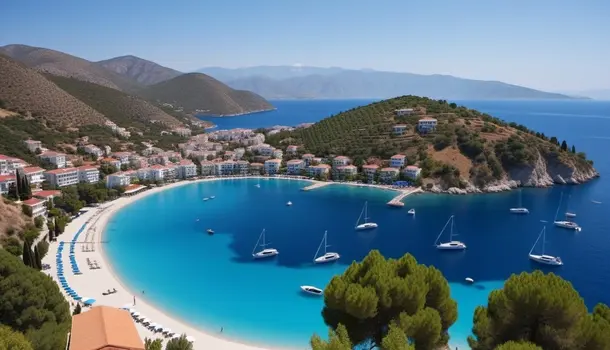

Weather in Turkey
For Sale office in Turkey
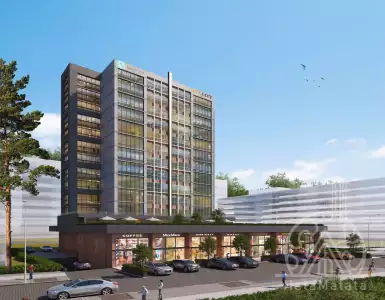
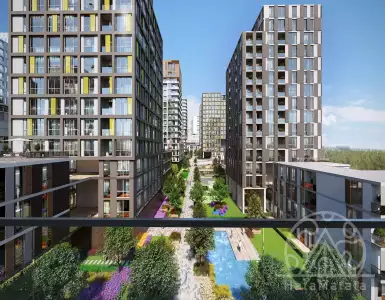
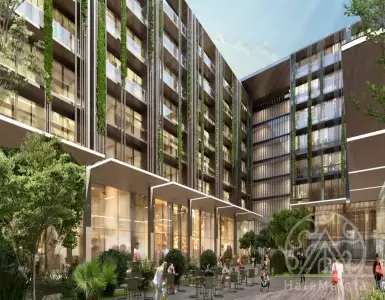
Offices in Istanbul

Didnt find the right facility?
Leave a request - we will handle the selection and send the best offers in a short period of time



Irina Nikolaeva
Sales Director, HataMatata
Office in Turkey
- 🔸 Reliable new buildings and ready-made apartments
- 🔸 Without commissions and intermediaries
- 🔸 Online display and remote transaction
International Real Estate Consultant
Leave a request and our manager will contact you.
International Real Estate Consultant
Individual selection offices in Turkey
Save time — for free we will select objects for your budget and goals
🇹🇷 Office acquisition in Turkey — legal requirements, market trends and location factors
Turkey’s combination of geographic crossroads, fast transport links and a large domestic market makes it a compelling destination to Buy office in Turkey for private users and institutional investors alike. Commercial demand is driven by tourism hubs, growing regional headquarters, logistics corridors and public projects such as the Istanbul Finance Center, creating repeatable rental income and capital-growth profiles for an Office in Turkey across different segments. Practical considerations — from approvals and tax structures to financing options for foreigners — shape how buyers approach an Office for sale in Turkey.
🌍 How Turkey’s geography and infrastructure define demand for Office in Turkey
Turkey sits at the junction of Europe and Asia and this geography concentrates business activity in gateway cities. Istanbul, with a metropolitan population exceeding 15 million, plus twin airports (Istanbul Airport IST and Sabiha Gökçen SAW), the Eurasia Tunnel, Marmaray rail link and two major highways (TEM and E-5), anchors demand for central business district offices in Levent, Maslak, Ataşehir and Şişli. Proximity to airports and high-capacity ports like Ambarlı and Mersin supports logistics and export-oriented office occupations.
Turkey’s climate diversity — Mediterranean on the Aegean and southern coasts, continental inland — concentrates tourism-driven commercial demand in Antalya, İzmir and Bodrum, where seasonal company branches and service offices generate short-term rental spikes and coworking demand. Urbanization and modern mixed-use complexes combine retail, hotel and office components; projects near transport hubs and metro lines consistently outperform peripheral stock in occupancy and rental growth.
Sectoral clustering matters: finance and multinational headquarters cluster in Istanbul Finance Center and Levent, technology and startups increasingly choose Maslak and Ataşehir, and logistics/industrial offices aggregate around Gebze, Tuzla and Bursa. Buyers evaluating an Investment office in Turkey should weight transport nodes, metro lines, airport access and tourist throughput as primary liquidity drivers.
💹 How Turkey’s economy and investment climate influence Office in Turkey
Turkey ranks among the world’s top economies by GDP and has a broad industrial base: manufacturing, tourism, finance and construction drive office space demand across multiple cities. Strong tourism inflows—tens of millions of international visitors annually—support seasonal commercial leasing in coastal cities while a large domestic market sustains year‑round demand in Ankara and regional capitals.
Tax and regulatory context shape returns: corporate tax levels and VAT rules influence operating costs and investor cash flows; standard VAT on commercial property transactions is commonly 18%, and municipal property taxes and levies affect net yields. Business-friendly incentives in Free Zones and organized industrial regions (e.g., Gebze OIZ, Bursa OIZ) attract exporters and logistics firms, boosting demand for adjacent office and business park space.
Macroeconomic cycles affect short-term liquidity but long-term real yield can be attractive where rental yields exceed financing and holding costs; institutional investors tracking ROI on office in Turkey prioritize core CBD assets in Istanbul and steady-growth regional centers such as İzmir and Ankara for portfolio diversification.
💶 How much Office costs in Turkey with concrete price ranges and formats
Office pricing varies by city, district, building class and age; buyers should evaluate both price per square meter and typical unit sizes. Typical price ranges for purchasing office units are:
- Istanbul (Levent, Maslak, Ataşehir, Şişli): $2,000–$7,000 per sqm for prime A-class towers; smaller secondary offices $1,000–$2,500 per sqm.
- Ankara (Çankaya, Söğütözü): $1,200–$3,000 per sqm for central offices; suburban business parks $700–$1,500 per sqm.
- İzmir (Alsancak, Konak): $1,500–$4,000 per sqm in prime waterfront or central locations.
- Antalya (Muratpaşa, Lara): $800–$2,500 per sqm driven by tourism seasonality.
- Industrial/logistics clusters (Gebze, Bursa, Mersin): $600–$2,000 per sqm, with larger floorplates available for corporate occupiers.
Typical unit formats: - Small standalone offices: 50–150 sqm for SMEs and satellite teams.
- Mid-size floors / suites: 150–700 sqm for professional services and mid-market firms.
- Whole floors and headquarters: 700–2,500+ sqm in A-class towers and business parks.
New developments command a 10–30% premium over comparable completed stock due to warranties, modern MEP systems and better energy performance; buyer demand has favored Grade A floorplates near finance and transport hubs.
🎯 Which cities and regions in Turkey attract most Office purchases and why
Istanbul dominates transactional volume and foreign interest due to scale, connectivity and corporate concentration; submarkets with highest liquidity include Levent, Maslak, Ataşehir, Şişli and Kartal, each linked to metro lines, highway junctions and cluster tenants. Ankara is the administrative and defense procurement center, driving steady demand in Çankaya and Söğütözü where government and contractor offices cluster. İzmir’s port access and Aegean trade provide steady commercial tenancy in Alsancak, Konak and Karşıyaka.
Coastal cities such as Antalya and Bodrum attract service-sector offices and seasonal coworking for tourism operators and real‑estate services, creating short-term high rental yield windows during peak months. Industrial and logistics demand centers — Gebze, Tuzla, Bursa, Mersin — attract investor interest for offices that support warehouse and production facilities, often leased to multinational logistics and manufacturing tenants.
Price and rental differentials reflect this geography: Istanbul prime purchases trade at the top of the market and yield compression, while secondary cities offer lower entry prices and higher initial rental yields; foreign tenants and investors typically target a mix of core CBD assets and regional logistics-adjacent offices to balance capital appreciation and cash yield.
🏗️ Leading developers and notable office projects in Turkey
Market-leading developers active in office and mixed-use projects include Emlak Konut, Emaar (Emaar Square Istanbul), Rönesans, Nef, Ağaoğlu, Kiler GYO (Maslak 1453) and İş GYO (İş Kuleleri). These groups deliver large-scale business parks, A-class towers and mixed-use complexes that attract multinational tenants.
Representative projects and precincts:
- Istanbul Finance Center (IFM) — national finance cluster engineered to host banks, insurance and financial services.
- Emaar Square — mixed-use complex with office towers and retail in the Asian side of Istanbul.
- Zorlu Center, Kanyon, Sapphire — established mixed-use developments with premium office components in central Istanbul.
- Maslak 1453 and İş Kuleleri — examples of high-density corporate office stock in Maslak and Levent.
Choosing projects by developer track record, pre-lease rates and building certifications (LEED/BREEAM equivalents) is essential for investors prioritizing long-term occupancy and institutional lease covenants.
💳 Mortgage and installment options for foreigners buying Office in Turkey
Foreign buyers can access financing but terms differ from domestic borrowers; commercial lending is typically more conservative. Typical bank offers for commercial properties include down payments of 30–50%, loan terms up to 5–10 years for offices, and interest rates that vary with monetary conditions; major lenders (state and private banks) evaluate credit history, collateral and cash flow projections.
Developers frequently provide an office in Turkey with installment plan as a sales tool: spot down payment followed by 24–60 month staged payments, sometimes interest-bearing or partially interest-free depending on campaign and project completion stage. Key financing requirements:
- Valid passport and Turkish tax number,
- Bank account in Turkey and proof of funds,
- Property appraisal report and sales contract,
- Additional documentation for corporate buyers (company registry, authorized signatories).
For Mortgage Turkey for foreigners and office in Turkey with mortgage, buyers should secure pre-approval and compare bank offers and developer plans to optimize cash flow and ROI.
📝 Step-by-step Legal process to buy office in Turkey and administrative flow
Practical purchase steps begin with property selection, legal due diligence and obtaining a Turkish tax number. Buyers typically sign a reservation agreement followed by a sales contract (preliminary contract) that sets deposit, payment schedule and delivery conditions; a power of attorney may be notarized for remote closings. Title deed transfer occurs at the Land Registry (Tapu) office where the buyer pays title deed tax (commonly 4% of declared value) and the tapu is updated.
Essential legal checks include verifying zoning and usage (commercial registration vs mixed-use), debt and lien searches, and ensuring the developer holds construction permits and occupancy permits (iskân) for completed projects. Notary and land registry steps finalize ownership; closing often requires settling VAT where applicable and registering any mortgage. Typical timelines range from a few weeks for completed stock to many months for off‑plan deliveries and escrowed installment plans.
Buyers should engage a local lawyer and a licensed real estate expert to review drafts, confirm land status, check outstanding taxes and validate seller authority; this mitigates risks around encumbrances and municipal obligations and speeds up the Legal process to buy office in Turkey.
⚖️ Legal obligations, taxes and the rules of owning Office in Turkey
Commercial property ownership triggers several recurring and transactional taxes: VAT on commercial sales (commonly 18%), title deed transfer tax (about 4%), and annual property tax assessed by municipalities which for commercial premises often ranges between 0.2–0.4% of assessed value depending on location. Rental income is taxable and subject to personal income tax or corporate tax rules for companies; lease contracts must be registered and VAT treatment applied where relevant.
Rent regulation for commercial lease terms is largely contract-driven, with parties free to agree duration and indexation; common lease lengths are 3–10 years with CPI-linked rent reviews and security deposits. Insurance, building management fees and compliance with workplace safety regulations are mandatory considerations for owners placing tenants into operation.
Purchasing an office normally does not automatically grant residency or citizenship. Residence permit through office investment in Turkey and Golden visa through office investment in Turkey are not generally available as automatic entitlements for commercial purchases; investors looking for immigration outcomes should consult immigration law specialists to evaluate eligibility under property-based programmes or alternative visa routes.
🧭 Which buyer profiles suit buying Office in Turkey and recommended locations
Corporates seeking regional headquarters usually select Levent, Maslak or Ataşehir in Istanbul for proximity to banks and professional services, favoring large floorplates in A-class towers for branding and staff amenities. Investors looking for steady rental cashflow often target mid-size offices in İzmir and Ankara or logistics-adjacent offices in Gebze and Bursa to capture industrial tenant demand and attractive yields.
Buy-to-let players and funds chasing short-term seasonality will evaluate Antalya and Bodrum where tourism lifts occupancy for travel agencies, property management firms and retail-linked offices; coworking operators often prefer central wards in Konak (İzmir) and Söğütözü (Ankara) for dynamic tenant churn. Family businesses or private buyers needing mixed-use workspace with residential proximity commonly choose smaller suites in mixed towers or business parks.
Premium-segment buyers seeking trophy properties aim for river- or sea-view offices and boutique corporate villas in upscale Istanbul corridors or branded mixed-use projects like Zorlu Center; these assets offer prestige and long-term capital preservation rather than high initial yields.
Turkey’s office market shows layered prospects: core Istanbul stock remains the primary liquidity engine, regional centers provide diversification and often superior immediate yields, and logistics/industrial adjacency creates structurally durable demand for office support space. Investors who structure purchases with realistic financing, careful legal due diligence and a mix of CBD and regional assets can capture both rental yield and medium-term capital appreciation in the Turkish commercial real-estate landscape, making Buy office in Turkey a pragmatic consideration for global portfolios seeking exposure to an economy with cross‑continental reach.
Frequently Asked Questions
Can foreigners buy office property in Turkey?
Yes. Foreign nationals can generally purchase commercial real estate in Turkey and register title deeds (TAPU). Some restrictions apply in military, security or strategic zones and purchases must pass local cadastral checks. Buyers must present ID, tax number and complete the deed transfer at the land registry office.
What are current office prices across Turkey?
Average asking prices vary: country-wide office sale prices commonly range $800–1,500 per sqm. Istanbul prime central offices reach roughly $1,800–3,500/sqm, while Ankara and Izmir typically fall between $900–1,600/sqm. Typical gross rental yields in major cities sit around 4–6%.
Can buying an office in Turkey help me get residency or citizenship?
Yes. Buying property in Turkey can qualify you for a short-term residence permit. Citizenship by investment is available if a real-estate purchase meets the national minimum investment threshold (roughly $400,000), the property is retained and free of encumbrances for the required holding period (commonly three years), and paperwork is completed per regulations.
Are mortgages available to foreigners who want to buy an office in Turkey?
Foreign buyers can access mortgages from Turkish banks, though terms are tighter than for locals. Typical loan-to-value ratios for non-residents range around 40–65% depending on lender and documentation. Loans can be offered in TRY or foreign currency, with varying interest rates and income proof requirements.
What taxes and transaction costs should I expect when buying an office in Turkey?
Buyers typically pay title-deed tax (about 2% of declared price), notary and registration fees, and local transaction costs. Commercial properties often carry VAT rates (commonly 18% depending on transaction and property type). Annual property tax is levied on assessed value (typically a fraction of a percent). Capital gains and rental income are taxed under standard rules.
What rental yields and appreciation can I expect for offices in Turkey?
Gross rental yields in major Turkish cities commonly range 4–6%; secondary cities can be higher. Capital appreciation varies with location and macro conditions — major urban centers historically outperformed national averages, but currency and inflation create volatility. Expect medium-term horizons of several years for meaningful value growth.
Are there special legal checks for buying offices near restricted areas in Turkey?
Yes. Properties near military, border or strategic zones require additional clearance from local authorities before title transfer. The land registry performs a national security review; if flagged, purchase may be blocked or delayed pending government approval. Expect additional paperwork and potential wait times.
How long does it usually take to buy an office in Turkey from offer to title transfer?
A standard purchase can complete in 4–10 weeks after offer acceptance: due diligence, obtaining a tax number, notarization of power of attorney if needed, and TAPU transfer. Complex cases, foreign approvals or multi-unit deals can extend the timeline to a few months.
How easy is it to lease out an office in Turkey and what lease terms are common?
Leasing demand is strongest in Istanbul, Ankara and Izmir; vacancy rates depend on district. Typical commercial leases run 3–5 years or longer with negotiated rent reviews and tenant guarantees. Short-term serviced or coworking options can increase occupancy but may change yields and operating costs.
What long-term advantages does investing in office property in Turkey offer?
Turkey offers strategic location between Europe and Asia, a large young workforce, expanding services and logistics sectors, and improving infrastructure. For investors this can mean diversified tenant pools, demand from multinational firms, and potential inflation-linked income. Consider currency risk and legal due diligence when planning long-term holdings.
Real estate types in Turkey
- Flats in Turkey (1854)
- Houses in Turkey (166)
- Villas in Turkey (162)
- Penthouses in Turkey (31)
- Lands in Turkey (14)
- Hotels in Turkey (13)
- Buildings in Turkey (12)
- Duplexes in Turkey (11)
- Shops in Turkey (9)
Real estate types by regions of Turkey
Properties by Region
- Offices in Antalya (1422)
- Offices in Istanbul (667)
- Offices in Mersin (102)
- Offices in Mugla (46)
- Offices in Aydin (20)
- Offices in Izmir (17)
- Offices in Ankara (11)
Properties by Country
- Real estate in Bulgaria (11427)
- Real estate in Montenegro (5346)
- Real estate in Spain (5198)
- Real estate in Indonesia (2424)
- Real estate in Turkey (2318)
- Real estate in Portugal (2037)
- Real estate in Croatia (1682)
- Real estate in Cyprus (1628)
- Real estate in Italy (1585)
- Real estate in Thailand (1565)
- Real estate in Greece (1119)
- Real estate in France (1070)
- Real estate in USA (732)
- Real estate in Georgia (507)
- Real estate in Serbia (246)
- Real estate in Slovenia (125)
- Real estate in Egypt (20)
Don't know where to start buying a property in Turkey?
Leave a request and receive free advice on prices, taxes, residence permits and the real estate market. in Turkey.

Maria Guven
Head of Direct Sales Department
+90-507-705-8082