


Branded Residences in Thailand Surge to US$6.48bn — What Investors Must Know

Thailand’s branded residences hit US$6.48bn — what’s driving the boom?
Thailand’s branded residences market is now valued at THB 205.3 billion (US$6.48 billion) across more than 13,000 residential units, and that number matters if you follow real estate Thailand. The figure is not academic; it signals a shift in buyer priorities and development models. Buyers and investors are choosing branded ownership that combines private title with hotel-level services: professional management, premium wellness offerings, 24-hour concierge and the reassurance of an international brand.
This piece reviews where the supply sits, who is buying, what buyers pay for, the infrastructure and environmental commitments behind these projects, and the risks you should price into any purchase. Our analysis uses the market parameters mapped for 2026 and includes practical advice from destination specialists working in Thailand’s top hubs.
Where the supply is concentrated: Bangkok, Phuket, Koh Samui and Hua Hin
The branded-residence boom is geographically focused. Developers and brands are clustering product where tourism, wealth and infrastructure intersect.
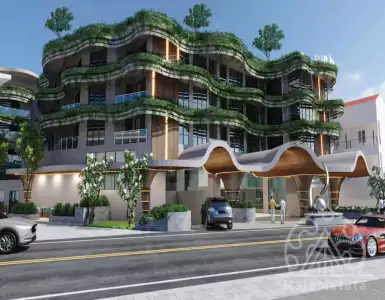
- Bangkok: High-density, high-rise branded condominium towers define the capital’s contribution. These projects target corporate executives and international investors who need proximity to business districts, embassies and global connectivity.
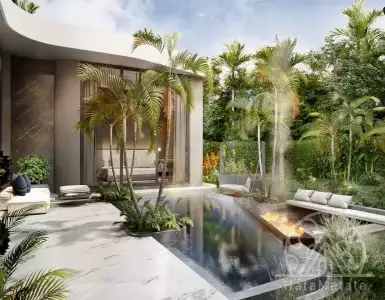
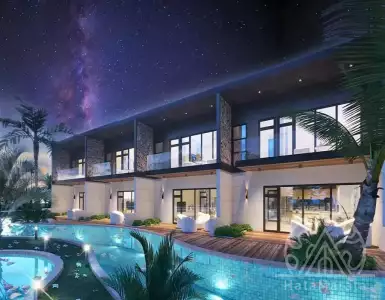
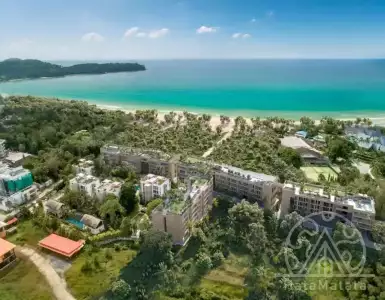
- Phuket: The island’s limited prime coastal land has pushed developers inland and to the north, creating low-density resort communities with villas and wellness estates. These attract holiday-home buyers, retirees and digital nomads.
- Koh Samui: Low-density, resort-focused hillside residences cater to lifestyle buyers and wellness seekers who prioritise privacy and island amenities.
- Hua Hin: Positioned as a weekend retreat with family-oriented communities, Hua Hin attracts affluent local families and domestic investors who value rail and highway access to Bangkok.
Market segmentation by location (2026 parameters) shows distinct development styles and infrastructure needs:
- Bangkok: skyscraper condos, focus on smart transit and high-speed fibre.
- Phuket: oceanfront villas and wellness estates, need modern road networks and private port access for some projects.
- Koh Samui: ecological waste systems and private access, with a focus on low-density hillside residences.
- Hua Hin: integrated family communities, reliant on rail and highway connections to Bangkok.
This concentration matters for pricing, rental yield expectations and exit strategy. Urban towers trade differently from low-density beachfront villas, and local market mechanics diverge between foreign long-stay demand and domestic upgraders.
What buyers are buying: services, brand and tech
Branded residences are not simply a name plate on a lobby wall. Buyers are paying for:
- Professional on-site management that handles leasing, maintenance and guest services.
- Hotel-grade wellness and lifestyle facilities, including spas, fitness centres and curated programming.
- 24-hour concierge and security that afford peace of mind and enable short-term rentals.
- Technology integration such as smart building systems, energy management and high-speed connectivity.
Developers are expanding beyond hotel groups into design-led lifestyle brands and even automotive-inspired residential projects that weave brand heritage into product DNA. For buyers this means there is now choice across a spectrum from conservative, service-focused product to experiential, design-forward options.
Financial logic for investors is twofold: brand-driven price premiums on sale and the expectation of steadier short-term rental demand when projects are operated by global brands. But brand does not guarantee returns: location, micro-market supply and operational competence remain decisive.
Sustainability, infrastructure and community impact
A real strength of the current branded-residence expansion in Thailand is the formal push toward smart, low-impact development. Projects are incorporating:
- Smart energy grids and microgrids to improve energy reliability and lower operating costs.
- Rainwater harvesting systems to reduce municipal water stress and cut utility bills.
- Ecological waste systems to manage wastewater and preserve coastal and forest ecosystems.
The growth is often planned with local authorities and the Real Estate Information Center (REIC), which helps align projects with municipal infrastructure plans. Developers report that channeling investment into roads, fibre networks and conservation programs is part of obtaining approvals and winning resident support.
There are local economic benefits. Branded developments create jobs for construction trades, landscaping cooperatives and hospitality staff. They also fund nearby conservation projects tied to marine and forest restoration when developers commit to community funds.
For buyers this means two practical outcomes:
- Higher operating costs at the outset because of advanced infrastructure and certification requirements, but lower lifecycle costs through energy efficiency.
- The potential for higher resale values when projects meet recognised green standards and offer authentic local integration.
Price signals, yields and how branded stock differs from regular inventory
Branded residences command a premium over non-branded equivalents in the same location. That premium is driven by the combination of services, brand recognition and operational capability. However, the premium varies by product type and location:
- High-rise Bangkok condos may price at a premium for proximity, services and rental management; yields tend to follow central business district rental markets.
- Coastal villas and wellness estates often show lower rental yields but stronger capital appreciation linked to limited land supply and lifestyle demand.
Investors should read these signals carefully. A branded property in a supply-constrained Phuket enclave can appreciate on scarcity, but the cashflow profile will differ from a serviced apartment in Bangkok targeting corporate leases.
Risks and due diligence: what to check before you sign
Branded residences offer many advantages, but risks are real. Here’s what buyers must verify before committing capital:
- Legal title and foreign ownership status. Thailand allows foreign ownership of condominiums under the condominium quota regime. For land and villa ownership, foreigners commonly use long leases or company structures. Confirm the precise ownership model for the unit you consider.
- The brand agreement.

Specific local advice from destination specialists in the market includes:
- Schedule viewings in shoulder season months like September or October when developers may offer incentives.
- Pre-verify internet and road infrastructure for projects in emerging areas.
- Observe local etiquette in sales galleries and model homes, including removing footwear at thresholds unless told otherwise.
We emphasise legal and tax advice. Bring a local-qualified lawyer and an accountant to review contracts and tax exposure for rental income, mainland taxation and exit scenarios.
Buyer profiles and investment strategies
Different buyers pursue branded residences for distinct reasons. Align your strategy to your profile.
- Holiday-home owners: seek lifestyle access, privacy and hotel-style servicing. They accept lower rental yield for higher personal use.
- Yield-focused investors: look for branded product in rental-heavy zones, often in Bangkok or central Phuket nodes that attract short-stay guests year-round.
- Long-term capital investors: favour low-density, limited-supply coastal plots where scarcity can drive appreciation.
- Lifestyle buyers and wellness seekers: target Koh Samui and wellness estates where curated programming and nature proximity are priorities.
If you are an investor, define your holding period and desired cashflow before purchase. Branded product can be more expensive to operate, and management contracts can lock in fees that impact net yield.
Practical tips for viewing and negotiating—local insider advice
From the destination specialists interviewed for this brief, here are practical steps to get the best outcome:
- Plan visits in shoulder seasons of September and October for quieter sales galleries and developer incentives.
- Confirm fibre-optic connectivity and road access before paying deposits on properties in new zones.
- Explore Thalang’s eco-estates in Phuket if you want privacy away from west-coast crowds.
- Taste local culture: trying Mee Sapam in Phuket Town gives perspective on local life that matters if you plan to rent to international guests who seek authentic experiences.
Negotiation points to raise with sellers include:
- Clarify the management fee structure and any cap on fee increases.
- Negotiate for clear performance benchmarks in the brand-management agreement.
- Seek commitments on completion timelines for promised community facilities.
Competition and the regional context: Vietnam and beyond
Thailand’s growth in branded residential stock faces competition from neighbouring markets. The article highlights Vietnam as an emerging competitor. For buyers this means:
- Thailand will need to sustain service quality, integrate cultural identity into projects and maintain green building standards to preserve market share.
- Comparative due diligence matters: compare entry pricing, taxation, projected yields and brand presence across regional markets before allocating capital.
Thailand has advantages: established tourism infrastructure, a mature hospitality sector and a wide selection of branded operators. But rising supply in neighbouring countries can compress returns if demand rotates.
Long-term outlook: what this means for buyers and investors
The branded-residence market’s value at THB 205.3 billion reflects a clear demand shift. For buyers and investors this means a few practical takeaways:
- Expect to pay a premium for brand and service, but also expect more predictable guest flows in professionally managed schemes.
- Prioritise projects with verified green credentials and completed local infrastructure to reduce operating risk.
- Balance lifestyle motives against yield expectations: beachfront villas excel at capital gains, condos in Bangkok often deliver stronger short-term yields.
We advise a conservative underwriting mindset. Brand affiliation is an enhancement, not a substitute for location or project execution.
Frequently Asked Questions
Q: How big is Thailand’s branded residences market?
A: The market is valued at THB 205.3 billion (US$6.48 billion) and includes more than 13,000 residential units, according to the latest sector mapping for 2026.
Q: Where should I look if I want a branded residence in Thailand?
A: Primary hubs are Bangkok for high-rise branded condos; Phuket for coastal and inland wellness estates; Koh Samui for low-density resort living; and Hua Hin for family-focused weekend communities.
Q: Can foreigners buy branded residences in Thailand?
A: Foreigners can own condominiums under Thailand’s condominium foreign ownership rules, but land ownership is restricted. Many foreign buyers use leaseholds or company structures for villas. Obtain local legal advice before signing.
Q: What are the main risks when buying branded residences?
A: Key risks include brand or operator withdrawal, infrastructure shortfalls in emerging zones, unclear management-fee arrangements, and developer execution delays. Verify contracts, infrastructure status and developer track record.
Final assessment and practical takeaway
Branded residences in Thailand offer a tested way to combine private ownership with hotel-standard services. The sector’s THB 205.3 billion valuation and over 13,000 units show robust demand across urban and coastal markets. That said, the premium you pay for brand and services must be weighed against local execution risk, management contracts and the state of supporting infrastructure. If you are buying, verify title, confirm completed infrastructure and insist on transparent management terms before committing funds. As of 2026 the market is valued at THB 205.3 billion across more than 13,000 units.
Tags
We will find property in Thailand for you
- 🔸 Reliable new buildings and ready-made apartments
- 🔸 Without commissions and intermediaries
- 🔸 Online display and remote transaction

International Real Estate Consultant

Subscribe to the newsletter from Hatamatata.com!
Subscribe to the newsletter from Hatamatata.com!
Popular Posts

We will find property in Thailand for you
- 🔸 Reliable new buildings and ready-made apartments
- 🔸 Without commissions and intermediaries
- 🔸 Online display and remote transaction
International Real Estate Consultant

Subscribe to the newsletter from Hatamatata.com!
Subscribe to the newsletter from Hatamatata.com!
I agree to the processing of personal data and confidentiality rules of HatamatataPopular Offers
 1
1
 0
0
 2
2
80
2
2
80
 4
4
166
4
4
166
Need advice on your situation?
Get a free consultation on purchasing real estate overseas. We’ll discuss your goals, suggest the best strategies and countries, and explain how to complete the purchase step by step. You’ll get clear answers to all your questions about buying, investing, and relocating abroad.



Sales Director, HataMatata