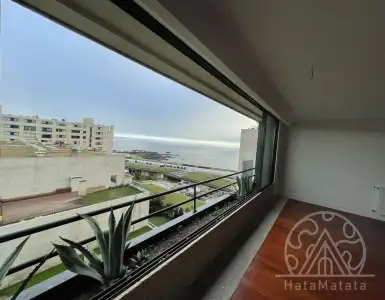
 738 112 $
Flat with 2 bedrooms in Matosinhos, Portugal
Bedrooms: 2 Bathrooms: 3
Matosinhos, Portugal
Submit RequestExplore exclusive properties in Matosignus, Porto. Enjoy a vibrant city lifestyle, proximity to beaches, and excellent investment opportunities in Portugal.
 Irina Nikolaeva, Southern Europe Real Estate Expert
Updated:
738 112 $
Matosinhos, Portugal
Submit Request 535 814 $
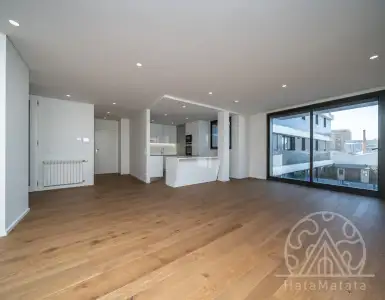 1 093 499 $
Matosinhos, Portugal
Submit Request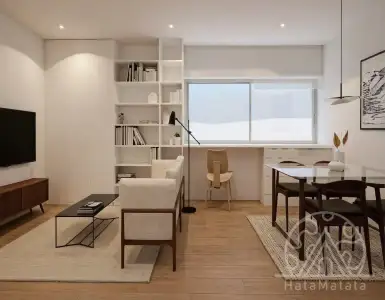 357 574 $
Matosinhos, Portugal
Submit Request 153 089 $
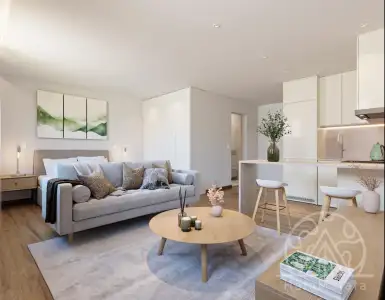 212 138 $
Matosinhos, Portugal
Submit RequestProperties matching your filters: 30
738 112 $
Matosinhos, Portugal
Submit Request
535 814 $
1 093 499 $
Matosinhos, Portugal
Submit Request
357 574 $
Matosinhos, Portugal
Submit Request
153 089 $
212 138 $
Matosinhos, Portugal
Submit Request 262 439 $
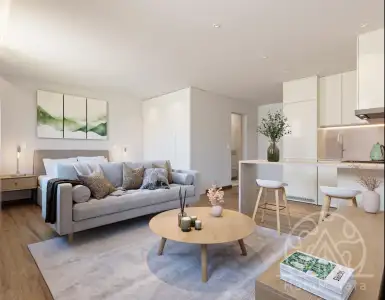 217 606 $
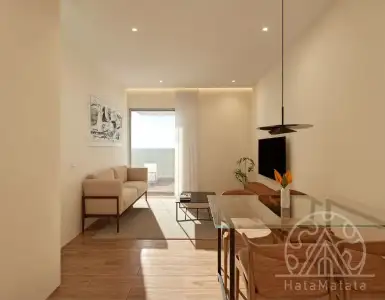 543 469 $
Matosinhos, Portugal
Submit RequestLeave a request and we will pick 3 best options for your budget
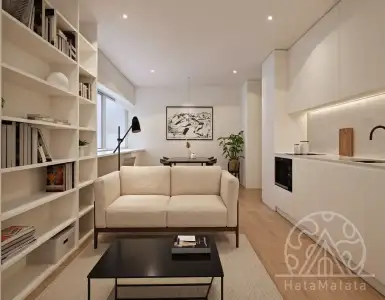 449 428 $
Matosinhos, Portugal
Submit Request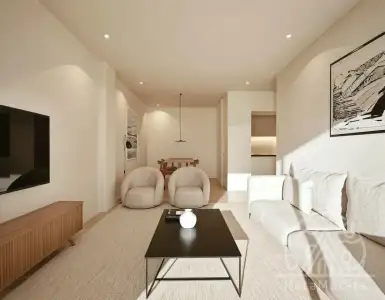 382 724 $
Matosinhos, Portugal
Submit Request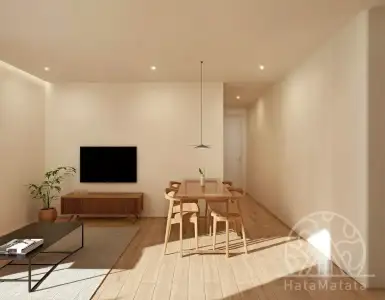 376 163 $
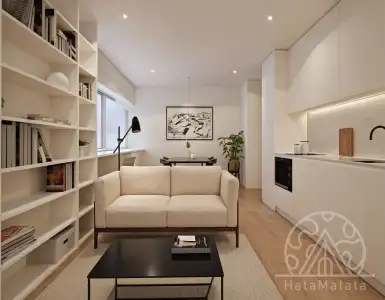 366 322 $
Matosinhos, Portugal
Submit Request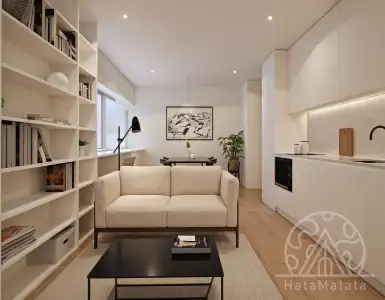 352 106 $
Matosinhos, Portugal
Submit Request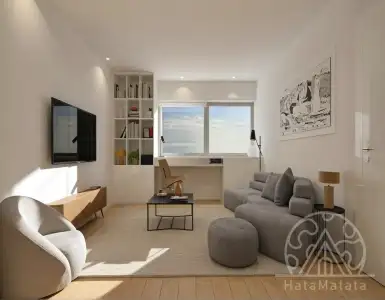 553 310 $
Matosinhos, Portugal
Submit Request 267 907 $
 303 992 $
 617 827 $
Matosinhos, Portugal
Submit RequestWe will send a selection for your budget
 399 127 $
Matosinhos, Portugal
Submit Request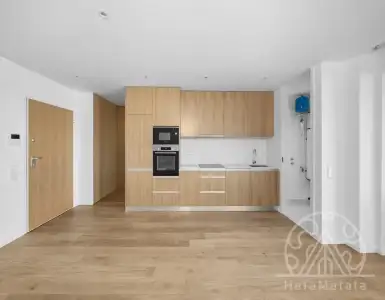 650 632 $
Matosinhos, Portugal
Submit Request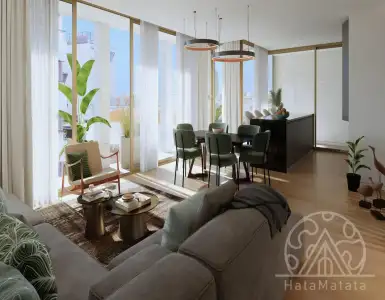 612 359 $
Matosinhos, Portugal
Submit Request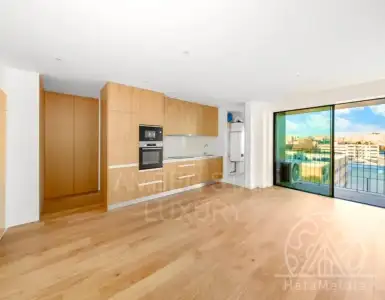 650 632 $
Matosinhos, Portugal
Submit Request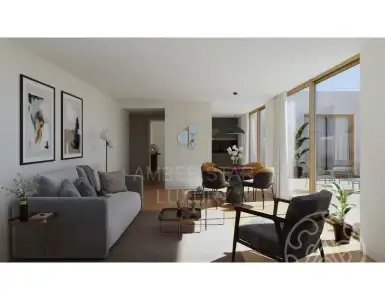 847 462 $
Matosinhos, Portugal
Submit Request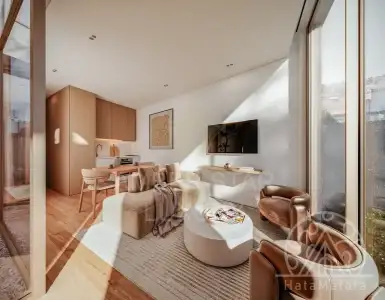 399 127 $
Matosinhos, Portugal
Submit Request Legal review:
Deni Gerikhanov, International Real Estate Lawyer
 Financial review:
Evgeniya Skripko, Financial Expert in International Real Estate
Reviewed:
Matosignus sits on the northern coast near Porto, offering a balanced mix of Atlantic shoreline, urban convenience and growing investment potential. The city combines broad sandy beaches on the west flank with a compact historic center, Mediterranean-influenced climate and easy access to Porto’s international airport. For private buyers seeking quality of life and investors hunting reliable yields, Matosignus presents a clear proposition: coastal lifestyle, improving infrastructure and diversified property stock spanning new developments to character resale buildings.
Matosignus occupies a strategic corridor between the Porto metropolitan core and Atlantic resorts, with microclimates moderated by sea breezes and annual average temperatures that make outdoor living plausible for much of the year. The coastal promenade, local marinas and small fishing harbors concentrate leisure activity and premium residences along the western districts. The city’s cultural calendar mixes traditional markets, contemporary galleries and a growing café scene that appeals to families, remote workers and buyers seeking second homes.
Matosignus benefits from both day-to-day convenience and tourist demand: supermarkets, weekly markets and compact shopping streets in the center serve residents while beaches, surf schools and boutique hotels attract seasonal visitors. The lifestyle is urban-coastal rather than resort-only; that balance supports steady long-term rental demand as well as short-stay tourism in selected zones.
Matosignus’s climate and coastal topography drive market segmentation: waterfront neighborhoods command price premiums, inner-city streets with renovated period buildings attract professionals, and outer suburbs offer larger plots and modern gated villa developments preferred by families.
Matosignus shows a mixed price profile with an overall citywide average around €3,200/m², while prime waterfront and fully renovated historic units reach €4,500–€6,000/m². Outlying residential zones and newly developing suburbs list from €1,800–€2,700/m², creating accessible entry points for investors and private buyers.
Price ranges by district:
Central Riverside suits professionals and small families who value proximity to business hubs and cultural life, with mainly renovated apartments and mixed-use buildings. Safety and livability are high, public services are concentrated, and building density is medium to high, attracting buyers focused on rental income and capital growth.
Atlantic Front appeals to premium lifestyle buyers and holiday rental investors seeking seafront views, larger terraces and luxury finishes. Infrastructure here is tourism-driven—beach access, marinas and high-end restaurants—while development intensity remains controlled to protect coastal character.
East Parklands and Greenbelt neighborhoods offer lower density, newer construction and larger private plots, attracting relocating families and buyers looking for new build property in Matosignus or single-family homes with gardens. These districts are best for buyers prioritizing space and modern amenities over centrality.
Neighborhood snapshot:
Matosignus connects to Porto and surrounding municipalities via a regional rail corridor and frequent bus services, with average travel times of 15–25 minutes to Porto city center depending on traffic. The city is approximately 12–18 km from Francisco Sá Carneiro Airport, a typical drive of 20–25 minutes under normal conditions.
Road access includes a coastal A-class link that ties Matosignus to the A1 and A28 motorways, enabling direct connections to Lisbon and northern Portuguese industrial regions. Commuters benefit from integrated transport cards used on trains and buses, and inner-city cycling lanes are expanding.
Public transport details:
Matosignus hosts a network of public and private healthcare facilities; local clinics and primary care centers serve neighborhoods while the nearest major hospital, Hospital de São João in Porto, is within easy reach for specialized care. Education infrastructure includes municipal primary and secondary schools, several private international school options in the wider Porto region and proximity to the University of Porto for higher education and research collaboration.
Retail and leisure facilities include a modern shopping center on the northern ring, weekly farmers’ markets, specialized seafood markets near the harbor and leisure marinas. Parks and green corridors such as the East Linear Park deliver outdoor recreation options and improve walkability across districts.
Key facilities and amenities:
Matosignus’s economy balances tourism, light manufacturing, logistics and a growing services sector. The port and small commercial harbors support maritime trade and fisheries, while industrial parks on the city outskirts accommodate distribution centers and light industry. Tourism remains a strong seasonal engine—beaches and cultural attractions sustain hospitality jobs and short-term rental demand.
City development has prioritized selective waterfront regeneration, conversion of industrial quays into mixed-use districts and incremental infrastructure upgrades to support new developments. Municipal incentive schemes encourage renovation of historic buildings and adaptive reuse for hospitality and residential projects, improving neighborhood values.
Economic highlights:
Buyers will find a diverse supply: historic period flats in the Old Town, contemporary apartment complexes in East Parklands, terraced townhouses in Riverside and standalone villas along the Atlantic Front. New developments in Matosignus range from boutique 10–40 unit projects to larger complexes with over 150 apartments, while resale property includes restored townhouses of 80–200 m² and smaller studios of 30–50 m².
New-build projects typically offer higher energy-efficiency standards, communal spaces and underground parking; resale stock often requires renovation but gains value after upgrading. Off-plan property in Matosignus remains attractive for buyers seeking customization and staged payments.
Housing format breakdown:
Large Portuguese construction groups and property investors are active in the Porto metropolitan area and influence supply dynamics near Matosignus. Notable companies operating in the region include Mota-Engil, Grupo Casais, Teixeira Duarte, Norfin and Sonae Sierra, which are involved in construction, redevelopment and mixed-use projects that often spill over into Matosignus’s redevelopment corridors.
Local developers collaborate with national construction groups to deliver mid-sized residential blocks, adaptive reuse of historic warehouses and gated villa communities. Project features commonly include energy-efficient design, landscaped communal gardens and flexible floor plans that support both private living and short-term rental use.
Project characteristics:
Portuguese banks frequently lend to foreign buyers; standard down payments are 20–30% for residents and 25–40% for non-resident buyers depending on borrower profile and property type. Typical mortgage durations extend up to 30 years, with variable and fixed rate options available. Major lenders active for foreign buyers include Caixa Geral de Depósitos, Millennium BCP, Novo Banco and Santander Totta.
Developer financing and installment plans are common for off-plan property in Matosignus: deposits often start at 10–30% followed by staged payments linked to construction milestones, and some developers provide interest-free bridging for a limited period. For buyers looking to buy property in Matosignus with mortgage or to buy property in Matosignus in installments, combining bank lending with a developer plan is a frequent route.
Financing checklist:
The standard purchase sequence begins with a reservation agreement and deposit, followed by signing a promissory contract (Contrato de Promessa de Compra e Venda) that secures terms and schedules further payments. Foreign buyers will need a Portuguese tax number (NIF) and often a local lawyer or notary to handle due diligence and the final deed signing at a notary office.
Payment methods include direct bank transfers, escrow arrangements for off-plan purchases and staged developer payments. Taxes due on acquisition typically include IMT (property transfer tax) calculated on the purchase value, stamp duty and annual municipal property tax (IMI) thereafter. Conveyancing is usually completed within several weeks for resale transactions and per development schedule for new builds.
Practical steps:
Foreign buyers enjoy the same rights as nationals to purchase real estate in Portugal: freehold ownership is straightforward, and properties are registered in the national land registry (Conservatória do Registo Predial). Tax obligations include IMT on purchase, stamp duty and annual IMI, typically 0.3–0.45% for urban properties, although municipal rates vary.
Residence permit pathways linked to property ownership exist in several forms: some investment visas and passive income schemes are commonly used by non-EU buyers to secure temporary residency, while D-type visas for entrepreneurs or passive income applicants are also an option for relocation. Legal due diligence should include checks on encumbrances, building permits and rental licensing for short-term lets.
Legal checklist:
Matosignus supports multiple strategies: permanent residence, long-term rental, short-term holiday letting and capital-growth investment. Each strategy aligns with specific districts and property types.
Matosignus blends coastal appeal with practical urban services and a market structure that supports a wide range of buyers — from first-time private purchasers and relocating families to professional investors seeking rental income or capital appreciation. Whether you target a renovated historic flat near the Riverside Quarter, a modern apartment in East Parklands with a developer installment plan, or a beachfront villa on the Atlantic Front, the purchasing pathway, financing options and legal framework are well-established and accessible through local banks, reputable developers and experienced advisors.
Looking for a property in Matosinhos? Leave a request — we will help you take into account all the nuances, and we will offer objects according to your personal request.