


Buy a fixer-upper in Portugal: how to buy cheap and build your dream home

Why buying a property Portugal to renovate still makes sense
If you are searching for property Portugal, buying a home to refurbish is often the most efficient route to getting exactly what you want at a lower price. Across Portugal there are still houses for renovation from €45,000, a fact that keeps this strategy attractive to buyers and investors alike. But the headline price is only one part of the story. Renovating in Portugal gives freedom to preserve original features or to rebuild interiors to modern standards, while exposing buyers to local rules, paperwork and contractor realities.
I write about international real estate every week, and in my experience the projects that work are the ones that combine realistic budgeting, local knowledge and patience with planning. Renovation is impressive when the original structure includes elements such as wooden beams or stone walls; it is also common in higher-end markets where buyers prefer to create bespoke villas and apartments rather than accept turnkey finishes.
What the market offers: value, character and choice
Portugal’s housing market still contains genuine opportunities for buyers prepared to take on work. Key points to keep in mind:
- Starting prices: properties to refurbish can be found from €45,000, according to the source report. That is a baseline, not a guarantee for every region.
- Range of stock: options exist across urban, coastal and inland provinces, and they range from small village homes to premium villas and apartments in need of updating.
- Architectural value: many properties come with original features such as wooden beams and stone walls that buyers often want to keep.
Where you look matters. The original listing referenced opportunities across provincial areas, including Braga, Castelo Branco, Coimbra, Guarda, Leiria, Lisboa, Portalegre, Porto, Santarém, Setúbal, Viana do Castelo, Vila Real and Évora. Each province has different demand drivers — tourism, local economy, infrastructure — and those factors influence both purchase price and resale prospects.
The appeal: why buyers choose renovation over move-in-ready homes
There are three common motivations behind choosing a fixer-upper in Portugal:
- Control over design. Buyers can preserve character or rework layouts into open-plan living with modern systems.
- Cost efficiency. Purchase prices for renovating properties are often lower than turn-key equivalents in the same location.
- Investment upside. Sensible refurbishments in the right locations can increase value materially when finished.
But there is a trade-off. Renovation demands time, project management and a grasp of local regulations. I have seen projects that succeed because the buyer anticipated delays and budgeted contingencies; I have also seen projects derailed by unrealistic timelines or poorly drafted agreements with contractors.
What buyers must understand before signing contracts
Renovating in Portugal involves three practical issues you cannot ignore: permits, timelines and contractors.
Permits and licences
- You will usually need a building permit (a local planning licence) for structural or layout changes. Smaller cosmetic works may require simpler notifications but rules vary by municipality.
- Heritage protections apply in older towns and protected zones. If your house has listed status or lies in a conservation area, you will need specific approvals to alter original features.
- Expect paperwork and municipal processes. Municipal planning departments can request additional studies, which lengthen approvals.
My view: treat permits as part of the baseline cost and timeline, not as optional extras. Underestimating approval times is the most common cause of delay.
Timelines
- Municipal clearance, design phase, contractor mobilisation and construction all take time. Allow for administrative delays and weather or supply setbacks.
- A realistic schedule for full refurbishment in Portugal can extend over many months. If you need to move in quickly, renovation may not be the right route.
Working with local contractors
- Choose contractors with proven track records and written, itemised contracts. Portuguese trades operate differently across regions; local references matter.
- Be clear about who sources materials, who obtains permits and who is responsible for subcontractors.
- Manage expectations on communication. Language and cultural differences can complicate project management if you are an expat.
Budgeting: realistic costs and hidden items to plan for
The original report highlights bargain purchase prices, but the renovation budget is the decisive factor. Here are cost areas that buyers must plan for:
- Purchase price of the property (for many finds from €45,000)
- Professional fees: architect, engineer, surveyor and legal
- Permitting costs and municipal charges
- Structural remediation: foundations, damp-proofing, roof repairs
- Building works: masonry, carpentry, electrical, plumbing
- Finishes: kitchens, bathrooms, floors and windows
- VAT and taxes where applicable
- Contingency: always build a safety margin of at least 10–20% for unforeseen issues
I have seen buyers who buy cheap but spend more on repairs than they expected. Old properties can hide rot, insect damage or outdated wiring that must be brought up to code. Budget conservatively and insist on a detailed pre-purchase survey.
How to find the right property and verify its potential
Finding the right fixer-upper is more art than science. Use a checklist before making an offer:
- Obtain a professional structural and technical survey.



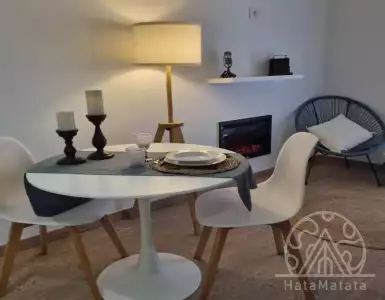
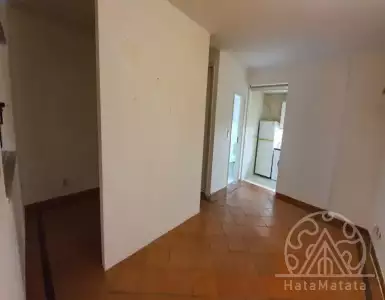

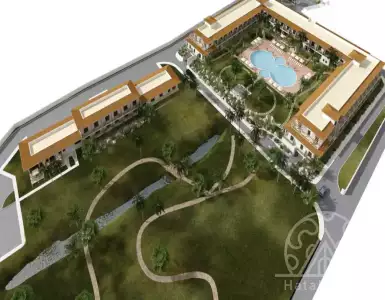
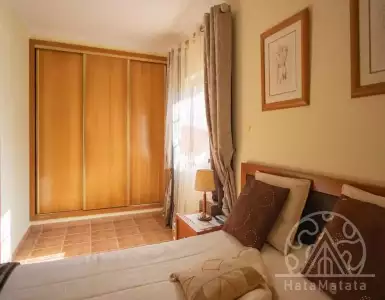
An example from listings: a village house that costs €45,000 might require a new roof and internal reconfiguration. If roof replacement is needed, secure a quote before finalising the purchase.
Premium segment: villas and apartments for bespoke renovation
The original text notes rising interest in premium villas and apartments where buyers prefer personalisation over turnkey finishes. This trend matters for several reasons:
- Buyers with higher budgets often commission full-scale design upgrades, which can include new layouts, energy upgrades and landscape works.
- In tourist-heavy areas and near major cities, bespoke renovations can create high-end rental or resale opportunities.
- The higher-end market demands specialist consultants, interior designers and project managers who are comfortable with luxury standards.
If you are targeting the premium renovation market, we recommend using a local architect with experience on high-end projects and a contractor used to fine finishes.
Legal and tax considerations for foreign buyers
Foreign buyers enjoy relatively straightforward property purchase procedures in Portugal, but renovation adds complexity:
- Ensure full legal due diligence before purchase, including checks for planning restrictions.
- Factor local taxes and VAT into your renovation budget; rates depend on the nature of works and supplier status.
- If you plan to rent the finished property, register the property correctly for income tax and short-term rental licensing where required.
Consult a Portuguese property lawyer early in the process. Contracts, purchase deeds and planning permissions are written to local standards and mistakes are costly.
Common risks and how to mitigate them
Renovation is rewarding but risky. Here are typical pitfalls and practical mitigations:
- Hidden structural problems. Mitigation: full technical survey and contingency budget.
- Permit refusals or long delays. Mitigation: early engagement with municipal planning and a local architect.
- Contractor disputes. Mitigation: detailed contracts, staged payments and references.
- Underestimating total cost. Mitigation: conservative budget with at least 10–20% contingency.
- Resale limitations: heavily personalised renovations can narrow buyer pool. Mitigation: balance personal taste with neutral, quality finishes if resale is likely.
We often advise buyers to treat renovation like a small business project: plan, hire experienced professionals, track costs and document all decisions.
Practical step-by-step checklist for buyers
Follow this sequence to reduce risk and keep control:
- Define objectives: end use (primary home, holiday home, rental) and acceptable timeline.
- Search and shortlist properties in preferred provinces, including Braga, Castelo Branco, Coimbra, Guarda, Leiria, Lisboa, Portalegre, Porto, Santarém, Setúbal, Viana do Castelo, Vila Real and Évora.
- Commission a structural and technical survey before submitting a serious offer.
- Engage a local lawyer to clear title, register encumbrances and outline tax implications.
- Meet a local architect for an initial feasibility study and estimate of permit needs.
- Apply for permits and plan design simultaneously to reduce delays.
- Tender the works to at least two reputable contractors and compare itemised bids.
- Sign clear contracts with staged payments tied to milestones.
- Monitor works regularly and keep records of variation orders and receipts.
- Final sign-off: ensure all municipal inspections are completed and that utilities and certificates are in place.
This checklist is pragmatic. Each step reduces the chance of an unpleasant surprise later on.
Working with professionals: who you need and why
A typical renovation team for Portugal includes:
- Architect: designs and coordinates planning submissions
- Structural engineer: assesses and specifies structural works
- Local lawyer (advogado): performs legal due diligence and handles purchase deed
- Quantity surveyor or cost consultant: helps control costs on larger projects
- Licensed contractor and specialist trades: electricians, plumbers, carpenters
- Project manager (optional): useful for long-distance buyers or complex jobs
My recommendation is to hire the architect and lawyer first; they are central to feasibility and to navigating permits.
Final considerations for investors and expats
For investors, renovated properties in tourist or urban markets can yield higher rental rates, but the pricing dynamic is local; always compare post-renovation rental yields to turnkey alternatives. For expats who plan to live in their refurbished home, the emotional payoff of creating a tailored space is clear, but you must be ready for the administrative and logistical workload.
Patience is a real advantage. Projects that respect local planning procedures and that use reputable contractors tend to finish on budget and time more often than those that rush.
Frequently Asked Questions
Q: How cheap can a renovation property be in Portugal? A: According to the listings cited, there are properties to renovate from €45,000. That is a starting price for some listings and will vary by region and condition.
Q: Do I need a permit to renovate in Portugal? A: Most structural changes or layout rearrangements require a building permit from the local municipality. Smaller cosmetic works may need only a notification, but you should confirm with an architect or the municipal planning office.
Q: How do I find reliable contractors in Portugal? A: Ask for local references, check past projects, get itemised bids and insist on written contracts. Consider hiring a project manager if you are not locally based.
Q: Are premium villas also being bought for renovation? A: Yes. The report notes growing interest in premium villas and apartments for renovation, where buyers want bespoke homes rather than turnkey finishes.
Bottom line: realistic expectations make renovation in Portugal rewarding
Buying a property Portugal to refurbish can deliver a personalised home and value that turn-key options may not. The market still has properties from €45,000 and a spread of opportunities across provincial markets. However, success depends on respecting local planning rules, budgeting for realistic costs and working with proven local professionals. If you budget conservatively, confirm permit requirements early and select your team carefully, the result can be a home that reflects how you actually want to live rather than what was already on the market. Keep one concrete fact in mind as you start searching: properties to renovate in Portugal can be found starting at €45,000; build the rest of your plan around that figure and the practical demands of permits and contractors.
Tags
We will find property in Portugal for you
- 🔸 Reliable new buildings and ready-made apartments
- 🔸 Without commissions and intermediaries
- 🔸 Online display and remote transaction

International Real Estate Consultant

Subscribe to the newsletter from Hatamatata.com!
Subscribe to the newsletter from Hatamatata.com!
Popular Posts

We will find property in Portugal for you
- 🔸 Reliable new buildings and ready-made apartments
- 🔸 Without commissions and intermediaries
- 🔸 Online display and remote transaction
International Real Estate Consultant

Subscribe to the newsletter from Hatamatata.com!
Subscribe to the newsletter from Hatamatata.com!
I agree to the processing of personal data and confidentiality rules of Hatamatata

Need advice on your situation?
Get a free consultation on purchasing real estate overseas. We’ll discuss your goals, suggest the best strategies and countries, and explain how to complete the purchase step by step. You’ll get clear answers to all your questions about buying, investing, and relocating abroad.



Sales Director, HataMatata