


10 U.S. Cities Where Property Still Makes Sense for Investors in 2026

Why smart investors are watching the real estate USA market now
If you are watching the real estate USA market for places to buy a house for investment, this guide gives a practical starting point. Across 2026 the market is uneven: some metros still offer clear cash‑flow opportunities, while others promise faster appreciation. We picked ten cities where job growth, population trends and rental demand line up in ways that matter for investor returns.
This is not a list of safe bets; it is a set of tradeoffs. Some metros offer low entry prices and strong rental yields. Others require a larger capital outlay but show higher projected appreciation. In the sections below we walk through the metrics that matter, explain what each city offers, and flag the biggest risks for buyers from overseas or domestic investors.
How we read the numbers: metrics investors should use
Before looking at cities, know the indicators that should determine where you buy.
- Median/average home price — tells you entry cost and influences mortgage and down‑payment needs.
- Population and job growth — the primary demand drivers for long‑term rent and price increases.
- Rental yield and cash flow — rent minus expenses; critical if you rely on income now.
- Appreciation prospects — expected price growth over time; important for flip or hold strategies.
- Market structure — single‑family vs. multifamily, vacancy rates, tenant profile.
We cite specific figures below because numbers matter. When we say a city has high rental yield, we mean the price level and rent levels in that metro commonly produce positive cash flow for standard financing scenarios.
The 10 cities: snapshot profiles and what they mean for investors
Each city profile lists the headline data, primary economic drivers, and an investor take on strategy.
1. Nashville, Tennessee
- Population growth: Approximately 2% annually
- Average home price: Around $426,126
- Key sectors: music/entertainment, healthcare, education
Nashville has moved beyond a cultural destination to a real economic hub. Job growth and an inflow of young professionals keep rental demand high, especially in neighborhoods that attract renters rather than owner‑occupiers. For investors we see two practical angles:
- Buy single‑family or small multifamily in neighborhoods with steady employment options for tenants.
- Target areas with proven appreciation history like East Nashville, but price sensitivity is rising.
Risk: rising prices reduce immediate cash flow; financing and cap rate assumptions need realism.
2. Austin, Texas
- Median home price: Approximately $494,727
- Projected near‑term appreciation: ~10% over the next few years (projection quoted in market commentary)
- Key sectors: technology, startups, creative industries
Austin remains a tech magnet and lifestyle hub. Higher entry prices mean investors should expect lower initial yields unless rents are strong. Short‑term rental demand tied to festivals and conventions can boost returns for licensed operators.
Investor strategy: focus on long‑term appreciation and selective short‑term rental opportunities where regulation allows. Higher competition increases transaction speed and bidding pressure.
3. Tampa, Florida
- Median home price: Around $366,612
- Key sectors: healthcare, finance, technology
Tampa pairs affordability with tourism and a growing service economy, creating demand for both long‑term rentals and short‑term vacation lets. The city often delivers healthy rental yields compared with Florida metros that are more expensive.
Investor strategy: suburban single‑family rentals and professionally managed vacation units in tourism corridors. Watch seasonal vacancy swings.
4. Charlotte, North Carolina
- Average home price: Approximately $390,729
- Key sectors: finance, corporate services, expanding tech presence
Charlotte’s standing as a Southeast finance center keeps a steady tenant base for apartments and houses. Infrastructure investments—new light rail and mixed‑use developments—are shaping demand corridors for renters and buyers alike.
Investor strategy: target properties near transit expansions or major employment centers to reduce vacancy risk and increase rent growth potential.
5. Raleigh, North Carolina
- Median home price: About $424,924
- Key sectors: research, higher education, tech
Raleigh benefits from the Research Triangle’s anchor institutions. Low unemployment and high quality‑of‑life rankings attract families and tech workers who rent first, then buy. Expect steady rent growth and moderate appreciation.
Investor strategy: family rentals near good schools and transit are reliable; consider long‑term holds rather than flips.
6. Boise, Idaho
- Average home price: Approximately $487,717 (Zillow, Jan 2026)
- Key sectors: inbound business relocation, small‑business growth, outdoor recreation economy
Boise has seen rapid price appreciation in recent years, driven by migrants seeking lower taxes and lifestyle changes. That appreciation potential is real, but the high price base increases the required capital.
Investor strategy: if you expect continued inward migration, prioritize properties with low maintenance costs and tenants likely to stay longer. Watch for cooling after rapid rises.
7.

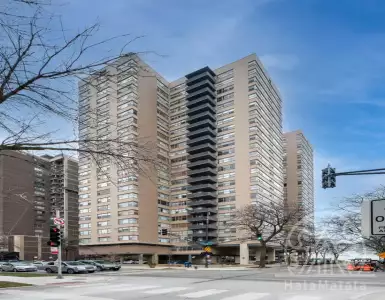




- Average home price: Around $240,511 (Zillow, Jan 2026)
- Key sectors: manufacturing to services transition, healthcare, education
Cincinnati is classic value play territory. Lower home prices allow investors to buy multiple units or to achieve stronger cash flow with conservative financing. Revitalization in certain neighborhoods has unlocked upside without the high price tag.
Investor strategy: buy‑and‑hold single‑family rentals or small multifamily for cash flow. Do neighborhood‑level due diligence on crime and school trends.
8. Memphis, Tennessee
- Current average home price: $141,489
- Key offering: high rental yield potential
Memphis offers one of the lowest price points among major metros in this list, with correspondingly higher gross yields. It is attractive to investors seeking immediate cash flow and portfolio scale.
Investor strategy: value buys with rehab upside; use local property managers experienced with higher‑turnover rental markets.
Risk: neighborhoods vary widely; targeted acquisitions matter more than general bets.
9. Jacksonville, Florida
- Median home price: Approximately $279,095
- Key sectors: healthcare, logistics, finance
Jacksonville combines coastal lifestyle appeal with lower prices than many Florida metros. The diversity of industries helps stabilize rents across tenant types.
Investor strategy: long‑term rentals and targeted flips in appreciating neighborhoods. Coastal demand supports rental demand for relocators.
10. Fort Worth, Texas
- Average home price: Approximately $292,122
- Key sectors: diversified local economy, regional logistics, public investment in services
Fort Worth is often overlooked next to Dallas, which can work to an investor’s advantage. Moderately priced housing and civic improvements keep tenant demand steady.
Investor strategy: buy single‑family rentals in commuter corridors and track infrastructure projects that change commute times.
How to choose among these cities: match strategy to goals
Ask yourself these questions before committing capital:
- Do you need positive cash flow today or is appreciation your priority?
- Are you able to manage properties remotely, or will you work with a local manager?
- What level of vacancy and tenant turnover can you tolerate?
Practical guidance:
- For immediate cash flow: Memphis ($141,489) and Cincinnati ($240,511) tend to offer lower entry prices and stronger gross yields.
- For appreciation: Austin (median $494,727) and Boise (average $487,717) have shown stronger price momentum, but at higher risk and cost.
- For balanced risk and moderate growth: Tampa ($366,612), Charlotte ($390,729), and Raleigh ($424,924) offer diverse economies and steady rental demand.
We recommend running pro forma models for each city using your actual financing terms and realistic vacancy and expense assumptions rather than relying on market summaries.
Financing, taxes and regulation: what can change the math quickly
Even strong markets can become weak investments if financing, property taxes, insurance costs or landlord rules change. Key items to check:
- Local property tax rates and recent assessment trends.
- Landlord‑tenant laws, eviction timelines and short‑term rental regulations.
- Insurance costs, especially in coastal Florida markets where flood and hurricane exposure matters.
- Vacancy rates and seasonal rent volatility in tourism‑oriented metros.
We have seen cases where a city’s apparent rent growth was offset by sharp increases in insurance premiums or by municipal rules that restrict short‑term letting. That erodes projected cash‑on‑cash returns.
Due diligence checklist for overseas and domestic buyers
- Obtain recent rent comparables from multiple property managers.
- Run a 5‑year cash flow and ROI scenario with stressed assumptions (higher vacancy, 5–10% higher expenses).
- Inspect neighborhoods in person or hire qualified inspectors; micro‑markets differ within metros.
- Confirm zoning and use rules for intended rental strategy (long‑term vs. short‑term).
- Plan for property management: expect 6–10% of gross rent for full‑service management in many markets.
Risks and what could go wrong
We must be direct about downside:
- Rapid appreciation can reverse; markets that rose quickly are at higher risk of correction.
- Interest rate volatility raises mortgage costs and can depress buyer demand.
- Regulatory changes or stricter short‑term rental rules can remove a revenue stream.
- Overleveraging in higher‑price metros leaves little margin when rents soften.
We urge conservative underwriting. Use break‑even rent and cash‑on‑cash return tests to understand the minimum market performance needed to stay solvent.
How to act: practical steps for first moves
- Narrow your list to 2–3 target metros based on your objective (cash flow vs appreciation).
- Contact experienced local property managers and ask for rent rolls, vacancy history and tenant profile.
- Run multiple financing scenarios, including an all‑cash case and a high‑rate mortgage case.
- Visit the market or hire a buyer’s agent familiar with investor purchases.
- Budget for immediate maintenance, as many value plays require short rehab to reach market rents.
We often recommend beginning with a single property in a smaller metro to test processes before scaling a portfolio across states.
Frequently Asked Questions
Q: Which of these cities gives the best cash flow on a modest budget? A: Based on current median prices, Memphis ($141,489) and Cincinnati ($240,511) are the most likely to produce positive cash flow with conservative financing. Local rent levels and property taxes will affect final numbers.
Q: If I want appreciation, which markets should I prioritize? A: Austin and Boise show the most price momentum among the ten, but they have higher entry prices and more competition; project an appreciation scenario and stress‑test financing.
Q: How much should I budget for property management and unexpected repairs? A: Plan for 6–10% of gross rent for property management plus a maintenance reserve of $1,000–$2,000 per year for single‑family homes, higher for older properties.
Q: Should foreign investors worry about financing availability? A: Foreign buyers often have access to finance but with stricter terms. Many choose cash purchases or work with lenders experienced in non‑resident mortgages. Consult local advisors on tax and reporting obligations.
Final takeaways for investors
We see clear tradeoffs across these ten U.S. cities. If your priority is immediate cash flow, lower‑priced markets such as Memphis ($141,489) and Cincinnati ($240,511) should be on your shortlist. If you are hunting appreciation and can handle higher entry costs, Austin ($494,727) and Boise ($487,717) are the places to study closely.
Practical rule: run a conservative pro forma for each market and insist on local rent data and a property manager estimate before you sign. A realistic break‑even rent and a maintenance cushion are the simplest protections against surprise losses.
If you want help sourcing properties or running pro formas, work with an investment adviser or a buyer’s agent who has recent transaction experience in your chosen metro. For cash‑flow buyers, consider starting in a lower‑priced city to learn the operations before moving to higher‑cost metros.
A clear, actionable starting point: if you need cash flow now, consider neighborhoods in Memphis or Cincinnati where median prices are under $250k; if you want appreciation and can accept more competition, study Austin and Boise, where median/average prices approach $490k.
Tags
We will find property in USA for you
- 🔸 Reliable new buildings and ready-made apartments
- 🔸 Without commissions and intermediaries
- 🔸 Online display and remote transaction

International Real Estate Consultant

Subscribe to the newsletter from Hatamatata.com!
Subscribe to the newsletter from Hatamatata.com!
Popular Posts

We will find property in USA for you
- 🔸 Reliable new buildings and ready-made apartments
- 🔸 Without commissions and intermediaries
- 🔸 Online display and remote transaction
International Real Estate Consultant

Subscribe to the newsletter from Hatamatata.com!
Subscribe to the newsletter from Hatamatata.com!
I agree to the processing of personal data and confidentiality rules of HatamatataPopular Offers

 1
1
 0
0
 2
2
80
2
2
80
 4
4
166
4
4
166
Need advice on your situation?
Get a free consultation on purchasing real estate overseas. We’ll discuss your goals, suggest the best strategies and countries, and explain how to complete the purchase step by step. You’ll get clear answers to all your questions about buying, investing, and relocating abroad.



Sales Director, HataMatata