


Dallas Tops 2026 US Property Hotlist — 5 Cities Investors Should Watch

Why these five US real estate markets matter now
If you are tracking the real estate USA market in 2026, five cities keep appearing on investors' shortlists: Dallas, Miami, Houston, Tampa–St. Petersburg, and Nashville. The list is based on fundamentals set out in the PwC and Urban Land Institute Emerging Trends in Real Estate 2025 report, and on how those fundamentals have held up through recent demographic and economic shifts. We find the data compelling because each market combines clear demand drivers with reasonably accessible entry points for buyers and investors.
The opening questions every buyer should ask are practical. Where will population and jobs create consistent rental demand? Where is housing still affordable relative to incomes? And where are local costs or risks going to erode returns? In the sections that follow we translate the headline figures into actionable guidance for investors and homeowners.
The common drivers behind the five markets
Each city on the list shows at least one of these strengths:
- Sustained population growth that supports rental demand and home-price appreciation.
- Diverse job markets with sectors that can weather economic cycles, such as finance, technology, health care, tourism and green energy.
- Relative affordability, meaning median home prices that remain lower than peer coastal metros while still offering upside.
- Clear rental demand, which helps buy-to-let strategies and short-term rental plays in permissive jurisdictions.
At the same time we see repeat warnings. Two Florida markets, Miami and Tampa–St. Petersburg, face rising insurance costs because of climate risks. Houston's relaxed zoning rules create development flexibility but also local variability in neighborhood quality. Those are the trade-offs investors must weigh.
City-by-city analysis: What the numbers say and what they mean for investors
Dallas, Texas — corporate gravity and steady demand
Dallas leads the pack in this analysis. The city benefits from a concentration of corporate headquarters and a large financial presence that has attracted talent and population.
- Median home price: $434,500
- Median monthly rent: $1,475
Why this matters: corporate relocations and expansions create steady demand for both owner-occupier housing and higher-end rentals. For investors, Dallas tends to offer predictable cash flow opportunities in single-family rentals and purpose-built multifamily.
Practical takeaway: look for suburbs with strong school districts and transit access near employment nodes. Expect lower turnover among tenants who work for corporate employers, which can reduce vacancy risk.
Miami, Florida — rental yields with climate caveats
Miami is attractive for investors chasing rental yields, especially in markets where tourism and year-round migration sustain occupancy.
- Median home price: $535,000
- Median monthly rent: $1,227
- Estimated rental yields: 5–7% (average)
Why this matters: a rental yield of 5–7% is compelling compared with many large U.S. metros. Miami's lack of a state income tax also adds to net cash flow for high-earning owners and out-of-state buyers.
Risks to factor in: rising insurance premiums driven by climate risk reduce net returns and can make some coastal investments unprofitable. We recommend focusing on properties in higher-elevation neighborhoods and checking FEMA flood maps and local insurer availability before placing offers.
Houston, Texas — the most affordable major market on the list
Houston is notable for sheer affordability and rapid population growth tied to expanding job sectors.
- Median home price: $369,450
- Median monthly rent: $1,375
- Population inflow (2022–2023): ~140,000 new residents
Why this matters: Houston's lower entry price makes it easier to assemble portfolios without overstretching leverage. The city is growing because of health care, technology and green energy investments.
Regulatory feature: Houston has limited formal zoning, which creates opportunities for infill development and conversions, but also means careful neighborhood-level due diligence is essential.
Investor note: search for stabilized class B and C single-family rentals near employment clusters for higher cash yields while keeping an eye on maintenance and insurance costs.
Tampa–St. Petersburg, Florida — post-pandemic momentum and job strength
Tampa–St. Petersburg recovered strongly after the pandemic and now reports job growth that outpaces national averages.
- Median home price: $399,999
- Median monthly rent: $1,720
- Job growth: 2.3 times the national average
Why this matters: faster-than-average job creation translates into lower vacancy and stronger upward pressure on rents.



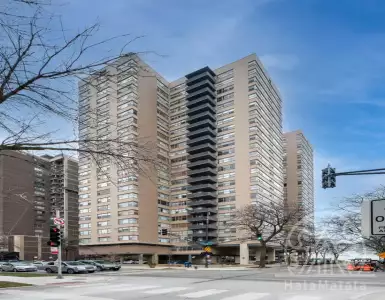



Caveat: like Miami, Miami-area insurance cost dynamics apply across Florida. Short-term rental regulations vary by municipality, and investors should verify local rules and occupancy tax obligations.
Nashville, Tennessee — culture and rapid population increase
Nashville still ranks among the fastest-growing U.S. cities, driven by entertainment, corporate relocations and inbound migration.
- Median home price: $542,447
- Median monthly rent: $1,578
- Population growth rate (2023): ~86 new residents per day
Why this matters: strong cultural appeal and corporate-friendly tax policies keep demand robust. However, Nashville has higher median prices than other cities on the list, which compresses initial yield for investors focused on cash flow.
Investor approach: consider value-add multifamily or condo conversions in neighborhoods adjacent to downtown where price appreciation has room to continue.
Investment strategies to match each market
We recommend aligning strategy to market fundamentals rather than forcing the same approach across all five cities.
- Dallas: target single-family rentals and suburban multifamily near corporate hubs; prioritize tenant retention measures.
- Miami: focus on higher-elevation properties and professionally managed condo buildings; assume higher insurance and maintenance costs in underwriting.
- Houston: seek out duplexes and small multifamily with renovation upside; use the city's development flexibility to add value.
- Tampa–St. Petersburg: explore short-term rental if local rules allow; otherwise buy long-term rentals in job-growth corridors.
- Nashville: pursue value-add multifamily and condo conversion opportunities close to transit and entertainment districts.
Key underwriting checklist for each acquisition:
- Compare median home price to local median income and employment growth.
- Build conservative rent-growth and occupancy projections.
- Factor in insurance, property taxes, HOA fees and local landlord-tenant law costs.
- Run a stress test for interest-rate increases and a 6–12 month vacancy scenario.
Risk factors every investor must quantify
No market is free of risks. We highlight the most common ones so you can weigh returns against downside exposure.
- Climate and insurance risk in Florida that increases operating costs and can limit resale demand.
- Overheating in high-demand neighborhoods that could lead to sharp corrections if employment growth slows.
- Local regulatory shifts on short-term rentals and landlord-tenant protections that can reduce cash flow.
- Rising mortgage rates and tighter financing terms that lower leverage benefits and compress yields.
- Neighborhood-level variability within cities, especially in places like Houston where zoning is limited.
We recommend an acquisition model that assumes at least a 10–20% fall in property value under a stress scenario and still produces acceptable returns on cash invested.
How to pick between these five markets for your portfolio
Your choice should reflect investment goals, risk tolerance and operational capacity. Use this quick decision guide:
- You want steady, lower-risk cash flow: consider Houston or Dallas.
- You prioritize capital appreciation and high tenant demand: consider Nashville.
- You chase better short-term yields with tourism upside: consider Miami or Tampa–St. Petersburg, but budget for higher insurance and regulatory checks.
- You are an out-of-state investor with limited time to manage properties: prefer professionally managed multifamily or turnkey single-family assets in Dallas and Houston.
Remember to include realistic management and maintenance cost estimates and to check vacancy and turnover statistics at the submarket level.
Practical steps for buyers and investors entering these markets
- Get local market data: rent rolls, vacancy rates, absorption rates and recent comparable sales.
- Speak to three local property managers to understand operating expense expectations.
- Run pro forma models with conservative rent growth and an allowance for capex, especially for older stock.
- Verify insurability and flood risk in Florida markets by contacting at least two insurers and checking elevation certificates.
- Factor in transaction costs, stamp duty and local transfer taxes where applicable.
If you cannot do this yourself, hire a local advisor with a track record in the city and asset class you target. We find the most successful investors either control the asset management or pay a premium for experienced operators.
Frequently Asked Questions
Q: Which of the five cities will give the fastest capital appreciation in 2026? A: Based on current fundamentals, Nashville and Dallas show the strongest prospects for price growth because of rapid population increases and corporate relocations. That said, higher starting prices in Nashville mean appreciation rates must be weighed against purchase price.
Q: Are Miami and Tampa still viable for buy-to-let given rising insurance costs? A: Yes, but you must underwrite higher insurance and maintenance costs. In Florida, focus on properties in higher-elevation areas and confirm that rental yields remain attractive after insurance and property-management fees.
Q: Is Houston a better option for first-time investors? A: For affordability and cash-flow potential, Houston is attractive for first-time investors. Lower median home prices reduce entry costs, but do detailed neighborhood-level due diligence because quality and amenities vary widely.
Q: How should I account for interest-rate risk in my acquisition model? A: Build scenarios where borrowing costs rise by 200–400 basis points and run sensitivity analyses on cash-on-cash returns and debt-coverage ratios. If a property fails to meet your minimum return under higher rates, either renegotiate price or walk away.
Final assessment and next steps
These five markets remain among the most actionable in the United States because they combine demand fundamentals with accessible price points and rental opportunities. Each city requires a specific approach: Dallas for corporate-driven stability, Miami for yield with climate risk, Houston for affordability and development flexibility, Tampa–St. Petersburg for above-average job growth, and Nashville for appreciation tied to culture and corporate moves.
From our perspective, the single most practical step for investors is precise local underwriting. Confirm median home price and median rent figures against recent comps, check local insurance markets, and run conservative cash-flow models. If the numbers hold up after a stress test for vacancy and higher borrowing costs, the market can fit a disciplined portfolio strategy.
Specific takeaway: use median prices and rental figures quoted here as starting points, then require three layers of local verification before placing a deposit.
We will find property in USA for you
- 🔸 Reliable new buildings and ready-made apartments
- 🔸 Without commissions and intermediaries
- 🔸 Online display and remote transaction

International Real Estate Consultant

Subscribe to the newsletter from Hatamatata.com!
Subscribe to the newsletter from Hatamatata.com!
Popular Posts

We will find property in USA for you
- 🔸 Reliable new buildings and ready-made apartments
- 🔸 Without commissions and intermediaries
- 🔸 Online display and remote transaction
International Real Estate Consultant

Subscribe to the newsletter from Hatamatata.com!
Subscribe to the newsletter from Hatamatata.com!
I agree to the processing of personal data and confidentiality rules of HatamatataPopular Offers

 3
3
 120
120
 5
143
5
143
 2
165
2
165
Need advice on your situation?
Get a free consultation on purchasing real estate overseas. We’ll discuss your goals, suggest the best strategies and countries, and explain how to complete the purchase step by step. You’ll get clear answers to all your questions about buying, investing, and relocating abroad.



Irina Nikolaeva
Sales Director, HataMatata