


Jacksonville Tops Zillow’s 2026 List: Where First-Time Buyers Can Actually Afford Homes

A rare opening for first-time buyers in the real estate USA
For first-time buyers weighing a move into the real estate USA in 2026, the market is showing signs of relief that are worth paying attention to. A new Zillow analysis points to shifting conditions — improving affordability, rising inventory and concentrated demand in certain regions — that create concrete opportunities for people entering the market for the first time.
The headline is clear: Jacksonville, Florida, ranks first among the top 10 U.S. markets for first-time buyers, followed by Birmingham, Alabama; San Antonio, Texas; Atlanta, Georgia; and Houston, Texas. Zillow built the ranking using measures that matter for buyers who do not yet own a home: rent burden, the share of affordable listings, inventory relative to renters and the concentration of buyers in their prime homebuying years. Those are practical metrics, not slogans, and they change how we should weigh cities for purchase and investment.
Quick takeaway
If you are preparing to buy your first home, these Zillow indicators give you a shortlist of places where prices, supply and competition line up more favorably than most of the country. That is not the same as easy — mortgage rates remain elevated and supply is still below pre-pandemic levels — but it is a real shift from the tight markets of 2021 and 2022.
Why 2026 matters for first-time buyers
The broad picture is mixed. On one hand, mortgage rates remain high and national housing inventory is still roughly 20% below pre-pandemic levels. On the other hand, Zillow reports modest gains in affordability and more homes hitting the market compared with a year ago. That combination opens windows of opportunity in certain metros where local conditions align.
From a technical standpoint, several dynamics are at play:
- Inventory improvements reduce bidding wars and time-on-market, which can lower final sale prices and closing risk.
- Stabilizing prices remove some backward pressure on housing costs that made buyers pause in 2022 and 2023.
- Rising incomes have improved buyers' purchasing power even with higher rates.
Zillow’s senior economist, Orphe Divounguy, put it plainly: “First-time buyers are finally seeing some light at the end of the tunnel.” He added that rising incomes, stabilizing prices and improving inventory are creating real opportunities in parts of the country. That aligns with what our market analysis shows: opportunity is local rather than national.
Zillow’s top 10 markets for first-time buyers — the numbers you need to know
Zillow’s list ranks metros using four practical factors: rent burden (share of income that goes to rent), share of listings that are considered affordable for first-time buyers, housing inventory measured as listings per 100 renters, and the concentration of buyers in their likely homebuying years. Below I summarize the top 10 with the figures Zillow highlighted.
- Jacksonville, Florida — rent burden: 23.1% of income; 47.8% of listings affordable; inventory 5.9 homes per 100 renters.
- Birmingham, Alabama — 55.6% of homes within reach; inventory 6.2 listings per 100 renters.
- San Antonio, Texas — rent burden: 20.2%; 47.4% of listings affordable.
- Atlanta, Georgia — 45.2% of listings affordable; moderate competition and steady inventory.
- Houston, Texas — 40.2% affordability rate; large population of buyers in prime homebuying years.
- St. Louis, Missouri — 67.7% of listings are affordable.
- Detroit, Michigan — 64.8% of homes considered affordable.
- Raleigh, North Carolina — rent burden: 18.4%; 48% of listings affordable.
- Baltimore, Maryland — 61.8% of homes affordable; inventory tighter at 3 listings per 100 renters.
- Louisville, Kentucky — 54.1% of listings affordable with a steady supply.
Those figures are the backbone of Zillow’s ranking. They give a sharper picture than median price alone because they measure affordability against local incomes and available supply.
What these metrics mean for buyers and investors
I want to translate those numbers into practical meaning. When Zillow reports a city has 5.9 homes per 100 renters, that is a straightforward proxy for how deep the for-sale market is relative to rental demand. Higher listings per 100 renters usually means less competition, more negotiating room and lower risk of being outbid.
The affordable listings share tells you the proportion of homes priced within reach of a typical first-time buyer in that metro. A city with above 45% affordable listings is offering roughly one in every two homes at a price point that might work for someone without a large nest egg.
The rent burden metric is important both for savers and for investors. Lower rent burden — Raleigh at 18.4% and San Antonio at 20.2% — means prospective buyers can retain more of their pay for savings or mortgage qualification. For buy-to-let investors, rent burden helps estimate the tenant pool’s capacity to pay market rents.
City-by-city nuance: opportunities and caveats
Numbers tell part of the story; local context fills in the rest. Here are targeted notes for the top markets where first-time buyers should look more closely.
Jacksonville, FL — Why it leads
Jacksonville leads Zillow’s list with 23.1% rent burden and 47.8% of listings priced within reach. Inventory is relatively healthy at 5.9 homes per 100 renters. That combination reduces competition and keeps monthly ownership costs closer to rental equivalents. Watch out for property insurance costs in Florida, which can vary sharply by neighborhood and influence total monthly carrying costs.
Birmingham, AL — The affordability play
With 55.6% of homes within reach and 6.2 listings per 100 renters, Birmingham is a textbook affordability market. Investors looking at rental yield will find low entry prices, but they should weigh local job growth and vacancy risk.
San Antonio, TX — Low rent burden, balanced market
San Antonio’s 20.2% rent burden and 47.4% affordable listings suggest a balanced entry point. The metro’s sizable military and healthcare employment bases support steady demand.
Atlanta, GA — Choice with competition
Around 45.2% of listings are affordable in Atlanta.


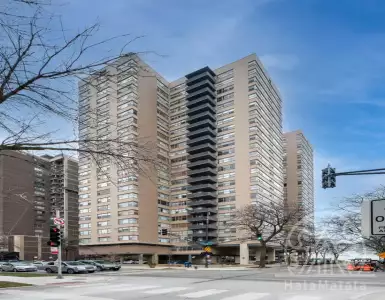




Houston, TX — Young buyers and scale
Houston’s 40.2% affordability is backed by a large cohort of buyers in prime purchasing ages. Houston’s market is cyclical and tied to energy-sector employment, so job market trends will matter for longer-term price appreciation.
St. Louis and Detroit — High affordability, watch fundamentals
St. Louis (67.7% affordable) and Detroit (64.8% affordable) show large stocks of lower-priced homes. Those figures make them plausible for first-time buyers focused on price, but both metros carry structural economic questions that buyers must vet: job markets, population trends and neighborhood-level crime and amenities.
Raleigh — Low rent burden and demand dynamics
Raleigh’s 18.4% rent burden and 48% affordable listings make it attractive. Tech and research employment support demand, so appreciation risk and competition for high-quality stock may rise faster than in other markets.
Baltimore — Affordable but tight supply
Baltimore shows 61.8% affordability, yet inventory is tight at 3 listings per 100 renters. That means affordable homes can be scarce in practice; buyers may need patience and targeted search strategies.
Louisville — Steady supply for first-time buyers
Louisville’s 54.1% affordability and steady supply profile it as a pragmatic entry market, with less headline volatility than coastal metros.
How buyers should act: a checklist
Here is a practical set of steps we recommend for first-time buyers using this Zillow list.
- Get mortgage pre-approval before touring homes; know your debt-to-income ratio and what monthly payment you can carry.
- Target metros where the share of affordable listings exceeds 45% and listings per 100 renters are above 4 if you want negotiating leverage.
- Factor in recurring costs beyond mortgage: property taxes, insurance (especially in Florida and Gulf states), HOA fees and maintenance.
- Use local data: look at employment growth, crime, school ratings and transit access for neighborhood-level assessment.
- Consider a slightly longer search timeline in markets with low inventory; patient, selective buyers can find bargains when inventory rotates.
We recommend that buyers simulate cash-flow scenarios under higher rates and under potential short-term price dips. That helps avoid being stretched thin if rates or local employment shift.
Investment angle: buy-to-let considerations
For investors, the metrics used by Zillow are instructive but insufficient on their own. The share of affordable listings signals entry price, and listings per 100 renters gives a sense of supply depth, but investors also need:
- Local rent-to-price ratios and cap-rate expectations
- Vacancy trends and seasonal patterns
- Regulations on short-term rentals and eviction protections
- Property management costs and quality-of-life drivers that attract tenants
Markets such as Jacksonville and San Antonio may offer stable long-term rental demand, while St. Louis and Detroit may deliver higher cap rates but with more management and maintenance work.
Risks to keep in mind
I want to be clear about the downside. Even in the most favorable Zillow markets:
- Mortgage rates are still elevated, which increases monthly carrying costs compared with the low-rate years of 2020–2021.
- National inventory remains about 20% below pre-pandemic levels, so while many metros have improved, supply is not back to what buyers saw in 2018–2019.
- Local economic shocks — job losses, industry shifts, or rising insurance costs — can erode affordability fast.
- Some highly affordable metros may face headwinds like population decline or weak wage growth that limit long-term price appreciation.
When evaluating a market, balance the appeal of lower purchase price against the risk profile of local fundamentals.
Our view: who should move now and who should wait
In our analysis, buyers who have stable employment, a solid emergency fund and the ability to lock in a mortgage rate at or below their comfort threshold should be opportunistic. Cities with high affordable-listing shares and healthy inventory per renter give first-time buyers the best chance to find a home without intense competition.
If you are rate-sensitive, consider a mortgage product with the possibility of refinancing when rates fall and plan for at least a five- to seven-year ownership horizon to ride out short-term volatility.
Frequently Asked Questions
Q: Are mortgage rates the biggest barrier for first-time buyers today?
A: They are a major barrier because they affect monthly payments directly, but they are not the only one. Low inventory relative to renter demand and local cost drivers like taxes and insurance also shape affordability. Zillow’s ranking shows where those pressures are lighter.
Q: Should I pick a city solely because it appears on Zillow’s top-10 list?
A: No. Use the list as a starting point. You must pair it with neighborhood-level research, job stability checks, affordability calculations and personal readiness (down payment, credit score, emergency fund).
Q: Does a high share of affordable listings guarantee price growth?
A: No. High affordability can reflect lower prices today but may also indicate weak demand or local economic challenges. For potential appreciation, pair affordability with positive employment and population trends.
Q: How should investors interpret rent-burden data?
A: Rent burden helps investors estimate tenant ability to pay and household savings capacity. Lower rent burden usually supports tenant stability, but investors should still model rents, vacancies and operating costs carefully.
Final assessment and practical takeaway
Zillow’s 2026 ranking gives first-time buyers a usable map of where affordability and inventory are converging. It shows that Jacksonville leads with 47.8% of listings affordable and 5.9 homes per 100 renters, a combination that can lower competition and monthly ownership costs. That kind of concrete, local metric helps buyers craft a plan rather than chase headlines.
Practical takeaway: if you are preparing to buy, prioritize metros where the affordable listings share is above 45% and listings per 100 renters exceed 4; Jacksonville, Birmingham and San Antonio meet those thresholds today. Start with mortgage pre-approval, run realistic budgets that include taxes and insurance, and treat Zillow’s list as a map for where to focus your search rather than a substitute for neighborhood due diligence.
Tags
We will find property in USA for you
- 🔸 Reliable new buildings and ready-made apartments
- 🔸 Without commissions and intermediaries
- 🔸 Online display and remote transaction

International Real Estate Consultant

Subscribe to the newsletter from Hatamatata.com!
Subscribe to the newsletter from Hatamatata.com!
Popular Posts

We will find property in USA for you
- 🔸 Reliable new buildings and ready-made apartments
- 🔸 Without commissions and intermediaries
- 🔸 Online display and remote transaction
International Real Estate Consultant

Subscribe to the newsletter from Hatamatata.com!
Subscribe to the newsletter from Hatamatata.com!
I agree to the processing of personal data and confidentiality rules of HatamatataPopular Offers

 3
3
 120
120
 5
143
5
143
 2
165
2
165
Need advice on your situation?
Get a free consultation on purchasing real estate overseas. We’ll discuss your goals, suggest the best strategies and countries, and explain how to complete the purchase step by step. You’ll get clear answers to all your questions about buying, investing, and relocating abroad.



Sales Director, HataMatata