


Live in Spain for €600–700 a Month: Where Rent Still Costs Next to Nothing in 2026

Where to find the cheapest Spain property in 2026
Spain property markets have tightened since 2022, yet clear pockets of affordability persist. If your top priority is cutting housing costs, you can still rent a comfortable 80 m² apartment for around €600–700 a month in several provincial capitals in 2026. That contrast with major cities will shape relocation and investment choices.
I write this as a market analyst and journalist who tracks Spanish rental and sale listings. The numbers below come from national and portal-based reports published in 2025 and early 2026; they are headline figures meant to guide planning rather than replace local due diligence.
How we measure "cheap" — methodology and caveats
When people ask where to live for the lowest cost in Spain, the single most decisive metric is rental price per square metre. In most household budgets rent is the single largest recurring expense, so this briefing focuses on long-term rental asking prices per m² and complements that with purchase-price benchmarks where relevant.
Key points about the data and its limits:
- The central metric is advertised long-term rent in euros per square metre per month. Across multiple 2025–early 2026 datasets, the national leaders like Madrid and Barcelona exceed €20/m², while the cheapest provincial capitals sit around €7–8/m².
- Figures are averages of advertised asking rents and sale prices; actual negotiated rents will vary by micro-location, building quality and tenant profile.
- Some datasets list individual small municipalities with the very cheapest rents, but this guide emphasises provincial capitals and mid-sized cities that still offer basic public services and transport links.
- The market is dynamic. Use these numbers as indicative ranges rather than guaranteed offers.
National context: why inland provincial capitals remain cheap
Spain has faced strong rental inflation in recent years. Large metropolitan and coastal areas — especially tourist hubs — have attracted international buyers and short-term rental demand, pushing local rents sharply higher. By comparison, interior provincial capitals and some northwestern cities have seen much slower rent growth.
Structural drivers that keep rents lower in these cities:
- Slower population growth and weaker in-migration.
- Lower tourism intensity and fewer short-term rentals competing with long-term lets.
- A more balanced demand-supply relationship for long-term housing.
The result is a persistent rent gap. Where Madrid and Barcelona now commonly show average asking rents above €20/m², many inland provincial capitals cluster at around €7–8/m². For an 80 m² apartment that is the difference between roughly €600–700 and €1,600 or more per month in a top-tier city.
That gap is decisive for households that prioritise space and predictable monthly costs. But the same structural features that keep rents low also shape local economies: salary levels are lower, job markets are narrower, and some services are less comprehensive than in large coastal cities.
The cheapest provincial capitals to consider (rent benchmarks)
Across late 2025 and early 2026 reporting, a core group of provincial capitals repeatedly appears at the bottom of rental cost rankings. These are practical urban centres that offer public services, hospitals and regional transport connections while retaining low housing costs.
Cities that consistently record low average advertised rents include:
- Zamora — typical rents near €7.5–8/m², implying about €600–640/month for an 80 m² flat.
- Ciudad Real — similar band at €7.5–8/m² and €600–640/month for 80 m².
- Cáceres — around €7.5–8/m² and about €600–640/month for an 80 m² unit.
- Lugo — average asking rents close to €7.5–8/m².
- Cuenca — also in the €7.5–8/m² range.
For comparison, large coastal and capital cities often sit in the mid-teens to above €20/m²:
- Barcelona and Madrid: commonly above €20/m², implying €1,600+ for an 80 m² central apartment.
- Secondary coastal cities such as Valencia, Málaga and Bilbao: usually in the mid-teens per m², making them more expensive than the inland capitals but cheaper than Madrid and Barcelona.
These inland capitals offer a trade-off: lower rents in return for fewer high-paid professional jobs and lower tourism-driven demand. Yet for remote workers, retirees and households that value living space over big-city amenities, the savings are substantial.
Ultra-cheap municipalities: even lower rents, bigger trade-offs
If you widen the search from provincial capitals to all municipalities, some small towns record rents well below the provincial capital averages. Recent municipal rankings list places with average long-term rents near or under €300/month for standard units.
Examples from earlier datasets include municipalities such as:
- Cieza (Murcia)
- Priego de Córdoba (Andalusia)
- A Estrada (Pontevedra, Galicia)
Why these towns are cheaper:
- Small populations and limited rental demand.
- Little to no short-term tourist market competing for housing.
Why they are difficult for many movers:
- Restrained labour markets and fewer specialised services.
- Longer travel times to larger hospitals, universities or airports.
- Fewer cultural and leisure options.
For remote workers with stable incomes or retirees, these towns can cut housing costs to the bone. For those who need local employment or frequent access to high-level services, the trade-offs can erode the initial savings.
Purchase prices: buying remains significantly cheaper inland
Rent is the dominant monthly cost, but purchase prices offer an additional angle for relocation and investment. National summaries for 2025–early 2026 place average sale prices around the mid-€2,000/m² nationally, while Madrid and Barcelona often exceed €5,000/m².
By contrast, several provinces with the cheapest housing report average sale prices under €900/m². Provinces frequently cited include Ciudad Real, Cuenca and Jaén. Within those provinces, provincial capitals typically sit above the provincial average but still well below national urban levels.
What this means in practice:
- An 80–100 m² apartment in one of those provinces can cost a fraction of the price of a similar property in Madrid or Barcelona.
- Lower purchase prices reduce initial capital needs and mortgage payments for buyers who plan to live in or hold a property long term.
But cheap purchase prices carry caveats for investors:
- Liquidity is lower.


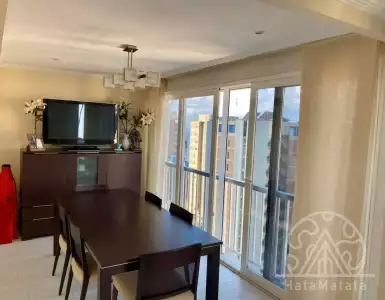

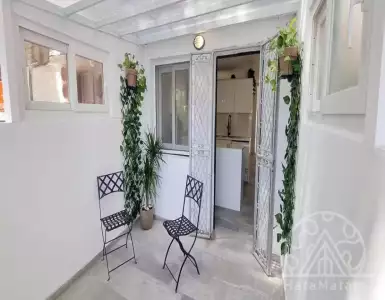
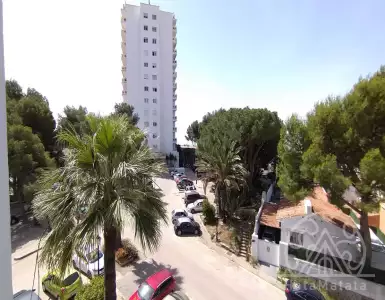
If your goal is owner-occupation with low monthly housing cost, inland purchase can be an efficient route. If your goal is quick capital gains or a second-home rental business, inland markets require careful exit planning.
Who benefits most — and who should think twice
The cheapest Spanish cities are not a universal solution. They fit certain profiles very well and match others poorly.
Profiles that benefit:
- Remote workers who earn income independent of the local job market.
- Retirees on fixed incomes who prioritise low recurring costs.
- Young families seeking larger living space for less money.
- Buyers who plan to hold a residence long term and want to minimise mortgage burden.
Profiles that face challenges:
- Job seekers in specialised sectors who need dense labour markets and networking opportunities.
- Investors seeking short-term capital gains or robust liquidity.
- Households reliant on frequent international travel where proximity to major airports matters.
We recommend matching housing strategy to income source and career plans. If you will rely on the local economy, ask local employers about salary levels and hiring trends before committing.
Practical checklist for movers and investors
If you are considering an inland provincial capital or ultra-cheap municipality, use this checklist before you sign a lease or mortgage:
- Review multiple listing portals for current asking rents and sale prices in target neighbourhoods.
- Budget for transport if you will commute to larger centres; low rent can be offset by higher travel costs.
- Visit for a short exploratory stay to test local services, healthcare and broadband quality.
- If buying, check local transaction volumes and average days on market to gauge liquidity.
- For rentals, ask about contract length, utility costs and whether renovations are common practice for lower-priced listings.
- Consider municipal tax regimes and community fees, which vary across Spain and affect running costs.
These steps convert headline affordability into real-life affordability.
Risks and policy variables to watch
The structural shortage of affordable housing in large Spanish cities keeps pressure on rents there, which indirectly preserves inland advantages. Yet several risks could alter the picture:
- A policy shift that expands affordable supply in big cities would reduce the differential.
- Large-scale inward migration to smaller cities, if it happened, would push rents up locally.
- Macroeconomic shocks (interest rate moves, higher unemployment) would affect mortgage costs and buyer demand.
We track policy debates and national housing programmes because they can change regional affordability over time. For now, the pattern of inland cheapness is stable across multiple recent data releases.
How investors should assess inland real estate deals
For investors focused on yields and risk:
- Calculate gross and net rental yields using local advertised rents and local sale prices.
- Factor in vacancy risk and tenant quality; smaller markets can have irregular tenancy cycles.
- Assess exit options: selling to local buyers may take longer than in major cities.
- Consider mixed strategies: buy in a cheap provincial capital that has reasonable transport links to a regional hub to balance yield and liquidity.
We have seen investors make sensible returns by buying well-located, renovated stock in provincial capitals and marketing to long-term tenants such as civil servants or local professionals. That approach requires on-the-ground management or a reliable local agent.
Frequently Asked Questions
Q: Which cities are generally the cheapest to live in Spain in 2026? A: Cities such as Zamora, Ciudad Real, Cáceres, Lugo and Cuenca are consistently among the cheapest provincial capitals based on advertised long-term rents.
Q: How much does rent typically cost in these cities? A: Indicative advertised rents often sit at about €7–8/m²/month. For an 80 m² apartment this translates to roughly €600–700/month depending on condition and neighbourhood.
Q: Are there municipalities cheaper than provincial capitals? A: Yes. Some small municipalities, notably in Murcia, Andalusia and inland Galicia, record average rents near or under €300/month, but these towns have much smaller labour markets and fewer services.
Q: Are purchase prices also low in these areas? A: Yes. Several provinces report average sale prices under €900/m², while national averages are near the mid-€2,000/m² level and Madrid and Barcelona commonly exceed €5,000/m².
Bottom line for movers and investors
If your primary objective is to cut housing costs, the data is clear: inland provincial capitals and certain municipalities offer the lowest rents and purchase prices in Spain in 2026. That saves several hundred euros each month on a typical 80 m² apartment compared with Madrid or Barcelona. The trade-off is lower local salaries, narrower job markets and sometimes reduced services. Our practical advice is to verify current listings, spend a short period living locally before committing, and match housing choice to how you earn income. As a final concrete fact: advertised long-term rents in the cheapest provincial capitals are around €7–8 per m², meaning roughly €600–700 per month for an 80 m² flat, a figure you can use immediately when comparing relocation options.
Tags
We will find property in Spain for you
- 🔸 Reliable new buildings and ready-made apartments
- 🔸 Without commissions and intermediaries
- 🔸 Online display and remote transaction

International Real Estate Consultant

Subscribe to the newsletter from Hatamatata.com!
Subscribe to the newsletter from Hatamatata.com!
Popular Posts

We will find property in Spain for you
- 🔸 Reliable new buildings and ready-made apartments
- 🔸 Without commissions and intermediaries
- 🔸 Online display and remote transaction
International Real Estate Consultant

Subscribe to the newsletter from Hatamatata.com!
Subscribe to the newsletter from Hatamatata.com!
I agree to the processing of personal data and confidentiality rules of HatamatataPopular Offers

 1
1
 0
0
 2
2
80
2
2
80
 4
4
166
4
4
166
Need advice on your situation?
Get a free consultation on purchasing real estate overseas. We’ll discuss your goals, suggest the best strategies and countries, and explain how to complete the purchase step by step. You’ll get clear answers to all your questions about buying, investing, and relocating abroad.



Sales Director, HataMatata