


Spain’s Housing Shock: Prices Top €2,600/m² — Where to Buy Cheaper and Where Supply Is Tight

Record national prices and stark regional divides
The Spanish real estate Spain market has swung hard in the past year, and that swing matters for anyone buying, selling or investing. In 2026 the average price per square metre of housing in Spain exceeded €2,600, a new peak after a year-on-year increase of more than 16%. Those two numbers alone change the way we must evaluate deals, yields and relocation choices.
This is a market of sharp contrasts. Some provinces show price growth above average, others reveal active new construction that keeps upward pressure muted, and a handful suffer from a shortage of new listings that intensifies competition. The split is not academic: it determines whether a family on a middle income can buy within commuting distance of a city, whether a buy-to-let investor can achieve acceptable yields, and whether foreign capital keeps driving coastal prices beyond local affordability.
What the headline numbers mean for buyers and investors
Price-per-square-metre averages are a blunt instrument but a useful starting point. The national figure above €2,600/m² tells you the broad direction. Yet the distribution is wide.
Key figures from recent market monitoring:
- National average price: over €2,600/m² in 2026
- Annual price growth: +16% year-on-year
- Valencia: prices rose by more than 20%, and the average apartment price in Valencia is close to €190,000
- Murcia and Almería: you can still find apartments from €1,400 to €1,700/m²
- Almería: small apartments can be purchased for under €70,000 thanks to active construction
- Shortage regions: Lugo, Salamanca and A Coruña show significantly below-average supply
- High-construction regions: Soria, Guadalajara, Málaga and Cáceres report new housing delivery well above the national average
For us as analysts, the immediate takeaway is that national averages mask local realities. Investors chasing capital appreciation often head to coastal and tourist-heavy provinces, where demand from foreign buyers intensifies price rises. Buyers looking for affordability should consider the regions where construction has kept supply healthy.
Regional patterns: where prices surge and where they stay affordable
Spain is not uniform. You can draw three practical regional categories based on the latest reporting:
- High-growth, tight-supply cities
- Affordable provinces with strong new-build pipelines
- Mixed or stabilising markets where construction exceeds demand
High-growth, tight-supply
- A Coruña and Valencia have seen price increases above 20% and lower-than-average new-build supply. Demand outstrips deliveries, which pushes prices up and reduces choice for buyers. In those cities, even deep-pocketed purchasers find the available stock limited; bargains are rare.
Affordable, active-construction provinces
- Murcia and Almería remain the most accessible in per-square-metre terms at €1,400–€1,700/m². Developers are actively building, which keeps inventory flowing. In Almería you can still find a small apartment for under €70,000, an important datum for budget buyers and first-time purchasers.
Mixed markets with extra supply
- Soria, Guadalajara, Málaga and Cáceres report construction rates above the national average. That means more listings and, for buyers, a greater ability to choose. For investors, these regions can temper short-term price appreciation but may offer steadier rental yield prospects if local economies support tenant demand.
This pattern matters for strategy. If your aim is capital growth tied to tourism and foreign demand, coastal cities and major provincial capitals remain magnets. If affordability and choice matter more, look to Murcia, Almería or the provinces where delivery outpaces the national norm.
Supply shortages, speculative demand and the coastal premium
The market is under multiple pressures that push prices up in specific places.
- Tourist flows: Popular coastal towns and cities attract seasonal and long-stay tourists. Short-term rentals reduce long-term housing supply.
- Foreign investment: Non-resident buyers, including retirees and holiday-home purchasers, increase competition for desirable stock.
- Speculation: Where price momentum accelerates, speculators buy waiting for further appreciation, reducing available inventory for owner-occupiers.
These forces are particularly visible in coastal provinces and administrative centres where housing becomes a luxury good rather than a utility. That change has real consequences: it erodes community stability, reduces availability for local workers, and creates political pressure for regulation.
For buyers we advise caution. High tourist demand can boost short-term returns on holiday lets, but it also raises vacancy risk outside peak months and invites regulatory change. Investors should run conservative yield scenarios that factor in seasonality and potential caps on short-term rentals.
Where construction is changing the game
The 2023 episode in Madrid and Barcelona is instructive. A sharp price spike then prompted buyers to seek alternatives, and developers reacted. Andalusia and Galicia saw a construction surge that relieved upward price pressure at least temporarily.
Today, some provinces are again seeing above-average building activity.






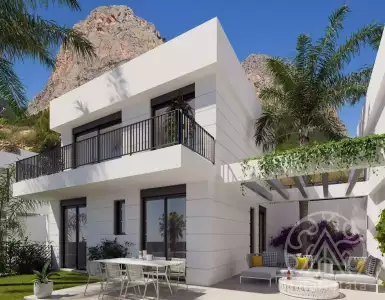

- Increased housing stock reduces immediate upward pressure on prices.
- It offers buyers and renters more options, potentially improving affordability metrics locally.
Yet higher construction is not a panacea. In regions where demand is weak, new builds can create oversupply and depressed prices. Where investors and new residents are flowing in, higher supply may be absorbed quickly and have limited effect on affordability. The key metric to watch is the absorption rate: how fast new units are sold or let after completion. Local planning policies, developer credit cycles and infrastructure investment also affect how beneficial new supply will be.
Practical buying strategies in 2026 Spain
Given the mixed picture, our advice for buyers and investors breaks down into tactical and strategic steps.
Tactical steps for near-term buyers:
- Target provinces with active construction if you need choice: Almería, Murcia, Soria, Guadalajara, Málaga, Cáceres.
- If you are seeking lower entry prices, prioritise Almería and Murcia where per-square-metre rates remain €1,400–€1,700 and small flats can cost below €70,000.
- In tight-supply cities like Valencia and A Coruña, prepare to compete. Expect fewer listings, faster sales, and higher premiums.
- Run yield stress tests if you plan to rent: account for seasonality, potential regulatory limits on holiday lets, and maintenance costs on older stock.
Strategic considerations for investors and relocators:
- Understand demand drivers: tourism, foreign buyers, local economic growth, and transport links. Coastal markets often have higher capital appreciation but more volatility in rental income.
- Diversify across provinces: pair a coastal asset with a more affordable inland property to balance risk and return.
- Monitor local planning policy: regions with strict limits on new development can see prices rise quicker than in places where construction is encouraged.
Inevitably, every choice involves trade-offs. A cheap entry price in an inland province may offer lower rental demand, while a coastal flat may deliver capital gains but require a longer horizon to smooth seasonal returns.
Risks and policy drivers to watch
Several risks could change the current trajectory:
- Interest rates and mortgage availability: tighter credit conditions would cool demand and slow price growth.
- Changes to regulation on short-term rentals: regions under political pressure could tighten rules, affecting yield assumptions for holiday lets.
- Speculative cycles: sudden investor inflows can drive rapid price rises followed by corrections.
- Local planning bottlenecks: where approvals lag behind demand, shortages will worsen and push prices up further.
Local government policies matter. Some regional administrations have incentives to stimulate construction, easing shortages. Others respond to social pressure by curbing tourism rentals or restricting development. These moves can have immediate effects on supply and demand balance.
How we assess value now
Value is always relative: to buy an underpriced asset you must find a seller who needs liquidity or a market where supply outstrips demand. In today’s Spain, that logic points to:
- Searching smaller provincial capitals and inland towns where construction is active and prices are below the national mean.
- Considering older stock that benefits from renovation, particularly in cities with supply constraints where renovating can create scarcity-driven premiums.
- Focusing on long-term fundamentals: towns with solid local employment, improving transport links and stable demographic trends.
For people focused on yield rather than capital appreciation, the inland provinces and the recently expanded-build areas can offer steadier returns. For speculative capital appreciation, prime coastal and large-city central neighbourhoods still attract attention, but they come with higher upfront prices and increased competition.
Frequently Asked Questions
Why has the average price per square metre in Spain jumped above €2,600?
The national average rose due to a mix of stronger demand, investor interest from abroad, high tourist flows that reduce long-term rental stock, and speculative purchases. Several regions have seen supply lagging behind demand, which pushes averages up.
Where in Spain can I still find the most affordable homes?
You can find more affordable prices in Murcia and Almería, where per-square-metre rates are reported at €1,400–€1,700. Small apartments in Almería have been available for under €70,000 thanks to active construction and a larger supply of modest units.
Which provinces are experiencing shortages and what does that mean?
Provinces such as Lugo, Salamanca and A Coruña show new-build supply significantly below the national average. That shortage reduces buyer choice, accelerates price growth and often forces would-be local buyers to move to neighbouring provinces or delay purchase.
Is it safer to invest where construction is booming?
Higher construction can moderate price growth and increase choice, which helps affordability. However, if demand does not match new supply, you risk slower capital appreciation and possible oversupply. Evaluate local economic fundamentals and expected absorption rates before committing.
Bottom line for buyers and investors
Spain in 2026 is a market of contrasts. The national price has climbed past €2,600/m² with annual growth above 16%, but regional realities vary: Valencia and A Coruña face sharp price pressure, while Murcia and Almería still offer lower entry points of €1,400–€1,700/m² and even units under €70,000. Construction activity in Soria, Guadalajara, Málaga and Cáceres is helping to add supply and relieve pressure in those provinces.
For buyers we recommend matching objectives to region: affordability and choice are more likely in active-construction provinces; capital growth is more probable in coastal and capital-city markets but comes with higher competition and risk. Always run conservative rental-yield scenarios, check local planning and short-term rental regulations, and prioritise areas with strong local economic fundamentals. If you must pick a practical, immediate move: seek opportunities in Almería or Murcia for affordability, or prepare for tight supply and higher premiums in Valencia and A Coruña when seeking capital-growth plays.
Tags
We will find property in Spain for you
- 🔸 Reliable new buildings and ready-made apartments
- 🔸 Without commissions and intermediaries
- 🔸 Online display and remote transaction

International Real Estate Consultant

Subscribe to the newsletter from Hatamatata.com!
Subscribe to the newsletter from Hatamatata.com!
Popular Posts

We will find property in Spain for you
- 🔸 Reliable new buildings and ready-made apartments
- 🔸 Without commissions and intermediaries
- 🔸 Online display and remote transaction
International Real Estate Consultant

Subscribe to the newsletter from Hatamatata.com!
Subscribe to the newsletter from Hatamatata.com!
I agree to the processing of personal data and confidentiality rules of Hatamatata

Need advice on your situation?
Get a free consultation on purchasing real estate overseas. We’ll discuss your goals, suggest the best strategies and countries, and explain how to complete the purchase step by step. You’ll get clear answers to all your questions about buying, investing, and relocating abroad.



Irina Nikolaeva
Sales Director, HataMatata