


The 56m Baht Phuket Condo That Blew Up the Debate on Taxes for Foreign Buyers

A viral purchase, a misleading headline and what property Thailand buyers really need to know
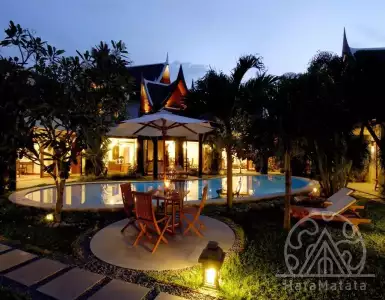
A recent high-profile purchase of a 56 million baht freehold condominium near Bang Tao Beach in Phuket sparked a wave of online debate when the British buyer claimed the deal left him with no personal income tax on his global earnings. The short version for anyone watching the property Thailand market: the claim is partly correct and partly wrong, and that distinction matters if you plan to buy a condo in Thailand.
We have followed the documents, the law and commentary from tax advisers. Our analysis explains what is legally permitted, what taxes you will still face when buying and owning, and why the Long-Term Resident (LTR) visa tied to Royal Decree No. 743 is the real game-changer for foreign income taxation.
How foreigners can legally buy a condo in Thailand
Thailand forbids foreign ownership of land but the Thai Condominium Act B.E. 2522 (1979) allows foreigners to own individual condominium units in freehold. That freehold right is real title, not a lease.
Key legal facts:
- Foreigners can hold freehold title to condo units but foreign ownership in a building cannot exceed 49% of total floor area (measured in square metres).
- Developers or the condo juristic person must confirm the foreign quota before sale. In hot markets such as Bang Tao and Sukhumvit, the quota is often full before projects complete.
- To register the unit in your name at the Land Department, the purchase funds must arrive from overseas in foreign currency and be converted through a Thai bank so the bank issues a Foreign Exchange Transaction (FET) Form.
Important FET threshold and rule:
- US$50,000 is the minimum foreign currency wire amount that triggers a formal FET Form. Below that, a bank credit-advice letter may suffice.
- The FET must name the buyer and the specific unit and match or exceed the purchase price. Funds cannot come from a local baht account.
Why that matters: the FET protects your ability to repatriate sale proceeds and is essential for proving the foreign origin of funds when qualifying investments for visas such as the LTR.
The taxes you pay at purchase — visas do not cancel Land Department charges
One of the most misleading claims in the viral post was that the buyer paid no taxes. That is wrong if you interpret it as meaning no taxes or fees on the property transaction itself. No visa removes the Land Department charges and seller-side taxes collected at transfer.
Common fees and taxes at transfer:
- Transfer fee: 2% of the Land Department appraised value (normally split 50/50 between buyer and seller by custom). On a 56 million baht sale the fee equals 1,120,000 baht, leaving the buyer commonly responsible for about 560,000 baht.
- Specific Business Tax (SBT): 3.3% when the seller held the property under five years or the seller is a corporate entity. On the Phuket purchase SBT would be around 1,848,000 baht if applicable.
- Stamp duty: 0.5% when SBT does not apply. Stamp duty is paid by the seller.
- Withholding tax: 1% (corporate) or progressive (individual) paid at transfer. For a corporate seller on the example transaction withholding tax was roughly 560,000 baht.
The example transaction totals above show that even where the buyer benefits from tax exemptions later, the transfer stage can carry meaningful costs.
A related point: the government temporary measure reducing transfer and mortgage registration fees to 0.01% through June 2026 applies only to Thai nationals buying properties under 7 million baht. Foreign buyers at 56 million baht are excluded.
Royal Decree 743 and the LTR visa: the income-tax dimension
The buyer who went viral was right about the income tax claim, but only because of a specific visa category. The Long-Term Resident (LTR) visa in the Wealthy Global Citizen category ties to Royal Decree No. 743, which provides a personal income tax exemption on foreign-source income for eligible visa holders.
Key LTR eligibility and conditions:
- Global assets: at least US$1 million in qualifying assets.
- Thai investment: at least US$500,000 in qualifying Thai instruments which can include a freehold condo in the buyer’s name.
- Visa duration 10 years (two 5-year blocks). Fee 50,000 baht.
- The Cabinet removed the annual income requirement in January 2025. Health insurance or a bank deposit of specified amounts remain part of the test.
What Royal Decree 743 exempts (Section 5):
- Foreign salary or employment income: Yes
- Offshore business profits or dividends: Yes
- Foreign rental income: Yes
- Capital gains on overseas assets: Yes (per prevailing practitioner interpretation)
What remains taxable despite the LTR:
- Thai rental income from your condo: taxable
- Capital gains on the resale of Thai property: taxable
This is the critical distinction: Royal Decree 743 offers an exemption for foreign-source income remitted to Thailand by eligible LTR holders. It does not wipe out Thai-source taxes.
Why the 2024 reporting change matters: Por. 161 vs. Royal Decree 743
From January 2024 the Revenue Department issued an instruction, Por. 161/2566, requiring Thai tax residents who spend 180 days or more in Thailand to declare foreign-source income in the year it is remitted. That ended the old practice of deferring remittances by a year to avoid Thai tax.
The legal hierarchy is clear: Royal Decree 743 is primary legislation and cannot be overridden by departmental instructions. Major accounting firms — BDO Thailand, HLB Thailand, PwC and KPMG — confirm the LTR exemption stands against Por.








For those without LTR status the consequences are direct: ordinary tax residents face progressive rates up to 35% on remitted foreign income.
Ongoing tax liabilities after purchase: what you cannot avoid
Buying property in Thailand and holding an LTR visa does not mean you will never pay Thai tax. The main Thai-source obligations to factor into investment returns are:
- Rental income: taxed at progressive rates 0–35% after a 30% standard deduction on gross rent. Withholding by Thai tenants can apply: 5% creditable for juristic person tenants, or 15% final tax if the landlord is a non-resident.
- Land and Building Tax: 0.02%–0.10% of the appraised value per year. On a 56 million baht unit that equals roughly 11,200–28,000 baht annually.
- Capital gains on resale: taxed through the Land Office withholding formula, which uses standardised deductions based on years of ownership; SBT 3.3% applies if sold within five years.
These are unavoidable for Thai-source income and must be budgeted when modelling returns on a buy-to-let or resale strategy in Thailand.
Alternatives and the legal risks to watch
Freehold condo plus LTR is the most straightforward and tax-efficient route for many foreigners. Alternatives exist but carry trade-offs and risk:
- Leasehold: a lease typically maxes at 30 years. Clauses promising extensions such as “30+30+30” are contractual only; they do not register as title rights at the Land Department.
- Thai limited company: often used to hold land or multiple units, but a genuine Thai shareholder structure is required. Nominee arrangements are under heavier enforcement and carry criminal risk for all parties. Company-held property faces 20% corporate tax and loses the individual seller capital gains concessions.
- Other visas: Thailand Privilege Visa, standard retirement visa and similar options offer no protection from Por. 161 and do not carry the foreign-income exemption.
We advise caution: sellers under-declaring price to save transfer tax can jeopardise LTR qualification because the Land Department-registered price counts toward the US$500,000 Thai investment and the US$1 million global asset thresholds.
Practical checklist for buyers and investors
If you are considering buying a condo in Thailand as a foreigner, here is a checklist based on the law and common practice:
- Confirm the building’s 49% foreign quota in floor area with the juristic person before committing.
- Ensure the entire purchase price arrives from overseas in foreign currency and that a FET Form is issued in your name matching the unit and amount.
- Budget for transfer-stage costs: 2% transfer fee, possible 3.3% SBT, 0.5% stamp duty if SBT does not apply, and withholding tax. Ask the seller whether they will cover any portion of the transfer fee by agreement.
- If you aim for LTR status, document assets carefully. The Land Department registered price counts toward the US$500,000 Thai investment test.
- Plan for ongoing Thai-source taxes: rental income, land and building tax and capital gains on resale.
- Avoid nominee arrangements and seek independent legal and tax advice from licensed Thai counsel and an international tax adviser.
What this means for buyers: a balanced view
I have seen the headlines that suggest foreigners can buy a condo in Thailand and pay no taxes at all. That is not accurate. The factual position is more useful: a freehold condo purchase combined with LTR Wealthy Global Citizen status gives you an exemption from Thai personal income tax on foreign-source income remitted to Thailand under Royal Decree No. 743. At the same time you will still pay ordinary Land Department transfer fees and seller taxes at the point of sale, plus tax on Thai-source income such as local rent or resale gains.
If you are an investor seeking to structure cross-border flows and reduce double taxation, the LTR route may deliver a meaningful saving. If your plan is to avoid all Thai taxes entirely, that is not realistic and not supported by the law.
Frequently Asked Questions
Q: Can a foreigner own land in Thailand? A: No. Foreigners cannot own land outright. They can hold freehold title to individual condominium units under the Condominium Act, subject to the 49% foreign quota.
Q: Does the LTR visa mean I pay no tax in Thailand at all? A: No. The LTR visa under Royal Decree 743 exempts qualifying holders from Thai personal income tax on foreign-source income remitted to Thailand, but Thai-source income such as rent from a Thai condo or capital gains on a Thai property sale remains taxable.
Q: What is the FET Form and why do I need it? A: The Foreign Exchange Transaction (FET) Form is issued by a Thai bank when US$50,000 or more arrives from overseas and is converted to baht. It names the buyer and the specific unit and is required for Land Department registration and for repatriating funds later.
Q: Are nominee shareholder or company structures safe ways to hold property? A: Nominee arrangements carry legal and criminal risk, and enforcement has tightened. Company structures are valid when genuinely capitalised and controlled by Thai shareholders, but they carry corporate tax and lose some personal tax concessions. Seek legal advice before considering these routes.
Final takeaway: if you want protection for foreign income remitted to Thailand, combine a properly documented freehold condo purchase with LTR status and a clear paper trail for funds via an FET Form; otherwise expect to pay normal Land Department transfer fees and tax on any Thai-source income.
We will find property in Thailand for you
- 🔸 Reliable new buildings and ready-made apartments
- 🔸 Without commissions and intermediaries
- 🔸 Online display and remote transaction

International Real Estate Consultant

Subscribe to the newsletter from Hatamatata.com!
Subscribe to the newsletter from Hatamatata.com!
Popular Posts

We will find property in Thailand for you
- 🔸 Reliable new buildings and ready-made apartments
- 🔸 Without commissions and intermediaries
- 🔸 Online display and remote transaction
International Real Estate Consultant

Subscribe to the newsletter from Hatamatata.com!
Subscribe to the newsletter from Hatamatata.com!
I agree to the processing of personal data and confidentiality rules of Hatamatata


Need advice on your situation?
Get a free consultation on purchasing real estate overseas. We’ll discuss your goals, suggest the best strategies and countries, and explain how to complete the purchase step by step. You’ll get clear answers to all your questions about buying, investing, and relocating abroad.



Sales Director, HataMatata