


Want a €1 Seaside House in Italy? Only a Few Coastal Towns Still Offer Them in 2026

A harsh truth for dreamers: coastal €1 homes are rare in 2026
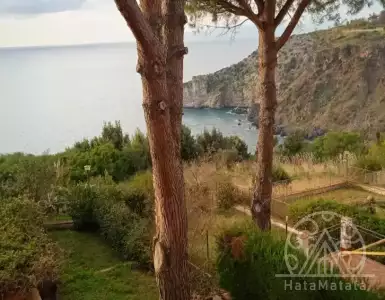
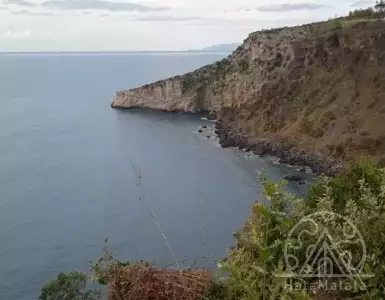
If you search for real estate Italy bargains with a seaside address, prepare for disappointment and a sliver of hope. The romantic idea of buying a coastal fixer‑upper for €1 is alive, but in 2026 genuinely coastal projects are limited, tightly targeted and intensely competitive. Most of the so‑called “one‑euro” villages sit well inland, often a 30–45 minute drive from sand and sea.
I’ve reviewed municipal lists, local calls for applications and the typical buyer experience. Here’s our practical guide to where coastal and near‑coastal €1 opportunities still exist, what they mean for purchasers, and the costs and legal steps you must reckon with before you bid on your dream house.
Where true coastal €1 projects remain: the handful to watch
Sicily dominates the shortlist if you want a symbolic‑price property with a real coastal address. Outside the islands, the options thin out to urban regeneration programmes rather than idyllic resort plots.
Directly on or immediately beside the sea (2026)
- Augusta (Sicily) — a working port and islanded historic centre on the Ionian Sea. This is coastal everyday life rather than a holiday beach town. Distance to the shore: on the coast.
- Itala (Sicily) — official coastal municipality in Messina province, with hamlets ranging from seaside to hillside. Distance to the shore: 0–2 km depending on the hamlet.
- Palma di Montechiaro (Sicily) — south‑eastern Sicily, combines hillside and coastal districts; beaches only a few kilometres away.
- Termini Imerese (Sicily) — on the Tyrrhenian Sea between Palermo and Cefalù, with a working port and thermal‑spa history.
- Taranto (Apulia) — a larger port city on the Ionian Sea with symbolic‑price regeneration projects focused on the waterfront; expect complex planning and social context.
These five places are the realistic options if you insist on waking up within walking distance of the water. Even here, availability is limited and individual properties included in a scheme may still sit off the immediate seafront.
Near‑coast options: acceptable compromises for many buyers
If you can tolerate a short drive, the map opens up substantially. Southern Italy, Sicily and Sardinia contain dozens of towns where a beach is reachable within a regular weekend‑trip range.
Examples and typical distances:
- Short drives (under 20 km / typically 6–20 km): Pettineo and Saponara (Sicily) — hilltop towns with beaches a short drive away; Caprarica di Lecce (Apulia) — about 17 km from the Adriatic.
- Moderate drives (20–35 km): Salemi and Castiglione di Sicilia (Sicily) — often 25–35 km from the nearest shore; Montresta (Sardinia) — roughly 30–35 km from Bosa.
- Longer drives (around 40–45 km): Gangi (Sicily) — about 40–45 km from the Tyrrhenian coast; several inland villages in central Italy fall in this bracket.
If you're comfortable with a 20–45 minute car trip to the sea, you can access many more municipal programmes and potentially lower purchase and renovation costs. In practice, that trade‑off is what separates those who snag a coastal €1 property from the majority of buyers chasing inland bargains.
Regional breakdown: what each area offers and the trade‑offs
Sicily
Sicily is the most practical place to look for real coastal €1 homes. The island’s size means that even inland towns are rarely more than an hour from the sea.
Pros:
- More coastal municipalities included in symbolic‑price schemes.
- Strong cultural and infrastructure links to larger centres (Catania, Palermo, Messina).
Cons:
- Some coastal towns are working ports or industrial in character (e.g., Augusta, Taranto), not holiday resorts.
- Competition is high for genuinely seaside plots.
Apulia
Taranto is the headline name for Apulia — a waterfront city with regeneration projects. But Taranto is an urban, industrial port rather than a beach resort.
Who it suits: developers or buyers willing to manage complex planning and social issues.
Sardinia
Sardinia offers few true €1 coastal sites but several inland villages are within 20–40 km of excellent beaches. Expect longer drives and rustic settings.
Liguria and Tuscany (northern/central)
Several 1‑euro villages are inland but still a day‑trip from the Ligurian or Tuscan coast. Examples include Triora and Pignone in Liguria and Montieri in Tuscany. These regions can deliver strong resale appeal but fewer immediate coastal opportunities.
How to choose the right near‑coast 1‑euro town: a practical checklist
You need clear priorities and a willingness to accept trade‑offs. Ask yourself:
- Do I need a walkable beach or is a 20–45 minute drive acceptable?
- Do I want a sandy bay, a rocky cove, or a working harbour atmosphere?
- Am I prepared for limited local amenities or seasonal tourism patterns?
- Can I manage renovations from abroad, or will I hire local contractors?
When vetting towns, check these factors in each municipal call for applications:
- Exact property locations included in the scheme (not all properties are on the seafront).
- Renovation deadlines and minimum investment levels required by the municipality.
- Deposit and contractual penalties if you fail to meet restoration obligations.
- Planning constraints such as historic‑building rules or coastal protection laws.
We advise creating a scoring matrix for your shortlist: proximity to sea, road and rail links, local services, property condition, and legal constraints.


Legal and fiscal realities for foreigners
Foreign buyers can take part in €1 schemes, but this is conditional.
Key legal prerequisites:
- Italian tax code (codice fiscale) is required to buy property in Italy.
- Buyers must follow the specific conditions set out in each municipal call for applications, typically including binding restoration deadlines and minimum investment levels.
- Municipalities expect a renovation timeline often enforced by contractual measures; failing to comply can trigger penalties or revocation.
Fiscal and transactional costs to budget for:
- Legal fees and due diligence (lawyer, notary, title checks).
- Taxes related to purchase, which vary if you buy as an individual or through a company and whether you are a resident.
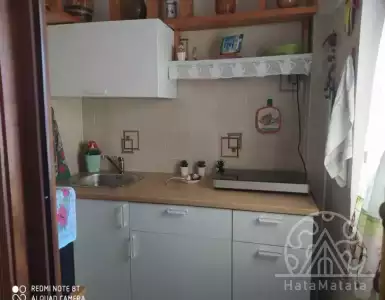
- Renovation costs — which are by far the largest expense and can reach tens of thousands of euros even for modest houses.
Our analysis: the €1 price is symbolic. Effective total cost often depends more on renovation scope and compliance with local rules than on the initial bid.
Renovation reality: budgets, timelines and hidden costs
A single euro buys you the right to restore, not a finished home. Expect the bulk of expense to be in works and compliance.
Typical renovation considerations:
- Structural repairs, roof and foundation work are common and expensive.
- Modernisation to meet safety and habitability codes (electrical, plumbing, insulation).
- Coastal properties may need extra measures against damp, salt corrosion and exposure to storms.
- Compliance with historic‑preservation rules can increase costs and limit alterations.
Budget guidance based on projects we’ve reviewed:
- Minor cosmetic refurbishments rarely apply: most €1 houses require substantial works.
- Conservative renovation budgets for a modest coastal house start in the tens of thousands of euros; larger restorations can escalate into six figures.
Timelines:
- Municipal schemes usually set firm deadlines; common expectations are to complete works within a few years.
- Contractor availability in small towns can lengthen timelines; sourcing skilled tradespeople sometimes requires looking to nearby provincial capitals.
We recommend getting a detailed survey and three contractor estimates before signing anything. That’s how you avoid one of the most common buyer mistakes: underestimating cost and time.
Resale and rental potential: sober expectations
A seaside address improves appeal but does not guarantee profits. Key variables include:
- Local economic context (working port vs tourist resort).
- Quality and legality of the renovation — properties restored to high standards near popular beaches perform better.
- Access and transport links — train stations and motorways matter for rental occupancy.
Buying in a declining town or a heavily industrial seafront can limit rental yield and resale prospects. If investment return is your motive, weigh local demand, seasonality and average visitor numbers before committing.
How to approach a purchase: practical steps
- Research municipal calls for applications and official listings for the selected towns.
- Visit in person to inspect the neighbourhood and talk to locals.
- Obtain a building survey and written contractor estimates.
- Secure a local lawyer or notary familiar with €1 schemes.
- Apply to the municipal programme and be ready to prove funding for renovations.
A note on contractors: local knowledge matters. We have seen projects stall because foreign buyers used inexperienced teams unfamiliar with regional building codes.
Risks and common pitfalls
- Competition: true coastal properties are highly contested. Expect bidding or quick call closures.
- Under‑budgeting: many buyers underestimate renovation scope; always double your initial estimate for contingency.
- Planning constraints: coastal protection and historic‑preservation rules can limit changes and increase costs.
- Social and economic context: port towns like Augusta and Taranto have mixed reputations; they are authentic but not always convenient or tourist‑friendly.
We encourage a cautious approach: treat a €1 purchase as a complex restoration project rather than a bargain holiday home.
Final verdict: who should pursue a coastal €1 house in Italy?
Pursue this if you are:
- Comfortable managing an involved renovation project.
- Ready to live with the trade‑offs of a working port or an inland village with a drive to the beach.
- Prepared to invest significantly beyond the initial €1 purchase price in legal costs, taxes and refurbishment — often tens of thousands of euros.
If coastal living is the priority, aim your search at Augusta, Itala, Palma di Montechiaro, Termini Imerese and Taranto. If you accept a short drive, a far larger list of towns becomes viable across Sicily, Sardinia, Apulia and mainland regions such as Liguria and Tuscany.
Frequently Asked Questions
Q: Can foreigners buy a €1 house by the sea in Italy?
A: Yes. Foreign buyers can participate in municipal €1 schemes but must obtain an Italian tax code (codice fiscale) and meet the specific conditions in each call for applications, including renovation deadlines and minimum investments.
Q: Is the total cost really just €1?
A: No. The €1 price is symbolic. Expect legal fees, taxes and most significantly renovation costs that often run into the tens of thousands of euros. Budget for contingencies.
Q: Which towns are truly on the coast in 2026?
A: The most reliable coastal options listed in 2026 are Augusta, Itala, Palma di Montechiaro, Termini Imerese (all in Sicily) and Taranto (Apulia). Availability varies by municipality and by property.
Q: What if I’m happy to drive to the beach?
A: Then your options increase. Many Sicily and Sardinia towns sit 6–45 km from the sea; a 20–45 minute drive often gives you access to countless cheaper €1 properties that still allow regular coastal visits.
If you are serious about buying a one‑euro coastal or near‑coast property, start by shortlisting the towns above, reading the municipal call for applications, and commissioning a survey. The €1 headline is tantalising, but the real decision hinges on renovation budgets, planning rules and your tolerance for compromise. Remember: if proximity to the sea is non‑negotiable, focus on those five coastal municipalities and assume you will spend far more than one euro to make the house liveable.
Tags
We will find property in Italy for you
- 🔸 Reliable new buildings and ready-made apartments
- 🔸 Without commissions and intermediaries
- 🔸 Online display and remote transaction

International Real Estate Consultant

Subscribe to the newsletter from Hatamatata.com!
Subscribe to the newsletter from Hatamatata.com!
Popular Posts

We will find property in Italy for you
- 🔸 Reliable new buildings and ready-made apartments
- 🔸 Without commissions and intermediaries
- 🔸 Online display and remote transaction
International Real Estate Consultant

Subscribe to the newsletter from Hatamatata.com!
Subscribe to the newsletter from Hatamatata.com!
I agree to the processing of personal data and confidentiality rules of Hatamatata
Need advice on your situation?
Get a free consultation on purchasing real estate overseas. We’ll discuss your goals, suggest the best strategies and countries, and explain how to complete the purchase step by step. You’ll get clear answers to all your questions about buying, investing, and relocating abroad.



Irina Nikolaeva
Sales Director, HataMatata