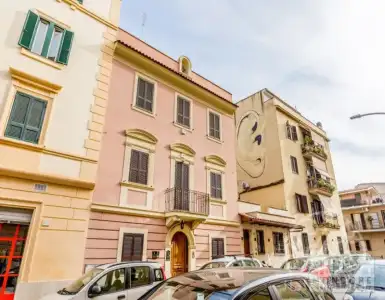
 1 224 434 $
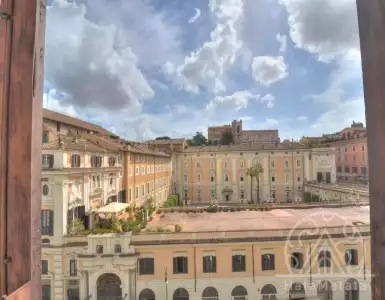 4 395 601 $
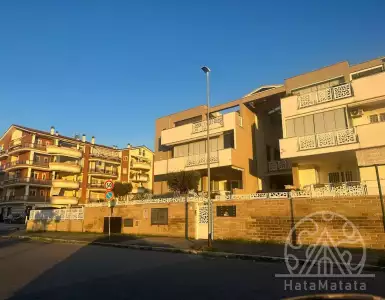 527 472 $
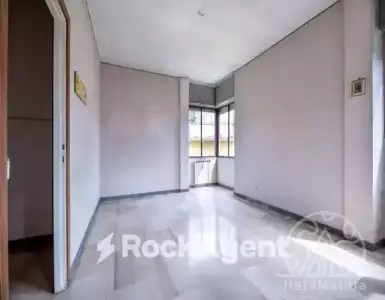 468 203 $
 695 678 $
 11 536 670 $
 989 866 $
 1 451 053 $
 320 794 $
 2 228 277 $
 744 717 $
 1 477 025 $
 724 925 $
 468 061 $
 308 451 $
 193 067 $
 2 583 923 $
 858 492 $
 337 674 $
 2 054 659 $
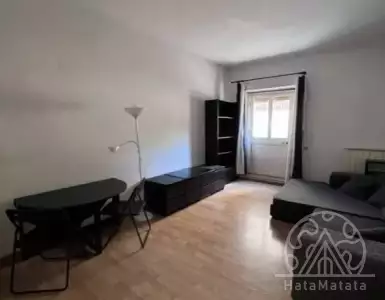 158 795 $
 445 541 $
 731 991 $
 646 211 $

 Legal review:
Deni Gerikhanov, International Real Estate Lawyer
 Financial review:
Evgeniya Skripko, Financial Expert in International Real Estate
Reviewed:
🇮🇹 Rome real estate in Lazio: historic center apartments, Trastevere, EUR suburbs
Rome, the historical heart of Italy, is a city where the ancient and the modern coalesce into a vibrant tapestry. With its breathtaking architecture, delectable cuisine, and rich cultural heritage, Rome is not merely a place to visit. It’s a place to call home. Whether you're considering a permanent residence, a second home, or an investment opportunity, the allure of property in Rome is undeniable. This city offers a lifestyle that combines the convenience of urban living with the richness of history and the warmth of Italian culture.
🌍 City overview and lifestyle in Rome
Rome is strategically located in the central part of Italy, making it a crucial hub for both tourism and business. With moderate Mediterranean climate conditions — hot summers and mild winters — residents enjoy a comfortable outdoor lifestyle year-round. The city is adorned with charming piazzas, historic landmarks such as the Colosseum and the Vatican, and beautiful parks like Villa Borghese. The lifestyle here is deeply influenced by traditions and a laid-back atmosphere; locals often gather for leisurely meals or strolls through the streets filled with artisanal shops and cafés.
This bustling metropolis is more than just stunning architecture; it's a vibrant center of arts, fashion, and culinary excellence. Major events occur throughout the year, including festivals showcasing Roman cuisine or art exhibitions, enhancing the cultural richness. Moreover, while Rome does not have coastal beaches within its city limits, it is only a short drive away from beautiful coastal resorts such as Santa Marinella and Ostia, offering sun-soaked escapes during the summer months.
Living in Rome means embracing a unique lifestyle that balances work and leisure. The diverse neighborhoods provide a rich tapestry of living experiences, from the upscale ambiance of the historical center, with its boutiques and fine dining, to the more relaxed, family-friendly quarters outside the city center. Every resident has an opportunity to find their niche in this iconic city.
🎯 Which district of Rome to choose for buying property
Rome is divided into numerous districts, each with its own unique character and array of amenities. Selecting the right neighborhood is crucial for buyers, whether for personal use or as an investment property in Rome.
-
Centro Storico: This historic heart is renowned for its proximity to major landmarks such as the Pantheon and Piazza Navona, making it a prized location for both tourists and high-end residents. Property prices here can range from €4,000 to €12,000 per square meter for luxury apartments.
-
Trastevere: Known for its charming cobblestone streets and vibrant nightlife, Trastevere is favored by young professionals and families alike. With prices averaging between €3,500 to €6,500 per square meter, it offers a lively, bohemian atmosphere while being close to the central attractions.
-
Testaccio: This district, rich in culinary history, presents a more local feel. Testaccio is known for its vibrant markets and traditional Roman cuisine, with property prices ranging from €2,500 to €4,500 per square meter.
-
Prati: Close to the Vatican, Prati is characterized by elegant streets and modern amenities. It attracts families looking for a safe environment with excellent infrastructure. Here, the price per square meter typically falls between €3,000 and €7,000.
-
Aurelio: Located a bit further from the bustling areas, Aurelio provides a quieter living space while still being well connected to the city center. Prices range from €2,000 to €4,000 per square meter, appealing to buyers looking for more affordable options.
Overall, understanding the dynamics of Rome’s neighborhoods is essential for any buyer, as each offers distinct advantages based on lifestyle preferences and investment potential.
💶 Property prices and market overview in Rome
The real estate market in Rome is diverse, catering to various budgets and buyer profiles. Prices fluctuate considerably depending on the district, property type, and overall market trends, reflecting the unique combination of historical character and modern amenities.
-
Average Prices per District:
- Centro Storico: €4,000 - €12,000 per m²
- Trastevere: €3,500 - €6,500 per m²
- Testaccio: €2,500 - €4,500 per m²
- Prati: €3,000 - €7,000 per m²
- Aurelio: €2,000 - €4,000 per m²
-
Property Types and Price Ranges:
- Apartments: Typical prices range from €2,000 to over €10,000 per m², depending on location and size.
- Villas: Purchasing villas can range from €500,000 to well over €2 million, especially in prestigious areas.
- Commercial Units: Prices can start at around €3,000 per m², considerably influenced by the area’s foot traffic and business activity.
Recent trends illustrate a stable market, with gradual increases in property demand, particularly among foreign investors seeking real estate investment in Rome. This interest has led to a tightening supply of readily available properties, causing prices to escalate in sought-after districts.
🚆 Transport and connectivity in Rome
Rome boasts an extensive public transportation network that facilitates easy movement throughout the city and surrounding regions. The Rome Metro features three lines that connect key areas, with standard travel times between major points averaging 30-40 minutes. Buses and trams further enhance accessibility, ensuring that all neighborhoods are well-connected.
Key transportation features include:
-
Metro:
- Three lines serving most of the city.
- Average Travel Times: 20-30 minutes from suburbs to the center.
-
Buses and Trams:
- Extensive bus network with over 350 lines.
- Reliable trams connecting residential areas with central hubs, particularly in Trastevere.
-
Major Roads and Highways:
- Well-connected through highways leading to neighboring regions and cities.
- The A1 highway provides easy access to Florence and Naples.
For international travel, Fiumicino Airport serves as the main gateway, with frequent connections to various parts of Europe and beyond. The airport is approximately 30 kilometers from the city center, making it easily accessible via the Leonardo Express train and shuttle services.
🏥 Urban infrastructure and amenities in Rome
Rome's urban infrastructure is robust, providing residents with essential services and leisure options. The city is home to a mix of top-notch schools, hospitals, shopping centers, and recreational areas, critical for families and young professionals alike.
-
Educational Institutions:
- International and local schools are widely available, including The American School of Rome and the Rome International School.
- Several renowned universities, such as Sapienza University and Roma Tre University, attract students from around the globe.
-
Healthcare Facilities:
- Notable hospitals include Policlinico Umberto I and Bambino Gesù Hospital, both offering excellent medical care.
-
Leisure and Shopping:
- Large shopping centers like ROMAEST and Galleria Alberto Sordi provide ample shopping opportunities.
- Parks, such as Villa Doria Pamphili, offer tranquil retreats for outdoor activities, adding to the lifestyle appeal of various districts.
Rome's diverse amenities enhance the city’s overall appeal, ensuring that property buyers find a community that meets their daily needs while enjoying a high quality of life.
🌟 Economic environment and city development in Rome
Rome's economy is multifaceted, characterized by a mix of tourism, local businesses, and a growing tech sector. As a historical and cultural center, tourism plays a pivotal role in the economic landscape, generating significant revenue and providing numerous employment opportunities.
-
Key Employment Sectors:
- Tourism contributes €12 billion annually to the local economy.
- The tech sector is emerging, with various startups establishing themselves, promoting innovation and job growth.
-
Infrastructure Development
- Ongoing urban projects aimed at improving transportation and public spaces are underway, enhancing the city's overall functionality and appeal as a residence.
-
Future Prospects:
- Economic stability is promoted by a thriving real estate market and increasing foreign investments, promising a fertile environment for property investments.
Investors considering real estate investment in Rome can be confident in the stability and growth prospects of the city’s economy, envisioning solid returns on their investments.
🏗️ Property formats and housing types in Rome
The real estate market in Rome features a variety of housing formats, each with distinct characteristics appealing to different buyer categories. Whether you prefer new developments or cozy, character-filled properties, there's something for everyone.
-
New Developments:
- Typically characterized by modern amenities and contemporary designs. New build property in Rome often falls within higher price brackets but provides numerous benefits in energy efficiency and maintenance.
-
Resale Properties:
- Including charming, vintage apartments that offer character. Prices vary widely based on the district and property condition.
-
Off-Plan Property:
- Purchasing off-plan can provide lucrative investment opportunities as properties are often sold at lower prices during the pre-construction phase.
Potential buyers interested in real estate in Rome should evaluate their preferences against the diverse housing offerings available, ensuring their investment aligns with their lifestyle expectations.
🔨 Developers and key residential projects in Rome
Numerous reputable developers are actively shaping Rome's real estate landscape, contributing to the variety of available properties. Notable developers include:
- C.M.C. di Ravenna: Known for high-quality residential projects, focusing on sustainable construction methods.
- Beni Stabili: A prominent player in the residential sector, offering luxury and affordable housing options across the city.
- AMA Group: Specializes in innovative architectural designs in newly developed neighborhoods.
Key residential projects to consider include:
- The Coppedè District: Known for unique architectural styles, with ongoing restorations and new builds inviting discerning buyers.
- Porta Maggiore: Witnessing renewed interest due to modernization efforts enhancing livability while maintaining historical charm.
Examining a developer's reputation and project quality is critical in securing a solid investment in property in Rome.
💰 Mortgage, financing, and installment options in Rome
Navigating the financing landscape as a foreign buyer in Rome is a key aspect of the property purchase process. Many banks and financial institutions offer various mortgage products tailored for international buyers.
Typical conditions include:
- Down Payments: Generally range from 20% to 30% of the property value.
- Interest Rates: Fixed or variable rates are available, averaging around 2% to 3%, depending on market conditions.
- Loan Terms: Loans can typically be taken for 15 to 30 years, offering flexibility depending on buyer needs.
Additionally, several developers provide unique property in Rome with installment plans, allowing buyers to divide their payments and secure a home before completion. This can be particularly advantageous for those looking at off-plan properties.
🏠 Property purchase process in Rome
For foreign buyers, understanding the property purchase process in Rome is fundamental. Generally, the steps outlined below will guide you while navigating this often complex journey.
- Property Search: Engage with a local real estate agent specializing in the desired districts.
- Offer and Negotiation: Make a formal offer through your agent; negotiate terms as necessary.
- Preliminary Contract (Compromesso): Once an agreement is reached, both parties sign a preliminary contract, usually requiring a deposit (around 10%).
- Final Contract (Rogito): The transaction is completed in the presence of a notary, who ensures the property title's legitimacy, typically taking 30-90 days after signing the preliminary contract.
- Final Payment: The remainder of the purchase price is paid, transferring ownership to the buyer.
Choosing local expertise to navigate this process can greatly simplify what may seem daunting.
📜 Legal aspects and residence options in Rome
When buying property in Rome, understanding the legal landscape is essential. Foreign buyers are permitted to own property in Italy, subjected to specific regulations.
- Ownership Rules: Non-EU residents may be required to provide a residence permit, but purchasing property does not automatically grant this.
- Taxes and Fees: Buyers should anticipate various costs, including registration taxes of 2 to 9% of the property purchase price, depending on residency status.
- Residency Options: Investors looking to relocate can apply for an Italian visa, providing pathways to residence permits through property investment.
Thus, understanding the legal framework ensures compliance and protection throughout the property purchase journey.
🏢 Property use cases and investment strategies in Rome
Real estate in Rome offers a broad spectrum of use cases, making it an attractive prospect for various buyer types. Buyers interested in investment property in Rome often explore these aspects:
-
Permanent Residence: For those seeking a long-term home, districts like Prati and Aurelio offer family-friendly environments with essential amenities.
-
Long-Term Rental: Areas like Trastevere and Testaccio are popular among renters, yielding attractive rental rates, which can be significant benefits for landlords.
-
Short-Term Rental: Properties in the historical center, such as Centro Storico, present potential for lucrative short-term rental income due to tourist demand.
-
Vacation Homes: Investors might consider districts along the Tiber River, providing picturesque settings and access to cultural attractions.
Assessing how property in Rome aligns with investment goals ensures buyers make informed decisions tailored to their needs and objectives.
Rome is more than just a city; it's a living museum that offers a lifestyle steeped in culture and history, with opportunities for investment that continue to grow. Engaging with local markets and understanding the diverse neighborhoods can aid buyers in making astute choices. Whether seeking a charming apartment or a yield-generating property, the advantages of real estate investment in this eternal city are abundant.