


Where to Find Real Bargains: Spain Homes Under €150,000 in 2026

Cheap property in Spain in 2026: why it still matters
Dreaming of a Spanish address without blowing your budget? If you're searching for property in Spain for less than €150,000, 2026 is offering real options. The market currently lists a wide range of homes under €150,000 (about £130,000 at the exchange rate promoted on idealista), from seaside apartments to village houses and even small villas with private pools. This is not just for retirees or second-home seekers; investors and families on a budget are active buyers too.
We say this with a clear head: there are bargains, but buying cheap in Spain has trade-offs. Location, paperwork, running costs and planning status all matter. In this guide we walk through the regions where low-cost stock is concentrated, the property types you can expect, the practical steps to buy as an international buyer, and the risks you must assess before you place an offer.
Where the cheapest homes are showing up
idealista’s summer 2026 selection highlights multiple provinces where housing under €150,000 is realistic. The list includes coastal and inland areas, which appeal to different buyer profiles. The main places to watch are:
- Costa del Sol — holiday rental demand and long-standing overseas interest keep the market busy.
- Costa Blanca — popular with European buyers looking for affordable sea-facing apartments.
- Málaga province — a mixture of city, coastal and rural stock.
- Alicante (Baix Segura) — good supply of low-cost urban flats and holiday properties.
- Murcia regions (Alto Guadalentín, Mar Menor, Valle de Ricote) — inland villages and coastal corners with cheaper entry prices.
- Sevilla capital and Aljarafe — city apartments and commuter towns within reach of Seville.
- Cádiz (Costa noroeste) and Asturias (Eo-Navia) — lesser-known coastal strips that sometimes list surprising bargains.
- Safor, València — a quieter alternative to the busiest Mediterranean hubs.
Each of these areas offers different upsides. Coastal resorts often mean holiday rental potential and seasonal demand. Inland towns give lower purchase prices and quieter living, but resale and rental turnover may be slower. We have seen that the selection on idealista spans both move-in-ready units and properties that clearly need renovation, so buyers can choose between a ready home and a value-add project.
What kind of properties you can actually buy for under €150,000
The listings include a range of property types. These are the categories you should expect:
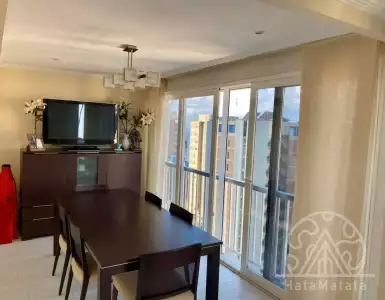
- Apartments: The most common pick at this price. Ranges from compact studio flats to two-bedroom units in older buildings.
- Townhouses and village houses: Often cheap in inland areas, with the upside of larger floor area but sometimes lacking modern amenities.
- Small villas with private pools: These do appear in the under-€150,000 band, particularly in less central locations or where the property requires some refurbishment.
- Renovation projects: Older properties priced for works can yield significant value if you have the budget and time for refurbishment.
Pros and cons in plain terms:
- Pros:
- Lower acquisition cost reduces capital at risk.
- Opportunity for value creation through renovation.
- Access to coastal living without top-tier prices.
- Cons:
- Older buildings can bring high maintenance and community fees.
- Renovation can reveal structural or legal complications.
- Some low-cost coastal homes are far from services or have seasonal demand only.
We recommend getting a full survey and an up-to-date nota simple from the Land Registry before committing. Those documents expose debts, community arrears and any encumbrances that could affect value.
Practical buying advice for international buyers
Buying property in Spain involves a mix of legal, tax and practical steps. From our reporting and experience advising readers, these are the actions that should be on your checklist:
- Use idealista’s currency conversion tool if you are buying with foreign currency. It simplifies budgeting when prices are listed in euros.
- Secure a Spanish tax identity number (NIE). It is required for completing the purchase and for tax matters thereafter.
- Open a Spanish bank account to handle deposits, bills and ongoing charges like IBI and community fees.
- Appoint an independent lawyer who specialises in Spanish property. They should check title, planning status, outstanding debts, and the energy performance certificate.
- Request the community association minutes if the property belongs to a comunidad de propietarios. These minutes show planned works and potential special assessments.
- Factor in the additional purchase costs: transfer tax, notary fees, registration fees, and legal fees. These are paid on top of the sale price.
- If you will rent the property, check local holiday rental rules; many municipalities introduced licensing and stricter controls after 2020.
Mortgages are available for non-residents, but lenders typically offer lower loan-to-value ratios to international buyers. We advise getting lender pre-approval early if you will need a mortgage.
Renovation vs move-in-ready: how to choose
A tempting bargain can be either a hidden gem or a money pit. Your decision should rely on three practical factors:
- Budget for works: Beyond the purchase price you must plan for construction, waiting times, architect or technical architect costs, and permits. These add up quickly.
- Planning and legal status: Some homes, particularly in rural or coastal environments, may have incomplete permits or past unlicensed extensions. Legalising building work can be expensive or impossible in some cases.
- Timing: Renovation takes time. If you need a place to live right away, a move-in-ready unit is safer.
If you buy to rent short-term, managers often prefer properties that are lived-in and fully compliant. We advise buyers who plan heavy refurbishment to build at least a 20–30% buffer on top of the contractor quotes for unexpected findings.
What investors should consider
Investors looking at sub-€150,000 stock should be realistic about returns.





- Coastal tourist towns can produce strong seasonal demand but also face competition and regulatory risk.
- Urban apartments near transport hubs or university towns can offer steadier, year-round lettings.
- Renovation projects can improve yield but require management capacity and a realistic timeline.
We caution readers to calculate all ownership costs before assuming a profit. That includes taxes, insurance, community fees, utilities, and maintenance. If you are using a letting agent, their management fee will reduce net income.
How to search idealista effectively
idealista is the marketplace behind the listings highlighted in this selection. Here are search tactics we use when scanning for sub-€150,000 opportunities:
- Set price filters to a maximum of €150,000 and create alerts for new listings.
- Use province and municipal filters to target the regions mentioned earlier: Costa del Sol, Costa Blanca, Málaga, Alicante (Baix Segura), Murcia (Mar Menor, Alto Guadalentín, Valle de Ricote), Sevilla and Cádiz.
- Look for keywords in the ad such as “needs reform”, “investment”, “village house”, or “sea view” if those are priorities.
- Check the listing’s publication date. Properties in this price range can move quickly in desirable spots.
- Contact the agent and ask for the property’s nota simple and IBI receipts. If they hesitate, take it as a red flag.
Common pitfalls and how to avoid them
Buying low-cost property in Spain is rewarding when you avoid common mistakes. From our reporting, these are recurrent issues:
- Rushing the purchase without a legal check. Title problems can be costly to sort out.
- Underestimating refurbishment costs or planning restrictions.
- Ignoring community fees or pending special assessments for building works.
- Failing to confirm holiday rental licences where relevant.
Simple preventive steps are cheap compared with the cost of remediation: get a lawyer, insist on registry documents, and verify all charges before signing.
Who should consider affordable Spanish property in 2026?
This market is suitable for several buyer types:
- Buyers seeking a low-cost second home or holiday base on the coast.
- Retirees looking to stretch retirement budgets while living in Spain.
- Investors wanting an inexpensive entry to a Spanish rental portfolio, provided they do rigorous due diligence.
- DIY renovators prepared to take on refurbishment for capital gain or lifestyle reasons.
Not every bargain is a fit for every buyer. If you require easy access to hospitals, year-round amenities and high resale liquidity, some low-cost rural properties may disappoint. If, however, you want affordability above all, there are genuine opportunities.
Frequently Asked Questions
1. Can I buy a property in Spain for under €150,000 in 2026?
Yes. There are multiple properties listed under €150,000 across Spain, including coastal areas like the Costa del Sol and Costa Blanca, and inland regions such as Murcia and parts of Andalucía. The selection includes apartments, townhouses and renovation projects.
2. Is the price in pounds shown on idealista reliable?
idealista provides a currency conversion feature that is useful for budgeting. The site lists prices in euros and offers an approximate pound conversion — for example €150,000 ≈ £130,000 at the current exchange rate displayed by idealista. Final payment must be in euros, so confirm the exchange rate with your bank when transferring funds.
3. What are the main additional costs when buying a cheap property in Spain?
Expect to pay purchase taxes, notary and registration fees, lawyer’s fees, and possibly agent fees. If you will renovate, factor in architectural, licence and construction costs. There are also ongoing costs like IBI (local property tax), community fees and insurance.
4. Should I buy a renovation project to save money?
If you have the skills, time and budget, a renovation can be a route to value. But renovations can reveal legal or structural problems, particularly with older or rural properties. Always obtain a survey, check planning permissions and leave a contingency in your budget.
Final takeaway
Spain’s market in 2026 still lists a credible range of homes under €150,000, across coastal hotspots and quieter inland towns. idealista’s currency tool helps international buyers price purchases in pounds, but the real work starts with legal checks, realistic budgeting for works and a clear plan for occupancy or rental. If you approach the search methodically, respects the legal process and inspect the true cost of ownership, you can buy a usable home near the sea or a quiet village property without overspending. The bottom line: bargains exist, but they reward preparation rather than optimism.
Tags
We will find property in Spain for you
- 🔸 Reliable new buildings and ready-made apartments
- 🔸 Without commissions and intermediaries
- 🔸 Online display and remote transaction

International Real Estate Consultant

Subscribe to the newsletter from Hatamatata.com!
Subscribe to the newsletter from Hatamatata.com!
Popular Posts

We will find property in Spain for you
- 🔸 Reliable new buildings and ready-made apartments
- 🔸 Without commissions and intermediaries
- 🔸 Online display and remote transaction
International Real Estate Consultant

Subscribe to the newsletter from Hatamatata.com!
Subscribe to the newsletter from Hatamatata.com!
I agree to the processing of personal data and confidentiality rules of Hatamatata


Need advice on your situation?
Get a free consultation on purchasing real estate overseas. We’ll discuss your goals, suggest the best strategies and countries, and explain how to complete the purchase step by step. You’ll get clear answers to all your questions about buying, investing, and relocating abroad.



Sales Director, HataMatata