


Why Branded Residences Are Rewriting Real Estate Thailand’s Rules

Branded living takes centre stage in real estate Thailand
Branded residences have moved beyond hotel tie-ins to become a core part of the high-end property market in Thailand. In the past decade this product category has shifted from novelty to mainstream appeal, and that change matters for buyers, investors and developers. In this article we examine what has driven the shift, where the supply sits, and what practical steps people should take when evaluating branded residences in Thailand.
Quick snapshot
- Thailand accounts for 26% of all branded residential developments in Asia.
- The branded-residence segment in Thailand is estimated at THB205.3 billion (USD6.4 billion) in value.
- Annual growth in the sector exceeds 13%.
- There are more than 3,000 standalone branded residence units in Thailand, about 22% of total branded supply.
- Bangkok has over 5,000 branded units; Phuket more than 3,400.
These figures show a maturing market where brand, service and lifestyle now carry measurable price weight. We will unpack what that means for property purchasers and investors.
What exactly are branded residences and why they matter
Branded residences combine private ownership with professional management and branded service standards historically associated with luxury hotels. The standard package includes:
- Professional property management and concierge services
- Housekeeping and maintenance options
- Security systems and controlled access
- Wellness facilities and curated lifestyle programming
- Integration with on-site retail, F&B and communal amenities
This product blurs the line between private housing and hospitality. Buyers are effectively purchasing a home plus an operational promise: consistent service quality, a managed community and, in many cases, access to a globally recognisable name. In Thailand, that promise holds particular weight because of the country’s established tourism infrastructure and service culture.
From a valuation perspective, branded status can affect resale pricing, rental demand and perceived longevity of an asset. For investors who rely on short-term rentals or hybrid usage, branded products often command premium nightly rates and higher occupancy in resort markets. For owner-occupiers, the appeal is predictable service and lower day-to-day friction.
Market scale and growth: the hard numbers
Thailand has emerged as a leading market for branded housing in Asia. The primary data points to keep in mind are:
- 26% market share of Asia’s branded residential developments — Thailand is the largest source of launched supply in the region.
- THB205.3 billion (USD6.4 billion) estimated market value for branded residences in Thailand.
- Annual growth above 13%, indicating rapid expansion in both supply and buyer demand.
These numbers are not cosmetic. They indicate a sector moving from project-by-project experiments into full product lines for major developers and lifestyle brands. Our analysis suggests that growth has three practical drivers:
- A broad buyer base that includes domestic wealth holders, expatriates, long-stay tourists and international investors.
- A supply response from developers who see brand partnerships as a way to differentiate in a crowded premium market.
- A tourism and service ecosystem that supports hotel-grade operations at scale.
Geography of branded supply: distinct markets and buyer profiles
Branded residences in Thailand are not a single story. They split into urban, resort and low-density villa markets with different economics and buyer motivations.
Bangkok: urban prestige and mixed-use ecosystems
- More than 5,000 branded units are concentrated in Bangkok’s key districts.
- Buyers here include professionals, expatriates and domestic high-net-worth individuals seeking convenience and proximity to corporate and lifestyle hubs.
In Bangkok, branded residences often sit within mixed-use developments that combine offices, high-end retail and hotels. That integration supports long-term demand because the product is appealing to people who want city living with hotel-like services. For investors, urban branded units can offer steadier rental demand than resort properties, but pricing is highly sensitive to location and accessibility.
Phuket: resort dynamics and international rental demand
- Phuket has more than 3,400 branded residences, making it a leading resort market in Asia.
Phuket’s appeal is dual: it is both a global tourist destination and a place where buyers want second homes or retirement properties. Branded projects here often target international travellers, long-stay Europeans and regional investors. That makes the market attractive for short-term rental strategies, but it also increases exposure to tourism cycles and regulatory changes affecting holiday rentals.
Secondary coasts: Hua Hin, Pattaya and Koh Samui
- Hua Hin and Pattaya attract domestic buyers and regional investors who want easy access from Bangkok and relative affordability compared with prime island markets.
- Koh Samui is developing a branded villa segment focused on wellness, privacy and low-density living targeted at high-net-worth individuals seeking retreat-style homes.
Each location carries different liquidity and yield characteristics. Resort properties can deliver strong seasonal rental income and capital gains during tourism booms, while secondary markets often trade on stability and affordability.
The rise of standalone branded residences: a sign of market maturity
One of the most significant trends in Thailand is the surge of standalone branded residences—projects that deliver hotel-level service without being physically attached to a hotel. There are over 3,000 such units in Thailand now, making up around 22% of branded supply and exceeding the regional average.
Why this matters:
- It shows buyers want privacy and permanence rather than the transitory nature of hotel life.
- Developers are proving they can operationalise branded-service levels outside the hotel model.
- Standalone branded projects can command different fee structures and governance, which affects net income for investors and running costs for owners.
For buyers this shift means more options. You can buy into a managed luxury community that feels residential rather than holiday-forward, while still benefitting from professional services.
Why Thailand has a competitive advantage
Several structural factors give Thailand a practical edge in branded residential development:
- A mature tourism industry with robust international connectivity and established hospitality standards.
- A deep pool of service-trained staff and operational know-how that reduce execution risk.
- Relative value versus many global luxury markets—buyers can access branded product for a lower ticket than comparable destinations in Europe or the U.S.
These advantages lower operational risk for developers and raise buyer confidence.

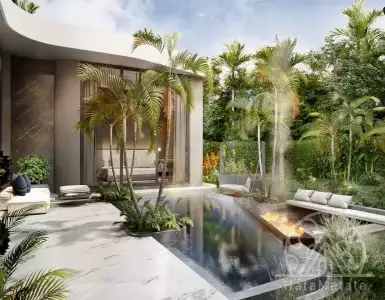

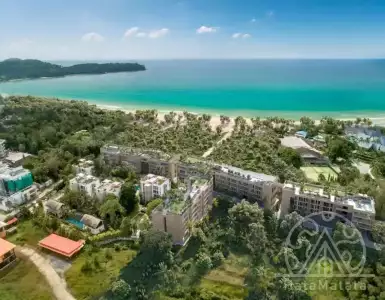

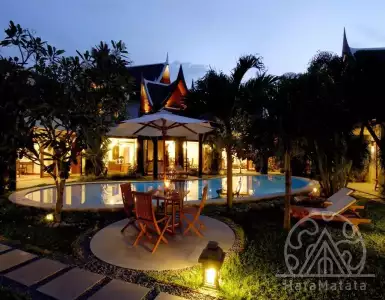
Developer responses and product innovation
Developers are changing product design to meet new buyer expectations. Recent project features we track include:
- Sustainability measures and energy-efficient systems
- Wellness-focused architecture and curated health programming
- Smart-home technologies and integrated service platforms
- Community programming aimed at long-term resident engagement
These features shift branded residences away from being short-term rental machines toward long-term lifestyle properties. That matters for valuation because it changes expected holding patterns, operational models and running costs.
What this means for buyers and investors — practical guidance
We recommend a careful, evidence-based approach when considering branded residences in Thailand. Here are practical points to weigh:
- Fees and contracts: Branded developments typically come with management fees, service charges and possible rental pool terms. Always model net cash flows after these costs.
- Use-case clarity: Are you buying for owner use, long-term rental, short-term holiday rentals or capital appreciation? Each use case points to different locations and product types.
- Legal and ownership structure: Foreign buyers must pay attention to leasehold versus freehold options and condominium structures. Seek local legal advice on title, transfer, and residency implications.
- Brand strength: Global brand recognition can help with marketing and resale, but the local operator’s track record in Thailand is equally important for day-to-day service quality.
- Exit assumptions: Liquidity varies by location. Bangkok units typically trade more often than island villas; resort properties may see sharper price swings tied to tourism cycles.
We have seen transactions where buyers overpay for the brand and underestimate ongoing fees. A realistic net-yield assessment and conservative occupancy assumptions are essential for investors.
Risks and things that can go wrong
Branded residential projects carry benefits but also clear risks:
- Operational risk if the management partner changes or fails to meet standards.
- Market risk from tourism downturns that reduce rental income in resort markets.
- Regulatory shifts that affect short-term rental rules or foreign ownership.
- Cost risk when service and maintenance charges rise as buildings age.
A prudent buyer or investor will insist on transparent service agreements, historical performance data where available, and contingency reserves for operational fluctuations.
A checklist for due diligence
- Confirm the exact service package, fee structure, and how fees escalate over time.
- Verify brand and operator agreements in writing, including what happens if the brand withdraws.
- Assess comparable transactions in the same building or neighbourhood to set realistic price expectations.
- Run sensitivity analysis on occupancy and average daily rates for rental income models.
- Get legal advice on ownership type, transferability, taxes and rental regulations.
Final takeaways for property buyers and investors
Thailand’s branded residences sector is now a material part of the country’s luxury property market. The THB205.3 billion sector and annual growth above 13% show that this is not a passing trend. Brands and standalone projects are reshaping what buyers expect from luxury housing: service, lifestyle and managed communities are now central to value.
From an investor’s perspective, branded residences offer differentiated demand drivers but require disciplined financial modelling and careful contract review. From an owner’s perspective, the appeal is clear: many buyers want a home that comes with hotel-grade management and predictable service.
In short, branded residences in Thailand provide a new form of product that merges hospitality with private ownership. That merger creates opportunities and new types of risk. Our advice is straightforward: evaluate the brand, quantify all running costs, and be precise about your use case before committing.
Frequently Asked Questions
Are branded residences more expensive than conventional luxury condos in Thailand?
Yes. Branded units typically command a premium due to the attached services and the brand name. The premium varies by project and brand, so compare on a net basis after management fees and service charges.
Can foreigners buy branded residences in Thailand?
Foreigners can buy condominium units subject to the standard condominium act rules and foreign quota restrictions. Ownership structures and leasehold arrangements vary by project, so obtain local legal advice.
Do branded residences guarantee higher rental income?
They can, particularly in resort markets where brand recognition drives occupancy and rates. However, rental performance depends on management quality, location, marketing and overall tourism conditions.
What should I check in the management contract?
Look for fee schedules, escalation clauses, service level agreements, brand termination clauses and the process for replacing operators. Insist on clear escalation paths for service failures.
Tags
We will find property in Thailand for you
- 🔸 Reliable new buildings and ready-made apartments
- 🔸 Without commissions and intermediaries
- 🔸 Online display and remote transaction

International Real Estate Consultant

Subscribe to the newsletter from Hatamatata.com!
Subscribe to the newsletter from Hatamatata.com!
Popular Posts

We will find property in Thailand for you
- 🔸 Reliable new buildings and ready-made apartments
- 🔸 Without commissions and intermediaries
- 🔸 Online display and remote transaction
International Real Estate Consultant

Subscribe to the newsletter from Hatamatata.com!
Subscribe to the newsletter from Hatamatata.com!
I agree to the processing of personal data and confidentiality rules of HatamatataPopular Offers
 1
1
 0
0
 2
2
80
2
2
80
 4
4
166
4
4
166
Need advice on your situation?
Get a free consultation on purchasing real estate overseas. We’ll discuss your goals, suggest the best strategies and countries, and explain how to complete the purchase step by step. You’ll get clear answers to all your questions about buying, investing, and relocating abroad.



Sales Director, HataMatata