


Why British Buyers Are Flocking to Bulgaria: Property from €30,000 and a Schengen Bonus

Cheap opportunity or buyer beware? Property in Bulgaria is getting renewed attention
Cheap property in Bulgaria is turning heads among British buyers: the average property search budget on A Place in the Sun is just £35,487, and you can still find beachside apartments from roughly €30,000. That combination of low entry costs, EU membership and a recent Schengen accession makes Bulgaria an attractive option for buyers seeking low-cost holiday homes, renovation projects or budget investment stock.
I’ve followed this market for years, and the numbers are persuasive, but the market has quirks you should know before you sign. Below we break down where value still exists, what buyer costs to expect, the legal and travel conveniences now in place, and how investors should approach rental and resale logic.
Why Bulgaria is back on British radars
Bulgaria hit the headlines again after being named ninth in A Place in the Sun’s Top 10 Best Places to Buy Abroad, ahead of Dubai. The author of that ranking highlights several simple attractions:
- EU member since 2007 and Schengen area member since 1 January 2025, which simplifies travel and residency logistics for EU citizens and makes the country easier to access for many buyers.
- A tourism market that has recovered to pre-pandemic visitor levels, keeping demand for short-term lets in seasonal hotspots.
- Convenience for UK buyers: Bulgaria is roughly three hours by plane from the UK and is served by low-cost carriers such as EasyJet, Ryanair and Wizz Air.
Those facts tell part of the story. What seals interest is price: the cost of living is 62% lower than the UK and rental costs are 184% lower, according to numbeo.com. For a British buyer used to UK property prices, Bulgaria offers a stark contrast.
Where to buy: coastal resorts, rural villages, ski towns and cities
Bulgaria is not a single market; it is a patchwork. Each region has different demand drivers, typical buyer profiles and price brackets.
Coastal resorts: Sunny Beach, Sveti Vlas, Golden Sands, Nesebar
Coastal searches dominate for holiday buyers. Key points:
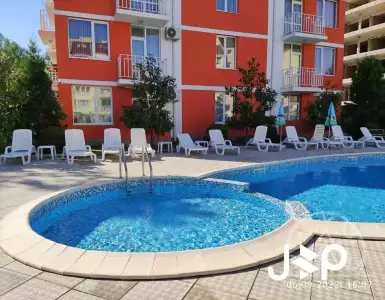
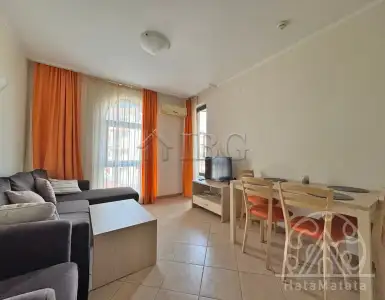
- Sunny Beach (Burgas region): famous for lively nightlife. You can find apartments for under €30,000, and two-bedroom, two-bathroom units in developments with shared pools often start at around €90,000.
- Sveti Vlas: quieter and seen as more upmarket than Sunny Beach; prices here start at around €85,000 for apartments and rise from there.
- The entire stretch from Golden Sands through Varna to Obzor and down to Nesebar provides a range of beachside bargains as well as more premium product.
Coastal properties suit short-term holiday rental strategies and occasional personal use. Expect high season demand but note occupancy is seasonal and competition among coastal apartments can be intense.
Rural and traditional areas: Veliko Tarnovo province and village projects
For buyers seeking traditional Bulgarian life or low-cost renovation projects, the north-central area around Veliko Tarnovo is prominent. Towns such as Pavlikeni and Polski Trambesh appear frequently in buyer searches.
- Renovation projects in this region can cost as little as £15,000.
- A newly refurbished three-bedroom house can be bought for roughly £35,000.
These purchases appeal to lifestyle buyers and those willing to commit time and cash to rebuild or modernise older properties. They also carry the risk of slower resale and lower rental demand compared with coastal markets.
Ski resorts: Bansko and Borovets
Ski properties are a different proposition:
- Bansko remains a value hotspot with many apartments under £30,000 and plentiful options in the £40,000–£50,000 range for developments with shared amenities such as pools and gyms.
- Borovets is closer to Sofia and typically commands three to four times the prices seen in Bansko, reflecting stronger domestic demand and higher positioning.
Ski apartments can produce good short-season rental returns if managed well; they also attract longer-stay winter lets from regional buyers.
Cities: Plovdiv’s rising profile
Plovdiv is the archetype of an up-and-coming city market in Bulgaria. With a growing economy and a rising digital nomad population, it’s increasingly on investor radars.
- A modern one-bedroom apartment can be found for around €150,000.
City buyers look for year-round demand, stronger long-term rental prospects and better liquidity than village properties.
Costs, taxes and the Golden Visa — what buyers must budget for
Price is only the starting point. You must budget for purchase taxes, legal fees and ongoing ownership costs.
- Buying costs are around 8% of the property’s value, according to the same report. That figure covers transfer taxes, notary fees and likely legal assistance but buyers should obtain an itemised estimate from their lawyer or agent.
- Golden Visa / residency by investment: Bulgaria offers a residency-through-investment route with a minimum investment of €512,000.
 1
1
 1
1
 57
57
 2
2
90
2
2
90
 1
41
1
41
 1
1
68
1
1
68
Other practical costs and tax items to investigate before purchase:
- Property tax rates and municipal taxes which vary by location
- VAT on new-build properties in some cases
- Short-term rental registration and occupancy charges if you intend to let the property through platforms such as Airbnb
- Utility and condominium fees for apartment buildings with shared facilities
We recommend getting independent tax and legal advice locally. The law and procedures are different from the UK and not all agents provide full disclosure on additional costs.
How investors should think about rental, resale and exit strategies
Low headline prices are attractive, but they must be matched to a realistic plan for rental income, occupancy, resale and exit costs. Here’s how we approach that calculation.
Key considerations for rental investors:
- Seasonality: Coastal and ski resorts have concentrated peak seasons; expect sharp occupancy swings rather than steady year-round income.
- Guest mix: Resorts draw international holidaymakers, regional tourists and sometimes long-stay renters; tailor property fit-out and marketing accordingly.
- Management: For remote landlords, a reliable local property manager is essential; factor their fees into your yield calculus.
City and village properties offer a different profile:
- Cities like Plovdiv provide steadier, year-round rental demand, especially for professionals and digital nomads. Yields may be lower per month but occupancy tends to be more consistent.
- Village homes may attract niche markets — retirees, eco-tourists or buyers seeking renovation projects. These properties can be cheaper to buy but harder to let and resell quickly.
Exit planning matters. Liquidity varies:
- Coastal and city properties usually re-sell faster than remote village houses.
- Ski apartments in Bansko can be traded frequently, but prices fluctuate with tourism trends.
We advise building conservative yield models (plan for lower peak occupancy and higher off-season vacancy) and running sensitivity tests on resale times and price drops.
Practical buying steps: due diligence, legal checks and negotiation tips
Buying in Bulgaria is straightforward if you follow a clear process. Based on market practice and my reporting, these steps reduce risk:
- Visit first: Spend time in the area at different times of year to check seasonality, noise, infrastructure and neighbours.
- Use a local lawyer: Hire a Bulgarian-qualified property lawyer to check title, encumbrances, construction permits and to carry out notary procedures.
- Check ownership: Confirm freehold title and that the seller is legally able to sell. In some rural cases ownership paperwork can be old or incomplete.
- Verify building permits: For apartments, check the building’s paperwork for legal completion certificates and records of shared costs.
- Understand the seller’s charges: Ask for an itemised list of taxes, notary fees and any condominium debts that may transfer with the property.
- Plan for currency transfer: If buying in euros or lev, consider currency risk and use a regulated provider for large transfers.
Negotiation points usually include price, transfer date, which fixtures are included and who pays for outstanding utility debts. In my interviews with agents, sellers often expect offers well below the asking price in rural areas; coastal and city listings are tighter.
Risks and red flags to watch
No market is without risk. In Bulgaria consider:
- Seasonality risk in coastal and ski markets, which compresses income into short periods.
- Paperwork or title irregularities in rural properties requiring extra legal work.
- Quality differences between old stock and new developments; some low-cost units may need substantial investment to reach Western standards.
- Local market opacity: some seller practices and pricing can be non-transparent without a trusted local adviser.
Mitigation measures include thorough legal checks, hiring independent surveyors and using established estate agencies with verifiable reviews.
Experience-based advice for different buyer profiles
I’d approach Bulgaria differently depending on your objective:
- Holiday homeowners: Focus on the coast or established ski resorts. Prioritise convenience to transport links and local amenities.
- Renovators and lifestyle buyers: Look in Veliko Tarnovo province where renovation budgets can be low and properties allow a lifestyle upgrade.
- Investors seeking yield: Choose Plovdiv or organised developments in Sunny Beach and Bansko where rental demand is proven and management companies exist.
- Residency seekers: Compare the Golden Visa route against other visa options and calculate the total cost of investment and associated taxes.
Frequently Asked Questions
Q: How cheap can I buy property in Bulgaria? A: You can find coastal and ski apartments from roughly €30,000 or village houses and renovation projects from about £15,000 to £35,000, depending on location.
Q: How much should I budget for buying costs? A: Buying costs are around 8% of the property’s value, covering transfer taxes, notary fees and legal services—get a detailed quote from your lawyer.
Q: Does Bulgaria offer residency through property investment? A: Bulgaria has a residency-through-investment route with a minimum investment of €512,000; check current rules and timelines before relying on this path.
Q: Which areas give the best balance of rental income and resale potential? A: Cities such as Plovdiv and organised developments in coastal resorts and established ski towns (notably Bansko) offer the most balanced mix of year-round demand and resale liquidity.
Final practical takeaway
Bulgaria offers accessible entry prices and tangible travel conveniences for UK buyers, but success requires clearly matching property type to your use-case, budgeting for roughly 8% in transaction costs and conducting rigorous local due diligence. Buying cheap is easy; buying well takes work.
Tags
We will find property in Bulgaria for you
- 🔸 Reliable new buildings and ready-made apartments
- 🔸 Without commissions and intermediaries
- 🔸 Online display and remote transaction

International Real Estate Consultant

Subscribe to the newsletter from Hatamatata.com!
Subscribe to the newsletter from Hatamatata.com!
Popular Posts

29 September 2025
We will find property in Bulgaria for you
- 🔸 Reliable new buildings and ready-made apartments
- 🔸 Without commissions and intermediaries
- 🔸 Online display and remote transaction
International Real Estate Consultant

Subscribe to the newsletter from Hatamatata.com!
Subscribe to the newsletter from Hatamatata.com!
I agree to the processing of personal data and confidentiality rules of HatamatataPopular Offers
 1
1
56
1
1
56
 2
2
108
2
2
108
 1
1
55
1
1
55
Need advice on your situation?
Get a free consultation on purchasing real estate overseas. We’ll discuss your goals, suggest the best strategies and countries, and explain how to complete the purchase step by step. You’ll get clear answers to all your questions about buying, investing, and relocating abroad.



Irina Nikolaeva
Sales Director, HataMatata