


Why Cincinnati Is Now the Most Searched Rental Market in the US — And What Investors Should Do

Midwest and Sun Belt rentals are winning renters — and investors are taking notice
If you're tracking the real estate USA rental story for 2026, the shift is clear and fast. Renters are leaving expensive coastal metros and turning toward mid-sized, affordable cities where housing costs make sense and job prospects are stable. Our analysis finds Cincinnati, Ohio, is the most in-demand rental market in the United States this year — a jump fueled by an 81% surge in listings being added to favorites on rental sites.
This is a practical, working-market story about budgets, jobs, and how remote work changed relocation math. It's also a recalibration for investors who now prioritize cash flow and yield over speculative appreciation in overheated coastal markets.
Why Cincinnati topped the 2026 rental charts
Cincinnati's rise to the number one spot is not an accident. The city moved up 10 positions to claim the top of the rankings. The data point that caught our eye is the 81% increase in properties favorited on rental platforms — that shows active interest, not passive browsing.
Key reasons Cincinnati is winning renter demand:
- Affordability compared with coastal alternatives. Rents and home prices are lower, which stretches tenant budgets.
- Stable local economy with a mix of healthcare, education, manufacturing, and regional corporate offices.
- Quality-of-life trade-offs that matter: shorter commutes, lower taxes in some cases, and fewer housing-related expenses.
From the perspective of someone who analyzes markets and writes for investors, Cincinnati reads like a textbook example of supply-demand alignment: renters want lower-cost alternatives and the city can absorb new residents without the price volatility you see in some coastal metros.
The top 10 most in-demand rental cities in 2026
Here are the markets that topped search and list-favoriting activity this year, with the ranking taken from platform analysis:
- Cincinnati, OH — Jumped 10 spots; 81% surge in favorites
- Atlanta, GA — Continues to attract movers from pricey coastal metros
- Minneapolis, MN — Educated workforce and corporate headquarters
- Washington, D.C. — Constant demand from federal staffing and contractors
- Baltimore, MD — Climbed 17 spots and offers cheaper alternatives to D.C.
- Cleveland, OH — Stable demand and some of the highest rental yields (~9.8%)
- San Jose, CA — Surprising 80-spot jump driven by mixed-use development
- Philadelphia, PA — East Coast jobs with lower costs than New York
- Kansas City, MO — Balanced economy and population growth
- Birmingham, AL — Strong healthcare sector and high occupancy in central neighborhoods
Two things to note from this list:
- The presence of San Jose at #7 is striking. It implies targeted demand inside high-cost states where new product and mixed-use schemes still attract renters despite elevated costs.
- The list balances Sun Belt growth (Atlanta, Birmingham), Midwest recovery (Cincinnati, Cleveland, Kansas City), and stable government-driven demand (D.C., Baltimore).
The larger pattern: a Midwest renaissance and the role of remote work
A defining takeaway is that 11 out of the top 30 most in-demand cities are in the Midwest. That's a notable regional shift back toward mid-sized urban centers that have been overlooked for more than a decade.
Why renters are picking these places:
- Remote and hybrid work reduce the value of short commutes to central business districts.
- Renters want consistency in monthly housing costs; mid-sized cities deliver that.
- Secondary cities are investing in amenities and downtown revitalization, making them more competitive.
This is not a mass exodus from coastal metros; rather, it's a re-sorting. High-earning households tied to tech or finance still flock to big coasts, and those metros often show the fastest rent growth. The original analysis cautions that cities like Chicago, New York, and San Francisco are projected to see the fastest rent price growth, even if demand volumes are shifting elsewhere.
What the trend means for renters and prospective residents
For renters, this shift brings tangible benefits:
- More negotiating power in markets that are expanding supply while attracting demand.
- Access to better square footage per dollar compared with expensive coastal metros.
- Opportunities to live closer to extended family or lower-cost healthcare and services.
But there are trade-offs:
- Job choice in certain specialized industries can be narrower outside major coastal hubs.
- Public transit and some cultural amenities can be less extensive than in big metros.
- Schools, zoning rules, and neighborhood-by-neighborhood quality vary widely — local due diligence matters.
From our experience advising renters and repeat movers, the test is simple: identify the local employment anchors and vacancy rates before signing a lease. If a city shows steady job growth and falling vacancy, expect rents to firm up.
Investors: shifting from appreciation bets to cash-flow strategies
Investors are adjusting. The analysis points out a pivot from speculative coastal plays to cash-flow-focused investments in secondary markets. Cities mentioned as attractive for yield include Cleveland, Indianapolis, Detroit, and Memphis.
Why this matters for investors:
- Higher rental yields: Cleveland is highlighted for yields around 9.8%, among the highest in the country.
- Lower acquisition costs: Entry prices in secondary markets are lower, enabling larger portfolios for the same capital outlay.
- Stability over volatility: Cash-on-cash returns and cap rates in these markets can provide steady income even if appreciation is moderate.
Technical terms to keep in mind:
- Cap rate (capitalization rate): Net operating income divided by purchase price; it gauges relative return before financing.
- NOI (net operating income): Gross rents minus operating expenses; the numerator in cap rate calculations.
- Cash-on-cash return: Annual pre-tax cash flow divided by cash invested; useful when assessing leveraged deals.
We must be clear that higher cap rates in lower-cost cities can reflect both opportunity and higher local risk. Local economic diversification, population trends, and tenant quality are essential underwriting inputs.
Two real-world investment examples: Cleveland vs Kansas City
The source offers two property examples that illustrate the choices investors face.
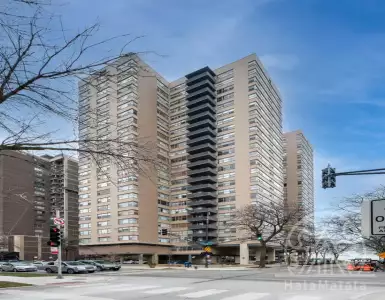
Cleveland, OH — W 117th St
- Beds/Baths: 4 Bed / 2 Bath
- Size: 4,800 sqft
- Price: $169,900
- Estimated Rent: $1,660 per month
- Cap Rate: 8.3%
- NOI: $1,173 per month (as given)
- Year built: 1952
- Price per sq ft: $36
Kansas City, MO — N Main Street
- Beds/Baths: 6 Bed / 6 Bath
- Size: 3,480 sqft
- Price: $485,000
- Estimated Rent: $4,000 per month
- Cap Rate: 8.2%
- NOI: $3,295 per month (as given)
- Year built: 2006
- Price per sq ft: $140
What these two examples illustrate:
- Cleveland offers a low entry price and high yield; the unit is large, older, and priced at $36 per sqft. That appeals to investors who prioritize yield and portfolio scaling.
- Kansas City shows a higher purchase price and higher rent, delivering similar cap rates but a larger nominal NOI and a newer asset at $140 per sqft.
Which fits your strategy?
- If you want higher nominal cash flow and are comfortable with a bigger upfront check, the Kansas City asset delivers more monthly NOI.
- If your priority is buy-low yield and portfolio diversification, Cleveland provides a strong cap-rate profile.
Our take: measure deals on both cap rate and local market fundamentals.






Risks and red flags investors should watch
The shift toward mid-sized cities includes opportunity and risk. I recommend focusing on these risk checks:
- Employment concentration: Cities overly dependent on a single employer can be volatile.
- Building condition and deferred maintenance: Older housing stock can inflate cap rates but demand additional capital.
- Tenant demand durability: Favor markets with steady in-migration or diverse job sectors.
- Regulatory and tax environment: Local landlord-tenant laws and property taxes materially affect net returns.
Also remember that rising renter interest does not guarantee immediate rent growth. The research differentiates between where people are searching and where rents are rising fastest; established expensive markets still lead on rent-growth projections.
Practical buying checklist for property USA investors in 2026
- Run a three-scenario cash flow model (base, downside, upside) that includes vacancy and capex reserves.
- Verify local rent comparables and absorption rates for the exact neighborhood, not just the city.
- Confirm property management costs and vacancy assumptions. In many secondary markets, local management is essential and generally cheaper than national platforms.
- Budget for modest rehab reserves on older properties; a low price per sqft can mask deferred maintenance.
- Check local legal protections for landlords and any upcoming ballot measures that could affect rental returns.
From our experience, investors who win are those who treat acquisition like a business purchase, not a speculative bet.
How renters should approach moving decisions in 2026
If you are a renter contemplating a move to one of these mid-sized cities:
- Prioritize proximity to your employment base, especially if you still commute part-time.
- Check neighborhood-level safety, school quality if applicable, and local transit options.
- Negotiate lease terms when demand is rising — shorter leases or rent caps might be available on a case-by-case basis.
Our reporting shows renters have leverage in many growth markets; use it to secure favorable lease terms or tenant improvement allowances.
What to watch next: market signals for H2 2026
Monitor these indicators to see whether this renter-driven shift sustains:
- Job growth data and headline corporate relocations into secondary markets
- Vacancy trends and new rental completions in top-ranked cities
- Rent-growth comparisons between established coastal metros and the rising mid-sized cities
If vacancy tightens in these mid-sized cities while employment stays healthy, expect rental rates to firm and investors to accelerate acquisitions.
Frequently Asked Questions
Q: Is this a permanent shift away from coastal cities?
A: No. It's a rebalancing. Coastal metros will remain important for certain industries and generally show faster rent growth in many forecasts. What we are seeing is increased demand for affordable, mid-sized cities that offer stable jobs and lower living costs.
Q: Should I buy in Cleveland because of the 9.8% rental yield mentioned?
A: A high yield like 9.8% signals strong cash-flow potential, but it's not a buy signal by itself. Underwrite the deal: check vacancy, capex needs, tenant quality, and local economic drivers before committing.
Q: How should I compare cap rate vs cash-on-cash return?
A: Cap rate is a financing-agnostic measure of property return using NOI divided by price. Cash-on-cash factors in your actual equity invested and mortgage costs. Use cap rate for market-level comparisons and cash-on-cash for deal-level financed returns.
Q: Are there specific neighborhoods within these cities I should avoid?
A: Yes. Every city has underperforming micro-markets. Avoid neighborhoods with chronic vacancy, weak local services, or long-term population decline. Always source neighborhood-level vacancy and police/crime stats.
Bottom line and actionable takeaway
The 2026 rental market is shifting toward affordability and predictable cash flow. Cincinnati's rise to the top was driven by an 81% surge in platform favorites, and the Midwest's comeback — 11 of the top 30 markets — shows that renters and investors are repricing what matters in housing decisions. For investors, that means focusing on cash flow, cap-rate discipline, and local underwriting rather than pure appreciation bets. If you want a single, practical metric to start with: in markets like Cleveland, where yields near 9.8% have been recorded, build a conservative NOI and a 6–12 month maintenance reserve into your math before you buy.
Tags
We will find property in USA for you
- 🔸 Reliable new buildings and ready-made apartments
- 🔸 Without commissions and intermediaries
- 🔸 Online display and remote transaction

International Real Estate Consultant

Subscribe to the newsletter from Hatamatata.com!
Subscribe to the newsletter from Hatamatata.com!
Popular Posts

We will find property in USA for you
- 🔸 Reliable new buildings and ready-made apartments
- 🔸 Without commissions and intermediaries
- 🔸 Online display and remote transaction
International Real Estate Consultant

Subscribe to the newsletter from Hatamatata.com!
Subscribe to the newsletter from Hatamatata.com!
I agree to the processing of personal data and confidentiality rules of HatamatataPopular Offers

 3
3
 120
120
 5
143
5
143
 2
165
2
165
Need advice on your situation?
Get a free consultation on purchasing real estate overseas. We’ll discuss your goals, suggest the best strategies and countries, and explain how to complete the purchase step by step. You’ll get clear answers to all your questions about buying, investing, and relocating abroad.



Sales Director, HataMatata