


Why Energy Costs Could Be the Deciding Factor for Greek Property Now

Greek real estate under pressure: energy costs meet geopolitics
Real estate Greece is at a crossroads. The current conflict in the Middle East has already begun to redirect capital and buyer preferences, while energy costs are moving from a secondary operating expense into a primary determinant of value. In our analysis, the important question is not whether the conflict will touch the Greek property market but how long the tensions last and how energy prices respond.
Manos Kranidis, civil engineer and board member of the Panhellenic Federation of Property Owners, is clear: a short-lived shock would push buyers toward safe EU havens, while a drawn-out conflict would raise inflation, interest rates and costs. Those developments would dent domestic demand and leave the market more dependent on international buyers. That combination will change which properties are desirable and which are exposed.
Short shock vs long shock: two very different outcomes
The market reaction depends on timing and persistence. Kranidis lays out two contrasting scenarios:
- Short instability (a few months): Greece may act as an intermediate safe haven because of its proximity to the region and relative political stability. Investors and private buyers looking for second homes or relocation options could increase activity.
- Prolonged conflict (more than a year): The macro picture changes. Higher inflation, rising economic costs and increased interest rates would reduce domestic buying power and slow growth. The Greek market would become more reliant on foreign purchasers to sustain prices.
We expect a mixture of both effects in different submarkets. Transactions could spike in segments that offer liquidity, regulatory clarity and perceived safety, while weaker local-demand markets could cool quickly if credit tightens.
Energy costs are now a core valuation input
Energy is no longer a footnote on the running-cost page of a property prospectus. Kranidis points out that in modern apartment buildings electricity and heating already account for 25–35% of household expenses. If energy prices rise by 30–40%, the overall cost of living in a property would climb sharply and change rental yields and net returns.
What this means for buyers and investors:
- Energy-efficient properties will command premiums because they lower ongoing operating costs and preserve net rental yields.
- Landlords must re-run yield calculations using higher utility assumptions; an attractive headline rent can be wiped out by mounting energy bills.
- Buyers of owner-occupied housing will weigh monthly utility expense more heavily against mortgage servicing costs and taxes.
Practical items to prioritise when assessing a property:
- Check the energy performance certificate (EPC) or similar local rating; lean toward A/B-rated buildings where possible.
- Inspect insulation quality, window glazing, and the presence of efficient heating systems such as heat pumps rather than old oil boilers.
- Consider renewable additions: rooftop solar PV plus storage can reduce exposure to grid price spikes and improve rental appeal.
- Factor in communal heating and maintenance charges in apartment buildings; these can hide substantial energy exposure.
We have seen buyers shift preferences before, but this time the driver is cashflow. Investors who ignore the change risk overpaying for assets that will underperform when tenants face higher utility bills.
Construction costs, supply and the new capex reality
Higher energy prices ripple through the construction supply chain. Steel, aluminium and cement production are energy-intensive. Kranidis estimates that in a prolonged crisis, construction costs could rise by 20–40%. The consequences are straightforward:
- Project delays as developers pause sites or renegotiate contracts.
- Shortage of new supply if margins compress and investment pipelines slow.
- Higher replacement cost for new-build housing, which can put an upwards floor under existing property prices even if demand softens.
Developers and investors need to adjust feasibility models. You should assume higher hard costs, longer completion timelines and wider contingency buffers. For buyers, that means:
- Off-plan purchases carry more delivery risk and may face longer waits or extra costs.
- New-build premiums could rise if materials and transport remain expensive.
- Renovation projects may become less attractive if labour and materials costs escalate.
We recommend investors factor a range of construction cost scenarios into returns modelling rather than a single fixed estimate. Fixed-price contracts with builders help but are harder to secure when energy-driven inflation is high.
Foreign buyers: the sustaining force and its limits
The Greek market is already internationalised. Recent activity shows 40–50% of purchases in central Athens and key tourist regions involve foreign buyers; in some resort areas that share reaches 60–70%. Annual foreign direct investment into Greek real estate has topped €2 billion, and in parts of the luxury sector international purchasers account for up to 80% of demand.
That mix explains why Greece could benefit if the Middle East crisis prompts Europeans and others to seek second homes inside the EU.






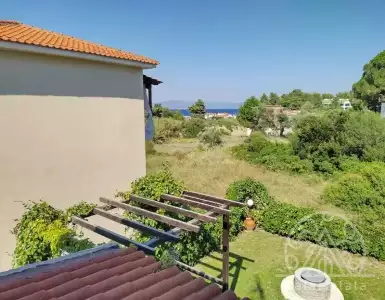
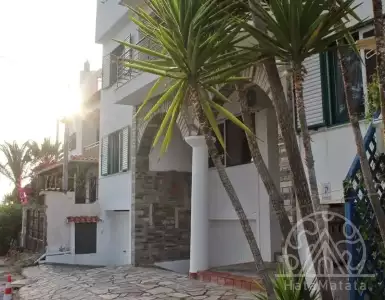

- A flight to safety from regional buyers could boost sales of coastal villas, island properties and city-center apartments.
- Global risk aversion and tighter credit in other economies could simultaneously reduce appetite from buyers who fund purchases with overseas mortgages.
Institutional features that matter to international investors are clarity on tax, stable regulation and predictable legal processes. Kranidis warns that Greece must preserve these elements if it wants to remain competitive for cross-border capital.
A multi-speed market is already forming
Kranidis predicts what he calls a multi-speed market. We see that today:
- Resilient pockets: markets with high-quality housing stock, modern infrastructure and strong international demand will likely remain robust.
- Pressure points: areas with less liquidity, few international buyers and weaker infrastructure may face price softening.
Examples of resilience drivers include proximity to transport hubs, quality of construction, energy efficiency and local amenities that attract year-round demand rather than seasonal tourism alone.
For investors, diversification across submarkets matters. A single-city or single-island bet carries more concentration risk in a differentiated market.
What buyers should do now: practical steps
We advise buyers and investors to take a disciplined, scenario-based approach. Specific actions include:
- Stress-test returns: run rent and operating-cost scenarios that include a 30–40% increase in energy prices and a 20–40% rise in construction costs.
- Prioritise energy efficiency: prefer properties with strong EPC ratings, modern HVAC systems and renewable energy options.
- Reassess holding periods: political shocks and construction delays can lengthen exit timelines; price in longer holds when calculating IRR.
- Check supply dynamics: in cities where new-build pipelines slow, existing housing may hold value; in secondary towns, expect greater volatility.
- Negotiate flexibly: include clauses in purchase and development contracts that address unexpected increases in materials or energy costs where possible.
We believe that active due diligence on operational costs is now as important as location and price.
Risks, triggers and indicators to watch
Investors must track a short list of indicators that will change the outlook quickly:
- Energy price indices and regional gas flows: jumps here are the clearest near-term risk to household costs.
- Inflation and central bank moves: rising rates will squeeze mortgage demand and valuations.
- Foreign buyer flows and FX volatility: changes in cross-border liquidity will shift demand patterns.
- Construction material costs and transport prices: these signal supply-side pressure and development delays.
- Local political and regulatory responses: tax or residency rule changes can alter buyer interest.
None of these are surprises. What matters is timing and interaction. A brief spike in energy prices will produce a different market reaction than sustained high prices that push through to wages, borrowing costs and production.
My read: where opportunity and danger sit
We see opportunity in energy-efficient city apartments and second-home markets that attract long-term international buyers. Those assets combine steady demand with lower operating costs, preserving net yields. Conversely, risk is highest in energy-inefficient buildings, speculative new-builds with tight margins and markets reliant on domestic credit.
Investors should not assume liquidity will be uniform. Cash-rich buyers will target quality; those lacking capital will find access tougher as lenders tighten lending criteria. That dynamic helps explain why prices might hold even if domestic transaction volumes drop.
Frequently Asked Questions
Q: Will the Middle East conflict push Greek housing prices up?
A: Prices may rise in certain segments if foreign demand increases and new supply slows. But a prolonged conflict that drives inflation and higher interest rates could weaken domestic demand, creating divergent outcomes across regions.
Q: How much do energy costs matter for rental yields?
A: Energy is significant. For modern apartments, electricity and heating are already 25–35% of household expenses. A 30–40% rise in energy costs will reduce both tenant affordability and landlord net yields unless energy efficiency offsets part of the increase.
Q: Should buyers avoid off-plan projects now?
A: Off-plan purchases carry more risk in this environment because Kranidis estimates construction costs could rise 20–40%, and projects may face delays. If you buy off-plan, build contingencies into your return assumptions and check builder reputation and contract protections.
Q: Which parts of Greece are likely to be most resilient?
A: Markets with strong international demand, modern infrastructure and higher-quality housing stock are more resilient. Central Athens and major tourist regions already see 40–50% foreign buyer participation, and resort markets can be even more international.
Closing assessment
The interaction between the Middle East conflict and energy prices creates a test for Greek property markets where operational costs become a central valuation input. Expect a differentiated outcome: energy-efficient, well-located assets with international appeal are likely to preserve value, while energy-inefficient, locally dependent segments face the most risk. Investors should price higher energy and construction-cost scenarios into valuations and focus on assets that minimise exposure to utility inflation. Remember the numbers: 25–35% of household costs are energy today, construction costs could rise by 20–40%, and foreign buyers account for 40–50% of purchases in central Athens, with annual real estate FDI above €2 billion. Those figures are the practical reality that will shape deals in the months ahead.
We will find property in Greece for you
- 🔸 Reliable new buildings and ready-made apartments
- 🔸 Without commissions and intermediaries
- 🔸 Online display and remote transaction

International Real Estate Consultant

Subscribe to the newsletter from Hatamatata.com!
Subscribe to the newsletter from Hatamatata.com!
Popular Posts

We will find property in Greece for you
- 🔸 Reliable new buildings and ready-made apartments
- 🔸 Without commissions and intermediaries
- 🔸 Online display and remote transaction
International Real Estate Consultant

Subscribe to the newsletter from Hatamatata.com!
Subscribe to the newsletter from Hatamatata.com!
I agree to the processing of personal data and confidentiality rules of Hatamatata

Need advice on your situation?
Get a free consultation on purchasing real estate overseas. We’ll discuss your goals, suggest the best strategies and countries, and explain how to complete the purchase step by step. You’ll get clear answers to all your questions about buying, investing, and relocating abroad.



Sales Director, HataMatata