


Fragmented US Property Market: 6 Regions Where Investors Must Be Selective

The US real estate USA market has split — what that means for investors
The US real estate USA market is no longer moving in a single direction. Higher interest rates, shifting migration flows, and uneven economic growth have produced a fragmented market map where national averages no longer reflect local performance. For investors, that is both a complication and an opportunity. Our analysis shows returns now depend more on where capital is deployed than on timing alone.
In this report we break down the six regional patterns shaping property performance, explain what they mean for acquisition and asset management, and set out practical steps investors can take to align risk and return with specific local dynamics.
Why national headlines are misleading
Headlines still point to a single macro cycle: higher borrowing costs have cooled activity and price growth. That is true at a national level, but it masks important divergence. The market now splits into areas that are still growing, areas that are correcting, and areas that offer steady income. Key drivers behind this fragmentation include:
- Higher interest rates that raise mortgage costs and slow buyer activity.
- Changing migration patterns, with strong inflows to Sun Belt states and slower growth in some Pacific Northwest and Northeast cities.
- Uneven job creation, where tech and logistics hubs outperform places with stagnant employment.
- Local housing supply constraints, regulatory settings, and construction costs that vary by state.
The practical consequence is straightforward: a single national metric for housing prices or inventory tells you little about the earning potential of a specific asset. Investors must evaluate local demand drivers, supply pipelines, tenant profiles, and regulatory risk at the metro or submarket level.
Sun Belt: Population growth is still pushing demand
The Sun Belt, including Texas, Florida, and Arizona, continues to draw people and capital. The reasons listed in market reporting are familiar and persistent:
- Lower cost of living versus coastal metros
- Job growth in logistics, healthcare, and technology
- Business-friendly tax environments that attract companies and workers
Cities such as Austin, Dallas, and Phoenix have recorded sustained housing demand even as the broader market cools. For investors this creates clear playbooks:
- Target stable rental yields in growing suburban submarkets where households are relocating.
- Consider build-to-rent and multi-family plays that match the profile of new households and younger renters.
- Monitor new supply pipelines; where development ramps up, price growth may moderate over time.
What we like here: durable renter demand and relative affordability versus coastal peers. What to watch: rising supply in some corridors, local zoning changes, and affordability-driven political shifts that could change taxes or landlord regulations.
Portland and correction markets: buy for income, not quick flips
Portland typifies markets that have moved from rapid growth into correction. After years of strong appreciation, values have softened in segments of the market as buyer activity slowed. That creates entry windows, but the investment logic changes:
- The emphasis moves from capital gains to rental income.
- Vacancy rates remain controlled enough to support consistent landlord cash flow.
- Slower population growth versus peak years means demand will not automatically re-accelerate.
For investors, Portland is a repositioning market. Strategies that make sense:
- Acquire well-located rental assets for steady cash yield rather than looking for quick resale gains.
- Focus on value-add renovation to improve rents and tenant retention.
- Use local property managers who understand shifting tenant preferences and can maintain occupancy.
Risk here is that price recovery can take years. If your model depends on rapid appreciation, Portland is not ideal. If you can underwrite to yield, it is a market that rewards patient owners.
Midwest: affordability and yield, but lower liquidity
Midwestern metros such as Cleveland, Indianapolis, and Kansas City are back on investors' radar because of low acquisition costs and attractive rental yields. Characteristics to note:
- Lower entry prices compared with coastal cities
- Stable, if modest, population trends
- Consistent demand for rental housing among working households
This is income-first real estate. In some Midwestern markets, gross rental yields can exceed those in higher-cost cities even while price growth stays modest. That matters for investors who rely on cashflow, such as pension-style portfolios or private investors buying to hold.
The trade-offs are clear:
- Liquidity is lower; selling can take longer and price discovery is slower.
- Capital growth is less predictable, so total return expectations should lean on realized rents and expense control.
Tactical ideas for the Midwest:
- Focus on neighborhoods with stable employment anchors like hospitals, universities, and manufacturing centers.
- Use portfolio acquisitions to spread capex and management costs across multiple assets.
- Run stress tests for rent rollover and vacancy to ensure cashflow resilience.
New York: precision investments in a high-value market
New York remains one of the most expensive property markets in the US. But the story is not that it is impossible for investors; it is that opportunity is selective. Remote and hybrid work have altered demand for certain asset types, especially in office. Residential demand holds in core neighborhoods but requires careful underwriting.
Investor approaches that work in New York:
- Target selective residential assets in high-demand neighborhoods where scarcity and long-term appreciation drivers remain.
- Look for conversion opportunities from commercial to residential use, where zoning and entitlement allow and the math supports the conversion.
- Expect slow transaction volumes; this is a precision market where asset selection and local knowledge determine performance.
Risks include complex regulatory environments, high taxes, and expensive capex. Returns that look modest by cap rate alone can still deliver strong total returns if the location has proven long-run appreciation.
California: constrained supply, high entry costs, strategic positioning
California is distinct for its supply constraints.


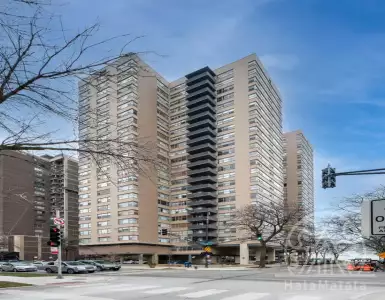




- Opportunities focus on multi-family housing, value-add renovation, and secondary markets within the state that have lower relative prices.
- Long-term demand remains robust in major metros, but entry costs are high and development timelines are slow.
What to consider:
- Build realistic cost models that include prolonged entitlement timelines and higher labor/materials costs.
- Look to acquire assets where you can add measurable rental income through renovation or reconfiguring units.
- Be conscious of local rent regulations and tenant protections which vary across cities.
California is less about quick wins and more about strategic positioning in constrained, high-demand submarkets.
Southeast secondary markets: growth with balance
Beyond the Sun Belt giants, smaller Southeast markets such as Raleigh, Nashville, and Charlotte are becoming preferred secondary markets. They offer a blend of growth and affordability that attracts both households and employers. Typical features:
- Population growth driven by relocation and job creation in tech and services
- Housing demand that supports both for-sale and rental markets
- Price points lower than major coastal metros but with upward momentum
Investor strategies here include:
- Early entry into residential development and mixed-use projects in growth corridors
- Acquisition of rental housing with a view to appreciation plus income
- Partnerships with local developers to navigate permitting and community dynamics
Timing matters: entering these markets early can yield both income and appreciation, but competition is rising as more capital identifies the same beats.
What investors must change in their playbook
This fragmented market requires different behavior than the broad-brush strategies of the past. Practical steps we recommend:
- Move from national allocation to metro and submarket allocation. Analyze job growth, migration, and supply pipeline at the city and neighborhood level.
- Decide whether you target yield, appreciation, or a blend. Sun Belt and Southeast often give a mix; Portland and Midwestern metros skew toward yield; New York and California skew toward selective appreciation.
- Use local debt markets and lenders who know the jurisdiction. Higher interest rates mean financing terms matter more.
- Stress-test your models for longer hold periods. In correction markets, recovery can be slow; model returns on rental income first.
- Control costs through active asset management: tighten expense oversight, reduce vacancy, and execute on renovation plans that increase net operating income.
Risks and regulatory considerations
Fragmentation brings opportunity and risk. Key risks to assess:
- Local regulation: landlord-tenant laws, rent control, and permitting timelines differ by city and can affect returns.
- Supply shocks: large development pipelines can blunt price growth in an otherwise growing market.
- Liquidity risk: lower-tier and Midwestern markets can take longer to exit.
- Interest rate environment: sustained higher rates can reduce buyer demand and increase holding costs for leveraged investors.
A rigorous due diligence checklist should include zoning analysis, rent control exposure, pipeline review, employment concentration risk, and stress testing financing scenarios.
How to structure a diversified US property portfolio today
Given the divergence, a diversified approach should be intentional rather than scattershot. Consider these allocation ideas aligned with investor objectives:
- Income-focused investor: overweight Midwestern markets and select Sun Belt suburban rental nodes, emphasize multi-family and single-family rentals.
- Growth-oriented investor: concentration in select Sun Belt, Southeast secondary metros, and handpicked California or New York core assets for appreciation.
- Balanced investor: mix of Sun Belt multi-family, Midwest cashflow assets, and one or two precision plays in New York or California.
Across all models, keep capital for follow-on investments. Where markets are correcting, being able to add to positions when prices soften is an advantage.
Practical due diligence checklist for regional investing
- Confirm population and job growth trends at the metro level, not just statewide figures.
- Review housing supply pipeline: permits, starts, and large planned communities.
- Assess tenant demand drivers: employers, universities, health systems.
- Check local regulatory environment: rent control history, eviction rules, taxes.
- Stress-test financing: run scenarios for higher vacancy and longer time to stabilize.
- Validate management capability: local property manager track record, capex contractor availability.
Conclusion: pick the right region and align strategy
The US property market is no longer a single, synchronized cycle. It is a patchwork of growth, correction, yield, and constraint. That raises complexity, but it also widens the menu of choices for investors who are willing to do the local work. Success now hinges on region selection and strategy alignment rather than simple market timing. Returns will be driven by where capital is placed and how patiently assets are managed.
Frequently Asked Questions
Q: Is the national housing market still a good guide for investment decisions?
A: No. National figures obscure regional differences. You should evaluate job growth, migration, and supply at the metro or neighborhood level before making allocations.
Q: Which US regions are best for rental yield today?
A: Midwestern cities such as Cleveland, Indianapolis, and Kansas City tend to offer higher entry yields because acquisition prices are lower. Many Sun Belt suburban nodes also provide steady rental income where population inflows are strong.
Q: Should investors avoid high-cost markets like New York and California?
A: Not necessarily. These markets require selective, precision investments. They remain appropriate for investors who can absorb high entry costs and who focus on scarce, well-located assets or conversion projects with clear economics.
Q: How should financing be structured in the current higher-rate environment?
A: Prioritize conservative leverage, secure fixed-rate financing where possible, and run stress tests for higher vacancy and slower appreciation. Local lenders with market expertise can offer better terms for certain asset types.
Ending takeaway: in today's US property market, the decisive question is not when to buy but where to buy and how to manage the asset to match local demand drivers and regulatory realities.
Tags
We will find property in USA for you
- 🔸 Reliable new buildings and ready-made apartments
- 🔸 Without commissions and intermediaries
- 🔸 Online display and remote transaction

International Real Estate Consultant

Subscribe to the newsletter from Hatamatata.com!
Subscribe to the newsletter from Hatamatata.com!
Popular Posts

We will find property in USA for you
- 🔸 Reliable new buildings and ready-made apartments
- 🔸 Without commissions and intermediaries
- 🔸 Online display and remote transaction
International Real Estate Consultant

Subscribe to the newsletter from Hatamatata.com!
Subscribe to the newsletter from Hatamatata.com!
I agree to the processing of personal data and confidentiality rules of HatamatataPopular Offers

 3
3
 120
120
 5
143
5
143
 2
165
2
165
Need advice on your situation?
Get a free consultation on purchasing real estate overseas. We’ll discuss your goals, suggest the best strategies and countries, and explain how to complete the purchase step by step. You’ll get clear answers to all your questions about buying, investing, and relocating abroad.



Sales Director, HataMatata