


Why Thailand’s Second‑Hand Property Market Is Turning in Buyers’ Favor

Thailand’s second‑hand market: where the money and the opportunities are
If you are tracking property Thailand, the latest REIC spatial analysis forces a recalibration. The market is concentrated, prices are rising in headline terms, yet transaction volumes are cooling. That combination is opening windows for buyers and investors prepared to be selective.
The core fact behind this story is simple and sharp: the 10 provinces with the highest total asking-price value account for 64.9% of the national total. Location remains the prime determinant of value in Thailand’s second‑hand housing market, and concentration is increasing rather than diffusing.
In this article we map who is selling, where the price pressure is strongest, why asking values are diverging from actual transactions, and what that means for buyers, landlords and capital allocators. We use the REIC data to draw practical conclusions for investors and homebuyers.
How concentrated is the market and why that matters
The spatial picture is striking. The second‑hand supply is not evenly distributed. Instead, it clusters in economic hubs and tourism centres where demand fundamentals are deeper.
Key data points from REIC:
- Top 10 provinces account for 64.9% of national asking-price value.
- Bangkok alone contributes 60% of the country’s asking-price value and has 76,973 listings, which is 31.6% of the national total.
- Other provinces in the top 10 include Chon Buri, Nonthaburi, Samut Prakan, Phuket, Chiang Mai, Pathum Thani, Surat Thani, Prachuap Khiri Khan, and Rayong.
Why this concentration matters:
- Buyers will find the greatest inventory depth and variety inside these provinces.
- Price signals in these provinces set expectations for other regions.
- Liquidity and negotiation power are uneven; the strongest buyer leverage is likely in prime locations suffering from slow transactions despite high asking values.
Our analysis: sellers in the most economically significant provinces are returning assets to the market. That looks like portfolio rebalancing by households facing higher debt burdens rather than a coordinated market correction. The result is more supply sitting with elevated asking prices and fewer completed transfers.
Bangkok: a wealth hub with a heavy supply base
Bangkok is the story and the counter‑story at once. It is both the largest supply base and the place where headline asking prices have jumped.
Top-line figures:
- 76,973 listings in Bangkok (31.6% of the national total).
- Aggregate asking-price value of THB824,125 million, equal to 60% of the national total.
- Average asking price rose from THB8.1 million to THB10.7 million per unit.
What’s driving the numbers? The surge in average asking price is driven mainly by the luxury condominium segment. High-end units are returning to the market as owners adjust portfolios or as investors look to capture post-pandemic demand for premium urban housing.
Practical implications for buyers and investors in Bangkok:
- Luxury condo prices skew the citywide average. Look beyond the headline mean to median or price-per-square-metre in the subdistrict you care about.
- With a heavy supply and slower transfers, bargaining power is stronger than it has been for several years. We have seen sellers accept deeper concessions when deals are realistic.
- For long-term buy‑to‑let investors, pay close attention to rent-to-price ratios and tenant demand in specific BTS/MRT corridors.
A judgement: Bangkok is competitive for buyers who are prepared to do district-level research and to negotiate. The city’s large inventory creates choice but also segmentation risk: liquidity varies sharply by submarket.
Phuket and holiday markets: premium prices driven by foreigners
Phuket stands apart by price rather than volume. It is not the second largest by number of units, but it leads in average asking-price per unit.
Key figure:
- Phuket average asking-price: THB12 million per unit.
Who is buying? The main demand comes from foreign purchasers and investors chasing second‑hand pool villas and holiday condominiums. The recovering tourism economy is supporting demand and elevating prices in desirable coastal locations.
What investors should weigh:
- Foreign ownership rules and title type matter.






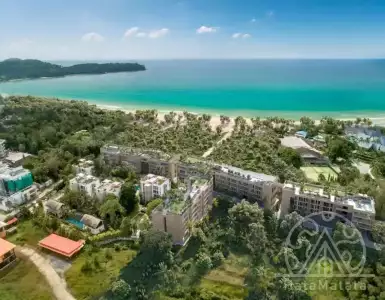


Phuket is an arena for portfolio diversification via coastal real estate. It rewards careful asset selection and legal diligence.
The industrial and commuter belt: Chon Buri, Samut Prakan, Rayong
The growth story outside tourism is about industrialisation and the Eastern Economic Corridor (EEC). Chon Buri, Samut Prakan and Rayong have seen notable changes in their second‑hand markets.
Highlights:
- Chon Buri benefits from EEC investment and Pattaya’s tourism market, offering second‑hand detached houses and condos.
- Samut Prakan recorded an 86.1% year‑on‑year surge in total asking-price value, driven mainly by townhouses aimed at workers in industrial estates and eastern suburbs.
- Rayong maintains demand thanks to industrial estates and associated housing needs.
Investor takeaways:
- Townhouses and low-rise homes in these provinces target an occupational market: industrial workers and domestic commuters. That creates steady rental demand but limits upside compared with luxury holiday villas.
- Infrastructure projects in the EEC can translate into durable demand, but they also encourage speculative supply. Screening for project quality and construction standards is critical.
This part of Thailand offers pragmatic yield plays: fewer glamour properties, more workforce housing. For institutional investors, the linkage to manufacturing and logistics makes these markets worth watching.
Southern and leisure provinces: Surat Thani and Prachuap Khiri Khan
Leisure and coastal living create secondary-market dynamics that differ from pure tourism hotspots. Two examples from the REIC data:
- Surat Thani saw a 78.3% increase in asking-price value, with most new supply coming from detached houses in Gulf‑coast tourism areas.
- Prachuap Khiri Khan continues to be a market for Hua Hin holiday homes, feeding demand for second‑hand villas and seaside houses.
What this means for buyers:
- Detached houses in these provinces can offer lower entry prices than Phuket while still benefiting from coastal demand.
- Local market depth is thinner than in Phuket or Bangkok, so buyers who want liquidity must select properties with proven holiday-rental performance or strong local owner demand.
Surat Thani’s surge is a reminder that price growth can be significant in provinces outside the headline resort islands; those gains require scrutiny of market drivers and title quality.
What the mismatch between asking prices and transfers means
One striking paradox in the REIC data is rising asking values at the same time actual transactions are slowing. That is meaningful.
Drivers and consequences:
- Household debt pressures are incentivising owners in key provinces to place assets back on the market to rebalance portfolios.
- Sellers are optimistic on price, but buyers are cautious, creating a gap between asking and achieved prices.
- That gap has produced a buyer’s market in prime second‑hand housing, with negotiation leverage stronger than in recent years.
How we read this for strategy:
- Buyers should open with evidence-based offers reflecting comparable recent transactions rather than accepting asking-price anchors.
- Sellers should temper expectations and prioritise realistic time-to-sale windows if liquidity is the objective.
Practical steps for buyers and investors
We offer a checklist of actions that reflect our experience of Thailand’s second‑hand market and the REIC findings.
Due diligence checklist:
- Verify title and land office records. For foreigners, confirm freehold vs leasehold status for condos and villas.
- Request transaction comparables from the same building or subdistrict, not citywide averages.
- Check outstanding mortgage or encumbrance status and recent tax assessments.
- Assess rental demand using occupancy and rate history for comparable properties.
- Interview local agents and ask for hard data on time-on-market and negotiated discounts.
Negotiation and risk management:
- Start with an offer informed by recent closing prices and be prepared to support it with proof of funds.
- Expect sellers in prime locations to be more negotiable than in the past; plan contingencies if the seller holds out for asking price.
- Consider structured purchase terms such as staggered payments tied to repairs or occupancy guarantees.
Financial and legal considerations:
- Factor in transfer fees, specific business taxes, and potential income tax on rental revenue.
- Foreign buyers should consult a Thai lawyer to confirm ownership structures and any condominium quota issues.
- Understand financing options: Thai mortgages for foreigners are limited and often require larger down payments.
Risks and red flags
Clear-eyed investors will weigh the upside against the risks that the REIC data imply.
Key risks:
- Rising asking prices without matching transaction volume can signal over-optimistic sellers and potential price corrections.
- Household debt pressures may force distressed sales, but distressed inventory is not guaranteed to be transparent.
- Oversupply of luxury condos in Bangkok and some resort areas remains a structural concern.
- Regulatory changes, tax policy shifts or limits on foreign ownership could alter returns quickly.
Mitigation measures:
- Avoid projects with pre‑delivery sales that show long completion delays.
- Require clear guarantees for rental management if you are buying for income.
- Keep a conservative stress test on yields that assumes lower occupancy and rental rates.
Tactical plays by investor type
- Short-term buy-to-let: Focus on tourism hubs with clear seasonality and professional management, such as central Phuket or Hua Hin.
- Long-term capital growth: Bangkok submarkets near transit nodes with limited new supply remain compelling if you pick stock with strong tenant demand.
- Income-oriented: Townhouses in Samut Prakan and worker housing in Chon Buri offer stable cash flow tied to local employment.
- Value buyers: Look for motivated sellers in the top 10 provinces where asking prices are high, and transactions are slow.
Frequently Asked Questions
Q: Is Bangkok still the best place to invest in Thai property?
A: Bangkok is the largest and most liquid market, and it is attractive for both capital gains and rental demand. However, the city’s average asking price is skewed by luxury condos so investors should target specific subdistricts and evaluate median and price-per-square-metre metrics.
Q: Are foreigners buying Phuket again and how does that affect prices?
A: Yes, foreign demand for Phuket second‑hand villas and holiday condos is supporting higher average asking prices. That increases competition at the high end but also raises risks of seasonal volatility in yields.
Q: What does the rise in Samut Prakan’s asking-price value mean for townhouse investors?
A: The 86.1% year‑on‑year increase signals strong supply additions aimed at workers and commuters. Townhouses can deliver steady rents, but buyers must vet construction quality and proximity to employment nodes.
Q: How should I approach negotiation in today’s market?
A: Use recent completed sales as your benchmark rather than asking prices. With a lot of supply in the top provinces, sellers often have less leverage. Prepare proof of funds and a clear, time-bound offer to increase credibility.
Bottom line and practical takeaway
The second‑hand property market in Thailand is concentrated in a handful of provinces where economic activity and tourism create depth. Bangkok accounts for 60% of the national asking-price value and has 76,973 listings, while the top 10 provinces account for 64.9% of total asking value. That concentration means buyers can be selective and have negotiating power, but they must manage legal and market risks closely.
If you are active in this market, your immediate action should be to shift from citywide averages to micro‑market comparables and to prepare offers grounded in recent transaction evidence. Remember: the top 10 provinces’ dominance is the most useful compass for where liquidity and price pressure are currently strongest.
Tags
We will find property in Thailand for you
- 🔸 Reliable new buildings and ready-made apartments
- 🔸 Without commissions and intermediaries
- 🔸 Online display and remote transaction

International Real Estate Consultant

Subscribe to the newsletter from Hatamatata.com!
Subscribe to the newsletter from Hatamatata.com!
Popular Posts

We will find property in Thailand for you
- 🔸 Reliable new buildings and ready-made apartments
- 🔸 Without commissions and intermediaries
- 🔸 Online display and remote transaction
International Real Estate Consultant

Subscribe to the newsletter from Hatamatata.com!
Subscribe to the newsletter from Hatamatata.com!
I agree to the processing of personal data and confidentiality rules of Hatamatata


Need advice on your situation?
Get a free consultation on purchasing real estate overseas. We’ll discuss your goals, suggest the best strategies and countries, and explain how to complete the purchase step by step. You’ll get clear answers to all your questions about buying, investing, and relocating abroad.



Irina Nikolaeva
Sales Director, HataMatata