


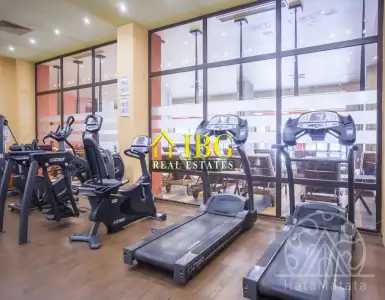
 Mountain View view 99 057 $
Flat with mountain view in Sunny Beach, Bulgaria
Bedrooms: 1 Bathrooms: 1
Sunny Beach, Bulgaria
Submit RequestDiscover your dream property in Aitos, Bulgaria. Beautiful landscapes, affordable prices, and great investment opportunities await you in this charming city.
 Valeriy Tarenko, International Real Estate Investment Expert
Updated:
No properties match your filters
Other suggestions: some details may differ from your filters.
Mountain View view 99 057 $
Sunny Beach, Bulgaria
Submit Request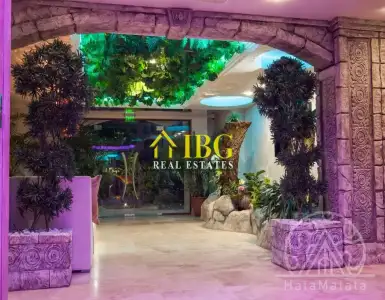 82 268 $
Sunny Beach, Bulgaria
Submit Request 132 077 $
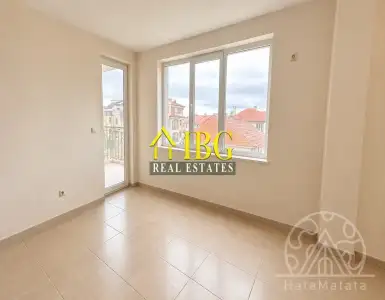 Sea View view 173 491 $
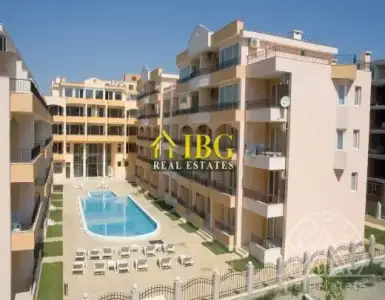 94 021 $
Sunny Beach, Bulgaria
Submit Request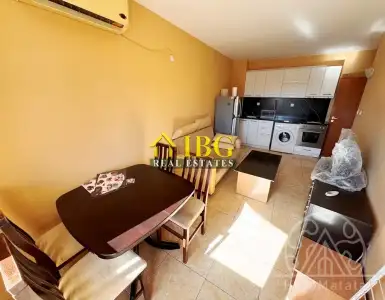 89 432 $
Sunny Beach, Bulgaria
Submit RequestPosts
News
 Legal review:
Deni Gerikhanov, International Real Estate Lawyer
 Financial review:
Evgeniya Skripko, Financial Expert in International Real Estate
Aitos sits inland in Burgas Province as a compact, historic Bulgarian town that blends quiet daily life with practical access to the Black Sea coast. Located approximately 30–35 km from Burgas city and about 35–45 km from Burgas Airport, Aitos is attractive to buyers seeking lower entry prices than the coast while remaining within easy reach of seaside resorts and port services. The town’s climate is transitional Mediterranean — warm summers and mild winters — making it comfortable year‑round for residents and seasonal visitors. For anyone looking to buy property in Aitos, the town offers a mix of traditional houses, small-scale apartment blocks, and infill new builds with practical living sizes and modest running costs.
Aitos is one of the more affordable markets in the Burgas region, with pricing influenced by proximity to main roads and the condition of the building. Average asking prices for apartments generally sit around €350–€520 per m², with a stronger market near the town centre and along main transport corridors. Villas and detached houses in and around Aitos show a wider spread, €300–€900 per m², heavily dependent on plot size and renovation status.
Resale offers dominate the inventory inside the town, while smaller-scale new developments and off‑plan property in Aitos appear seasonally from local builders. Market activity tends to be steady rather than speculative; local buyers and regional relocators form the core demand, with increasing interest from foreign buyers seeking lower-cost options near Burgas.
Recent dynamics show moderate appreciation driven by Burgas region’s broader demand: properties close to key transport links or in well-maintained blocks have seen price rises slightly above town averages. For investors, expected rental yields for long‑term tenants are typically around 3.5–6%, while short‑term tourist rents are only competitive for properties with deliberate holiday‑let positioning and easy access to Burgas and coastal resorts.
Central Aitos is the town’s most practical district for buyers prioritising services: municipal offices, shops, cafes and the primary market are within walking distance. Properties here tend to be older multi‑storey blocks and renovated townhouses — best for buyers seeking convenience and stable rental demand. Central buyers are often pensioners, professionals working in town, or investors targeting steady tenancy.
East and West residential quarters offer quieter streets, family houses and low‑rise apartment blocks. These districts are safe and family‑oriented, with lower density and more green space compared with the centre. Typical buyers here include families seeking yards and longer-term residents who prioritise privacy.
The industrial/transport fringe near the main road provides the best connections to Burgas and regional lines but is more mixed in livability. Buildings here range from practical apartment blocks to small new projects aimed at commuters and logistics workers. For investment property in Aitos with easier highway access, this fringe is attractive to buyers targeting workers in nearby industrial zones and logistics sectors.
Aitos benefits from regular regional bus connections that link the town to Burgas and other district centres; these services provide practical commuting options for work and access to Burgas Airport. Road travel to Burgas typically takes around 30–40 minutes by car under normal traffic conditions, making daily commuting feasible for many.
Rail connections exist on regional lines, offering freight and passenger services that support commuting and logistics. The town sits close enough to major regional arteries to make trips to Pomorie, Burgas port, and the main seaside resorts straightforward. Driving to popular resort areas such as Sunny Beach or Nessebar will generally take about 40–60 minutes, depending on the route.
For international buyers, the relative proximity to Burgas Airport (domestic and seasonal international flights) and the larger road network is a key advantage. Local taxi services and private transfer companies also operate between Aitos and the coastal hubs for holidaymakers and new residents.
Aitos provides essential public services including municipal administration, pharmacies, primary and secondary schools, and kindergarten facilities — suitable for families relocating from larger cities who want a smaller‑town environment. Healthcare is served by local clinics and general practitioners, with major hospital services and specialist care available in Burgas at institutions such as St. Marina University Hospital.
Cultural life centers on community hubs like the local chitalishte (community cultural centre), sports fields and small parks. For shopping and bigger retail needs, residents often travel to Burgas where larger malls and branded stores are available. Leisure options around Aitos lean towards outdoor activities: cycling routes, nearby hills for walking, and easy access to Black Sea beaches within a short drive.
Education and vocational options are typically supplemented by institutions in Burgas — for families prioritising higher education, Burgas hosts universities and vocational colleges within commute distance.
Aitos’s economy is diversified across agriculture, light manufacturing and services, with many residents employed in nearby Burgas’s larger industrial and port sectors. The proximity to Burgas port and logistics activity supports local employment and demand for rental housing from workers. Tourism impacts are indirect: while Aitos is not a resort, coastal tourism growth increases regional incomes and stimulates demand for secondary homes and investment property in Aitos.
Local municipal planning has encouraged modest expansion along transport corridors and small business growth; this creates an environment suitable for small‑scale developers and private investors rather than large resort projects. Commercial prospects for retail, workshops and logistics facilities remain steady as regional commerce expands.
For investors focused on real estate investment in Aitos, the combination of lower purchase prices, steady local demand and proximity to Burgas offers a balanced risk profile: lower volatility than coastal resorts and a reliable tenant base drawn from local employment.
The market in Aitos is dominated by resale property in older blocks and traditional houses; however, small new build property in Aitos appears through local developers and contractors creating blocks of 8–20 apartments or refurbishing townhouses. Apartments typically range:
Studio: 28–40 m²
1‑bed: 40–60 m²
2‑bed: 65–95 m²
Houses and villas in surrounding villages often have plot sizes 600–2,000 m², with built areas from 90–250 m².
New developments tend to offer modern insulation, double glazing and contemporary layouts, while resale stock may require renovation — an opportunity for value-add investors. Off‑plan property in Aitos is less common than in Burgas, but some local builders offer off‑plan units with staged payments and targeted completion timelines.
Common property types
Large resort developers focus on the coast, while Aitos sees work from regional builders and national construction firms operating in Burgas Province. Developers known regionally and active in the wider Burgas area include Festa Holding (coastal resort projects), national contractors such as Glavbolgarstroy and international contractors like Strabag who deliver infrastructure and occasional residential work; local Burgas‑based developers and subcontractors handle most small residential schemes in and near Aitos.
Because Aitos does not host major branded gated resorts, residential supply is mostly produced by trusted local contractors and smaller developers who specialize in low‑rise apartment blocks and house renovation projects. Buyers should ask for construction permits, completion certificates, and references for local projects to assess build quality and warranty backing.
Project features to prioritise include soundproofing, heating and insulation standards appropriate for the Bulgarian climate, energy efficiency measures, and clear completion timelines for off‑plan purchases.
Bulgarian banks that commonly finance property purchases in the Burgas region include UniCredit Bulbank, DSK Bank, Postbank, and Raiffeisen Bank; these institutions provide mortgage products to both residents and foreign buyers. Typical lending terms: maximum maturities up to 25–30 years, with loan‑to‑value (LTV) commonly 60–80% for local residents and 50–70% for non‑resident foreigners depending on the bank and borrower profile. Interest rates vary by lender and loan currency; buyers should request personalised offers and consider fixed or mixed rate structures.
Developers and local sellers sometimes offer installment plans—particularly for new build property in Aitos—usually requiring an initial deposit of 10–30%, followed by staged payments keyed to construction milestones. These property in Aitos with installment plan options can make acquisition accessible without full mortgage use. Banks will typically finance completed units; off‑plan mortgages depend on developer credibility and collateral conditions.
Foreign buyers need to prepare documentation for loan applications: passport, proof of income, bank statements, and often a Bulgarian tax number or identification issued for foreign nationals. Pre‑approval is recommended before making offers.
Start by identifying the property and commissioning due diligence: cadastral checks, ownership verification, and building permit validation. Sign a preliminary deposit agreement that outlines price, payment schedule and completion timeline; this protects both buyer and seller. Engage a local notary and an independent lawyer to draft or review contracts and to confirm that the title is clean and that the property has no encumbrances.
The notary prepares the final deed (notarial act) and the transaction is registered with the Bulgarian Property Register at the Registry Agency; registration finalises ownership transfer. Payment methods commonly used include bank transfers (Escrow services are available), and buyer funds should be traceable to meet anti‑money‑laundering checks. For non‑EU buyers acquiring building ownership, a Bulgarian company is sometimes used for land purchases where legal constraints apply.
Buyers should plan for additional costs: notary fees, registration fees, real estate agent commissions (if used), and municipal transfer taxes or administrative charges, typically calculated as percentages of the purchase value or set by fee scales.
EU citizens have straightforward rights to acquire property in Bulgaria; non‑EU buyers can own buildings but often need a Bulgarian company to hold freehold land — legal advice is essential to select the right vehicle. Buying real estate does not automatically grant a residence permit, but property ownership supports applications for long‑stay visas or temporary residence under national immigration rules; residency approvals are handled by migration authorities.
Taxes and fees for purchases typically include notary and registration costs and municipal property taxes and waste charges paid annually. Sellers and buyers should consider capital gains and income tax implications when disposing of investments; tax rates and exemptions depend on residency and holding period, so a tax specialist is recommended.
Always instruct a Bulgarian‑qualified lawyer to perform title searches, confirm zoning and permitted use, and to advise on company structures where required for non‑EU nationals.
For permanent residence: choose Central Aitos or the East/West residential quarters — purchase a 2–3‑bed apartment (70–95 m²) or a renovated house with a small garden. These areas provide schools, clinics and daily services ideal for families and retirees.
For long‑term rental: apartments in the town centre and commuter fringe near main roads perform best; target 2‑bed units (70–90 m²) for family tenants or 1‑bed units for single occupants. Expected rental yield is roughly 3.5–6% depending on condition and rental market.
For short‑term holiday use or seasonal income: Aitos itself is less tourist‑focused, so short‑term returns are modest unless the property is marketed as a convenient base for coastal visits. Investors targeting holiday lets often prefer nearby Burgas or coastal resorts but may use Aitos as a cost‑efficient alternative for larger family homes.
For capital growth and ROI: pick properties with good transport links or those part of small new build projects; proximity to Burgas and access to infrastructure upgrades tends to support steadier appreciation.
Purchasing property in Aitos is a practical entry into Burgas region real estate: affordability, proximity to the coast and Burgas’s economic base combine to create options for private buyers and investors alike. Whether you choose resale property in Aitos or a small new build property in Aitos with an installment plan, due diligence, local legal counsel and realistic financing plans are the keys to a secure purchase and solid long‑term ownership.
Looking for a property in Aitos? Leave a request — we will help you take into account all the nuances, and we will offer objects according to your personal request.