


Villa in Split
- ✓ Verified properties directly from developers
- ✓ No overpayments or commissions
- ✓ Guarantee of transaction purity and post-purchase support

International Real Estate Consultant
Leave a request and our manager will contact you.
International Real Estate Consultant
 Valeriy Tarenko, International Real Estate Investment Expert
Updated:
Valeriy Tarenko, International Real Estate Investment Expert
Updated:
Hot Deals

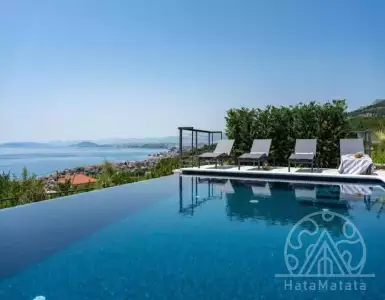
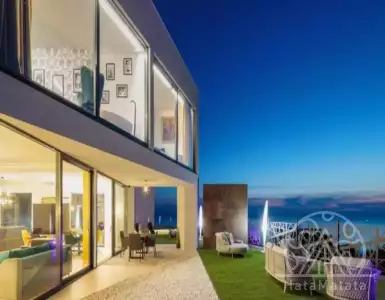
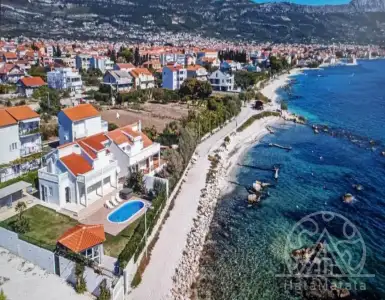
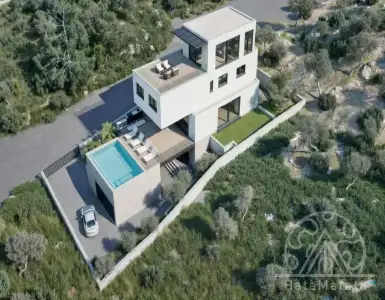
For Sale villa in Split
39 listings
 4
4
 2
2
 120
120
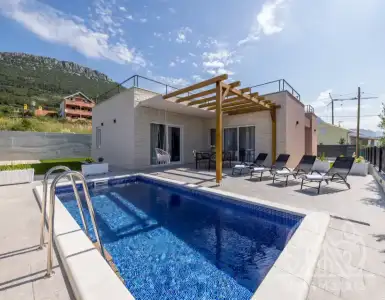
Elegant and modernly furnished one-storey villa with a swimming pool in a quiet place above the main road, in Kastel...
Submit Request
 5
2
246
5
2
246
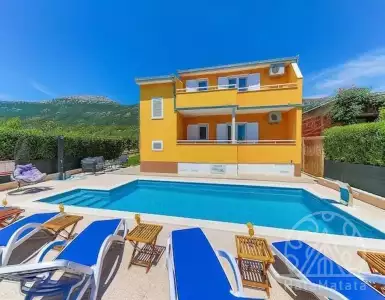
This sunny villa resides in Kaštel Lukšić, approximately 8 kilometers from Split, with the city center merely 200 meters away....
Submit Request





 4
4
200
4
4
200
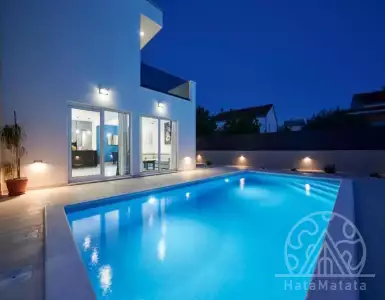
A brand new, almost unused villa in Kastela area with swimming pool, located between two roads, near an elementary school,...
Submit Request
Real estate in Split for living, investment and residence permit
- ✓ Verified properties directly from developers
- ✓ No overpayments or commissions
- ✓ Guarantee of transaction purity and post-purchase support
International Real Estate Consultant
 4
2
386
4
2
386
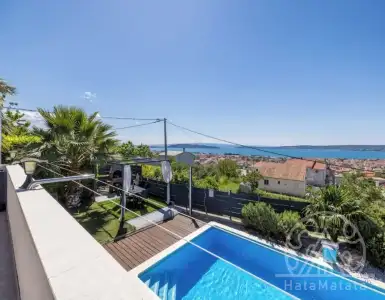
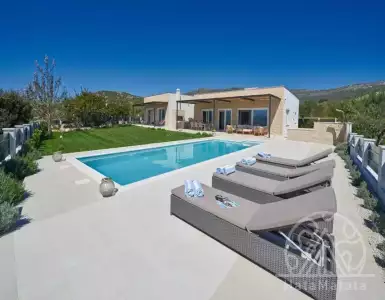
In the desired location in Castel Stari, with charming sea views, this beautiful villa offers the perfect combination of comfort,...
Submit Request
 4
5
180
4
5
180
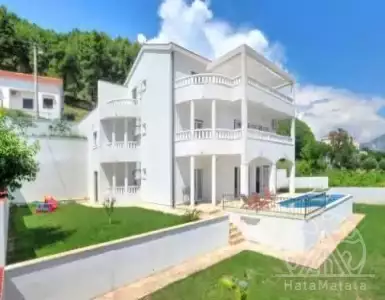
In the picturesque setting of Kaštela, there stands a splendid new villa, offering an exquisite blend of privacy and luxury....
Submit Request
 9
9
600
9
9
600
Solid villa for sale in Solin near Split! Villa with spectacular sea views, overlooking the town! Total area is of 600 sqm...
Submit Request

Villa in Split
- ✓ Verified properties directly from developers
- ✓ No overpayments or commissions
- ✓ Guarantee of transaction purity and post-purchase support
International Real Estate Consultant
Leave a request and our manager will contact you.
International Real Estate Consultant
Need help choosing villas in Split?
Leave a request and we will select the 3 best options for your budget
 !
!
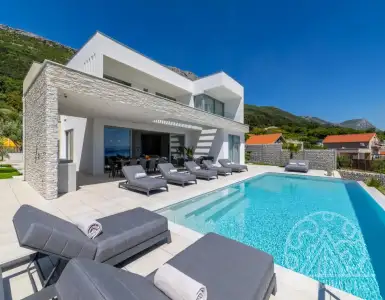
Villa for sale in Split, Croatia 3 028 049 $
Exceptional modern villa near Split with panoramic sea views, Infinity swimming pool and high-quality equipment - an ideal investment! Located...
 !
!
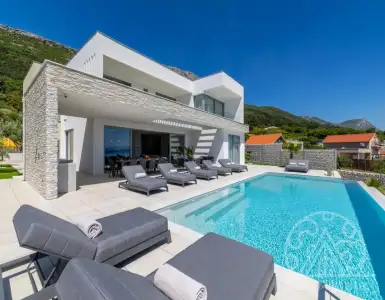
For sale Villa in Split, Croatia 3 028 049 $
Exceptional modern villa near Split with panoramic sea views, infinity pool and high-quality equipment is the perfect investment! Located in...
 Legal review:
Deni Gerikhanov, International Real Estate Lawyer
Legal review:
Deni Gerikhanov, International Real Estate Lawyer
 Financial review:
Evgeniya Skripko, Financial Expert in International Real Estate
Reviewed:
Financial review:
Evgeniya Skripko, Financial Expert in International Real Estate
Reviewed:
🇭🇷 Split, Dalmatia villas with sea views, private pools and proximity to Old Town
The vibrant city of Split, nestled along Croatia's Adriatic coast, offers a unique blend of rich historical heritage and modern living. This dynamic city, known for its stunning architectural gems like Diocletian’s Palace, lush surrounding landscapes, and easy access to beautiful islands, is increasingly becoming a prime location for purchasing villas. For potential buyers—whether private individuals, families, or seasoned investors—the factors influencing the villa market in Split are numerous, and understanding them is key to making a sound investment.
🌍 Geography and Climate Considerations for Buying Villa in Split
Split lies in the Dalmatian region, characterized by its Mediterranean climate with hot, dry summers and mild winters. The average temperature in July reaches around 30°C, while winter months hover around 10°C. This pleasant climate not only enhances the quality of life for residents but also attracts tourists year-round, subsequently driving up demand for villa purchases.
The city's multiple neighborhoods, such as Meje, Marjan, and Poljud, cater to varying tastes and lifestyles, showcasing thriving communities that reflect both tranquility and vibrancy. The Geography of Split, which includes stunning coastlines, mountains, and a well-developed urban infrastructure, significantly adds to its appeal. Areas closer to the waterfront see higher demand, with proximity to beaches and leisure activities being crucial factors for both living and rental potential.
Another notable aspect shaping demand is the city’s excellent transport links, including an international airport, well-connected roadways, and a ferry port facilitating easy travel to nearby islands. This enhanced connectivity not only makes Split an attractive place for permanent residence but also heightens its status as a holiday destination, elevating the market for villas.
💼 Economy of Split and Its Impact on Villa Market Demand
Split has evolved into a center for business activity in Croatia, bolstered by its thriving tourism sector, which saw over 3 million visitors annually in recent years. The local economy is primarily service-oriented, with tourism, trade, and finance being central pillars. The city’s real estate sector, particularly regarding villas, has flourished against this backdrop, creating a market with remarkable liquidity.
Factors such as a stable tax regime and incentives for foreign investments make buying a villa in Split even more favorable. The complexity of taxation can seem daunting; however, property taxes in Croatia maintain a competitive rate of about 3% of the registered property value, alongside annual municipal taxes based on property ownership.
Tourism significantly influences local economic dynamics, contributing roughly 20% to the GDP of Split. This consistent influx of tourists translates to a high rental yield on villas, which appeals greatly to foreign investors looking for lucrative returns. The average rental yield for villas in Split tends to sit between 5-8%, making it an attractive option for buyers interested in rental investments.
💰 Villa Prices in Split: An Overview
Price points for villas in Split can vary widely, primarily dictated by location, size, and amenities. The average price per square meter for villas ranges from €2,500 to €4,500, depending on proximity to the coast, with luxury properties nearing €7,000 per square meter.
Here’s a breakdown of average villa prices by districts:
- Meje: €4,500 - €7,000 (luxury, sea views)
- City Center: €4,200 - €6,000 (historical sites, high demand)
- Marjan: €3,800 - €5,500 (tranquil environment, green spaces)
- Padre: €3,000 - €4,200 (upcoming area, investment potential)
- Zapad: €2,500 - €3,500 (more affordable housing)
The luxury market, characterized by modern villas equipped with pools and private gardens, reflects the growing trend towards second homes. New developments often align with contemporary architectural trends while ensuring that traditional elements of Dalmatian architecture are integrated, capturing both local charm and modern sensibilities.
🏘️ Best Districts to Buy Villa in Split: A Detailed Guide
Choosing a district is pivotal in villa purchasing, as each area offers distinct advantages based on lifestyle, amenities, and appeal to renters.
-
Meje:
- Pros: Close proximity to beaches, stunning coastal views, upscale neighborhood with recreational facilities.
- Rental Demand: High, particularly among affluent tourists.
-
Marjan:
- Pros: Known for its national park, plenty of outdoor activities, and a peaceful environment.
- Rental Demand: Steady, appealing to long-term renters and nature lovers.
-
City Center:
- Pros: Rich in history and lifestyle conveniences, proximity to shops, restaurants, and cultural sites.
- Rental Demand: Extremely high, ideal for short-term rentals.
-
Zapad:
- Pros: More affordable options, good local infrastructure, family-friendly area.
- Rental Demand: Increasing as more families look to settle down.
-
Split 3:
- Pros: Residential area with good amenities, favorable for families and young professionals.
- Rental Demand: Moderate, but consistently rising among domestic buyers.
🏗️ Leading Developers and Projects in Split
Split's real estate landscape includes several notable developers known for their quality constructions and desirable properties.
- Real Estate Agency Split: Known for various projects ranging from luxury villas to affordable housing.
- Makronova: Offers modern architectural designs with sustainable features. Projects include apartments in premium locations.
- Adria Group: Focuses on high-end developments with exquisite finishes and landscaping, offering competitive payment plans.
Typical project features include:
- Open floor plans for optimal space utilization
- Energy-efficient systems for cost savings
- Proximity to city amenities and natural attractions
Investors often appreciate flexible payment structures, often initiated with a 10-30% deposit, followed by staggered payments throughout the construction phase.
🏦 Understanding Mortgage Options for Foreigners in Split
Purchasing a villa in Split as a foreigner often involves navigating specific financing options. Generally, Croatian banks offer mortgages with a loan-to-value ratio of approximately 70-80%. Interest rates typically range from 3% to 5%, with loan terms extending up to 30 years.
For foreigners, the process may require presenting proof of income and a solid credit history. Many banks also allow for purchase under joint ownership for couples or partnerships, which can create opportunities for higher loan amounts. Developer installment plans can also be attractive, allowing for payments over the construction period with various installment plans tailored to meet buyers' needs.
📝 The Step-by-Step Process of Buying a Villa in Split
The villa buying process in Split can be intricate, yet straightforward for informed buyers. Here’s a simplified breakdown:
- Selection: Narrow down your choices based on desired district, price range, and amenities.
- Reservation: Once a villa is chosen, a formal reservation is made, often with a nominal fee.
- Due Diligence: Engage a local lawyer to review property titles, zoning laws, and compliance.
- Contract: Once diligence confirms legitimacy, a purchasing contract is drafted, including terms of payment.
- Payment: Buyers typically make an initial deposit, followed by the remainder at closing (usually around 10-30%).
- Registration: Finalize the registration of ownership with the local land registry, often requiring official notarization.
Buyers should anticipate additional costs, including transaction taxes (generally 3% of property value), legal fees, and possible renovation costs.
⚖️ Legal Aspects of Owning a Villa in Split
Owning a villa in Split comes with various legal responsibilities. Understanding property taxes is essential, with the standard rate being approximately 1% to 3% of the property value, depending on its location. Owners must also adhere to local rental regulations if they plan to rent their property, which stipulates fewer than 180 days for short-term rentals under certain conditions.
Purchasing a villa over €100,000 may grant buyers eligibility for a residence permit, while spending over €250,000 can allow for citizenship options, encouraging many to consider Split as a viable relocation hub.
🌐 Purpose and Investment Potential of Buying Villa in Split
The versatility of villas in Split creates multiple opportunities for buyers. Whether you’re considering a second home villa in Split, a property for seasonal residence, or an investment opportunity, the market supports various objectives.
- Living: Many families choose Split for its excellent schools and community amenities.
- Relocation: The city appeals to remote workers and expatriates looking for a more relaxed lifestyle.
- Rental Investment: Tourists flock to Split for holidays, ensuring a steady stream of potential rental income, especially during peak seasons.
As trends evolve and international interest surges, the villa market in Split will continue to adapt, remaining a lucrative investment option and lifestyle choice. The strong local economy, combined with the city's charm and opportunities, positions Split as an attractive destination for both residential living and investment ventures.
Frequently Asked Questions
What are villa prices in Split?
Villa prices in Split typically range: small/renovation properties €300,000–€600,000; mid-range sea‑view villas €600,000–€1.5M; luxury seafront villas €1.5M–€5M+. Price per m² for quality sea‑view locations commonly €3,000–€8,000/m². Sea‑front or central locations command a 20–60% premium over inland Split plots.
What rental yield can a Split villa deliver?
Gross yields for Split villas vary: long‑term lettings ~2–5% gross; holiday/short‑term lets ~5–9% gross depending on season. Peak summer occupancy often 80–95%, annual occupancy typically 40–65%. Net yield depends on management, taxes and maintenance costs.
Which Split neighbourhoods suit villa buyers?
In Split choose by need: Marjan/Meje and Firule for prestige sea‑view villas; Bačvice and Žnjan for beach access and strong tourist demand; Spinut and Mejaši for family amenities, schools and transport; nearby outskirts (e.g., Podstrana area) offer larger plots and lower prices but longer commute to Split centre.
What to know before buying a villa in Split?
Verify title/deed, cadastral records, valid building permits and coastal‑zone restrictions. Check utility connections, energy certificate and access. Financials: resale transfer tax 3% or VAT 25% on new builds; expect 3–6% closing costs total. Obtain a technical survey and legal due diligence in Split.
Pros and cons of a Split villa for short-term rent
Pros: strong summer demand and premium rates in Split, easy island/airport access. Cons: high seasonality, required tourist permits, higher cleaning/management and maintenance costs. Expect peak bookings June–Sept; lower demand outside season can reduce annual occupancy to 40–60%.
How family-friendly is living in Split?
Split is generally family‑friendly: municipal schools and kindergartens in most districts, regional hospital and clinics in the city, reliable bus network and ferry connections. Safer residential areas include Spinut and Meje. Airport is about 20–30 minutes by car from central Split; international schools are limited.
Can foreigners get a mortgage for a Split villa?
Yes: Croatian banks lend to foreign buyers. Typical LTV: 50–70% for non‑residents, up to 70–80% for residents/citizens. Loan terms commonly 10–30 years. Banks require income verification, credit checks and a property valuation in Split; terms depend on borrower profile and documentation.
How much to renovate and maintain a Split villa?
Annual maintenance: ~1–3% of property value. Renovation costs in Split: cosmetic works €200–500/m²; full interior refit €500–1,200/m²; structural or coastal exposure repairs higher. Budget 5–10% contingency and higher exterior maintenance near the sea due to salt corrosion.
What are residency options for long stays in Split?
Options include temporary residence for work, study, family reunification, or permits for remote workers (digital nomad). Owning property in Split is not automatic grounds for residency; applications require documentation, proof of funds, health insurance and an address. Follow local immigration procedures.
Are there climate or coastal risks for villas in Split?
Risks: coastal erosion, storm surge, salt corrosion and regional seismic activity. For Split villas check site elevation, local flood and hazard maps, seawall status and building permits. Obtain insurance covering wind, flood and quake damage and factor higher exterior maintenance for sea‑facing properties.
Properties by Region
- Villas in Istria (630)
- Villas in Split-Dalmatia (279)
- Villas in Zadar (200)
- Villas in Sibenik-Knin (143)
- Villas in Dalmatia (62)
- Villas in Lika-Senj (30)
Properties by Country
- Real estate in Bulgaria (11426)
- Real estate in Montenegro (5420)
- Real estate in Spain (5202)
- Real estate in Turkey (2802)
- Real estate in Indonesia (2424)
- Real estate in Portugal (2037)
- Real estate in Croatia (1697)
- Real estate in Cyprus (1619)
- Real estate in Italy (1575)
- Real estate in Thailand (1565)
- Real estate in Greece (1120)
- Real estate in France (1070)
- Real estate in USA (732)
- Real estate in Georgia (507)
- Real estate in Serbia (251)
- Real estate in Slovenia (125)
- Real estate in Egypt (20)
Get the advice of a real estate expert in Split — within 1 hour
Looking for a property in Split? Leave a request — we will help you take into account all the nuances, and we will offer objects according to your personal request.

Maria Guven
Head of Direct Sales Department
+90-507-705-8082