


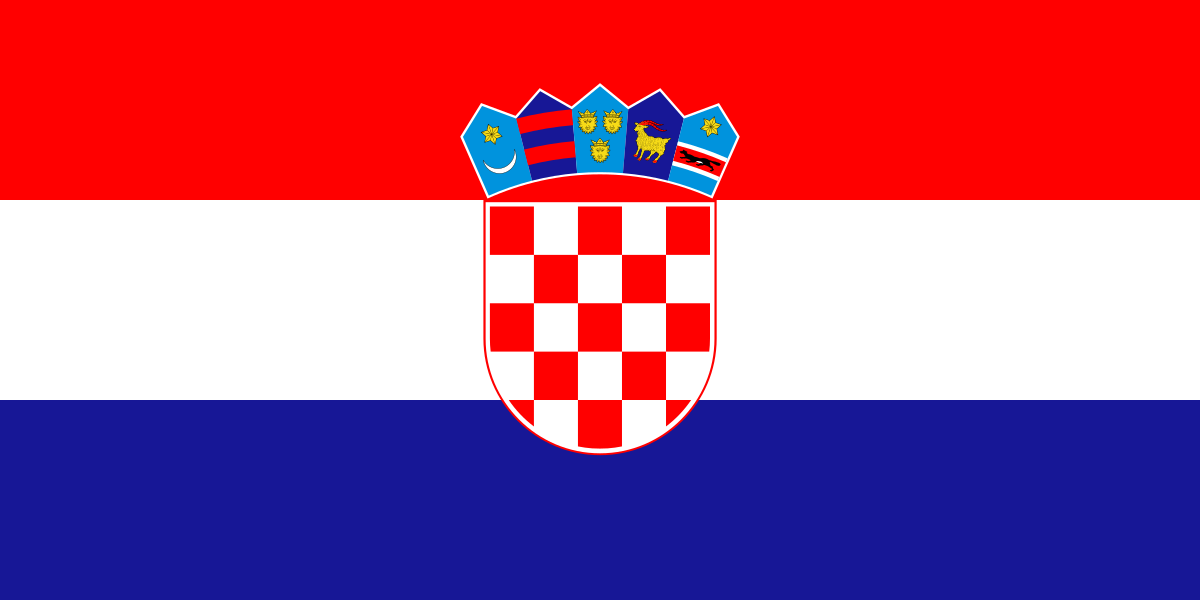
House in Croatia


Choosing a property in Croatia for your request
- 🔸 Reliable new buildings and ready-made apartments
- 🔸 Without commissions and intermediaries
- 🔸 Online display and remote transaction
Our managers will help you choose a property

Liliya
International Real Estate Consultant
Need help choosing a property?
Leave a request and our manager will contact you.
Our managers will help you choose a property
Liliya
International Real Estate Consultant

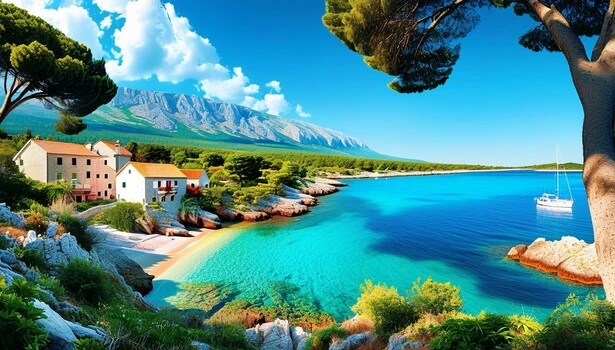
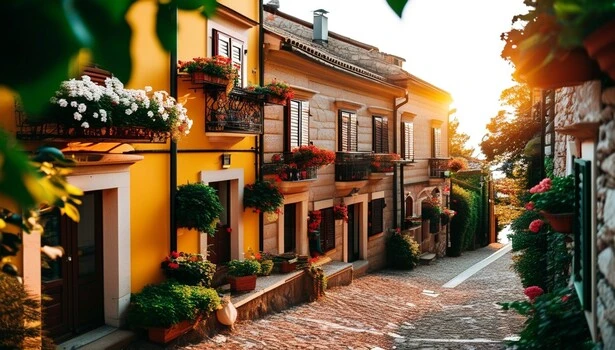
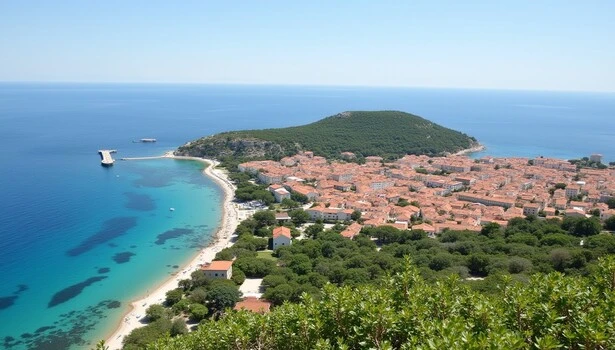
Weather in Croatia
For Sale house in Croatia
Houses in Istria


Didnt find the right facility?
Leave a request - we will handle the selection and send the best offers in a short period of time



Irina Nikolaeva
Sales Director, HataMatata
House in Croatia
Choosing a property in Croatia for your request
- 🔸 Reliable new buildings and ready-made apartments
- 🔸 Without commissions and intermediaries
- 🔸 Online display and remote transaction
Our managers will help you choose a property
Liliya
International Real Estate Consultant
Need help choosing a property?
Leave a request and our manager will contact you.
Our managers will help you choose a property
Liliya
International Real Estate Consultant
Individual selection houses in Croatia
Save time — for free we will select objects for your budget and goals
🇭🇷 Legal requirements, taxes and costs for acquiring residential property in Croatia
Buying a House in Croatia combines Mediterranean lifestyle, solid infrastructure and diverse investment profiles that appeal to private buyers, families, retirees and institutional investors. Coastal locations offer tourism-driven cash flows, while Zagreb and inland regions provide year-round demand and lower entry prices. Choosing the right location, understanding taxes and financing, and working with local specialists are essential to maximize returns and ensure a smooth purchase.
🌊 Where geography, climate and transport shape demand for House in Croatia
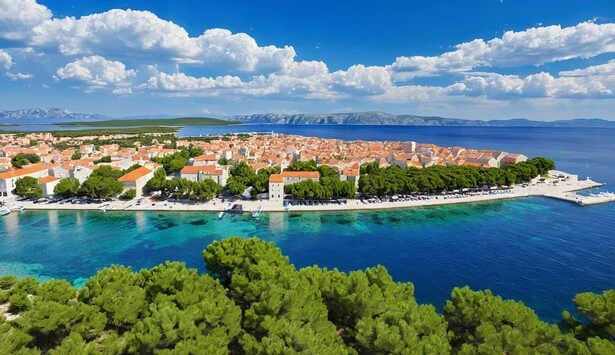
Croatia’s coastline stretches over 1,700 kilometers including more than 1,200 islands, creating concentrated demand for coastal houses in Dalmatia and Istria driven by summer tourism and marina infrastructure. Inland, the continental plain around Zagreb and Slavonia features lower prices and long-term residential demand fueled by business and agriculture. Key transport links such as the A1 motorway, international airports in Zagreb, Split, Dubrovnik, Pula and Zadar, and ferry routes operated by Jadrolinija crucially determine accessibility and hence price dynamics.
Coastal microclimates deliver hot, dry summers and mild winters along the Adriatic, supporting year-round holiday rental markets in places like Hvar, Brač, Rovinj and Dubrovnik, and making villas and stone houses desirable. Urban infrastructure, hospitals and international schools in Zagreb, Rijeka, Split and Dubrovnik influence family relocations and expatriate purchases. Business hubs and logistics centers such as Zagreb’s business districts and the port of Rijeka increase interest from investors seeking rental continuity beyond the tourist season.
Local utilities, marina capacity and road upgrades shape supply constraints: upgraded marinas like ACI Marinas and projects near Split Airport improve rental potential and resale liquidity. Demand concentrates where infrastructure, climate and lifestyle intersect, leading to premium pricing on islands with reliable ferry connections and mainland towns with direct airport access.
💼 Economy and investment climate in Croatia and its effect on house market
Croatia’s economy combines tourism, services and growing technology and logistics sectors, supporting residential demand beyond seasonal cycles. Corporate tax structures are typically 10–18%, standard VAT sits at 25%, and personal income tax is progressive often reported in the 20–30% bands, which shapes investor returns and operating costs for rentals. Tourism numbers commonly exceed 15–20 million visitors annually, feeding robust short-term rental markets on the coast and islands.
Liquidity and resale prospects are strongest where tourism and business overlap: Split, Dubrovnik, Istria (Rovinj, Pula) and the Kvarner region (Opatija, Rijeka) see more consistent transaction volumes. Economic diversification, EU market access and infrastructure investment reduce political risk and support steady capital appreciation for good-quality houses in well-connected locations. Local regulatory stability combined with municipal zoning reviews impacts development pipelines and the supply of quality houses, which supports pricing resilience.
For investors focused on cash flow, the interplay of tourism seasonality, tax regime and local regulations determines net yields. Areas with year-round attractions, such as Istria’s wine and agrotourism or Zagreb’s business demand, deliver stronger off-season occupancy and improved ROI on house in Croatia relative to purely seasonal islands.
💶 How much House costs in Croatia
Prices for a House for sale in Croatia vary widely by region, size and quality, with coastal and historic locations commanding premiums while inland properties remain affordable. Typical price patterns are:
- Zagreb: $200,000–$1,500,000 for detached houses near the city; premium suburban villas $800,000–$2,500,000.
- Istria (Pula, Rovinj, Poreč): family houses and renovated stone villas $300,000–$2,000,000; countryside estates $500,000+.
- Dalmatia (Split, Šibenik, Zadar): coastal houses $350,000–$3,000,000; small island houses $400,000–$5,000,000 for restored heritage properties.
- Dubrovnik and southern coast: premium market $700,000–$10,000,000 for fortified villas and waterfront estates.
- Islands (Hvar, Brač, Vis): typical holiday houses $450,000–$4,000,000 depending on sea view and berth access.
- Slavonia and inland (Osijek, Virovitica): affordable houses $30,000–$250,000, attractive for low-cost acquisition and renovation.
Property formats and market trends:
- New-built villas and turnkey holiday homes: $250,000–$3,000,000 depending on location and amenities.
- Renovated stone houses in working villages: $150,000–$900,000.
- Large seafront estates and historic townhouses: $1,000,000–$10,000,000. Market dynamics show rising interest in renovated coastal stock and scarce seafront plots, with inland supply offering value for buyers prepared to renovate for rental or resale.
📍 Which region of Croatia to choose for buying House depending on purpose
Zagreb suits buyers seeking full-time living, proximity to international schools and year-round rental demand, supported by Zagreb Airport and rail connections. Istria’s Rovinj and Poreč attract families and buyers pursuing agrotourism or boutique rentals thanks to Pula Airport, cycling routes and established winery tourism. Dalmatian coastal towns such as Split, Zadar, Šibenik combine airports and ferry links, high summer tourism and strong short-term rental demand.
Islands like Hvar, Brač, Vis are premium seasonal markets with higher per-unit returns during summer but limited winter occupancy; owners benefit from marina access and high-end tourism. Kvarner (Opatija, Krk) offers a mix of wellness tourism and better winter demand, while Slavonia and continental Croatia provide low entry prices for long-term capital growth and rural lifestyle projects. Price differences are stark: coastal properties commonly cost 3–10 times more than equivalent inland houses.
Infrastructure and rental demand highlights:
- Airports with international routes: Zagreb, Split, Dubrovnik, Pula, Zadar.
- Ferry and marina hubs: Jadrolinija lines, ACI Marinas.
- Railway and A1 motorway improving access to Split and Dubrovnik. These determinants explain where foreigners look to Buy house in Croatia for rental or permanent residence.
🏗️ Developers and notable projects offering House in Croatia
Major hospitality developers also influence the house market by delivering branded holiday residences and resort villas that investors trust. Key names include Valamar Riviera, Maistra (part of Valamar group), Plava Laguna and Arena Hospitality Group, active in Istria and Dalmatia with mixed-use resort projects that bundle property management and rental programs. ACI Marinas plays a crucial role for waterfront houses by delivering marina berths that boost property values.
Representative projects and developments:
- Valamar: resort residences and villa projects near Poreč, Rabac and Dubrovnik that include management and leasing options.
- Plava Laguna: large-scale resort complexes in Poreč and Umag offering residential units within tourist zones.
- Maistra: high-end conversions and branded residences in Rovinj and the Istrian coast. Local boutique developers in Split and Dubrovnik also deliver renovation-led projects converting historic houses into holiday rentals and family homes, often listed as turnkey options with rental management.
Working with recognized operators provides clearer rental channels and structured management, improving predictability of Rental yield for house in Croatia and long-term liquidity, especially for buyers seeking passive income or professional asset management.
🏦 Mortgage Croatia for foreigners and house in Croatia with mortgage or installment plan
Foreign buyers can access financing, though conditions vary by bank, applicant nationality and property type. Typical terms offered include LTV of 50–70% for non-residents, with down payments commonly 30–50% for second homes and investment properties. Interest rates for mortgages typically fall in the 3–6% range depending on fixed or variable options, with maximum terms of 20–30 years for qualifying borrowers.
Banks generally require a Croatian tax ID (OIB), proof of income, credit history, and often an appraisal by a local valuer. Popular Croatian banks such as Zagrebačka banka, Erste Bank (PBZ), Raiffeisen Bank and others offer products for foreigners, and some will mortgage foreign-currency earning properties. Developer installment plans are common for new constructions and can look like:
- Deposit 10–30%, progressive payments during construction, and final payment on completion.
- Installment plans through developers such as Valamar or local Split-based builders spanning 12–60 months. These options allow scenarios of house in Croatia with mortgage or house in Croatia with installment plan, tailored for buyers who prefer staged payments.
📝 Legal process to buy house in Croatia and house purchase costs in Croatia
The Legal process to buy house in Croatia starts with due diligence: verify title in the Land Register ( zemljišna knjiga ), check building permits, and confirm utility connections and any encumbrances. Foreigners typically obtain an OIB (Croatian tax number) prior to signing, followed by a reservation agreement and a pre-sale contract with a deposit. Notary involvement is mandatory for the final sale deed; notary certifies the contract and the transfer is recorded at the land registry.
Key costs and procedural steps:
- Purchase tax or VAT: 3% transfer tax applies for secondary market in many cases, while new developments may be subject to 25% VAT depending on circumstances.
- Notary and registration fees, legal due diligence fees, and agency commissions typically 2–3% of the sale price.
- Typical timelines from reservation to registration: 30–120 days depending on checks, mortgage approvals and developer schedules. Always involve a Croatian lawyer and licensed notary to verify contract terms and municipal planning restrictions to avoid post-purchase issues.
⚖️ Property taxes and legal ownership specifics for House in Croatia for foreigners
Annual Property taxes in Croatia for foreigners are municipal and relatively modest compared to acquisition costs, often a small percentage based on cadastral value and determined locally; tourist rentals also attract a local accommodation tax per guest per night. Rental income is taxed under Croatian income tax rules, with deductions for expenses available; tax rates effectively vary with gross income and local surtaxes. Capital gains tax rules apply in certain resale scenarios, particularly if sold within a defined holding period, while main residence exemptions may apply depending on circumstances.
Ownership does not automatically grant immigration rights: Buy house as a foreigner in Croatia secures property rights but does not create entitlement to permanent residency or citizenship by default. A Residence permit through house investment in Croatia is feasible functionally — property ownership can support temporary residence applications — but requirements include proof of sufficient means and health insurance. There is no widely accessible Golden visa through house investment in Croatia comparable to programs in some other countries, and citizenship requires long-term residency and language integration rather than a pure property threshold.
🏡 Which purposes are best suited to Buy house in Croatia and expected returns
Buying for permanent residence suits Zagreb, Rijeka and Kvarner where hospitals, schools and year-round services are strong. Seasonal vacation houses are optimal on Hvar, Brač, Rovinj and Dubrovnik’s islands where high summer rates drive short-term rental income. Rental investors target Split, Zadar and popular Istrian towns for diversifying seasonality and achieving repeat bookings through platforms and local agencies. Family buyers prefer suburban villas around Zagreb and Istria’s villages for space and lifestyle.
Typical financial metrics:
- Rental yield for house in Croatia: coastal short-term gross yields commonly 4–7%, Zagreb and continental yields 3–5% gross; net yields vary after taxes and management fees.
- ROI on house in Croatia: combined rental income and capital appreciation often yields mid-single-digit annual returns for well-located properties; premium tourist locations can outperform but come with higher entry prices. Use-case mapping:
- Living and relocation: suburban Zagreb and Istria.
- Seasonal residence and holiday rental: Dalmatian islands and Dubrovnik.
- Investment house in Croatia: Split, Zadar, Rovinj with professional management.
- Premium segment: waterfront Dubrovnik, historic townhouses, private island villas.
Market prospects remain positive because inventory of quality coastal houses is limited, tourism infrastructure continues expanding, and improved transport links increase accessibility. Buyers who prioritize location, legal clarity and professional management typically capture the best rental yield and long-term appreciation, making a House in Croatia attractive across private and institutional buyer profiles.
Frequently Asked Questions
Country‑wide house prices vary widely: rural/inland houses often €20,000–€150,000; suburban and regional towns €80,000–€350,000; Zagreb and prime coastal houses €200,000–€2,000,000+. Per‑m² benchmarks: roughly €700–€1,500/m² inland, €1,500–€4,000/m² in cities, €2,500–€6,000+/m² on prime coast. Location, condition and size drive variation.
Resale purchases in Croatia normally incur a property transfer tax of about 3% of the purchase price; new builds sold by developers are typically subject to VAT (standard rate 25%) instead. Annual local property taxes and municipal charges vary by location. Expect notary and registration fees and potential capital gains tax on resale if applicable.
Croatia offers temporary residence for work, study, family reunification, a digital‑nomad permit for remote workers, and long‑term residence after continuous legal stays. Owning a house can help prove accommodation but does not automatically grant residency or citizenship. Non‑EU nationals may need extra approvals; check with Croatian authorities.
Croatian banks and some foreign lenders provide mortgages to residents and non‑residents. Loan‑to‑value commonly ranges 50–80% depending on status and property. Lenders require income proof, credit checks and a valuation. Terms, interest rates and currency (EUR or local) vary, so compare offers and factor in upfront costs and currency risk.
Verify title and encumbrances in the land register/cadastre, check building permits and planning status, confirm utility connections and outstanding debts, and inspect the property. Use a Croatian lawyer or notary to review contracts and conduct searches; ensure the deed is correctly registered to secure ownership in Croatia.
Typical costs: transfer tax ~3% for resale (or VAT 25% on new builds), notary and land‑registry fees from a few hundred up to ~€1,000, and legal/agent fees which are negotiable. As a rule of thumb, budget roughly 3–6% extra on top of the purchase price for common transaction costs in Croatia, though amounts vary by deal.
Yes, but you must register the property with the local tourist board, collect and remit tourist tax, and declare rental income for taxation. Municipal licensing, safety and zoning rules differ across Croatia; some coastal towns impose stricter limits. Follow local registration and bookkeeping requirements when operating short‑term rentals.
Croatia offers strong quality of life, accessible healthcare, regional schools, improving infrastructure and varied transport links. Cost of living is generally lower than Western Europe, but varies by city and coast. It suits retirees and digital nomads (digital‑nomad permit exists), though services and seasonal tourism differ by region.
Coastal and protected areas in Croatia have stricter planning, building and heritage rules; agricultural or protected land can face limits. Non‑EU buyers may require state approval depending on reciprocity agreements. Always check local spatial plans, coastal regulations and any conservation status before buying a coastal house.
Ongoing costs include utilities (€100–€400/month depending on size and season), annual local fees and waste charges, insurance (€100–€600/year) and routine maintenance (budget ~1–2% of property value per year). Coastal properties may need extra upkeep for salt and weather exposure in Croatia.
Properties by Region
- Houses in Istria (539)
- Houses in Split-Dalmatia (222)
- Houses in Zadar (164)
- Houses in Sibenik-Knin (119)
- Houses in Dalmatia (55)
- Houses in Lika-Senj (28)
Properties by Country
- Real estate in Bulgaria (11408)
- Real estate in Montenegro (5186)
- Real estate in Indonesia (2423)
- Real estate in Spain (2289)
- Real estate in Portugal (1975)
- Real estate in Italy (1910)
- Real estate in Turkey (1699)
- Real estate in Cyprus (1594)
- Real estate in Thailand (1565)
- Real estate in Croatia (1431)
- Real estate in Greece (1082)
- Real estate in USA (1013)
- Real estate in France (1006)
- Real estate in Georgia (519)
- Real estate in Serbia (328)
- Real estate in Slovenia (123)
- Real estate in Egypt (23)
Don't know where to start buying a property in Croatia?
Leave a request and receive free advice on prices, taxes, residence permits and the real estate market. in Croatia.

Maria Guven
Head of Direct Sales Department
+90-507-705-8082