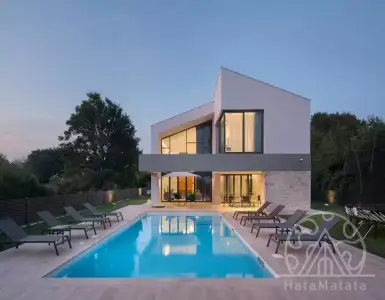
 1 813 185 $
 547 252 $
 2 032 965 $
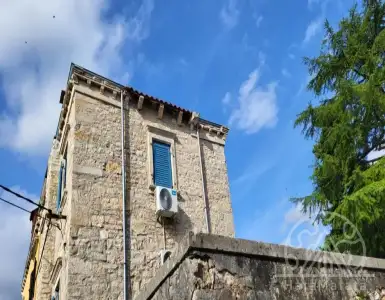 416 483 $
 967 032 $
 714 285 $
 3 516 481 $
 2 472 526 $
 2 747 251 $
 2 307 691 $
 1 208 790 $
 1 318 680 $
 1 527 471 $
 972 526 $
 2 142 855 $
 1 648 350 $
 1 835 163 $
 989 010 $
 857 142 $
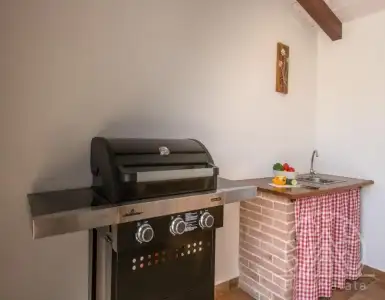 681 318 $
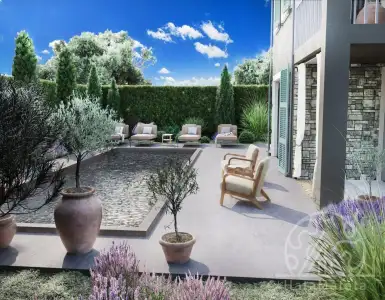 604 395 $
 604 395 $
 1 208 790 $
 1 373 625 $
 1 087 911 $
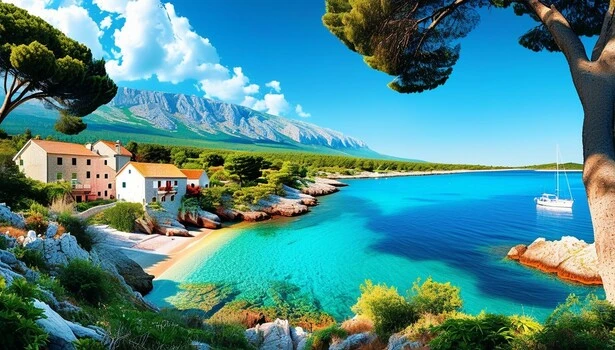 Istria
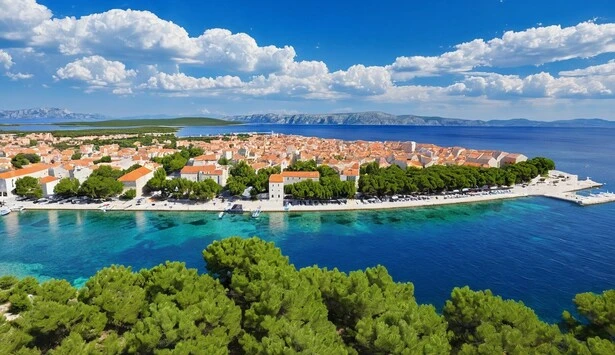 Zadar
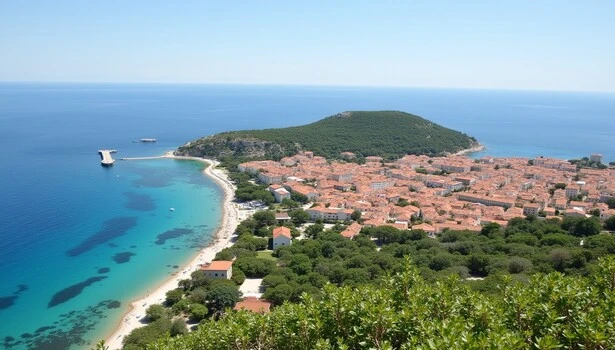 Split-Dalmatia
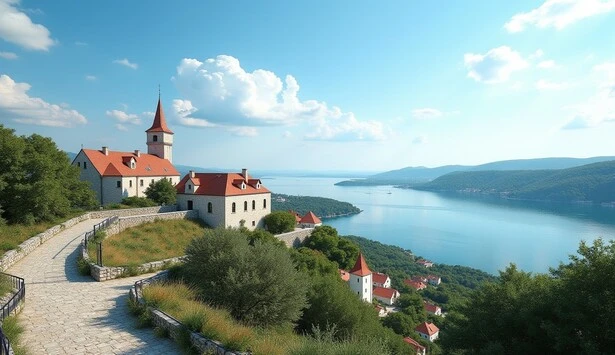 Sibenik-Knin
 Dubrovnik-Neretva
 Legal review:
Deni Gerikhanov, International Real Estate Lawyer
 Financial review:
Evgeniya Skripko, Financial Expert in International Real Estate
Reviewed:
🇭🇷 House purchase in Istria: costs, legal requirements and local market overview
Living in the Mediterranean is a dream for many, and the region of Istria in Croatia stands as a remarkable option for anyone interested in buying a house. With its stunning coastal views, rich culture, temperate climate, and an inviting lifestyle, Istria has become a prime destination for a diverse array of buyers—from families seeking a permanent home to investors looking for lucrative opportunities. The property market here is vibrant and promising, fueled by both local demand and international interest.
🏞️ Characteristics of Istria Affecting House Purchases
Istria’s appeal is deeply rooted in its geographical location and natural beauty. The region is characterized by its picturesque coastline along the Adriatic Sea, featuring charming towns like Rovinj, Pula, and Poreč, and a lush interior famous for its rolling hills and historic villages like Motovun and Germignaga. The moderate Mediterranean climate, with warm summers and mild winters, is a significant draw for those looking to escape harsher climates. Istria's infrastructure is well-developed, featuring modern roads and transport links, including a regional airport in Pula and ferry services connecting to Italian coastal cities, enhancing accessibility for both residents and tourists.
The lifestyle in Istria is equally appealing, combining outdoor activities, cultural experiences, and culinary delights. The presence of vineyards and olive groves highlights its agricultural economy, while an increasing number of restaurants and events celebrate local cuisine, attracting food enthusiasts from around the globe. Consequently, Istria is not just a housing market; it is a lifestyle market, leading to increased demand for houses in Istria.
Some key points about the region include:
- Geography: Coastal and inland appeal, diverse landscapes.
- Climate: Mediterranean weather, ideal for year-round living.
- Infrastructure: Modern amenities and excellent transport links, including Pula Airport.
💼 Economic Landscape of Istria: Opportunities and Growth
The economy of Istria is primarily driven by tourism, which significantly influences the real estate market. In recent years, tourist flows to the region have surged, with millions visiting annually to enjoy its natural and cultural offerings. The steady influx of tourists creates a robust rental market, generating attractive returns for those investing in houses in Istria. The region has also seen significant investments in infrastructure and services, which benefit both locals and foreign investors.
In terms of economic indicators, Istria’s GDP growth has been consistently outperforming national averages, fueled by tourism and agriculture. The investment climate is friendly, with various incentives for foreign buyers, including relatively low property taxes. Notably, Istria’s tax burden is one of the lowest in Croatia, further enhancing its appeal for potential investors.
Consider these economic highlights:
- Tourist Arrivals: Millions of visitors per year, boosting the rental market.
- GDP Growth: Outperforming national averages.
- Low Tax Burden: Attracting foreign investments and residents.
💰 Prices for Houses in Istria: What to Expect
When it comes to pricing, the Istrian market is diverse, reflecting the varying demands across different towns and property types. As of the latest data, the average price of a house in Istria ranges from €100,000 for a modest property in smaller towns to over €800,000 for luxury villas with sea views, especially in popular areas like Rovinj and Pula. Generally, prices depend on factors such as the property’s location, condition, and proximity to tourist attractions.
- Rovinj: €200,000 - €1.5 million, known for coastal properties.
- Pula: €150,000 - €900,000, a mix of modern and historic houses.
- Poreč: €150,000 - €1 million, family homes near the beach.
In examining the market dynamics, Istria has shown resilience in maintaining property values amid global economic fluctuations. The continuing influx of foreign buyers, who often seek second homes, has kept demand high, particularly in coastal areas. The presence of new developments in Istria has also contributed to market liquidity, providing modern amenities that attract buyers.
🏖️ Top Cities and Districts for Purchasing Houses in Istria
When considering the best regions to buy a house in Istria, several cities and districts stand out, each with unique advantages:
- Rovinj: Enveloped in rich history, charming streets, and vibrant arts, it is among the most sought-after destinations for both locals and expatriates. The rental yield is high due to tourism.
- Pula: Known for its Roman architecture, including the famous amphitheater, this city attracts investors interested in both historical homes and contemporary constructs.
- Poreč: Featuring lovely beaches and family-friendly amenities, Poreč is ideal for those seeking a summer retreat or permanent residence.
Each of these locations offers:
- Rovinj: Historically rich, high rental yield.
- Pula: Blend of culture and modernity, good investment opportunities.
- Poreč: Family-friendly, excellent coastal accessibility, growing demand.
🏗️ Leading Developers and Housing Projects in Istria
The Istrian real estate market boasts reputable developers committed to delivering quality houses tailored to the demands of modern living. Noteworthy developers include:
- TriGranit: Known for luxury villas and residential communities in Rovinj.
- West Invest: Specializes in contemporary homes with premium amenities in Poreč.
- Adriatic Krajina: Offers a range of affordable houses in smaller towns, focusing on both investor appeal and quality living.
Prominent housing projects feature various layouts and building types, ranging from small bungalows to luxurious villas with full amenities. New developments are often sold pre-construction with favorable financing options.
These developers offer:
- Quality Assurance: High construction standards.
- Payment Plans: Flexible options, including timely installments.
- Amenities: Swimming pools, gardens, and green spaces.
🏦 Mortgage and Installment Options for Foreigners in Istria
Navigating financing options is essential for foreigners aiming to buy a house in Istria. Mortgages for houses in Croatia are accessible, with rates varying based on the lender and the buyer’s financial profile. Typically, banks require a down payment of 20%-30%, with interest rates ranging between 3% and 5% for fixed terms.
Foreign buyers can also benefit from developer installment plans, which may include:
- Duration: Typically ranges from 1 to 5 years.
- Payment Schedule: Staggered based on construction stages.
- Flexible Terms: Negotiable based on the buyer's financial situation.
Such options make the dream of owning a house in Istria feasible for many international buyers.
📄 Step-by-Step Process for Buying a House in Istria
Buying a house in Istria involves a well-defined process:
- Selection: Identify a property that meets your requirements and budget.
- Reservation: Secure the property with a reservation agreement while finalizing your financing.
- Due Diligence: Conduct legal checks to ensure no debts or encumbrances.
- Contract: A notary will draft the sales contract, which both parties sign.
- Payment: Typically involves a bank transfer or mortgage funds.
- Registration: Finalize ownership registration with the local land registry.
Legal costs, such as notary fees (around 1%-2% of the property value) and property taxes (about 3%), are necessary to consider throughout this process.
⚖️ Legal Aspects of Owning a House in Istria
Understanding the legal landscape is crucial for anyone considering buying a house in Istria. Foreign buyers outside exempt categories need reciprocity and ministerial consent1.
Key legal elements include:
- Rental Regulations: It is legal to rent out properties; however, it is essential to comply with local zoning laws.
- Property Taxes: Owning a house may entail annual property taxes, typically around 1%.
- Residency: Ownership may support temporary stay for other purposes, subject to general conditions rather than a purchase-price threshold2.
Investing in a house in Istria thus presents not only opportunities for personal enjoyment but also as an investment mechanism, with ownership potentially supporting an application for temporary stay under general conditions2.
🌍 Living in Istria: Lifestyle and Future Prospects
The diverse motivations behind buying a house in Istria encompass various aspects, from seeking a serene living environment to investment strategies for rental purposes. Families often gravitate towards properties in areas like Poreč for more spacious living, while expats often prefer the vibrant cultural settings of Rovinj and Pula.
As the demand for homes continues to rise, fueled by tourism and significant investments in local infrastructure, Istria’s property market remains poised for future growth. The combination of a favorable economic environment, stunning natural beauty, and a thriving lifestyle makes Istria an irresistible region for potential homeowners and investors alike, promising exciting possibilities for anyone looking to buy a house in this enchanting part of Croatia.