


Flat in Zagreb
Do you want to buy flat in Zagreb? We'll tell you where to start

Liliya
International Real Estate Consultant
Need help choosing a property?
Leave a request and our manager will contact you.
Our managers will help you choose a property
Liliya
International Real Estate Consultant
Flat in Zagreb
Do you want to buy flat in Zagreb? We'll tell you where to start
Liliya
International Real Estate Consultant
Need help choosing a property?
Leave a request and our manager will contact you.
Our managers will help you choose a property
Liliya
International Real Estate Consultant
Selection flats in Zagreb in 15 minutes
Leave a request and we will select the 3 best options for your budget
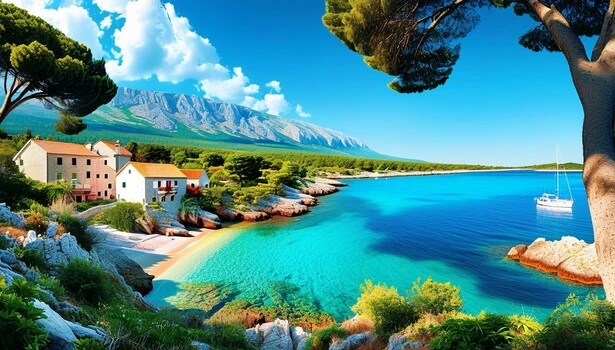
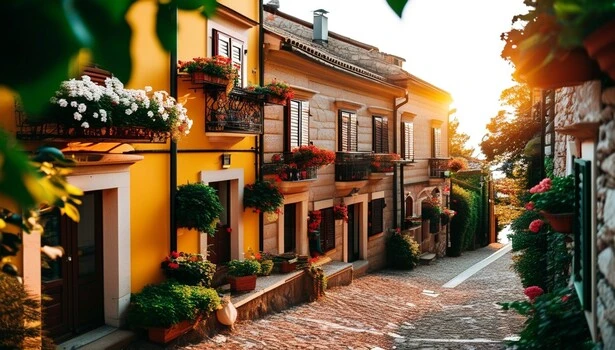
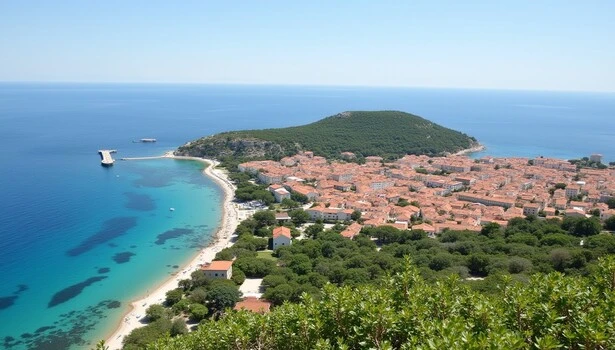
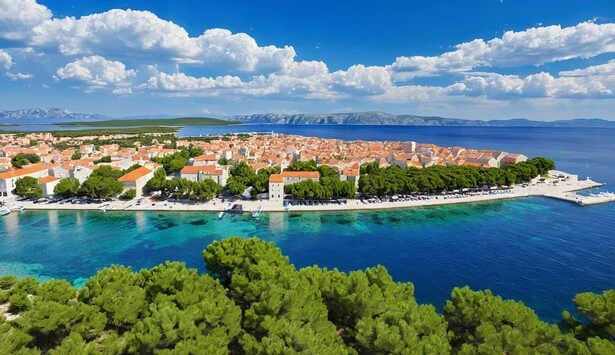
Weather in Zagreb
 !
!
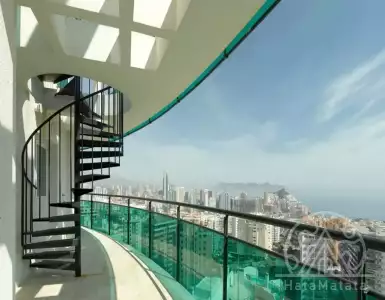
For sale Flat , Spain 208 677 $
📌 A few apartments for sale in Cala de Finestrat - a cozy place between Benidorm and Vieijahoyosa with a...
 !
!
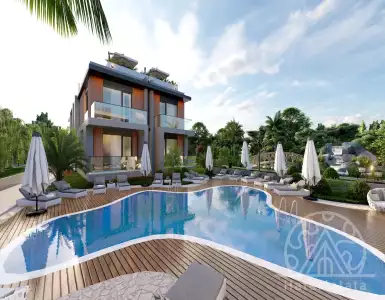
Flat for sale , Cyprus 126 815 $
The new residential complex is located in the foothills of Alsanjak. The complex consists of two two-storey buildings. Block A - 12...
For Sale flat in Zagreb
Didnt find the right facility?
Leave a request - we will handle the selection and send the best offers in a short period of time



Irina Nikolaeva
Sales Director, HataMatata
Selection flats in Zagreb in 15 minutes
Leave a request and we will select the 3 best options for your budget
🇭🇷 Buying a flat in Zagreb region — prices, neighborhoods and legal considerations
Buying a flat in the region of Zagreb, Croatia, represents an exciting opportunity for both private buyers and investors. Located at the crossroads of Central and Southeast Europe, Zagreb is the vibrant capital of Croatia, boasting a rich history, diverse culture, and a sprawling modern infrastructure. Its dynamic real estate market continually attracts attention, thanks to a growing economy, enhanced accessibility, and an ever-improving quality of life. This brief overview will delve into everything crucial for potential buyers looking to invest in flats in this remarkable city.
🌍 Characteristics of Zagreb: A City for Every Buyer
Zagreb's strategic location is a primary factor influencing the flat market. Nestled against the southern slopes of the Medvednica Mountain, it enjoys a temperate continental climate, with warm summers and cold winters. This geographical positioning not only provides picturesque views but also ample outdoor activities, bolstering its appeal amongst residents and investors alike.
The city's infrastructure is robust, featuring well-developed road connections, a reliable public transport system, and an international airport that offers connections to major European hubs. As a regional business center, Zagreb attracts both tourists and professionals, supported by numerous cultural attractions, educational institutions, and healthcare facilities. The presence of multinational corporations like Siemens and Google amplify economic activity, which further stimulates demand for flats in the city.
Popular districts such as Upper Town (Gradec), Lower Town (Donji Grad), and Novi Zagreb offer unique living environments. Each area possesses distinct charm and amenities:
- Upper Town: Known for its historical architecture and cobblestone streets, it's a major tourist attraction.
- Lower Town: Bustling with shops, restaurants, and cafes, perfect for urban living.
- Novi Zagreb: This district showcases modern living with ample greenspaces and family-friendly residential options.
📈 Economic Landscape and Investment Potential in Zagreb
The economy of Zagreb is robust and multifaceted, making it a favorable environment for investment in flats. The city's GDP has consistently exhibited growth, underpinned by diverse sectors such as technology, manufacturing, and tourism. With approximately 43% of Croatia’s GDP generated within the metropolitan area, it's a clear indicator of Zagreb's economic vitality.
Investors find the rental demand particularly enticing, fueled by a growing population, foreign workforce, and increasing tourist arrivals, estimated to be over 20 million annually. This demand translates into a healthy rental yield, often ranging from 5% to 7%, a solid ROI on flats in Zagreb for those seeking to profit from the property market.
Tax dynamics also play a vital role in determining investment attractiveness. With relatively low property taxes and a transparent business environment, potential buyers can navigate the landscape with confidence. The current tax burden for residential property includes a 3% transfer tax, and owners must account for approximately 1% annual property tax, which positions Zagreb favorably compared to other European capitals.
💸 Current Prices for Flats in Zagreb: Market Insights
When exploring the prices for flats in Zagreb, potential buyers will find a range reflective of both district and property type. On average, the price for flats can vary widely based on location and condition:
- Upper Town: Prices range from €2,800 to €4,500 per square meter, appealing for those desiring historic charm.
- Lower Town: This central area sees averages around €2,500 to €3,800 per square meter, ideal for vibrant urban living.
- Novi Zagreb: More modern developments are found here, with prices averaging €2,000 to €3,000 per square meter.
For those considering new developments, numerous projects are underway, offering modern amenities and layouts tailored to contemporary lifestyles. Popular formats include:
- Studio flats: Starting around €100,000.
- One-bedroom flats: Typically priced from €120,000 to €200,000.
- Larger two or three-bedroom options: Generally range from €220,000 to over €350,000, based on location and features.
🏙️ Key Districts and Their Unique Benefits for Flat Buyers
Various districts in Zagreb provide unique advantages for prospective flat buyers. Understanding these can help buyers make informed decisions aligning with their lifestyle needs.
- Novi Zagreb: Known for its affordability, family-friendly atmosphere, and rich green spaces, ideal for those seeking a quieter residential environment.
- Vrbani: An up-and-coming area with modern residential complexes, attractive to young professionals and families, featuring excellent public transport links.
- Jarun: Popular among students and the athletic community, it offers lakeside living and recreational opportunities, making it a desirable location for second homes.
🏗️ Leading Developers and Project Opportunities in Zagreb
When considering new developments of flats in Zagreb, several reputable developers stand out for their quality and innovative designs. Acquiring property from these established companies can assure buyers of a solid investment:
- PRODECO: Known for their residential projects in Novi Zagreb, including eco-friendly apartments with modern amenities.
- Central Point: Offers luxury flats in Donji Grad, attracting investors seeking high-end properties that promise good rental yields.
- Croatian Real Estate Investments (CRIE): Develops various projects, focusing on urban apartments in sought-after districts like Maksimir and Medveščak.
Buyers can expect flexible payment options, often including installment plans that may cater to foreign investors. Down payments typically range around 20%, with full payment completion expected within 12-24 months.
🏦 Mortgage and Installment Conditions for Foreign Buyers in Zagreb
For foreigners considering a mortgage for a flat in Croatia, financial institutions offer plans tailored to non-residents. Mortgage rates for flats generally hover between 3% to 5%, depending on the lender and borrower profile.
Foreign buyers typically need to meet specific criteria, including:
- Down payment: Usually 20% of the property value.
- Documentation: Proof of income and a valid Croatian tax identification number.
- Bank-specific requirements: Varying by institution but often include creditworthiness assessment and property appraisal.
Developers may offer their own installment plans, often allowing buyers the freedom to pay within a defined period. Payment schedules commonly stretch over one to two years, promoting accessibility to various buyer segments.
📝 Step-by-Step Buying Process for Flats in Zagreb
Navigating the legal process of buying a flat in Zagreb can be straightforward if prospective buyers follow these essential steps:
-
Selection: Identify suitable neighborhoods and types of flats that meet personal or investment needs.
-
Reservation: Frequently involves a small fee to secure the property.
-
Due Diligence: Conduct thorough checks on the property’s title and any liabilities.
-
Contract Signing: Engaging a notary is critical for contract authenticity and legal compliance.
-
Payment: Fulfill agreed terms—whether through mortgage or advance payment.
-
Registration: Finalize the property transfer at the land registry office, officially recording ownership.
Buyers should budget for additional costs, including a 0.5% notary fee and miscellaneous administrative fees, that may accumulate during the process.
📜 Legalities of Flat Ownership: Guidelines for Investors
Understanding the legal landscape governing ownership and rental in Zagreb is equally important for successful property investment.
- Property Taxes: Owners are subject to a minimal annual property tax that significantly contributes to the local economy.
- Rental Regulations: Buying a flat for rentals usually requires registration of the lease agreement and adherence to local housing ordinances.
- Residence Permits: Foreign buyers can often obtain a residence permit through property ownership depending on the investment size, enabling longer stays and potential citizenship pathways.
Zagreb's real estate market exudes potential, with appealing options for buyers looking to invest in a vibrant, rapidly developing city. Whether you're eyeing a flat for personal living, seasonal retreats, or as an investment vehicle, the city's unique offerings and robust infrastructure ensure that your purchase in Zagreb is one that can yield dividends in both lifestyle and financial terms.
Frequently Asked Questions
Average asking prices in the Zagreb metropolitan area are around €2,500–€3,500/m², with Zagreb County as a whole closer to €1,800–€2,200/m². Transaction prices vary by neighborhood, with central units at the top of the range. Expect a spread of ±20% depending on condition and exact location.
EU citizens can buy in Croatia freely. Non-EU buyers need approval from the Ministry of Justice or local authorities; this process typically adds 1–6 months. Reciprocal ownership rules and specific parcel limitations apply, so budget time for permits and legal checks before signing.
For resale apartments pay a property transfer tax of 3% of the price. New builds are usually subject to VAT at 25% instead of the transfer tax. Notary, cadastral registration and administrative fees typically add 0.5–1.5% of price. Plan for these immediately after contract signing.
Domestic purchases often close in 4–12 weeks: negotiation, preliminary contract, notary deed and cadastral entry. If non-EU approvals are needed, expect 3–6 months. New-build handovers can extend to the developer’s delivery schedule, commonly 6–36 months from contract.
Zagreb real estate has shown modest capital preservation: average annual price growth in the region has been roughly 2–4% historically. Paired with low vacancy and steady demand, property can hedge inflation, though liquidity and transaction costs mean a multi-year horizon (5–15 years) is typical.
Long-term gross yields in Zagreb average about 3–5% depending on location; central and student areas trend higher. Short-term tourist rentals can reach 4–8% gross in prime spots but show greater seasonality. Factor in 10–30% operating costs and vacancy when modelling net yield.
Property purchase alone does not grant automatic residence or citizenship. Temporary residence permits are typically issued for up to 1 year and renewable; EU long-term residence usually after 5 years of continuous legal stay. Citizenship by naturalization generally requires several years of residence (commonly around 8 years) plus language and integration requirements.
Banks commonly offer mortgages to EU residents with LTVs of 70–80%; non-resident or non-EU buyers may see LTVs 50–70%. Interest rates vary by borrower and currency (roughly 3–6% indicative). Approval and documentation take 4–8 weeks; proof of income, credit history and property valuation are required.
New builds: pay VAT (25%), come with warranties, modern systems; delivery timelines often 6–36 months. Resales: transfer tax (3%), immediate cash flow potential and established neighborhoods. Choose new-builds for lower maintenance, resales for quicker rental income and established values.
Prioritise proximity to public transport, major employers/universities, hospitals and planned infrastructure. Inner-city and university districts yield stable demand; fast-growing suburbs near motorway or tram links can offer better price growth. Infrastructure projects commonly influence values over 2–5 years.
Properties by Region
- Flats in Istria (539)
- Flats in Split-Dalmatia (222)
- Flats in Zadar (164)
- Flats in Sibenik-Knin (119)
- Flats in Dalmatia (55)
- Flats in Lika-Senj (28)
Properties by Country
- Real estate in Bulgaria (11408)
- Real estate in Montenegro (5186)
- Real estate in Indonesia (2423)
- Real estate in Spain (2289)
- Real estate in Portugal (1975)
- Real estate in Italy (1917)
- Real estate in Turkey (1699)
- Real estate in Cyprus (1595)
- Real estate in Thailand (1565)
- Real estate in Croatia (1431)
- Real estate in Greece (1082)
- Real estate in USA (1013)
- Real estate in France (1006)
- Real estate in Georgia (519)
- Real estate in Serbia (329)
- Real estate in Slovenia (123)
- Real estate in Egypt (23)
Free real estate consultation in Zagreb
Don't know which area to choose in Zagreb? We will tell you in which areas it is better to live or invest, and show you the appropriate options.

Maria Guven
Head of Direct Sales Department
+90-507-705-8082