


Real Estate in Nicosia
Do you want to buy real estate in Nicosia? We'll tell you where to start

Liliya
International Real Estate Consultant
Need help choosing a property?
Leave a request and our manager will contact you.
Our managers will help you choose a property
Liliya
International Real Estate Consultant
Real Estate in Nicosia
Do you want to buy real estate in Nicosia? We'll tell you where to start
Liliya
International Real Estate Consultant
Need help choosing a property?
Leave a request and our manager will contact you.
Our managers will help you choose a property
Liliya
International Real Estate Consultant
Selection real estate in Nicosia in 15 minutes
Leave a request and we will select the 3 best options for your budget
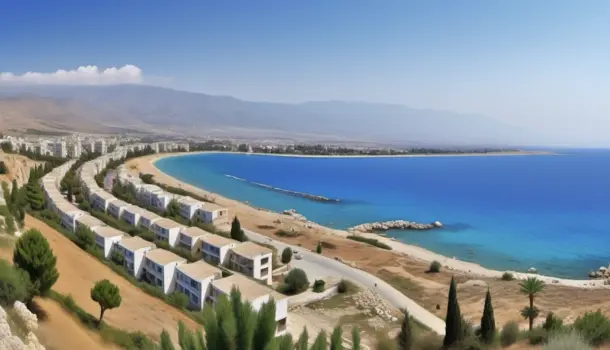
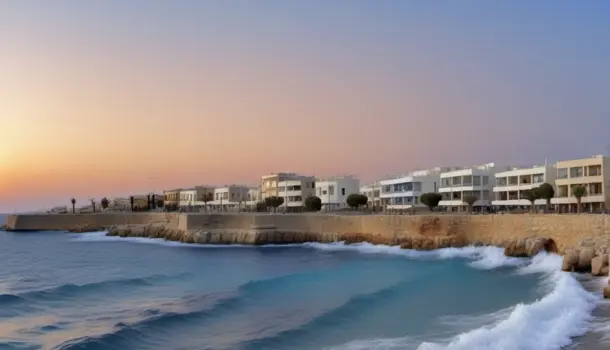
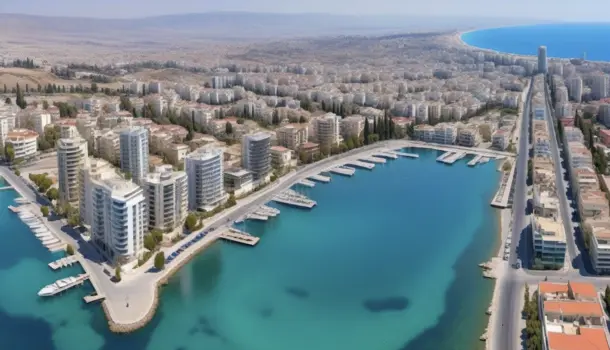
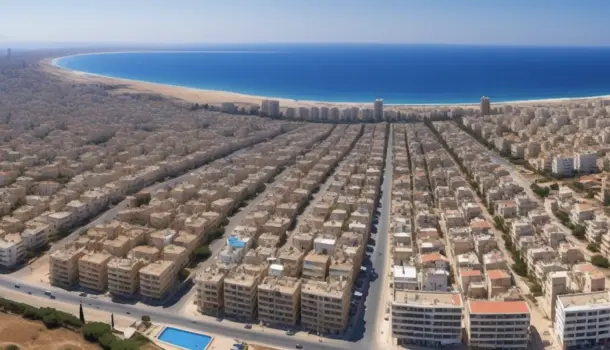
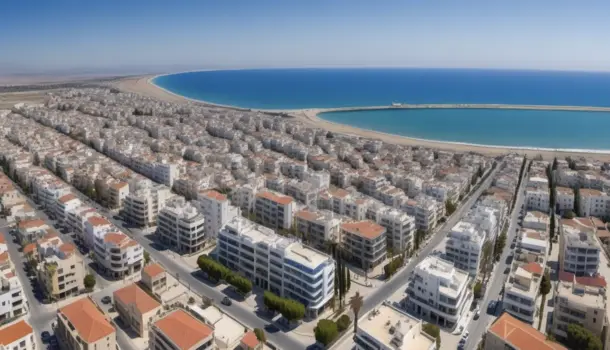
Weather in Nicosia
 !
!
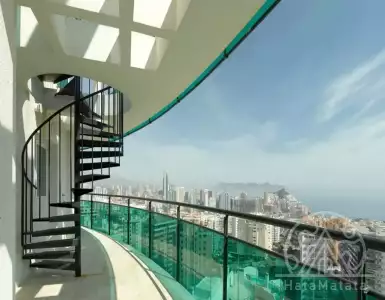
For sale Flat , Spain 211 143 $
📌 A few apartments for sale in Cala de Finestrat - a cozy place between Benidorm and Vieijahoyosa with a...
 !
!
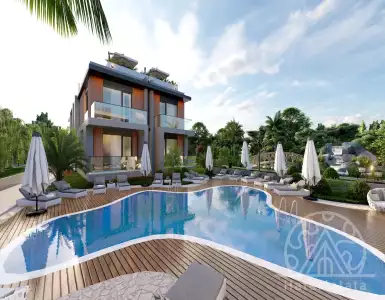
Flat for sale , Cyprus 127 157 $
The new residential complex is located in the foothills of Alsanjak. The complex consists of two two-storey buildings. Block A - 12...
For Sale Real Estate in Nicosia
Flats in Nicosia




Didnt find the right facility?
Leave a request - we will handle the selection and send the best offers in a short period of time



Irina Nikolaeva
Sales Director, HataMatata
Selection real estate in Nicosia in 15 minutes
Leave a request and we will select the 3 best options for your budget
Buy property in Nicosia, Cyprus: market prices, neighborhoods and legal requirements
Nicosia is the commercial and administrative heart of Cyprus and a practical base for buyers who want a mix of urban convenience and steady investment prospects. The island’s political and financial services are concentrated here, creating consistent local demand for housing and offices. The city combines compact historic quarters with expanding suburbs such as Engomi and Strovolos, giving buyers a range of options from restored townhouses to modern apartments and gated developments. For anyone looking to buy property in Nicosia, understanding transport, infrastructure, legal frameworks and market dynamics is essential before making an offer.
🗺️ Geography and climate of Nicosia and transport accessibility
Nicosia sits inland at roughly 200–300 metres above sea level, surrounded by plains and easy driving access to coastal cities. The city experiences a Mediterranean climate with hot, dry summers and mild, wet winters, making year‑round occupation and rental demand straightforward for most buyer profiles. Local microclimates mean central Nicosia can be several degrees warmer than the coastal strip in summer, a factor for buyers considering energy performance and outdoor space.
Nicosia’s road infrastructure is defined by the A1 motorway, which connects the city to Limassol in about 50–60 minutes and provides access to Larnaca International Airport in roughly 35–45 minutes by car. The city has a functional public bus network run by OSY and intercity routes linking to Limassol, Larnaca and Paphos; daily commuter flows sustain steady demand for rental apartments near major bus corridors. Parking, traffic calming and recent road upgrades in Strovolos and Engomi are key considerations for anyone buying a family home.
Nicosia’s infrastructure includes two major public hospitals — Nicosia General Hospital and Makarios Hospital — alongside private clinics such as Mediterranean Hospital branches and The American Medical Center facilities in the metropolitan area. Higher education institutions include the University of Cyprus, University of Nicosia (UNIC) and European University Cyprus, which together support strong student rental markets in Aglantzia, Engomi and the city centre. Banking headquarters, government ministries and many embassies concentrate demand for well‑located apartments and office space in central Nicosia.
💶 Property prices in Nicosia and market dynamics
Nicosia property values show steady mid‑cycle growth, with demand split between local owner‑occupiers, students and corporate tenants. The market differentiates clearly between new build property in Nicosia and secondary market property in Nicosia, with developer-led projects commanding a premium for specifications and warranties. Average yields vary, but gross rental yields for apartments typically sit between 3–5% in central areas and can be higher for student accommodation.
- Apartments (central Nicosia): €1,500–€3,200 per m², typical 60–120 m² units priced from €120,000 to €380,000.
- Family houses / villas (suburbs): €1,200–€2,000 per m², total prices commonly €350,000–€1,200,000 depending on plot and finish.
- New builds vs secondary market: new build premium of 5–15% over comparable resale stock in the same district.
- Studio / student rentals: purchase prices €80,000–€160,000 with targeted net yields often 4–6% if managed actively.
Nicosia’s market dynamics are influenced by steady public sector employment, university demand and limited new land supply inside the historic core. Developers respond with infill apartment schemes in Kaimakli and regeneration of listed buildings in Laiki Yitonia, while suburbs such as Strovolos and Lakatamia expand with low‑rise housing. Price growth tends to be conservative compared with coastal hotspots, which can be attractive to long‑term investors seeking lower volatility.
🎯 Best areas in Nicosia to buy property and key districts
Engomi is widely regarded for proximity to the University of Cyprus and the city’s main hospitals, offering a mix of high‑spec apartments and family villas. Strovolos functions as a residential and retail hub with established schools and parks; it combines mid‑range apartment blocks with detached houses on larger plots. Aglantzia sits between central Nicosia and the university campus and is popular with academics, families and investors targeting student lets.
- Key central neighbourhoods: Old City (Laiki Yitonia), Ledra Street area, Kaimakli, Pallouriotissa — attractive for restoration projects and short‑let demand.
- Suburban hubs: Engomi, Strovolos, Lakatamia, Agios Dometios, Latsia, Aglantzia — offer family homes, better parking and proximity to schools.
- Emerging pockets: Aglantzia east and parts of Strovolos near Makarios Avenue — seeing new apartment schemes and improved public works.
Central buyers seeking short commutes to government offices and banks tend to prefer apartments around Makariou Avenue and Ledra Street, while families prioritise lawns and outdoor living choose Strovolos or Lakatamia where plot sizes are larger and primary schools are nearby. Investors looking for student or corporate lets gravitate to Engomi and Aglantzia because of proximity to the University of Cyprus and University of Nicosia campuses.
🏗️ Major developers and projects in Nicosia real estate
Large Cyprus developers operating across the island also participate in the Nicosia market — names to watch include Leptos Estates, Cyfield, Pafilia, and Cybarco, each with a track record of residential and mixed‑use schemes. These developers bring fixed warranties, staged delivery schedules and the ability to offer off‑plan payment terms that many independent sellers cannot match. Local contractors and architects are experienced in renovating listed buildings in the Old City, creating value in the secondary market.
Developments and commercial projects that shape demand in and around Nicosia include retail and hospitality anchors such as The Mall of Cyprus and established hotels like Hilton Nicosia, which support retail employment and short‑stay tourism. Residential infill projects by the major developers often target Engomi, Strovolos and the fringes of the Old City, with new build property in Nicosia typically marketed with contemporary specifications, photovoltaic readiness and private parking. Institutional buyers and funds have begun participating in portfolios of large apartment blocks, increasing liquidity in the investment segment.
Developers often collaborate with banks to provide staged financing and marketing support; this makes new launches accessible to international buyers who prefer property in Nicosia with installment plan options. When evaluating a developer, verify warranty terms, completion guarantees and past delivery history in Nicosia to reduce contract risk and secure predictable handover dates.
🏦 Mortgages and installment plans for property in Nicosia
Cypriot banks offer mortgages to non‑residents and residents alike, with major lenders including Bank of Cyprus, Hellenic Bank, Alpha Bank Cyprus and international branches. For foreigners, typical loan‑to‑value ratios are 60–70% for new builds and often lower for older properties or buyers without local income. Down payments usually start at 30–40% for non‑residents; documentation includes passport, proof of income, bank statements and a Cyprus tax identification number.
Interest rates for mortgages in Cyprus are variable and linked to market benchmarks; typical effective rates for residential lending in recent cycles have ranged from 3.5–5%, depending on borrower profile and loan term. Mortgage terms commonly extend to 20–25 years for residential loans, and banks will assess servicing capacity against local and foreign income. Many buyers combine a bank mortgage with developer deferred payment plans to reduce immediate cash needs.
Developers in Nicosia frequently market interest‑free installment plans on new builds for 12–36 months, and sometimes offer staged payments tied to construction milestones. These installment plans can be especially useful for international buyers arranging finances abroad and can be combined with a smaller bank mortgage at completion. Always confirm the legal status of the installment contract, warranty start date and whether VAT is included in staged payments.
📝 Property purchase process in Nicosia step-by-step
Start by obtaining a Cyprus tax identification number (TIN) and engaging an independent Cypriot lawyer to perform title searches and prepare contracts. Make a reservation agreement and pay a deposit (commonly 5–10%), then instruct your lawyer to carry out Land Registry and planning checks to confirm clear title and conformity with building permits. If buying off‑plan, confirm the developer’s escrow arrangements and build completion guarantees.
Proceed to sign the sale agreement with clear payment schedules and conditions. Stamp duty and transfer fees apply — your lawyer will calculate and arrange payment. At completion, the balance is paid, the deed is signed before a notary and the transfer is registered at the Land Registry; the buyer then receives the title deed. Buyers should budget for legal fees, transfer fees and VAT where applicable, and factor solicitor and notary costs into the total purchase outlay.
After registration, update utilities and municipal rates and obtain energy performance certificates where required. If financing with a bank mortgage, expect a separate valuation and mortgage deed registration; banks typically require a local bank account and full disclosure of foreign income. For rental use, register for tax and obtain short‑let permits if intending to operate holiday rentals under local rules.
⚖️ Legal aspects, residence permit and citizenship by real estate investment in Nicosia
Cyprus allows foreign nationals to buy property inside the Republic; non‑EU buyers must comply with Ministry of Interior notifications for certain types of land and apartments. Always instruct a Cyprus lawyer to complete due diligence on title deeds and encumbrances. Ownership structures include direct title ownership or holding through a Cyprus company, each with different tax and reporting consequences that your lawyer or tax adviser will explain.
Permanent residency by investment remains available under defined conditions, typically requiring a minimum property investment threshold for eligibility and fulfilment of supporting financial criteria; permanent residency schemes vary by status and require official application and due diligence. The high‑profile citizenship by investment program that previously operated in Cyprus was suspended; therefore citizenship by real estate investment in Nicosia is not an automatic or guaranteed route at present. Prospective buyers should verify the current regulatory position with their lawyer before planning a purchase for immigration purposes.
For residence permit through property purchase in Nicosia or how to get a residence permit in Cyprus through property, the practical route involves meeting investment thresholds, proving stable income and satisfying anti‑money laundering checks. Properties marketed as property for residence permit in Nicosia will often be priced and packaged to meet these thresholds, but approval is discretionary and requires full compliance with Ministry requirements.
📈 Economy and investment potential of Nicosia real estate
Nicosia is the island’s administrative and services hub; Cyprus’s national GDP is around €25 billion, with the capital contributing a significant share through finance, public administration and professional services. Employment in the services sector, higher education and healthcare creates stable rental demand and underpins moderate long‑term capital growth for central apartments and suburban family homes. Tourism feeds short‑stay demand, but Nicosia’s core strength is occupier demand from local residents, students and corporate staff.
Investor yields are generally lower than coastal resort towns but compensate with lower volatility and steady occupancy. Typical gross yields fall within 3–5% in the central business district and can reach 4–6% for student and corporate lets near universities. Migration trends to Cyprus are positive overall, with expatriates and EU nationals choosing Nicosia for work, study or relocation — a tailwind for long‑term real estate investment in Nicosia.
Market liquidity is improving as institutional investors and local funds purchase portfolios of apartments and small blocks; this creates exit options for private investors. Combined with predictable municipal services, proximity to major employers and a diversified local economy, Nicosia presents a balanced profile for both conservative capital preservation and moderate growth strategies.
🎯 Investment advantages and buyer scenarios for real estate in Nicosia
Buyers seeking a primary residence will value convenience: central apartments near Makariou Avenue or family homes in Strovolos offer access to schools, healthcare and retail. Investors targeting rental income should focus on student‑adjacent areas such as Engomi or tourist‑lite central streets where turnover is steady and property management is straightforward. Those seeking longer‑term capital growth might consider the Old City restoration projects and infill new builds where limited land supply supports upward price momentum.
- Best for living: Strovolos, Lakatamia, Agios Dometios — family homes, gardens, primary and secondary schools.
- Best for rental income: Engomi, Aglantzia, Kaimakli — student demand, corporate lets, shorter vacancy periods.
- Best for new build investment: suburbs with active developer presence — look for projects with warranties and completion bonds.
- Best for premium buyers: renovated townhouses within Laiki Yitonia and bespoke penthouses along central avenues.
Nicosia suits relocation and remote work buyers due to reliable broadband, international schools and a central time zone. For buyers who want a second home with low maintenance, central apartments are easier to let and manage than detached villas. For those targeting residence permit through property purchase in Nicosia, properties priced to meet official thresholds and backed by clear legal advice are the pragmatic route.
Nicosia’s market offers clarity: a mix of steady demand from public and private sector employers, student flows that create reliable rental pockets, and developer activity that supplies new build options with staged payments. Whether you are looking to buy property in Nicosia as a private buyer, secure property for sale in Nicosia for income, or pursue a long‑term real estate investment in Nicosia, aligning neighbourhood choice with your financing and residency goals will deliver the best outcome.
Frequently Asked Questions
Nicosia prices vary by area. Typical asking prices: apartments $1,700–$2,600/m² (€1,600–€2,450/m²). A 2‑bed city apartment commonly sells for $140k–$280k (€130k–€270k). Family houses/villas range $250k–$700k (€240k–€660k). Prime or new-builds demand higher premiums. Expect variability by neighbourhood and finish.
EU citizens have the same purchase rights as locals. Non‑EU buyers can buy apartments freely but buying land or multiple plots usually needs government permission; approvals commonly take 2–6 months. Many non‑EU purchasers use legal checks and local company structures—always retain a Cypriot lawyer to secure title and approvals.
Long‑term gross yields for central apartments are typically 4–6%. Student or short‑term professional rentals can reach 5–8% gross in high‑demand pockets. Net yields depend on management, taxes and vacancy; budget for 1–3 months vacancy per year. Resale liquidity is moderate—sales often take 3–12 months.
Nicosia offers full city infrastructure: public and private hospitals, international and local schools, supermarkets and cultural life. Public buses exist but many families use cars. Larnaca airport is ~35–45 minutes. Monthly family costs (excl. rent) are roughly $2,000–$3,500. Healthcare quality is high in private clinics; many expatriate services available.
Yes—Nicosia has reliable broadband and expanding fiber and 4G/5G mobile coverage with typical home speeds 100–500 Mbps in urban areas. Good coworking options, cafés and a low‑stress lifestyle. Long stays require the correct residence permit; check remote‑work or temporary residence rules for your nationality. Cost of living is moderate.
Citizenship‑by‑investment programmes are suspended. Property can qualify for permanent residency under the fast‑track rules if you purchase immovable property worth at least €300,000 (≈$320k) meeting conditions. Other options: work, study or family permits. Processing for residency applications commonly takes 2–6 months.
Budget transaction costs: legal fees ~0.5–1.5% of price; agent fees typically 2–3% (varies who pays); additional transfer/registry costs and duties can total ~3–6%. New builds may incur VAT (standard rate 19%). Capital gains tax on profit is 20% after allowances. Annual municipal and immovable duties are modest. Always get a lawyer and tax advisor.
Yes—many banks lend to non‑residents. Typical LTV: residents 70–80%, non‑residents 50–70%. Interest rates commonly range 3–5% variable depending on profile. Typical terms 20–30 years. Approval requires income proof, credit checks and a local valuation; mortgage approval usually takes 4–8 weeks once documents are complete.
Family‑friendly suburbs include Strovolos, Engomi, Lakatamia, Aglantzia and Yeri—all offer schools, parks and quieter streets. Engomi is closer to services and international schools (higher prices); Strovolos and Lakatamia offer larger homes and gardens at mid‑range prices. Expect a 5–15% premium for proximity to top schools and green spaces.
Short‑term rentals are permitted but must meet local licensing, safety and tax rules. Hosts often need to register with municipal authorities, charge VAT/tourist taxes where applicable, and comply with building/HOA regulations. Licensing and compliance checks typically take several weeks; unlicensed operation can incur fines or closure orders.
Property by cities
Properties by Region
- Real estate in Paphos (440)
- Real estate in Limassol (214)
Properties by Country
- Real estate in Bulgaria (11408)
- Real estate in Montenegro (5186)
- Real estate in Indonesia (2423)
- Real estate in Spain (2289)
- Real estate in Portugal (1975)
- Real estate in Italy (1910)
- Real estate in Turkey (1699)
- Real estate in Cyprus (1593)
- Real estate in Thailand (1565)
- Real estate in Croatia (1431)
- Real estate in Greece (1082)
- Real estate in USA (1013)
- Real estate in France (1006)
- Real estate in Georgia (519)
- Real estate in Serbia (328)
- Real estate in Slovenia (123)
- Real estate in Egypt (23)
Free real estate consultation in Nicosia
Don't know which area to choose in Nicosia? We will tell you in which areas it is better to live or invest, and show you the appropriate options.

Maria Guven
Head of Direct Sales Department
+90-507-705-8082