


Real Estate in Red Sea
Do you want to buy real estate in Red Sea? We'll tell you where to start

Liliya
International Real Estate Consultant
Need help choosing a property?
Leave a request and our manager will contact you.
International Real Estate Consultant
Real Estate in Red Sea
Do you want to buy real estate in Red Sea? We'll tell you where to start
Liliya
International Real Estate Consultant
Need help choosing a property?
Leave a request and our manager will contact you.
International Real Estate Consultant
Selection real estate in Red Sea in 15 minutes
Leave a request and we will select the 3 best options for your budget
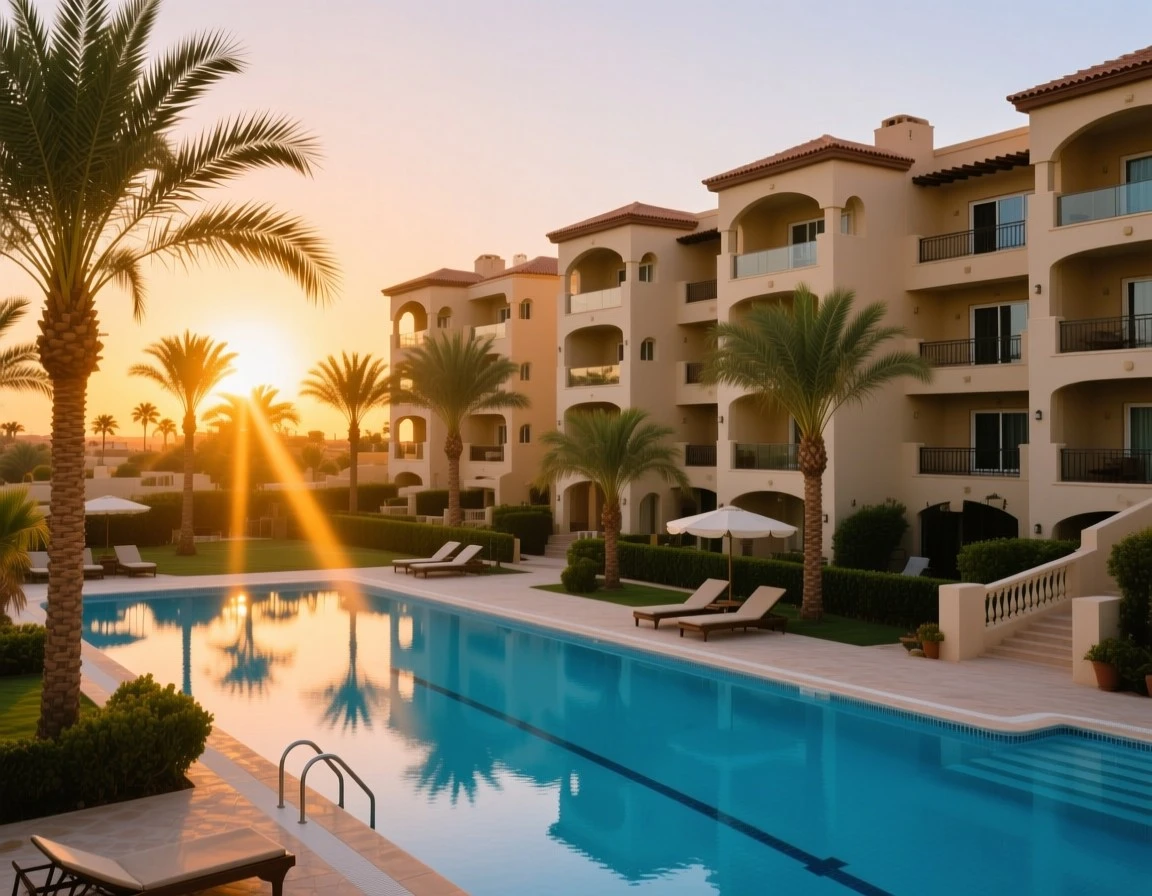
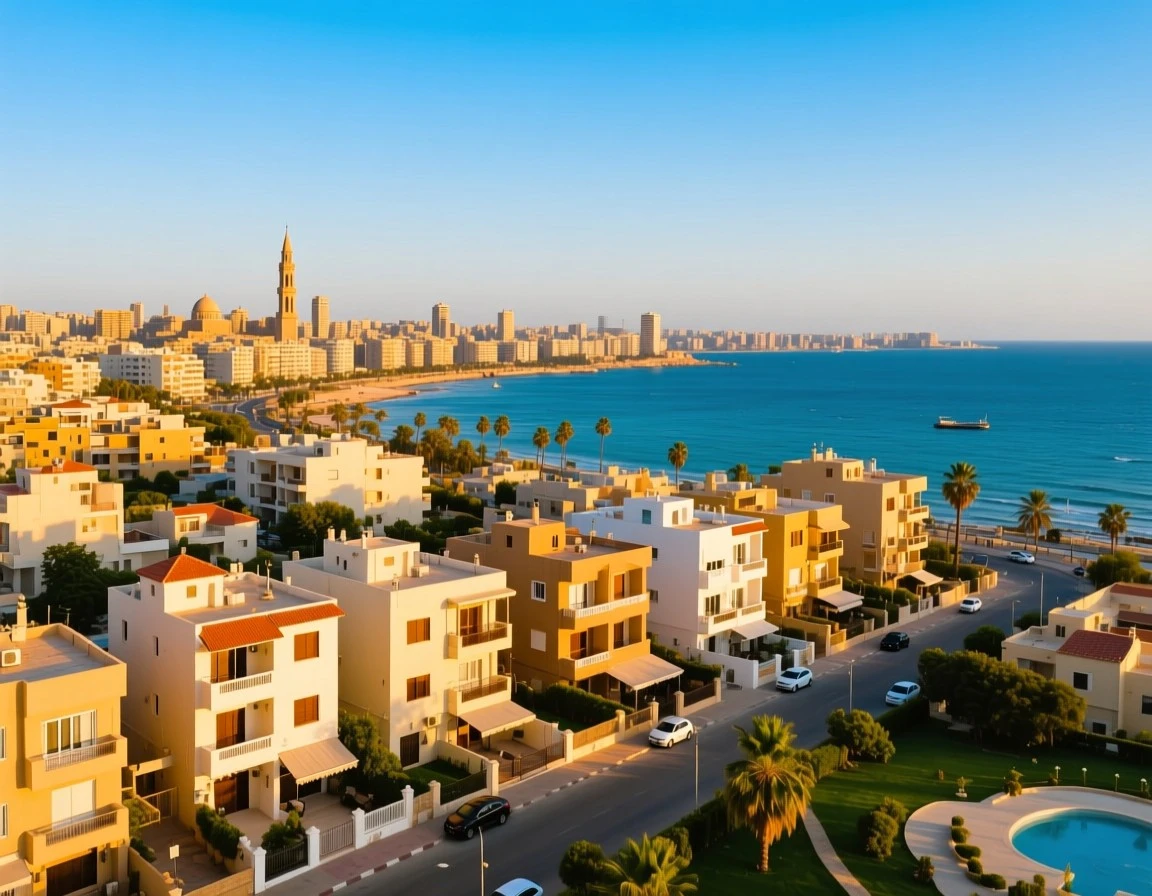
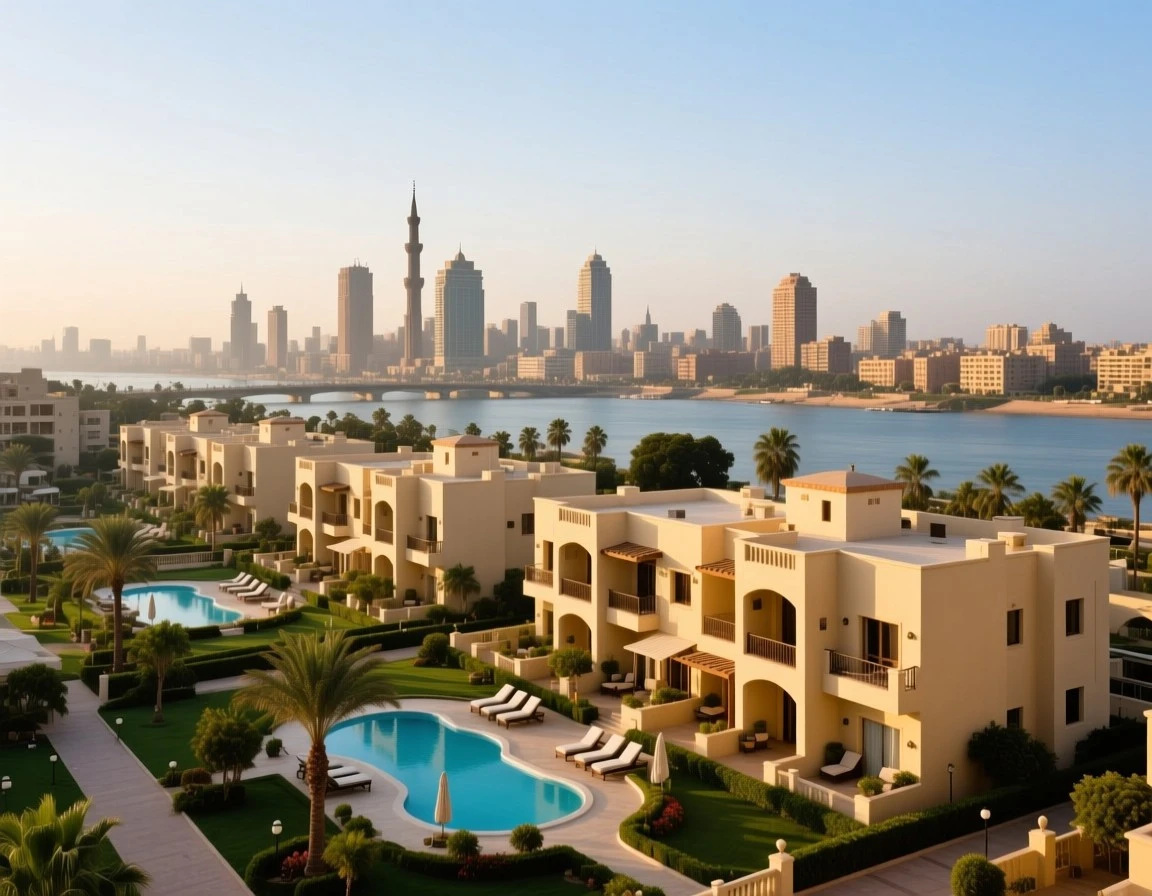
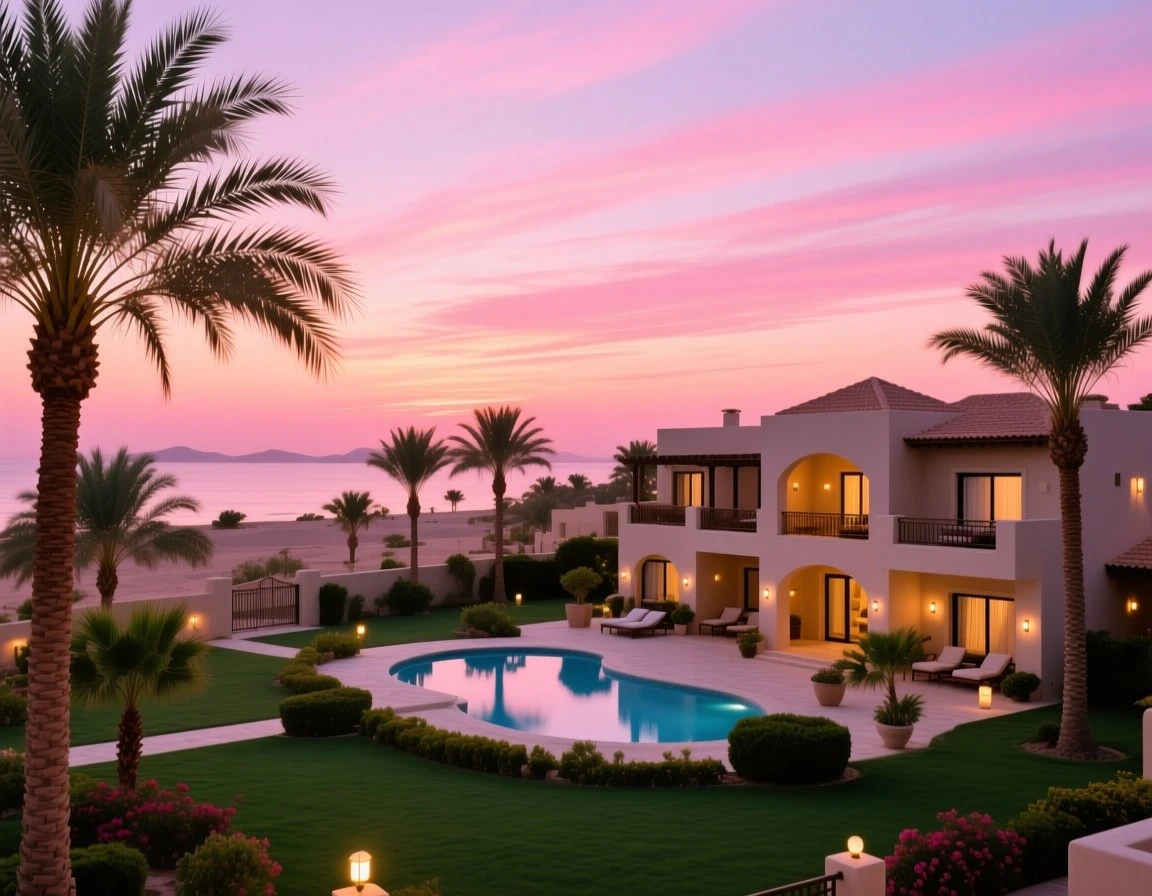
Weather in Red Sea
 !
!
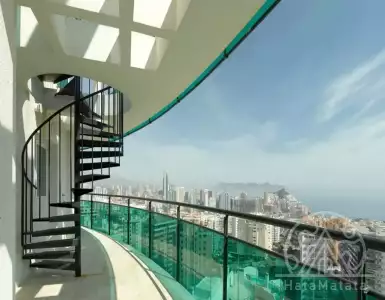
For sale Flat , Spain 210 942 $
📌 A few apartments for sale in Cala de Finestrat - a cozy place between Benidorm and Vieijahoyosa with a...
 !
!
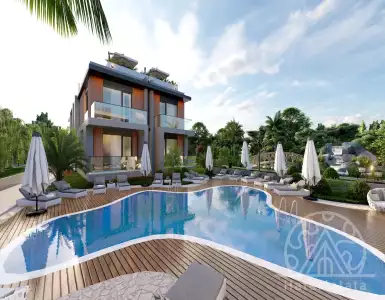
Flat for sale , Cyprus 125 285 $
The new residential complex is located in the foothills of Alsanjak. The complex consists of two two-storey buildings. Block A - 12...
For Sale Real Estate in Red Sea
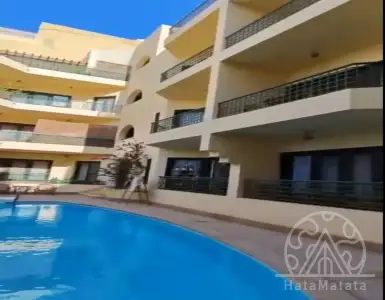
Flats in Hurghada



Didnt find the right facility?
Leave a request - we will handle the selection and send the best offers in a short period of time



Irina Nikolaeva
Sales Director, HataMatata
Selection real estate in Red Sea in 15 minutes
Leave a request and we will select the 3 best options for your budget
🇪🇬 Red Sea region, Egypt property for sale: coastal listings and market data for Hurghada
Buying property in the Red Sea region of Egypt means investing in a coastline known for clear waters, coral reefs and a multi‑layered market that serves holidaymakers, second‑home buyers and institutional investors. The area stretches from Hurghada and El Gouna in the north down to Marsa Alam and Safaga in the south, and combines established resort towns, international airports, marinas and industrial ports. For private buyers and international investors the appeal is practical as well as lifestyle-driven: accessible airports, year‑round tourism demand and developer finance options make real estate in Red Sea a concrete investment channel.
💧 Geography, climate and transport accessibility in Red Sea
The Red Sea Governorate coastline runs more than 1,000 kilometres of Egyptian coast and includes key resort centres such as Hurghada, El Gouna, Sahl Hasheesh, Makadi Bay, Soma Bay, Safaga and Marsa Alam. The climate is arid with more than 3,500 hours of sunshine per year, low rainfall and average sea temperatures between 22–29°C, supporting a year‑round tourism season and strong demand for beach properties.
The region is served by Hurghada International Airport (HRG) and Marsa Alam International Airport (RMF) with regular charter and scheduled services from Europe and the GCC, and by road connections to Cairo via the desert highways (roughly 6–7 hours to Hurghada by car). Safaga operates as a working port and still handles ferry links to the Arabian Peninsula and freight traffic.
The built infrastructure includes private and public hospitals such as El Gouna Hospital and Hurghada Hospital, international schools and specialist diving centres, plus marinas like Abu Tig Marina (El Gouna) and Port Ghalib (Marsa Alam) that support yachting and marine services. Energy and industrial activity around Ras Gharib and Safaga provide economic diversification beyond tourism.
💶 Property prices in Red Sea and market dynamics
Prices vary strongly by location, project quality and whether a property is new build or secondary market property in Red Sea. Typical market price bands are:
- Studios and one‑bed apartments: from USD 25,000–40,000 in secondary stock (Hurghada fringes, Safaga) to USD 60,000–120,000 for new build or marina‑front units (El Gouna, Sahl Hasheesh).
- Two‑ to three‑bed apartments: USD 60,000–200,000 depending on distance from the shore and finishing level; in prime areas such as El Gouna or Soma Bay prices commonly range USD 150,000–400,000.
- Villas and standalone beachfront homes: USD 200,000 for inland villas up to USD 1.5 million+ for luxury beachfront properties in El Gouna, Sahl Hasheesh and Soma Bay.
Market dynamics show steady demand from European and Middle Eastern buyers for holiday rental stock, while domestic demand and local investors support the secondary market. Short‑term rental yields in high season can reach 6–10% gross in marina and beachfront projects, while long‑term rental yields typically range 3–5% gross depending on location and management.
🎯 Best areas and key districts in Red Sea to buy property
Hurghada remains the largest urban market with a mix of affordable apartments and holiday rentals concentrated in Sekalla, El Dahar (Old Town), El Mamsha and beachfront developments in El Gouna (technically a town developed on Hurghada’s coast). El Gouna is known for gated communities, international schools and a private hospital, attracting higher‑end buyers.
Sahl Hasheesh and Makadi Bay position themselves as resort experiences with a focus on five‑star hospitality and larger resort plots; these areas suit buyers targeting holiday rental income and hotel‑linked apartments. Soma Bay is a premium gated resort north of Safaga with championship golf, diving centres and luxury villas; it attracts buyers wanting year‑round resort services and high‑end tenants.
Marsa Alam and Port Ghalib target a quieter, more nature‑oriented buyer: diving enthusiasts and long‑stay holidaymakers. Safaga appeals to price‑sensitive buyers and investors looking for higher per‑square‑metre value in the secondary market. Each district offers different operating models: owner‑occupied second homes, short‑term holiday lets and long‑term rentals.
🏗️ Major developers and projects driving real estate in Red Sea
Orascom Development is a major and verifiable name in the region, most notably behind El Gouna, a planned resort town with marina, hotels and private residential communities. El Gouna features projects such as Abu Tig Marina and integrated services that have set a development benchmark for the coast.
Soma Bay is operated as a branded resort community with participation from international hotel operators and established resort infrastructure; Port Ghalib is an organised tourism zone with marina and hotel clusters developed around the Port Ghalib Marina and nearby resorts. Hotel operators and groups with active presence in the Red Sea include Jaz Hotels & Resorts, Steigenberger and Kempinski, which anchor investor confidence through professional management and rental programs.
Developers commonly partner with hotel operators to offer managed rental programs and deferred payment plans. Projects vary from fully finished turnkey apartments to off‑plan villa communities and mixed‑use developments that combine retail, leisure and residential units.
🏦 Mortgages and installment plans available for property in Red Sea
Egyptian banks typically extend mortgage products primarily to residents and Egyptian nationals; mortgage in Egypt for foreigners is available in limited cases and usually requires residency status, a local guarantor or an Egyptian co‑borrower. When bank financing is available, typical down payments begin at 20–30%, with terms commonly 5–15 years depending on borrower profile and currency.
Developers are the main source of buyer finance in the Red Sea market: many projects feature interest‑free installment plans or developer finance with flexible down payments of 10–30% and payment terms from 2–8 years depending on stage and developer. These property in Red Sea with installment plan options are often the preferred route for foreign buyers acquiring new build property in Red Sea.
Foreign buyers should plan payments as international bank transfers or certified checks in the agreed currency; projects often allow partial payment in USD with balance in EGP. Mortgage approval timelines and eligibility vary, so early engagement with the developer’s sales office or a local mortgage broker is recommended.
🧾 Property purchase process in Red Sea step‑by‑step
Start the purchase process by identifying the property and securing it with a reservation agreement and deposit; the reservation step locks the unit while legal due diligence is completed. Developers will provide a preliminary sales contract outlining the payment plan, completion schedule and handover conditions for new build property in Red Sea.
After reservation, a signed sales contract and proof of payment trigger registration procedures. The buyer pays the agreed down payment, follows the payment schedule or secures bank financing, and the developer issues staged completion certificates where applicable. For secondary market property in Red Sea, a buyer and seller sign a transfer contract and agree on inspection, outstanding utilities and tax clearance.
Final title transfer occurs at the Real Estate Publicity Department (Tabu) where the buyer registers the title deed; this step requires original documents, passport, tax identification and payment of transfer fees. Buyers commonly instruct a local lawyer to handle searches, verify the developer’s Tabu status, check for encumbrances and lodge the title transfer.
⚖️ Legal aspects, residence permits and citizenship by real estate investment in Red Sea
Foreigners are legally permitted to buy most types of real estate in Egypt and the purchase is recorded through the tabu title deed system. Certain categories of land—agricultural plots and properties close to strategic military zones—are restricted, so buyers must verify the property’s zoning and title status before purchase.
Buying property in Red Sea does not automatically grant a residence permit or citizenship. Residence permits through property purchase are handled case‑by‑case; a property purchase can support an application for a residency permit if the investor meets other administrative requirements and evidence of long‑term income or economic ties is provided. Citizenship by real estate investment in Red Sea is not an established, automatic pathway under Egyptian law.
Legal documentation for a purchase typically includes passport, power of attorney (if buying remotely), proof of funds and KYC documents. Buyers should budget for agent fees, notary fees, transfer and registration charges and periodic property tax or condo fees where applicable.
📈 Economy, tourism and investment potential for real estate in Red Sea
The broader Egyptian economy supports demand for coastal real estate with a nominal GDP above USD 400 billion, and tourism is a major foreign‑exchange earner; the Red Sea coast is one of Egypt’s most important tourism engines due to diving, cruise and resort markets. Holiday arrivals to Red Sea destinations rebound strongly with charter flows from European markets and lifting of travel restrictions, while marinas and international hotel brands sustain occupancy and seasonal yields.
Local economic drivers include port activity in Safaga and oil and gas related services around Ras Gharib, which provide rental demand from expatriate employees and contractors. Occupancy in prime resorts typically peaks in winter months, with shoulder seasons delivering steady demand from European and GCC markets.
Investment potential rests on a mix of tourism growth, developer finance options, relatively low entry prices in secondary markets and predictable seasonal demand. Institutional investors look at bundled portfolios of apartments or resort‑linked units that can be professionally managed for holiday rental income.
🧩 Investment advantages and buyer scenarios for property in Red Sea
Buyers seeking a second home or vacation property will find El Gouna and Soma Bay best for services, marinas and high‑quality amenities; typical buyers in this segment prioritise turnkey deliveries and concierge management. Investors focused on short‑term holiday rental income will look to Sahl Hasheesh, Makadi Bay and Hurghada Marina areas where occupancy and nightly rates are higher during peak seasons.
Long‑term investors and those seeking capital appreciation in the medium term often target new build projects with developer financing and professional rental programs; such investors balance lower carrying costs with potential for 6–10% gross seasonal yields and diversification across units to spread risk. Buyers aiming for a lower price point and stable long‑term rental income frequently choose secondary market property in Red Sea in Hurghada and Safaga, where entry prices are lower and local rental demand from service sector workers exists.
Developers’ installment plans and the selective availability of mortgages mean that foreign buyers and investors should match financing ability to exit strategy: owner‑occupiers may prioritise location and services, rental‑focused investors will prioritise occupancy guarantees and management contracts, and premium buyers will look for beachfront villas in El Gouna or Soma Bay to combine lifestyle and capital preservation.
Buying property in the Red Sea blends lifestyle and practical investment factors: clear transport links by air and sea, varied price points across Hurghada, El Gouna, Sahl Hasheesh, Soma Bay and Marsa Alam, developer finance options and a tourism‑driven rental market. If you are considering purchase, prioritise properties with clear tabu registration, review developer payment plans, and align your financing—whether a developer installment plan or a bank mortgage—with your intended use: residence, seasonal rental, long‑term hold or premium lifestyle ownership.
Frequently Asked Questions
Typical asking prices on the Red Sea coast vary: resort apartments often range $900–3,000 per sqm (Hurghada toward the lower end, Sharm/Soma Bay higher); beachfront villas commonly start around $250,000 and can exceed $2 million. Gross rental yields for holiday units average 4–8%. Expect transaction/closing timelines of 4–12 weeks for resale deals.
Foreign buyers can acquire apartments and resort units on the Red Sea coast; ownership of agricultural land is restricted. Purchases require ID/passport, power of attorney if remote, and registration at the real estate registry. Typical closing due diligence and registration take 4–12 weeks. Always verify title and land use classification before signing.
Mortgages for non-residents on the Red Sea are available but limited. Expect down payments of 30–50%, shorter terms than local loans (commonly up to 10 years), and higher interest margins versus domestic borrowers. Many international buyers use cash; pre-approval and paperwork commonly take 2–4 weeks.
Estimate transaction costs of roughly 2–5% of sale price for registration, notary and transfer-related fees plus possible agent fees (2–3%). Annual holding costs include utilities, community/service charges and local property levies; budget 1–3% of property value per year for operating costs. Allow 4–12 weeks for completion and registration.
Holiday rentals on the Red Sea typically see seasonal occupancy: low 40%–70% annual occupancy depending on location. Gross yields are generally 4–8% for well-managed units; peak season weekly rates can be 2–4x low-season. Management and marketing fees commonly take 20–35% of gross rental. Typical payback period 8–20 years pre-tax.
Resale transactions usually complete in 4–12 weeks from agreement. Off-plan projects on the Red Sea commonly quote 12–36 months to build; actual delays of 6–18 months can occur. Allow 2–6 weeks for due diligence and 4–8 weeks for registration once documents are in order.
Run title and encumbrance checks at the land registry, verify building permits and coastal setback compliance, inspect infrastructure (sewer, water, electricity), confirm zoning and tourism licensing, and review HOA rules. Legal and technical checks typically take 2–6 weeks. Budget for an independent survey and lawyer review.
Off-plan on the Red Sea carries completion and quality risk. Typical completion windows are 12–36 months; common mitigation: insist on escrow or staged payment schedule, get contractual delivery penalties, verify developer performance guarantees, and use independent construction monitoring. Expect to allow 6–18 months contingency for delays.
Ongoing costs include service/maintenance fees, utilities, and insurance; budget 1–3% of property value annually or service charges that may be $5–15 per sqm monthly depending on complex. Communities on the Red Sea often have HOA rules for rentals, noise and beachfront use. Management contracts and reserve funds should be reviewed before purchase.
Egypt does not offer automatic citizenship or a formal golden-visa solely for property purchase on the Red Sea. Residency options generally follow standard visa, work-permit, or investor channels that require separate application and criteria. Expect visa or residency processing to take several weeks to a few months depending on route and documentation.
Property by cities
Properties by Region
Properties by Country
- Real estate in Bulgaria (11408)
- Real estate in Montenegro (5370)
- Real estate in Indonesia (2423)
- Real estate in Spain (2289)
- Real estate in Portugal (1975)
- Real estate in Italy (1900)
- Real estate in Turkey (1699)
- Real estate in Cyprus (1592)
- Real estate in Thailand (1565)
- Real estate in Croatia (1431)
- Real estate in Greece (1082)
- Real estate in USA (1013)
- Real estate in France (1006)
- Real estate in Georgia (519)
- Real estate in Serbia (328)
- Real estate in Slovenia (123)
- Real estate in Egypt (23)
Free real estate consultation in Red Sea
Don't know which area to choose in Red Sea? We will tell you in which areas it is better to live or invest, and show you the appropriate options.

Maria Guven
Head of Direct Sales Department
+90-507-705-8082