


Flat in Red Sea
Do you want to buy flat in Red Sea? We'll tell you where to start

Liliya
International Real Estate Consultant
Need help choosing a property?
Leave a request and our manager will contact you.
Our managers will help you choose a property
Liliya
International Real Estate Consultant
Flat in Red Sea
Do you want to buy flat in Red Sea? We'll tell you where to start
Liliya
International Real Estate Consultant
Need help choosing a property?
Leave a request and our manager will contact you.
Our managers will help you choose a property
Liliya
International Real Estate Consultant
Selection flats in Red Sea in 15 minutes
Leave a request and we will select the 3 best options for your budget
Weather in Red Sea
 !
!
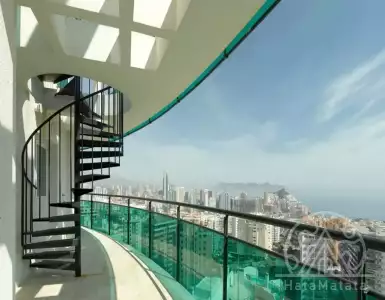
For sale Flat , Spain 211 143 $
📌 A few apartments for sale in Cala de Finestrat - a cozy place between Benidorm and Vieijahoyosa with a...
 !
!
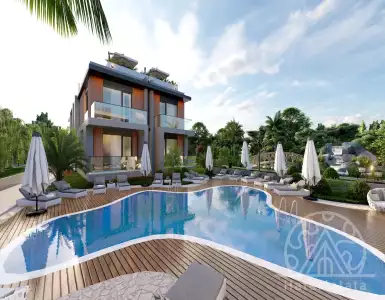
Flat for sale , Cyprus 127 157 $
The new residential complex is located in the foothills of Alsanjak. The complex consists of two two-storey buildings. Block A - 12...
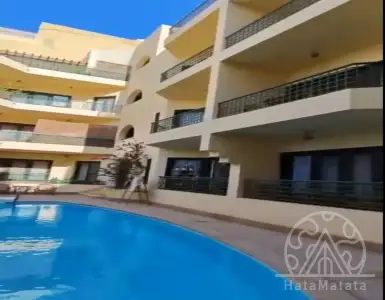
For Sale flat in Red Sea
Flats in Hurghada



Didnt find the right facility?
Leave a request - we will handle the selection and send the best offers in a short period of time



Irina Nikolaeva
Sales Director, HataMatata
Selection flats in Red Sea in 15 minutes
Leave a request and we will select the 3 best options for your budget
🇪🇬 Buying a flat in Egypt’s Red Sea region: prices, neighborhoods, legal considerations
💠 Characteristics of buying Flat in Red Sea
The Red Sea Governorate is a linear coastal region stretching from Hurghada in the north to Marsa Alam in the south, with tourist hubs like El Gouna, Sahl Hasheesh, Makadi Bay, and Soma Bay shaping demand for flat in Red Sea. The coast combines year‑round sunshine, calm winter seas, and internationally renowned dive sites — the logistics and climate make flats attractive for holiday rental and year‑round second homes. Accessibility by air is strong: Hurghada International Airport and Marsa Alam Airport connect directly to Europe and regional hubs, while road links to the Suez and Cairo corridor support domestic travel and service supply.
The built environment mixes gated communities, beachfront towers, and low‑rise apartment blocks; buyers target compact layouts that suit short‑term lets (studios and 1–2 bedroom flats) as well as larger apartments for relocation and families. Local infrastructure improvements — marinas, promenades, private hospitals (El Gouna Hospital, Hurghada Hospital Group), international schools, and conference venues — drive higher occupancy and year‑round rentalability, especially in El Gouna and Soma Bay.
Tourism and service employment create steady rental demand: holiday rental occupancy spikes seasonally but longer stays by digital nomads and retirees support mid‑term lets, which keeps demand for resale flat in Red Sea resilient. The mix of leisure, diving tourism, health tourism, and small business services shapes the market: seaside views and proximity to marina or beach command premiums, while inland districts deliver better price per square metre.
💶 How much Flat costs in Red Sea
Prices for flat in Red Sea vary by city, finishing level, and proximity to the waterfront; buyers will find a clear premium for marina‑facing and gated community units. Typical unit sizes are: studio 35–50 sqm, 1‑bed 50–80 sqm, 2‑bed 80–120 sqm, and 3‑bed 120–180+ sqm. Per‑square‑metre pricing across the region ranges widely because of location and finish: approximately $900–$2,500/sqm depending on the project.
Market price examples by location and format:
- Hurghada (city & marina): studio/1‑bed from $40,000–$120,000; 2‑3 bed from $100,000–$250,000.
- El Gouna (El Gouna by Orascom): 1‑bed from $120,000, 2‑3 beds commonly $200,000–$600,000 for marina or lagoon facings.
- Sahl Hasheesh & Soma Bay (resort enclaves): 1‑bed $100,000–$220,000, premium 2‑3 beds and villas $220,000–$700,000.
New developments of flat in Red Sea typically cost more than resale flat in Red Sea because of bundled infrastructure and hotel operator management agreements, but developer payment plans can soften the cash‑out. Buyers seeking investment flat in Red Sea should expect gross holiday rental yields in many hotspots to be around 5–9%, with peak seasonal yields higher in Sahl Hasheesh and Soma Bay.
🎯 Which district of Red Sea to choose for buying Flat in Red Sea
Location choice determines yield profile, year‑round occupancy, and resale liquidity. Hurghada city districts (El Mamsha, Hurghada Marina, Downtown / Sekalla) are mass‑market with steady domestic and international tourism, easier price entry, and strong long‑term rental demand from staff and teachers. El Gouna is premium, managed as a private town with strict building codes, lagoons, and marina infrastructure attracting high‑spending tourists and long‑stay expats. Soma Bay and Sahl Hasheesh are resort‑focused, with large hotels, golf courses, and resort facilities ideal for short‑term holiday lets and higher nightly rates.
Key districts and their advantages:
- El Gouna (Gouna Marina, Downtown Gouna): high service level, stable property management, higher resale value.
- Sahl Hasheesh: large beachfront developments, established hotel operators, strong short‑term rental performance.
- Soma Bay: luxury resorts, golf, wellness hospitals spa infrastructure, attracts premium guests and return visitors.
- Makadi Bay and Hurghada (Marina, Al Ahyaa, Sekalla): lower entry price, strong domestic tourism, large pool of seasonal workers supporting long‑term rentals.
Choosing a district should weigh transport (proximity to Hurghada or Marsa Alam airports), infrastructure (hospitals, supermarkets, marinas), and the intended use — permanent residency prefers El Gouna and Hurghada city while short‑term investment gravitates to Sahl Hasheesh and Soma Bay.
🏗️ Developers and projects offering Flat in Red Sea
The Red Sea market hosts established developers and recognizable hotel operators that raise buyer confidence. Orascom Development is synonymous with El Gouna, offering mixed‑use towns with private utilities and masterplanned amenities; Egyptian Resorts Company (ERC) led major phases of Sahl Hasheesh; various local and international operators run projects in Soma Bay and Makadi Bay through partnerships with hospitality brands. Hotel operators present in the region include Kempinski (Soma Bay), Steigenberger and Jaz Hotels (Makadi/Sahl Hasheesh), and international chains that anchor rental programs and F&B offerings.
Representative projects and what they offer:
- El Gouna (Orascom Development): lagoon apartments, marina villas, property management, resale market liquidity and service‑level standards.
- Sahl Hasheesh (ERC and partners): beachfront apartment complexes, promenades, integrated hotel services supporting short‑term rentals.
- Soma Bay (Soma Bay Development + hotel operators): luxury gated communities, golf course adjacency, spa and diving centres.
Developers typically sell flats with finished interiors or shell‑and‑core options, offer on‑site property management and rental pooling, and provide payment schedules ranging from short deposit plus instalments to long developer installment plans for flat in Red Sea.
🏦 Mortgage and installment conditions for Flat in Red Sea
Bank mortgages for foreigners buying flat in Egypt exist but with constraints: major banks such as Commercial International Bank (CIB), Banque Misr, and National Bank of Egypt process home loans mainly for residents or expatriates with local income; for non‑resident foreigners, mortgages are limited and require larger down payments and extensive documentation. Typical bank mortgage patterns are: down payment 20–40%, maximum amortization 5–15 years depending on residency, and interest rates that vary with the lender and credit profile.
Developer installment plans are the most common route for buy flat in Red Sea, especially for foreign buyers: many projects offer 0–3 years interest‑free and extended plans up to 5–8 years sometimes with modest interest; down payments range 10–30%, with staged construction‑linked instalments. Bullet list of common finance options for foreigners:
- Bank mortgage for residents/expats: 20–40% down, up to 15 years.
- Developer installment plan for flat in Red Sea: 10–30% down, 2–8 years instalments, possible post‑handover plans.
- Cash purchases often secure the best price and faster registration.
Buyers should prepare bank references, passport, proof of income, and a local tax ID; working with developers that provide in‑house finance or partnering with local banks streamlines the process.
📋 Step‑by‑step process of buying Flat in Red Sea
Selection starts with clear requirements: target district, unit size, budget, and intended use (rental vs living). Shortlist projects, visit show units, and review title documents and developer history; use a local lawyer or agent familiar with Red Sea transactions. Reservation commonly requires a small refundable deposit to hold the unit, followed by signing a preliminary sales agreement setting the payment schedule.
Due diligence focuses on title verification at the Real Estate Publicity Department, confirming the developer’s land ownership and construction permits, and checking utility connections and service obligations. The final contract includes payment schedule, handover date, completion standards, and penalties. Buyer should verify whether the unit will be delivered as finished, partly finished, or with a management contract attached.
Closing steps include payment per contract, registration of ownership at the public registry, and payment of registration and transfer fees. Typical mandatory costs and timelines:
- Reservation deposit: often 1–5% of price.
- Down payment on contract: 10–30%.
- Registration & transfer fees and local levies: commonly 2–5% of the declared value.
Allow several weeks to complete searches and registration; delivery from developers may be staged and subject to construction schedules.
⚖️ Legal aspects of owning Flat in Red Sea
Foreigners can legally buy and own apartments in Egyptian resort zones; purchases of agricultural land are restricted. Ownership rights are registered and protected by the Real Estate Publicity Department; buyers must ensure the property’s title is clear and that the developer holds valid building permits. Rental regulation allows short‑term holiday lets, but properties under certain hotel management contracts may restrict owner rentals — review any hotel or rental pool clauses carefully.
Taxation and mandatory procedures: rental income is taxable in Egypt; owners must register for tax and declare rental receipts; property taxes and municipal service charges apply and vary by location. Transfer and registration fees are commonly treated as part of the buyer’s closing costs; real estate agents and legal fees should be negotiated upfront. Key legal facts to note:
- Purchase does not automatically grant residence permit or citizenship; residency is subject to separate immigration rules and investment routes.
- There is no standard citizenship‑by‑real‑estate program tied to flat purchases; large direct investment schemes are handled at national policy level and require separate approval.
Complying with registry, tax filings, and community association rules ensures clear title and avoids disputes.
🏡 Who buys Flat in Red Sea and for which purposes
Investors seeking seasonal income focus on holiday rental flats in Sahl Hasheesh, Soma Bay, and El Gouna where occupancy and nightly rates are strongest; these buyers prioritize marina or beachfront positioning and professionally managed properties. Expatriates and retirees buying for relocation prefer El Gouna and Hurghada city for full‑time living because of international schools, clinics, supermarkets, and a more established year‑round community.
Families looking for a second home or relocation opt for 2–3 bedroom flats and low‑rise gated compounds in El Gouna, Soma Bay, or Makadi Bay to balance community life and resort amenities. High‑net‑worth buyers targeting the premium segment choose marina apartments, penthouses, and waterfront units with private moorings or direct beach access; these asset classes offer better long‑term capital preservation and buyer demand from international clients.
Investment scenarios and typical location match:
- Short‑term investment: Sahl Hasheesh, Soma Bay — flats with high nightly rates.
- Long‑term rental/relocation: Hurghada city, El Gouna — stable occupancy and services.
- Premium family residence: El Gouna marina and select Soma Bay seafront complexes.
The Red Sea flat market combines tourism dynamics, improving infrastructure, and a steady stream of international visitors and domestic holidaymakers; buyers who match location, property format, and financing to their objective find strong rental potential and clear resale demand, making investment in flat in Red Sea a balanced option for many foreign and local purchasers.
Frequently Asked Questions
Average apartment prices in the Red Sea typically range from $800–$2,500 per m². One-bedroom flats commonly sell for $35k–$120k, two-bed units $80k–$250k; luxury units exceed that. Prices vary by town and finish; closing and registration usually take 6–12 weeks from contract signing.
Purchasing property in the Red Sea does not automatically grant citizenship. Non-Egyptians can apply for residency permits tied to investment; processing times vary from about 3–12 months. Citizenship is a separate, longer legal route requiring multi-year residence and official approvals.
Gross rental yields in the Red Sea average 5–8% for holiday rentals and 4–6% for long-term lets. Peak season typically lasts 4–6 months; average annual occupancy is often 40–60%. Break-even on price plus costs commonly falls in a 7–12 year window depending on purchase price.
The Red Sea benefits from tourism demand and limited coastal supply. Conservative combined returns (rental + appreciation) are often estimated at 6–10% annualized; many buyers target a 5–10 year holding period for meaningful appreciation. Infrastructure improvements can shorten that timeline.
Typical steps: reservation, sales contract, due diligence/title search, notarized transfer, registry entry. Foreign buyers should plan 4–8 weeks from contract to registration, depending on paperwork. Expect transaction costs around 2–5% of sale price plus registry and notary fees.
Mortgages exist but are limited for non-residents. Expect down payments roughly 25–50%, loan terms up to 15–20 years, and approval timelines of 1–3 months where available. Many buyers in the Red Sea use cash or staged payment plans instead of bank loans.
Popular towns in the Red Sea include Hurghada, El Gouna, Sahl Hasheesh, Marsa Alam and Safaga. Mature areas provide steadier rental income; emerging spots can show faster price growth over 3–7 years. Choose by target renter profile and expected holding period.
In the Red Sea budget annual maintenance at about 1–3% of property value, property management fees 10–20% of rental revenue, plus utilities and vacancy periods. Rental income is subject to Egyptian tax rules; allow for registry, notary and small annual municipal fees.
Resale liquidity varies: prime resort flats in the Red Sea can sell in 3–12 months; off-plan or secondary units often take 12–36 months. For reliable capital gains, investors commonly plan a 5–10 year holding period to maximize market movement.
Coastal flats in the Red Sea enjoy year-round tourism climate but face salt corrosion, strong UV and occasional storms. Expect higher maintenance and corrosion-proofing costs; basic insurance premiums can run roughly 0.1–0.5% of property value annually, with higher rates for full coastal cover.
Properties by Region
- Flats in Red Sea (19)
Properties by Country
- Real estate in Bulgaria (11408)
- Real estate in Montenegro (5186)
- Real estate in Indonesia (2423)
- Real estate in Spain (2289)
- Real estate in Portugal (1975)
- Real estate in Italy (1910)
- Real estate in Turkey (1699)
- Real estate in Cyprus (1594)
- Real estate in Thailand (1565)
- Real estate in Croatia (1431)
- Real estate in Greece (1082)
- Real estate in USA (1013)
- Real estate in France (1006)
- Real estate in Georgia (519)
- Real estate in Serbia (328)
- Real estate in Slovenia (123)
- Real estate in Egypt (23)
Free real estate consultation in Red Sea
Don't know which area to choose in Red Sea? We will tell you in which areas it is better to live or invest, and show you the appropriate options.

Maria Guven
Head of Direct Sales Department
+90-507-705-8082