


House in Red Sea
Do you want to buy house in Red Sea? We'll tell you where to start

Liliya
International Real Estate Consultant
Need help choosing a property?
Leave a request and our manager will contact you.
Our managers will help you choose a property
Liliya
International Real Estate Consultant
House in Red Sea
Do you want to buy house in Red Sea? We'll tell you where to start
Liliya
International Real Estate Consultant
Need help choosing a property?
Leave a request and our manager will contact you.
Our managers will help you choose a property
Liliya
International Real Estate Consultant
Selection houses in Red Sea in 15 minutes
Leave a request and we will select the 3 best options for your budget
Weather in Red Sea
 !
!
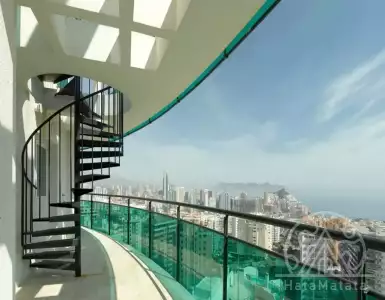
For sale Flat , Spain 211 143 $
📌 A few apartments for sale in Cala de Finestrat - a cozy place between Benidorm and Vieijahoyosa with a...
 !
!
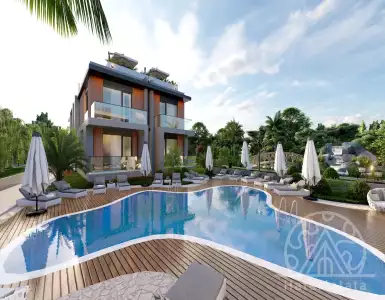
Flat for sale , Cyprus 127 157 $
The new residential complex is located in the foothills of Alsanjak. The complex consists of two two-storey buildings. Block A - 12...
For Sale house in Red Sea
Didnt find the right facility?
Leave a request - we will handle the selection and send the best offers in a short period of time



Irina Nikolaeva
Sales Director, HataMatata
Selection houses in Red Sea in 15 minutes
Leave a request and we will select the 3 best options for your budget
🇪🇬 Buying a house in Egypt's Red Sea region — neighborhood choices, costs, ownership rules
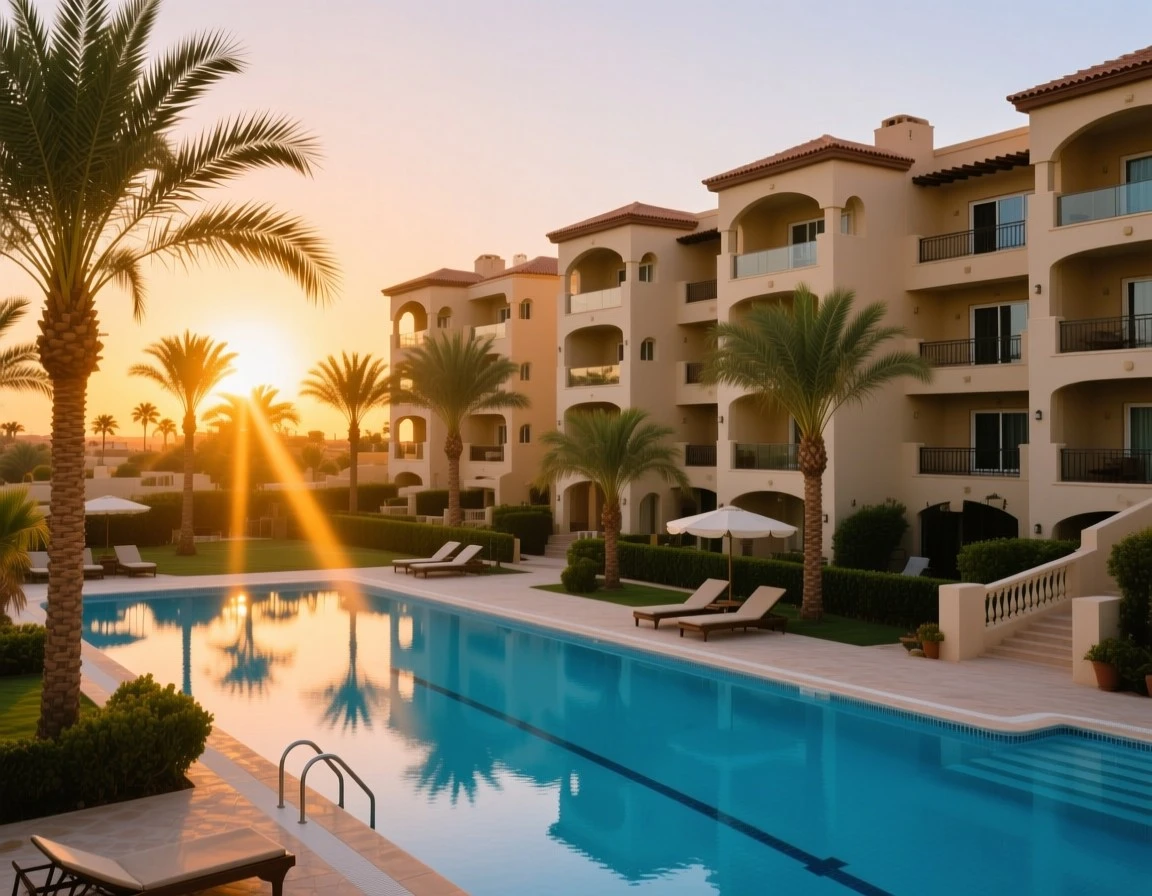
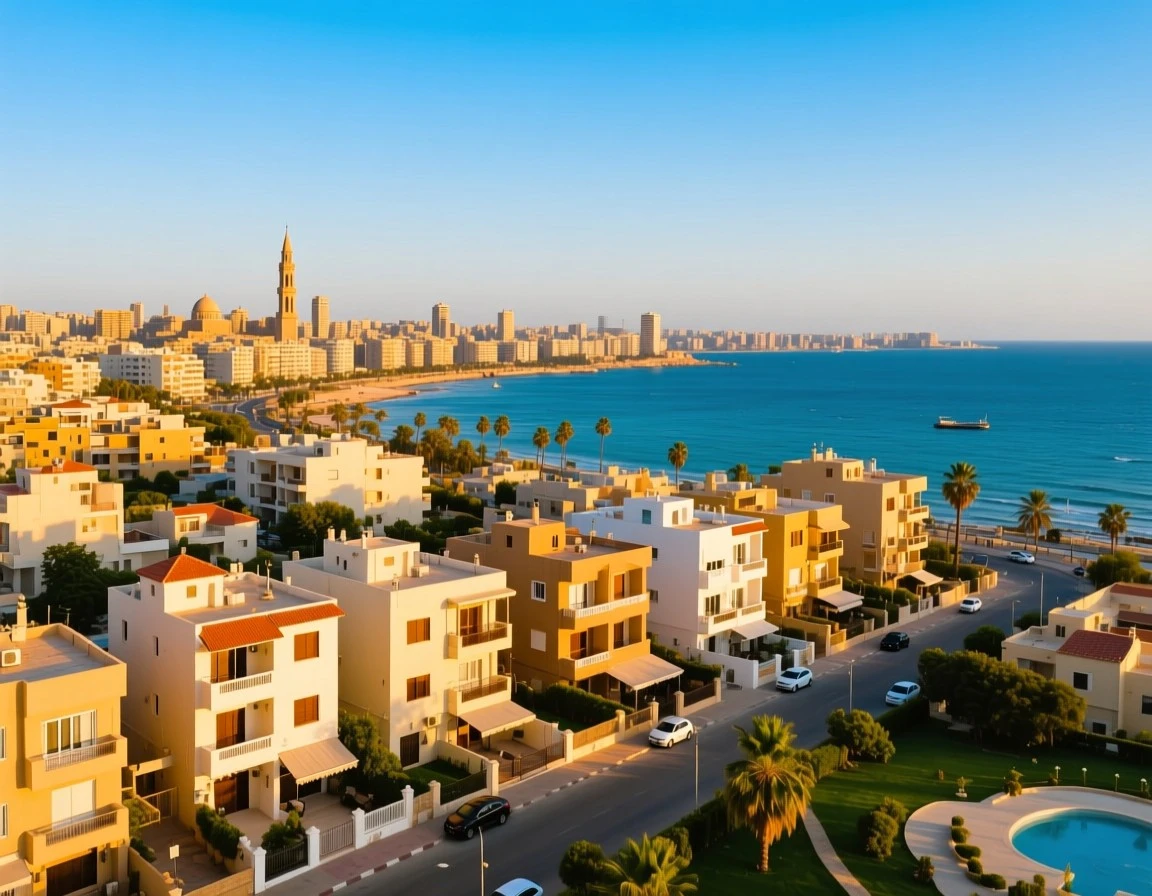
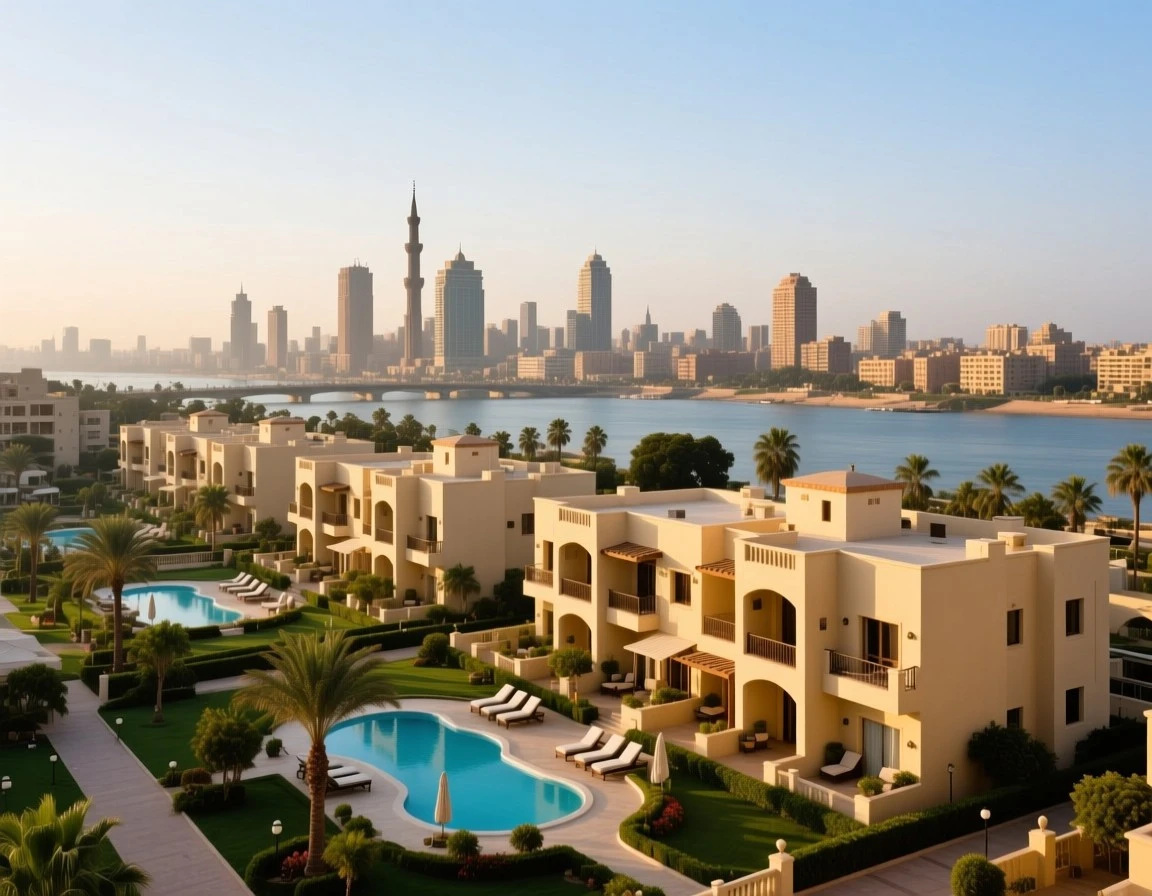
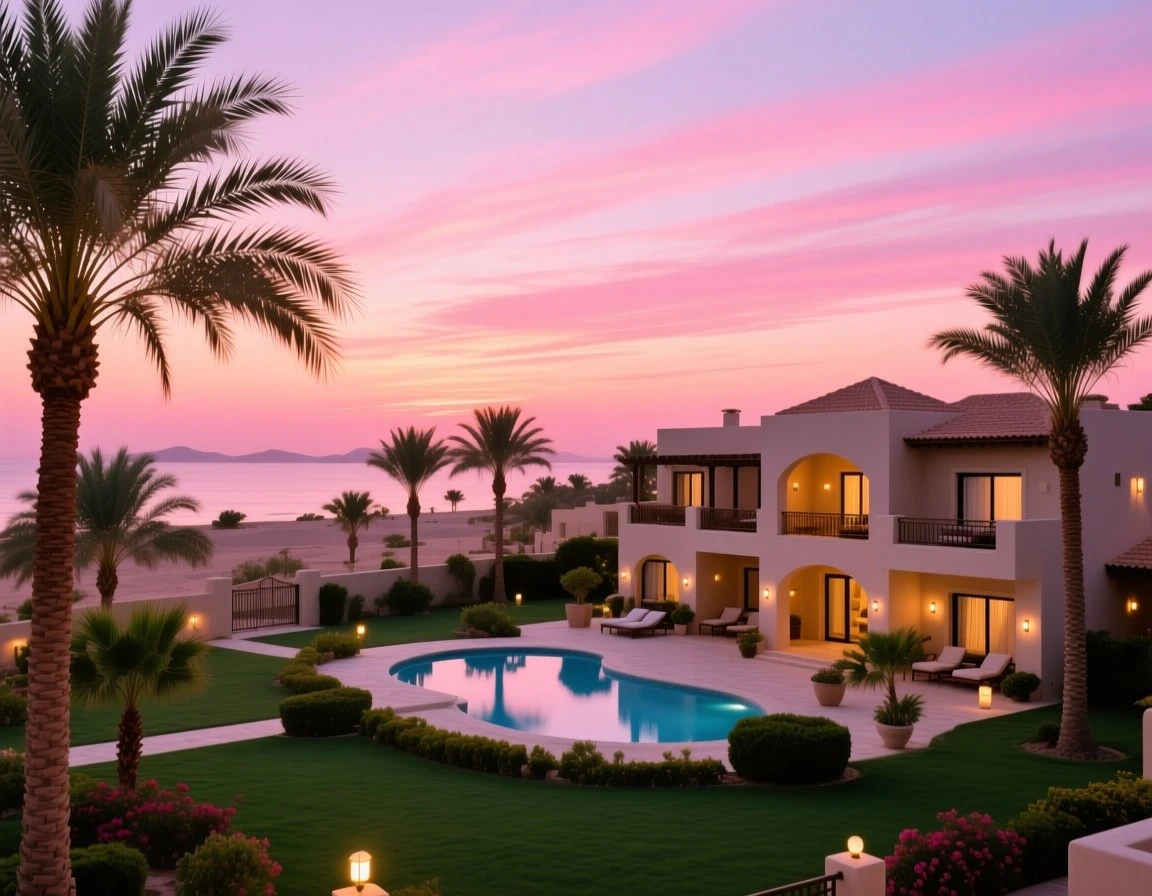
The Red Sea coast of Egypt is one of the most dynamic real estate markets in North Africa, combining year‑round sunshine, coral reefs, and a mix of resort towns and working ports that shape demand for house across the governorate. Buyers find everything from compact holiday bungalows and gated-villa compounds to premium beachfront villas and mixed-use houses next to marinas. Accessibility by road, domestic airports in Hurghada and Marsa Alam, and direct international flights make the region especially appealing to foreign buyers, second‑home purchasers, and investors seeking high seasonal rental demand and steady capital appreciation in the best locations.
🗺️ Red Sea geography, climate, infrastructure and how they influence buying house in Red Sea
The Red Sea governorate stretches along Egypt’s east coast from Hurghada down to the Marsa Alam area, with a climate characterized by dry, warm conditions, coastal breezes and minimal rainfall, creating a year‑round holiday season that fuels short‑term rental revenues. Proximity to coral reefs (Giftun Islands near Hurghada, Elphinstone off Marsa Alam) and diving infrastructure drives demand for beachfront houses and villas that advertise private moorings or easy boat access.
Major transport nodes include Hurghada International Airport (serving charter and scheduled flights across Europe), Marsa Alam Airport for the southern coast, and well‑maintained coastal highways; these factors make houses in resort areas easier to rent and resell, compared with remote desert plots. Urban infrastructure in Hurghada and El Gouna supports supermarkets, international schools and private clinics, while smaller towns like Safaga and El Quseir offer quieter, lower‑entry markets for value buyers.
Tourism, ports and local industry shape the housing market: Hurghada and El Gouna act as tourist and service hubs with high seasonal occupancy, Soma Bay and Sahl Hasheesh are branded resort enclaves with managed communities, and Marsa Alam and El Quseir are growth corridors for eco‑tourism and diving. The result is segmented demand: holiday rental houses in marina zones, long‑stay villas in gated communities for expatriates, and lower‑cost resale houses for local families and workforce housing.
💼 Economy and investment climate in Red Sea and impact on house market in Red Sea
The Red Sea governorate’s economy is tourism‑led, supported by port activity (Safaga, Marsa Gharib) and a modest industrial base; tourist arrivals and occupancy rates directly influence rental yields and short‑term liquidity for houses. Peak seasons see strong occupancy from European and regional tourists, and diversified source markets reduce single‑market risk for rental property owners. Investment appetite increases when airline connectivity expands; airports in Hurghada and Marsa Alam act as catalysts for new house development and resale demand.
Local fiscal environment includes standard Egyptian taxes and fees on transactions; overall tax rates on personal property are moderate compared to many European markets, though buyers face upfront transaction and registration costs. Foreign direct investment and government interest in coastal tourism infrastructure have supported large branded projects and utilities upgrades, improving asset quality and resale prospects for houses within masterplans.
Liquidity and ROI depend on location and product: houses in branded developments (marinas, integrated resorts) typically command higher prices and lower vacancy, while standalone resale houses in secondary towns offer lower entry price but more variable rental demand. Institutional interest in short‑term lets and holiday management increases professionalization of the market and supports stable rental income for investors.
💶 How much House costs in Red Sea — prices, formats and market dynamics
House prices vary widely by city, proximity to the sea, and development standard. Across the region, average prices range from approximately USD 60,000 for modest inland resale houses to over USD 1,000,000 for prime beachfront villas in gated resorts. New developments command premiums; resale stock offers discounts but often requires renovation.
Typical price bands and formats:
- Hurghada (city & marina zones): compact houses and townhouses USD 90,000–350,000; seafront villas USD 300,000–900,000.
- El Gouna (Orascom Development masterplan): townhouses and lagoon houses USD 200,000–600,000; premium villas USD 600,000–2,500,000.
- Soma Bay and Sahl Hasheesh (gated resorts): beach villas USD 250,000–1,200,000; townhouses USD 150,000–450,000.
- Marsa Alam and El Quseir: lower entry for houses USD 60,000–220,000, growing demand for eco‑tourism villas pushing top prices upward.
Market dynamics show steady demand for houses under USD 300,000 from domestic buyers and expatriates, while professional investors target marina and resort properties for higher yields. New developments of house in Red Sea are often sold with staged payments and off‑plan discounts; resale house in Red Sea provides immediate occupancy but may trade at a 5–15% discount relative to new comparable stock.
🎯 Which district of Red Sea to choose for buying house in Red Sea — key cities and micro‑locations
Hurghada (Sakkala, El Dahar, Hurghada Marina, El Gouna corridor) offers the best balance of infrastructure, medical services and year‑round rental demand. Advantages include multiple marinas, proximity to supermarkets and international dive centers, and short domestic flight connections, making it ideal for rental investors and relocating families. Price variability allows buyers to choose compact houses near the city center or larger villas in suburban compounds.
El Gouna (downtown marinas, Mangroovy, Abu Tig) is a premium, fully masterplanned town by Orascom Development with private lagoons, international schools, and on‑site hospitals and hotels; it attracts buyers seeking managed community living, higher resale liquidity and strong seasonal rental yields. Expect higher entry prices but a professional rental market and consistent capital appreciation.
Soma Bay, Sahl Hasheesh and Makadi Bay are branded resort districts with golf courses, five‑star hotels and private marinas; these locations are top choices for premium second homes and seasonal rentals. Advantages include resort amenities, professional management, and higher nightly rates; popular among European buyers seeking turnkey holiday rental properties.
🏗️ Leading developers and new developments of house in Red Sea
Prominent developers active in the Red Sea market include Orascom Development (El Gouna and several Soma Bay projects), the Egyptian Resorts Company (significant footprint in Sahl Hasheesh), and independent resort developers managing gated communities and marina compounds. Hotel operators such as Marriott, Hilton and Steigenberger manage branded properties that often coexist with residential villas and offer rental management programs.
Typical project formats:
- Masterplanned towns with mixed residential and hotel components (El Gouna by Orascom Development).
- Gated villa compounds and beach resorts (Soma Bay developments and Sahl Hasheesh phases).
- Boutique villa clusters and marina-front houses in Hurghada and Makadi with private berths and shared services.
Payment and completion features vary by developer; many offer phased handover, warranties on finishes, and optional rental management agreements. Developers frequently provide off‑plan incentives: staged payments, early‑bird discounts and short interest‑free periods to accelerate sales for houses in Red Sea.
🏦 Mortgage and developer installment terms for house in Red Sea for foreigners
Mortgage availability for foreigners in Egypt exists but is selective: banks typically require proof of income, a local guarantor or residency status and larger down payments. Typical bank mortgage features for non‑resident foreigners:
- Down payment commonly 30–40% of purchase price.
- Loan tenors generally up to 15–20 years for local residents, often shorter for foreigners.
- Indicative interest rates vary depending on currency and bank; rates commonly fall in the mid‑single to low‑double digits annually.
Developer installment plans for house in Red Sea are far more common for foreign buyers: developers offer 0% interest plans for 2–5 years, and extended payment plans with small interest for up to 6–8 years. Standard practices include an initial reservation deposit (5–20%), followed by staged payments tied to construction milestones and a final payment on handover.
📝 Legal process of buying house in Red Sea and mandatory costs
The standard purchase workflow covers selection, reservation deposit, due diligence, signing a Sales and Purchase Agreement (SPA), full payment or financing, and registration at the Land Registry (Tabu). Key steps:
- Conduct title search and confirm the property has a valid Tabu entry or a developers’ title clearance.
- Place reservation with a deposit (commonly 5–10% for new developments).
- Sign SPA and complete milestone payments; register transfer at the Land Registry and obtain the updated Tabu.
Mandatory transaction costs generally include registration/stamp duties and administrative fees (often around 2–3% of the transaction), notary and legal fees (1–2%), and VAT on new unit sales where applicable (standard VAT rate applied to developers). Buyers must allow several weeks to a few months for full registration depending on completeness of documentation.
⚖️ Legal aspects of owning house in Red Sea: taxes, rentals and residency implications
Ownership of house in the Red Sea by foreigners is permitted under Egyptian law with standard property rights recorded in the Tabu, subject to due diligence on historical title and any coastal regulations. Rental activity must comply with local governorate regulations: short‑term holiday lets often require classification and registration when offered commercially; unlicensed hotels or guesthouses can face local enforcement.
Taxes and fees to plan for:
- Transaction registration and stamp duties around 2–3%.
- VAT applied to new developments where the developer is a VAT taxpayer.
- Annual property taxes are calculated per national rules with thresholds and exemptions for primary residences; rental income is taxable under Egyptian income tax laws.
Purchasing a house in Red Sea does not automatically grant a residence permit or citizenship; there is no official citizenship‑by‑investment program tied solely to real estate purchases. Residency options for foreign investors exist through work, long‑term visas or specific investment routes but are subject to separate immigration procedures and thresholds.
🏡 Which buyers should choose house in Red Sea and recommended property types by purpose
Living and relocation: Families relocating to the Red Sea often choose Hurghada or El Gouna for full services, international schooling and medical access; recommended houses are family villas in gated compounds with 3–4 bedrooms and private gardens.
Seasonal residence and holiday use: Buyers seeking a second home commonly select El Gouna, Soma Bay or Sahl Hasheesh for managed beachfront houses or lagoon villas providing turnkey maintenance and rental programs; typical units are 2–4 bedroom beach houses or townhouses with private parking.
Investment and rental: Investors targeting holiday rental income should prioritize marina fronts and branded resorts in Hurghada, El Gouna and Soma Bay, where gross rental yields commonly fall in the 4–8% range depending on seasonality and management. Resale house in Red Sea near marinas or diving hubs often offers the best ROI on house in Red Sea due to consistent tourist demand.
The future prospects for house in Red Sea remain positive as connectivity, resort infrastructure and professionalized property management continue to improve, supporting both seasonal rental income and capital appreciation; buyers who match product choice to location — whether a turnkey beachfront villa in El Gouna or a value resale in Marsa Alam — will find opportunities across entry, mid and premium segments with growing institutional interest and rising occupancy in prime coastal destinations.
Frequently Asked Questions
Across the Red Sea governorate, apartment averages run about $700–1,300 per m², while villas and beachfront homes generally range $1,200–3,000 per m². Typical total prices: modest 2-bedroom apartments $50k–120k, resort villas $150k–800k. Closing and registration commonly take 4–12 weeks from offer to title transfer.
Buying in Red Sea benefits from tourism demand and limited coastal supply. Investors often see gross yields of 5–10% in resort areas and potential capital growth of ~3–7% annually in stable cycles. Expect a 5–10 year horizon for solid capital appreciation and payback for holiday-rental strategies.
Yes, foreigners can buy most residential units in Red Sea cities and resorts. Agricultural land is restricted. Typical transaction steps include offer, contract, payment, and title registration; total time is usually 4–12 weeks. Always verify land use and complete a title search before purchase.
Purchasing property in Red Sea does not automatically grant citizenship. Foreign buyers may apply for residency visas tied to investment or work; initial residency terms are often 1 year and renewable. Citizenship requires long-term legal residency and state approval; timelines vary by individual case.
Short-term holiday rentals in Red Sea resorts commonly achieve 5–10% gross annual yields, with peak occupancy in winter and summer months. Seasonal occupancy typically ranges 40–70% annually; well-managed units can recover purchase costs in about 6–10 years depending on location and pricing.
Key risks in Red Sea include tourism dependence, currency fluctuations, legal/title gaps, and seasonal vacancy. Expect market cycles affecting returns; due diligence and clear title checks reduce legal risk. Plan for a 3–7 year holding period to ride out volatility.
Local bank mortgages for non-residents are limited; many buyers use cash or foreign financing. If a bank loan is available, expect down payments of 30–50% and lending approval to take 4–8 weeks. Currency risk and loan terms should be confirmed before signing contracts in Red Sea.
Typical purchase and registration in Red Sea take 4–12 weeks: offer and deposit (1–2 weeks), contract and due diligence (2–4 weeks), payment and title transfer (2–6 weeks). Delays can occur for mortgage approvals or additional legal checks.
Top-growth pockets in Red Sea include established resort towns and newer coastal developments. Areas with airports and marina access tend to outperform. Expect infrastructure-driven value uplift over a 3–10 year horizon as accessibility and tourism capacity expand.
Transaction costs in Red Sea commonly total 2–6% of sale price (transfer fees, registration, notary). Expect occasional agent fees of 2–5%. Ongoing obligations include municipal charges and taxes on rental income filed annually under Egyptian law. Budget for periodic maintenance and service charges in resort complexes.
Properties by Region
- Houses in Red Sea (19)
Properties by Country
- Real estate in Bulgaria (11408)
- Real estate in Montenegro (5186)
- Real estate in Indonesia (2423)
- Real estate in Spain (2289)
- Real estate in Portugal (1975)
- Real estate in Italy (1910)
- Real estate in Turkey (1699)
- Real estate in Cyprus (1594)
- Real estate in Thailand (1565)
- Real estate in Croatia (1431)
- Real estate in Greece (1082)
- Real estate in USA (1013)
- Real estate in France (1006)
- Real estate in Georgia (519)
- Real estate in Serbia (328)
- Real estate in Slovenia (123)
- Real estate in Egypt (23)
Free real estate consultation in Red Sea
Don't know which area to choose in Red Sea? We will tell you in which areas it is better to live or invest, and show you the appropriate options.

Maria Guven
Head of Direct Sales Department
+90-507-705-8082