


Castle in France


- 🔸 Reliable new buildings and ready-made apartments
- 🔸 Without commissions and intermediaries
- 🔸 Online display and remote transaction

International Real Estate Consultant
Leave a request and our manager will contact you.
International Real Estate Consultant


Weather in France
For Sale castle in France
Castles in Côte d'Azur and Provence
Castles in Nouvelle-Aquitaine
Choosing a property in France for your request
- 🔸 Reliable new buildings and ready-made apartments
- 🔸 Without commissions and intermediaries
- 🔸 Online display and remote transaction
International Real Estate Consultant
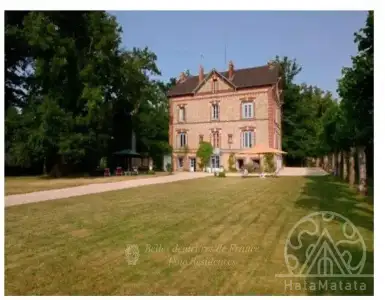
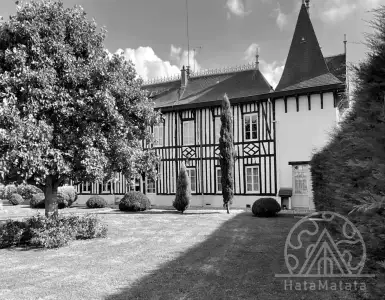
Castles in Normandy
 18
18
 7
7
 750
750
 4
2
175
4
2
175
Castles in Provence-Alpes-Côte d'Azur
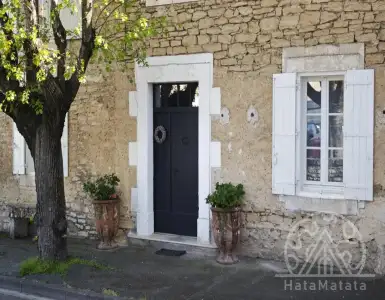
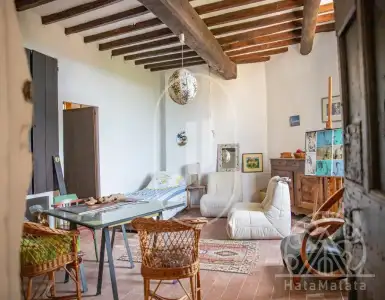
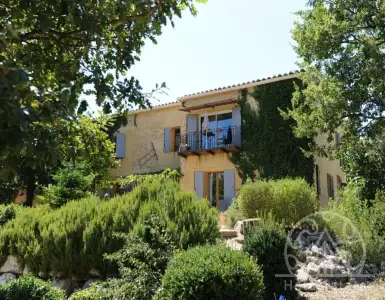
Castles in Occitanie
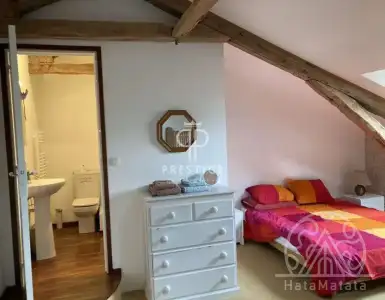
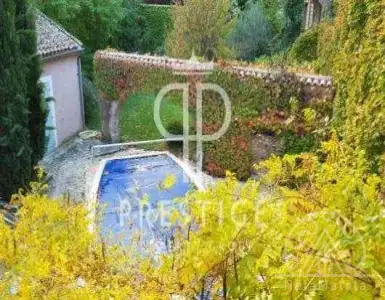
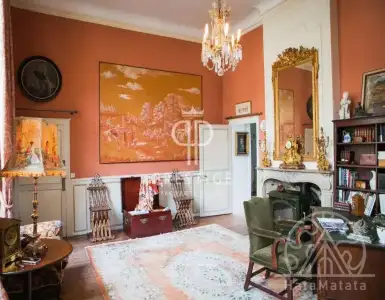
Castle in France
- 🔸 Reliable new buildings and ready-made apartments
- 🔸 Without commissions and intermediaries
- 🔸 Online display and remote transaction
International Real Estate Consultant
Leave a request and our manager will contact you.
International Real Estate Consultant
Individual selection castles in France
Save time — for free we will select objects for your budget and goals
🇫🇷 Château ownership in France: costs, legal requirements and regional considerations
Buying a castle in France is a distinctive combination of heritage, land, and long-term value that appeals to private buyers, second-home seekers, hospitality investors, and institutional buyers. A castle purchase typically means large floor areas (300–3,000 m²), extensive grounds (1–100+ hectares), and unique restoration obligations that affect price, insurance, running costs, and permitted uses. Demand is driven by transport connectivity, proximity to airports and TGV stations, tourism volumes, planning restrictions (Monuments Historiques status), and regional market liquidity. For anyone ready to Buy castle in France, realistic budgeting must include acquisition price, immediate restoration or modernization costs often starting at $200,000–$2,000,000, annual maintenance, and taxes.
🏰 How France location factors shape demand for Castle in France
France’s geography and climate create distinct micro-markets for castles from the damp, green pastures of Normandy to the sun-drenched limestone plateaus of Provence. Buyers prioritize climate and landscape: châteaux with river frontage on the Loire benefit from year-round tourism; hilltop bastides in Provence attract seasonal luxury rentals; forested estates in Dordogne and Brittany are valued for privacy and hunting. Transport infrastructure such as TGV lines (Paris–Lyon, Paris–Bordeaux, Paris–Nice), major international airports (Charles de Gaulle, Nice Côte d’Azur, Lyon-Saint Exupéry, Bordeaux-Mérignac), and motorway networks shape which castles are marketable for short-stay rentals or weekend second homes. Urban and business centers push different demand dynamics: castles within 1–2 hours of Paris (Val-d’Oise, Eure-et-Loir, Yvelines) command a premium for weekend buyers and corporate retreats, while properties near Bordeaux, Lyon, and Marseille combine wine or vineyard potential with access to export infrastructure and corporate centers. Local tourism infrastructure—chambres d’hôtes, Relais & Châteaux hotels, Michelin restaurants, and heritage trails—boosts short-stay rental demand and can lift yields by 2–4 percentage points versus unsupported rural assets. Regulatory factors and landscape protections (Natura 2000 sites, Monuments Historiques listings) influence permitted works and tax relief options; properties listed as Monuments Historiques may qualify for income-tax-deductible restoration costs, which can alter long-term cash flows and preservation obligations. Accessibility, protected-lands status, and nearby amenities like hospitals and schools further determine long-term owner occupancy and market liquidity.
💼 Economy and investment climate for Castle in France
France is a major European economy with a broad services sector, strong tourism engine, and significant foreign direct investment into real estate, all of which support the high-end heritage market. As one of Europe's largest economies, France’s GDP sits in the multi-trillion-dollar range, supported by a diversified base spanning finance in Paris, technology clusters in Île-de-France and Lyon, and global ports in Marseille and Le Havre. Strong tourism flows—tens of millions of international visitors annually—underpin demand for hospitality conversions and short-stay rentals of historic properties. Fiscal and regulatory context matters: corporate tax rates and the personal tax scale influence operating costs for commercial uses; the French tax system includes property transfer duties, annual property taxes, and the wealth tax on real estate above the threshold for non-exempt owners (IFI). These elements affect the liquidity and attractiveness of an Investment castle in France because ongoing costs and tax relief options (e.g., Monuments Historiques deductions) feed directly into net operating income and ROI projections. Macro-economic stability, predictable legal process through French notaires, and strong domestic demand provide resilience versus purely speculative sectors. However, castles are inherently niche: market liquidity is lower than for apartments or villas, and the ROI on castle in France is typically correlated to location, permitted commercial use, and successful repositioning (boutique hotel, events venue, long-term rental). Investors should model conservative occupancy and an expected holding horizon measured in decades rather than years.
💶 How much Castle costs in France
Price ranges for castles vary dramatically by region, condition, historic status, and plot size; planning and restoration need drive total investment. Typical asking prices in US dollars converted from common market levels are:
- Loire Valley (Amboise, Saumur, Tours area): $700,000 – $12,000,000; floor areas 400–2,500 m², land 1–50 ha.
- Dordogne / Périgord (Sarlat, Bergerac): $300,000 – $6,000,000; ideal for hospitality conversions and private estates.
- Provence-Alpes-Côte d’Azur (Avignon outskirts, Luberon): $1,200,000 – $20,000,000+; premium for restored stone bastides and hilltop manors.
- Bordeaux region (Saint-Émilion, Médoc): $1,000,000 – $30,000,000 for vineyards with château homes and commercial potential.
- Normandy / Brittany (Deauville, Bayeux, Rennes): $400,000 – $8,000,000; strong weekend market from Paris and northern Europe.
Property formats and market dynamics:
- Restored heritage château: $1M–$15M, limited renovation, premium finishes.
- Ruin or heavy restoration need: $300k–$1.5M, higher future capex.
- Château with vineyard/winery operations: $2M–$50M+ depending on vineyard classification and production.
- Smaller manor houses marketed as “mini-châteaux” (200–500 m²): $400k–$2M.
Market trends show renewed interest in experiential stays and event venues; Rental yield for castle in France commonly ranges from 2% to 6% gross, rising to 6–8% in active hospitality conversions with high occupancy and corporate events. Expect higher yields in Dordogne and parts of Normandy for short-stay tourism, and lower yields but stronger capital-growth potential near Bordeaux and Provence.
🎯 Which region of France to choose for buying castle
Choosing a region depends on investor goals—residential privacy, hospitality revenue, vineyard operations, or prestige ownership. Key regions and their specific appeals:
- Loire Valley (Tours, Amboise, Saumur)
- Infrastructure: TGV to Tours, proximity to Paris by 1.5–2.5 hours.
- Appeal: UNESCO heritage corridor, wedding and tourism demand, strong domestic buyer interest.
- Typical prices: $700k–$12M; many buyers convert to B&Bs or private estates.
- Dordogne (Périgueux, Sarlat)
- Infrastructure: regional airports (Bergerac), road links to Bordeaux and Toulouse.
- Appeal: English-speaking buyer base, lower acquisition costs, strong holiday rental market.
- Typical prices: $300k–$6M.
- Provence and Côte d’Azur (Aix-en-Provence, Avignon outskirts)
- Infrastructure: Nice and Marseille airports, TGV links.
- Appeal: luxury leisure market, event rental income, international buyer demand.
- Typical prices: $1.2M–$20M+.
- Bordeaux / Gironde (Saint-Émilion, Médoc)
- Infrastructure: Bordeaux-Mérignac airport, high-speed rail to Paris.
- Appeal: wine tourism integration, premium resale prospects.
- Typical prices: $1M–$30M.
- Normandy and Brittany (Deauville, Bayeux)
- Infrastructure: easy road and rail access to Paris, regional airports.
- Appeal: weekend market for Parisian buyers, coastal tourism, equestrian and agricultural estates.
- Typical prices: $400k–$8M.
Each region has differing foreign buyer prevalence, with British, American, Benelux, and Scandinavian buyers prominent in Dordogne and Normandy, while Middle Eastern and Russian buyers historically targeted Provence and the Côte d’Azur luxury segment.
🔨 Developers, agencies and projects offering Castle in France
Transactions and restorations are led by established luxury agencies, heritage organizations, and restoration specialists that dominate the château market.
- Major real estate and brokerage names active in château sales:
- Sotheby’s International Realty France
- Barnes International Realty
- Knight Frank
- Leggett Immobilier
- Local specialist brokers often listed under “Châteaux & Patrimoine” segments.
- Heritage and restoration organizations:
- Fondation du Patrimoine, which provides funding and advice for restoration.
- Regional DRAC (Direction Régionale des Affaires Culturelles) offices that oversee listed monuments.
- Relais & Châteaux brand partnerships for hotel conversions enhance marketing and revenue potential.
- Project types and notable initiatives:
- Conversion projects to boutique hotels and wedding venues in Loire Valley and Provence promoted by private investment groups and hospitality operators.
- Vineyard-linked château developments around Bordeaux and Médoc combining land, brand, and commercial cellars.
These actors provide professional valuations, project management for restoration under Monuments Historiques rules, and marketing to international buyers. Working with recognized agencies like Sotheby’s or Barnes often improves access to vetted listings and due-diligence support.
🏦 Mortgage France for foreigners and financing options for castle in France
Foreign buyers can access financing but should expect stricter underwriting and higher initial capital needs than domestic buyers. Typical bank expectations and products:
- Loan-to-value and down payments:
- French banks typically require 20–40% down payment for non-residents on residential or mixed-use châteaux.
- For larger commercial conversions or vineyard operations, equity requirements often rise to 30–50%.
- Rates, terms and conditions:
- Competitive mortgage offers for prime borrowers generally range from 2.5% to 4.5% (fixed or variable) depending on borrower profile and loan term.
- Maximum amortization often 15–25 years, sometimes longer for mixed-use commercial underwriting.
- Bank requirements and documentation:
- Proof of income, tax returns, asset statements, business plans for hospitality conversions, and valuation reports.
- Non-resident accounts and French tax registration are commonly required; banks may require a French notary or solicitor involvement.
- Seller/developer financing and installments:
- castle in France with mortgage is common through major banks; vendor financing or structured castle in France with installment plan options exist for specific sellers and restoration projects, typically with staged payments tied to renovation milestones.
Foreign investors should secure mortgage pre-approval before making offers; many banks will issue conditional approvals based on survey and notary checks.
📝 Legal process to buy castle in France and steps for buyers
Buying a château follows a structured legal route led by a French notaire (notary) and includes statutory steps that affect timelines and costs.
- Step-by-step framework:
- Obtain financing pre-approval and commission specialist surveys (structural report, asbestos, lead, termites, DPE energy certificate).
- Sign a compromis de vente or promesse de vente with deposit (commonly 5–10% of the purchase price) that sets conditions precedent such as mortgage approval.
- Notary conducts title checks, cadastre verification, and prepares the acte authentique; period between preliminary contract and final signing typically 2–3 months, longer if mortgage or permits are involved.
- Payments and registration:
- Balance paid at signing through notary-managed escrow; notary registers the sale with the French land registry and pays transfer taxes on buyer’s behalf.
- Additional costs include notary fees and transaction taxes often totaling ~7–8% on older properties (variable by department) and lower VAT exposure for new builds.
- Practical checks specific to castles:
- Check Monument historique status and any public easements, servitudes, or agricultural rights; verify water rights and hunting rights attached to large estates.
- Confirm planning permissions for intended commercial uses, events hosting, or subdivision.
Using experienced bilingual notaires and heritage specialists minimizes risk and speeds the Legal process to buy castle in France.
⚖️ Property taxes and legal ownership rules for castle in France
Ownership of a château carries ongoing obligations and potential tax advantages; foreign ownership has specific implications.
- Regular taxes and charges:
- Taxe foncière (land tax) and municipal taxes; taxe d’habitation largely reformed but may still apply in certain contexts.
- Transfer duties (droits de mutation) and notary fees on purchase, commonly ~7% for older properties; exact rates vary by department.
- Wealth tax on real estate (IFI) applies above the threshold of €1.3M (around $1.4M), which affects high-value château owners.
- Rental rules and commercial operations:
- Short-term rentals require registration with some municipalities and compliance with safety, sanitary and insurance standards. Converting to a hotel or chambre d’hôtes triggers commercial obligations, social contributions, and VAT regimes where applicable.
- Monuments Historiques owners can deduct restoration costs against French taxable income under set rules, improving cash-flow for restorations.
- Residency and investor visas:
- Purchasing real estate alone does not automatically grant residency; Buy castle as a foreigner in France is permitted, but Residence permit through castle investment in France or Golden visa through castle investment in France are not standard pathways—the property purchase does not directly provide a golden visa or automatic residence; visa eligibility must follow France’s immigration rules such as long-stay visas, work permits, or business investment routes that meet specific job-creation or business thresholds.
Legal counsel is essential to navigate property tax filings, rental licensing, and cross-border taxation.
🏡 Best purposes for buying castle in France and recommended locations
Different buyer objectives align with specific regions and property types; practical matches include:
- Private residence / relocation
- Best: Loire Valley, Dordogne, Normandy for accessible family living with strong local services.
- Typical format: restored château with modernized utilities, 300–1,000 m² living area.
- Seasonal or second home
- Best: Provence, Côte d’Azur for seasonal luxury; Dordogne for quieter countryside escapes.
- Typical format: hilltop bastide or fortified manor, turnkey properties priced $1M+ in Provence.
- Short-stay rental and events business
- Best: Loire Valley, Provence, Bordeaux for weddings and corporate retreats.
- Typical format: restored château with nearby airports/TGV and parking; yields vary 2–8%.
- Vineyard and agribusiness investment
- Best: Bordeaux, Languedoc, Rhône valley for integrated wine production and brand potential.
- Typical format: château with cellar and vineyard acreage; capex and operating models are capital intensive.
- Long-term investment and prestige ownership
- Best: Versailles outskirts, Bordeaux, Provence for capital stability and international buyer appeal.
- Typical format: highly restored château, low liquidity but high prestige and steady appreciation.
Match purpose to region, infrastructure, and permitted uses to validate projected ROI on castle in France and rental scenarios.
The market outlook for castles in France remains anchored by strong international interest in heritage assets, stable tourism flows, and supportive heritage frameworks that can reduce restoration costs for listed buildings; however, buyers should expect long holding periods, significant maintenance budgets, and cyclical liquidity that favors well-positioned properties near transport hubs, established tourist circuits, or wine-producing regions. Financing is available to qualified non-residents, and specialist brokers and heritage organizations provide the expertise needed to manage complex restorations and commercial conversions, making the purchase of a Castle in France a feasible move for private buyers and investors who plan carefully and account for restoration, operating costs, and regulatory obligations.
Frequently Asked Questions
What do castles in France cost?
Prices vary widely: modest châteaux or ruins often start around $150,000 (€140k), restored small castles $500k–$1.1M (€470k–€1M), mid‑range historic castles $1.1M–$5.5M (€1M–€5M) and landmark properties or estates can exceed $5.5M–$55M (€5M–€50M+). Condition, size, grounds and listed status drive prices and renovation needs affect total spend.
Can owning a castle help with French residency options?
France has long‑stay visas and residence permits (work, family, retirement/visitor, business/investor routes). Property ownership alone doesn’t automatically grant residency or citizenship. You can use a French address when applying, but you must meet visa income, insurance and legal criteria or qualify under a business/investor program to obtain a permit.
Can foreigners buy property in France?
Yes. There are no general restrictions on foreign buyers buying real estate in France. Transactions follow national rules: preliminary contract, notary completion and registration. Non‑residents should plan for taxes, financing requirements and a typical completion timeline of 1–3 months after a signed pre‑contract.
What are typical transaction fees when buying real estate in France?
For resale properties expect notary and transfer costs around 7%–8% of the purchase price; for new builds 2%–3%. Add agent fees if applicable and notary disbursements. Mortgage arrangement or bank fees and possible expert/survey costs add to upfront expenses.
Can I get a mortgage for a French castle as a foreigner?
Yes, French banks and lenders commonly finance non‑residents. Typical loan‑to‑value: 60%–70% for non‑residents, up to ~80% for residents. Loan terms commonly 15–25 years. Lenders require proof of income/assets, credit checks and a French bank account; property condition and market value affect approval.
What taxes apply to owning a castle in France?
Owners pay annual property taxes (taxe foncière; taxe d’habitation has been reduced for main residences), income tax on rental income, and capital gains tax on sales (with reliefs after long ownership). Wealth tax on real estate (IFI) applies above €1.3M of net real estate assets. Tax treatment varies for residents vs non‑residents.
What rental yields can I expect from a castle in France?
Castle yields are generally lower than standard homes due to high upkeep: typical gross yields range roughly 1%–5% depending on location, condition and rental model. Event or luxury holiday rentals can boost income seasonally, but net yields may be depressed by maintenance, staffing and restoration costs.
How are short-term rentals of castles regulated in France?
Short‑term lettings are allowed but subject to national tax rules and frequent local registration/licensing. Municipalities can apply restrictions, especially in tourist hubs, so owners must register properties where required, declare rental income for tax, and comply with local safety and zoning rules to avoid fines.
What legal checks should I do before buying a castle in France?
Essential due diligence: confirm title and boundaries, check servitudes/easements, verify planning/building permits, check heritage or protected status (Monument historique), order structural and pest surveys, review sewage and environmental constraints, and ensure clear planning history. Do these during the pre‑contract phase.
How much does renovating and maintaining a castle cost?
Renovation varies widely: basic refurbishment may run $300–$1,200+/m² (€280–€1,100+/m²); major restorations or heritage work can exceed $1,200–$3,500+/m² (€1,100–€3,200+/m²). Annual maintenance and operating costs commonly equal ~1%–3% of property value, plus periodic major restoration budgets.
Real estate types in France
- Flats in France (532)
- Houses in France (180)
- Villas in France (136)
- Penthouses in France (13)
- Shops in France (4)
- Hotels in France (3)
Real estate types by regions of France
- Castles in Occitanie (16)
Properties by Region
- Castles in Occitanie (25)
Properties by Country
- Real estate in Bulgaria (11446)
- Real estate in Montenegro (5337)
- Real estate in Spain (5197)
- Real estate in Indonesia (2424)
- Real estate in Turkey (2317)
- Real estate in Portugal (2037)
- Real estate in Croatia (1682)
- Real estate in Cyprus (1647)
- Real estate in Italy (1579)
- Real estate in Thailand (1565)
- Real estate in Greece (1120)
- Real estate in France (1070)
- Real estate in USA (732)
- Real estate in Georgia (507)
- Real estate in Serbia (246)
- Real estate in Slovenia (125)
- Real estate in Egypt (20)
Don't know where to start buying a property in France?
Leave a request and receive free advice on prices, taxes, residence permits and the real estate market. in France.

Maria Guven
Head of Direct Sales Department
+90-507-705-8082