


Flat in France


- 🔸 Reliable new buildings and ready-made apartments
- 🔸 Without commissions and intermediaries
- 🔸 Online display and remote transaction

International Real Estate Consultant
Leave a request and our manager will contact you.
International Real Estate Consultant

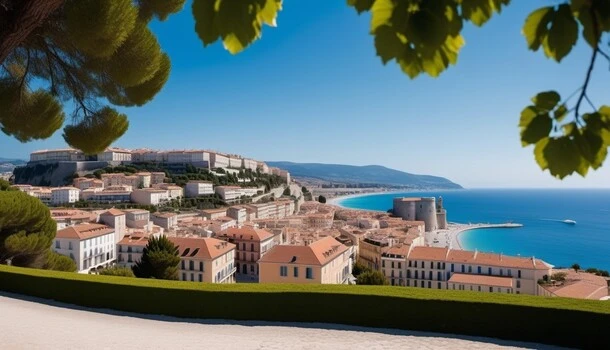




Weather in France
For Sale flat in France
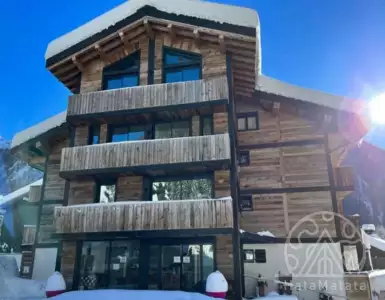
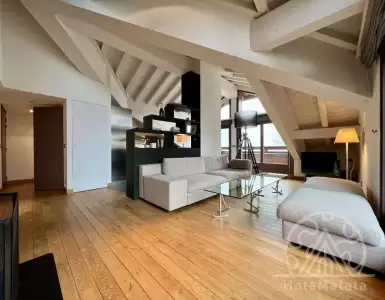
Flats in The French Alps

 6
6
 146
146
 2
2
 2
110
2
110
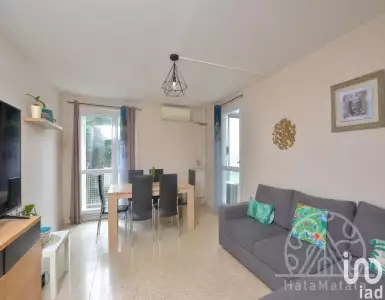
Flats in Occitanie

Choosing a property in France for your request
- 🔸 Reliable new buildings and ready-made apartments
- 🔸 Without commissions and intermediaries
- 🔸 Online display and remote transaction
International Real Estate Consultant
Flats in Other regions of France

Flats in Southern France
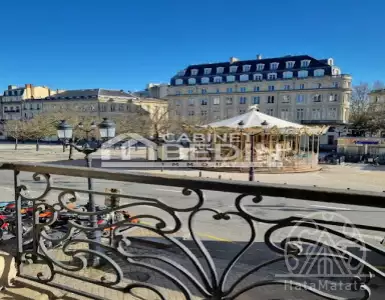
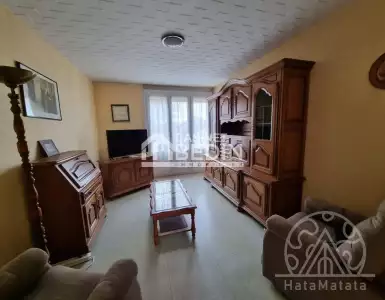
Flats in Côte d'Azur and Provence
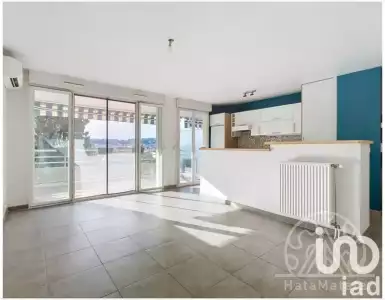
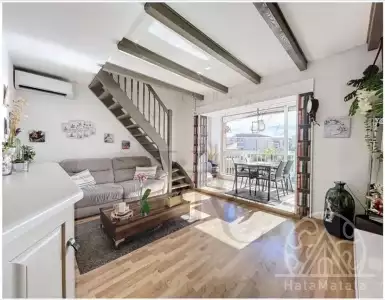
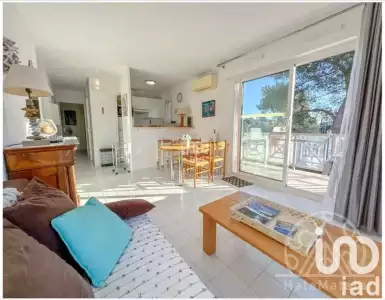
Flats in Paris and the suburbs

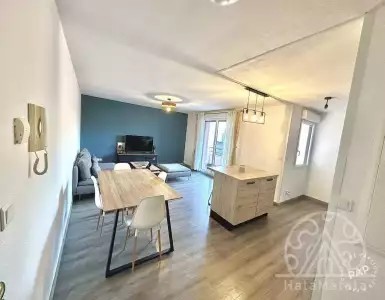
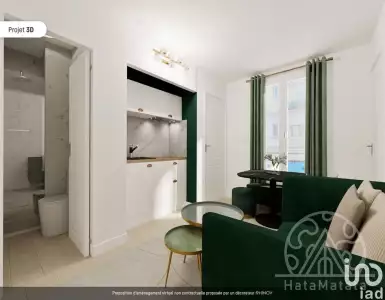
Flat in France
- 🔸 Reliable new buildings and ready-made apartments
- 🔸 Without commissions and intermediaries
- 🔸 Online display and remote transaction
International Real Estate Consultant
Leave a request and our manager will contact you.
International Real Estate Consultant
Individual selection flats in France
Save time — for free we will select objects for your budget and goals
🇫🇷 Flats in France: Prices, taxes, legal process and regional market differences
France offers a varied, resilient market for anyone considering to Buy flat in France — from private buyers seeking a pied-à-terre to institutional investors seeking stable returns. Geographic diversity from Parisian boulevards to the Côte d’Azur, strong transport links by TGV and international airports, and an established legal framework make purchasing relatively predictable. Important decision drivers include location-driven price per square meter, local rental markets, regulatory taxes, and construction type — new-build (VEFA) versus resale — all of which shape demand and liquidity for a Flat in France.
🧭 How geography and infrastructure in France determine demand for flats
France’s geography concentrates demand in major urban corridors such as Île-de-France, Auvergne-Rhône-Alpes and Provence-Alpes-Côte d’Azur, while coastal and alpine zones create holiday demand. Paris and La Défense dominate business and high-yield rental demand, the French Riviera (Nice, Cannes, Antibes) attracts international luxury buyers, and ski towns (Chamonix, Courchevel, Méribel) support seasonal markets. Transport hubs including Charles de Gaulle, Lyon-Saint Exupéry, Nice Côte d’Azur and the TGV network directly boost prices and rental yields near stations and airports.
Local climate patterns influence buyer preferences: milder Atlantic and Mediterranean climates favor long-term residences and short-term tourism rentals, while alpine zones enable high nightly rates in winter months. Proximity to hospitals (AP-HP in Paris), universities (Sorbonne, Université de Lyon, Université de Bordeaux), and business districts (La Défense, Euralille, Confluence in Lyon) increases tenant demand and resale liquidity.
Urban planning projects — Grand Paris Express, Bordeaux urban regeneration, Euroméditerranée in Marseille, and Confluence in Lyon — create identifiable investment corridors where flats for sale can appreciate faster than national averages while benefiting from improved infrastructure and services.
💶 How the economy and investment climate in France influence Flat purchases
France is one of Europe’s largest economies with a diversified GDP supported by industry, services and tourism, attracting both corporate expatriates and international buyers. Stable macroeconomic fundamentals, substantial inbound tourism (among the world’s largest destinations), and a mature legal framework support long-term Investment flat in France strategies. GDP scale and business services concentration around Paris and Lyon underpin consistent rental demand from professionals.
Taxation and regulatory complexity affect net returns: social charges, income tax on rentals for residents, and property-related taxes are significant considerations for investors assessing ROI on flat in France. Political stability and transparent courts enhance seller and lender confidence, improving market liquidity.
The tourism flow and workforce mobility create segmented rental markets: short-term vacation rentals on the Riviera and Alps, long-term professional rentals in Paris and Lyon, and student housing in Toulouse and Lille — all of which underpin differing risk profiles and expected yields.
💶 How much Flat costs in France and price segmentation
Prices vary dramatically by city, neighbourhood and property condition. Entry-level studios and small flats in provincial cities contrast with premium central Parisian apartments and Riviera residences. Typical price ranges and formats include:
- Paris (Île-de-France): average $11,000–$18,000/m²; studio $150,000–$700,000, 2–3 room flats $600,000–$3,500,000.
- Lyon: $5,000–$8,500/m²; typical 50–80 m² flats $250,000–$680,000.
- Marseille: $3,200–$5,500/m²; coastal districts higher.
- Nice / Cannes: $6,000–$12,000/m² for central and seafront.
- Bordeaux, Nantes, Toulouse, Montpellier: $3,500–$7,500/m² depending on centrality and new-build status.
New developments (VEFA) typically carry lower transfer taxes and modern specifications; transaction costs for resale properties are around 7–8% of price, while new-build notary and registration fees are closer to 2–3%. Rental yield for flat in France: gross yields commonly range 2–7% depending on location and property type, with Paris at the low end and provincial/student or tourist markets at the higher end.
🎯 Which cities and regions in France offer the best prospects for buying flats
Paris remains the primary choice for capital preservation and stable demand; neighbourhoods such as Le Marais, Saint-Germain, and the 16th arrondissement are perennial favorites. Lyon’s Confluence and Presqu’île benefit from corporate expansion and TGV links to Paris. The Provence-Alpes-Côte d’Azur cluster (Nice, Cannes, Antibes) is preferred for luxury and seasonal rental markets. Bordeaux benefits from high-speed rail links and urban renewal projects; Montpellier and Toulouse attract students and tech professionals, enhancing rental absorption.
Infrastructure in these nodes supports both long-term rental demand and short-stay tourism: Gare du Nord, Gare de Lyon, Lyon Part-Dieu, Marseille Saint-Charles, Nice Côte d’Azur each anchor strong submarkets. Price differentials reflect this: central Paris premiums, Riviera seafront premiums, and university-city discounts producing different flat purchase costs in France and investor returns.
Foreign buyers often target Paris, the Riviera, Bordeaux and ski resorts for prestige and liquidity; secondary cities like Nantes, Angers and Rouen are popular with buy-to-let investors seeking higher yields and lower entry prices.
🏗️ Which developers and projects in France lead the market for flats
Major national developers with repeatable quality and delivery include Bouygues Immobilier, Nexity, Vinci Immobilier, Kaufman & Broad, Icade, Altarea, Eiffage Immobilier. Notable developments and urban projects where flats are actively marketed include: Grand Paris Express-related programmes, Euralille, Euroméditerranée (Marseille), Confluence (Lyon), and Bordeaux Barbey / Bastide regeneration.
These developers offer a range from affordable urban compact units to high-end marina-front apartments; VEFA contracts with such firms typically include staged payments and builder guarantees (décennale). Mixed-use projects often combine retail, offices and residences to enhance long-term value; for example, Vinci and Nexity frequently deliver complexes near major stations and business districts where rental demand is high.
Investor-focused projects provide features like furnished units for tourism rental, co-ownership management (syndic professionnel), and energy-efficient labels (RT/RE standards), which improve appeal to international buyers seeking turnkey assets.
🏦 Mortgage and installment options in France for foreign buyers
French banks and international lenders provide mortgages to non-residents; Mortgage France for foreigners typically requires a higher down payment and proof of income or foreign assets. Common parameters include: loan-to-value (LTV) of 60–80% for foreigners, down payments often 20–40%, and repayment terms of 10–25 years depending on age and income. Interest rates vary by profile and loan type, with fixed and variable options available.
Buyers can obtain a flat in France with mortgage when presenting ID, proof of income, tax returns, and a French bank account; banks may require life and repayment insurance (assurance emprunteur) and a guarantor or higher equity for riskier profiles. Developer financing for new builds often uses staged payment schedules; flat in France with installment plan via VEFA allows payments at construction milestones (reservation deposit, signing, completion payments) with reduced upfront costs compared to full cash purchase.
Mortgage offers should be compared including insurance and fees; specialist international mortgage brokers can package deals and handle documentation in English, which is particularly useful for non-French-speaking buyers.
🧾 Step-by-step Legal process to buy flat in France
The buying process typically starts with a reservation or offer, followed by signing the compromis de vente (preliminary contract) or a reservation contract for VEFA; a deposit of commonly 5–10% secures the unit. A statutory cooling-off period of 10 days applies for private individuals after signing the preliminary contract.
Notary involvement is mandatory for final deeds; the notaire conducts title searches, verifies liens, and handles tax registration. For resales, the final deed is usually executed within 2–3 months of the compromis; for new-builds, completion varies with construction timelines and can exceed a year. Buyers must budget for notary fees, agency commissions where applicable, and any renovation or furnishing costs.
The Legal process to buy flat in France includes due diligence on co-ownership (copropriété) rules, condominium charges, building diagnostics (DPE, asbestos, lead), and confirmation of planning consents; foreign buyers should engage a bilingual notaire or legal counsel to ensure clarity on contractual clauses and obligations.
⚖️ Legal obligations, taxes and residency implications for flats in France
Property ownership carries recurring levies: taxe foncière (land tax) for owners and, in some cases, taxe d’habitation for occupants, though primary residence reliefs exist. Capital gains tax applies to non-primary residence disposals with specific allowances and potential residency-based exemptions; social charges can affect overall tax on rental income for non-resident sellers. Property taxes in France for foreigners are levied the same way as for residents, with reporting obligations to French tax authorities.
Short-term rentals are regulated in many cities; Paris and some coastal municipalities require registration and sometimes transformation permits to change a residential flat into a tourist rental; heavy fines can apply for non-compliance. Renting long-term requires registration for furnished/unfurnished status and adherence to tenant protection laws that favour stability.
Purchasing a Flat in France does not automatically grant residency or citizenship; Residence permit through flat investment in France and Golden visa through flat investment in France are not standard French policies — property ownership alone does not create a right to a residency permit or citizenship, though large-scale business investments and job creation may qualify under specific immigration pathways.
🏡 Which buyer profiles suit Flat purchases in France and recommended locations
Buy-to-let investors seeking long-term stability often target Paris, Lyon or university cities (Toulouse, Lille) for steady occupancy and professional tenants; Investment flat in France here suits condos of 30–80 m² with proximity to transport hubs. Buyers seeking holiday rental income target Nice, Cannes, Biarritz, or Alpine resorts (Courchevel, Chamonix) with larger seasonal returns but higher management overhead and regulatory scrutiny.
Families relocating to France often prefer suburbs with schools and green spaces: Île-de-France periphery, Bordeaux suburbs, Nantes, and Rennes, choosing 3–4 bedroom flats or townhouses near metro lines and international schools. Expats working in tech clusters prefer Grenoble, Toulouse and Sophia Antipolis for proximity to industry parks and research centres.
High-net-worth individuals and prestige buyers typically seek Parisian Haussmann apartments, Riviera waterfront penthouses, or renovated châteaux-flats in Loire and Bordeaux regions; these properties command premium pricing but offer rarity and long-term capital preservation.
France’s market outlook for flats blends stable domestic demand with international interest: urban regeneration, ongoing transport upgrades and constrained housing supply in major cities support price resilience and steady rental markets. Demand segmentation — luxury, student, tourism and professional rentals — offers diversified strategies for yield and capital appreciation; careful selection by neighbourhood, developer reputation, and legal due diligence are decisive for maximizing ROI on flat in France and achieving long-term ownership success.
Frequently Asked Questions
How much do flats cost in France?
Prices vary widely by location: Paris prime €8,000–€15,000+/m²; major cities €3,500–€7,500/m²; smaller cities €1,200–€3,000/m²; rural areas €800–€1,800/m². Typical 1–3 room flats can range from ~€100,000 in small towns to €1M+ in central Paris. Use per‑m² benchmarks to compare offers.
Does buying a flat help with residency in France?
France issues long‑stay visas and residence permits (long‑stay visa, Passeport Talent, family reunification, long‑term resident). Owning a flat does not automatically grant residency or citizenship. Property can support applications as proof of accommodation and assets, but immigration status depends on the visa/permit criteria.
What taxes apply when buying a flat in France?
Purchase taxes include transfer duties and notaire fees (typically ~7–8% on existing properties; lower for new builds at ~2–3% though VAT may apply). Annual costs include taxe foncière and, for some, taxe d'habitation rules. Rental income is subject to French income tax rules and social contributions where applicable.
How do French mortgages work for flat buyers?
Mortgages commonly run up to ~25 years with fixed or variable rates. LTVs often 70–90% for residents and 60–80% for non‑residents. Banks require proof of income, stability, and usually a French bank account; lending follows debt‑to‑income limits (commonly ~33%). Arrangement and notary fees may apply.
What are typical co-ownership charges for a flat?
Copropriété charges cover communal maintenance, heating, lifts, insurance and a reserve fund. Expect roughly €20–€200+/month depending on building size and services. Always review the last 3 years of charges, the syndic reports and the règlement de copropriété before buying.
Can I rent out a flat in France short-term or long-term?
Long‑term lets follow tenant‑friendly national rules; security deposit usually 1 month for unfurnished, up to 2 months for furnished. Short‑term rentals often require municipal registration and can be limited in major cities. Rental income must be declared under French tax regimes.
How do energy rules affect flat purchases in France?
Sellers must provide a DPE (energy performance certificate) and other diagnostics. Very low‑efficiency flats (‘passoires énergétiques’) face rental restrictions and possible mandatory renovation duties. Check the DPE rating and estimated upgrade costs before buying.
What closing costs should I expect when buying a flat?
Closing costs include notaire fees and transfer taxes, mortgage setup fees, mandatory diagnostics and possible surveys. For existing flats expect ~7–8% of the purchase price; for new builds around ~2–3%. Diagnostics often cost €200–€800 depending on property size.
How liquid is the market for selling a flat in France?
Liquidity varies: Paris and major cities typically sell faster (often 1–4 months); smaller towns and rural areas can take 3–9 months. Well‑priced flats with good DPE and condition sell quicker. Offers follow a compromis de vente, with deposits commonly 5–10%.
Is France good for relocating and remote work?
France offers high quality of life, universal healthcare, strong schools, and extensive transport networks. Cost of living is higher in Paris and lower in many regions. Urban flats usually have reliable broadband for remote work; check local speeds and visa rules for long‑term remote employment or freelancing.
Real estate types in France
- Houses in France (180)
- Villas in France (136)
- Castles in France (90)
- Penthouses in France (13)
- Shops in France (4)
- Hotels in France (3)
Real estate types by regions of France
Properties by Region
- Flats in Occitanie (25)
Properties by Country
- Real estate in Bulgaria (11433)
- Real estate in Montenegro (5336)
- Real estate in Spain (5197)
- Real estate in Indonesia (2424)
- Real estate in Turkey (2317)
- Real estate in Portugal (2037)
- Real estate in Croatia (1682)
- Real estate in Cyprus (1647)
- Real estate in Italy (1578)
- Real estate in Thailand (1565)
- Real estate in Greece (1120)
- Real estate in France (1070)
- Real estate in USA (732)
- Real estate in Georgia (507)
- Real estate in Serbia (246)
- Real estate in Slovenia (125)
- Real estate in Egypt (20)
Don't know where to start buying a property in France?
Leave a request and receive free advice on prices, taxes, residence permits and the real estate market. in France.

Maria Guven
Head of Direct Sales Department
+90-507-705-8082