


House in France


- 🔸 Reliable new buildings and ready-made apartments
- 🔸 Without commissions and intermediaries
- 🔸 Online display and remote transaction

International Real Estate Consultant
Leave a request and our manager will contact you.
International Real Estate Consultant
 Irina Nikolaeva, Southern Europe Real Estate Expert
Updated:
Irina Nikolaeva, Southern Europe Real Estate Expert
Updated:

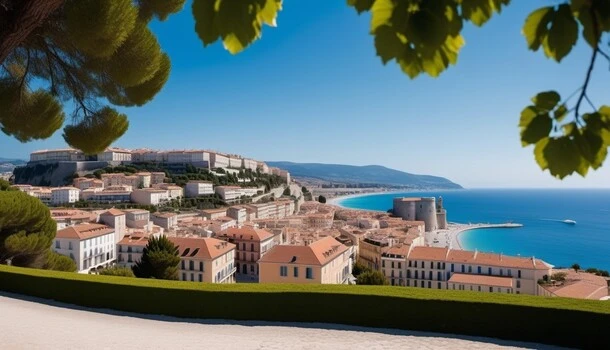


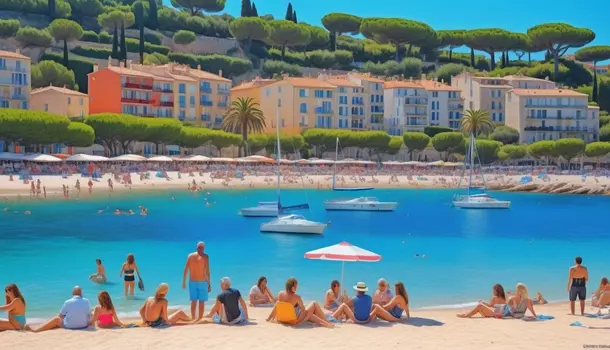

Weather in France
For Sale house in France
Houses in The French Alps
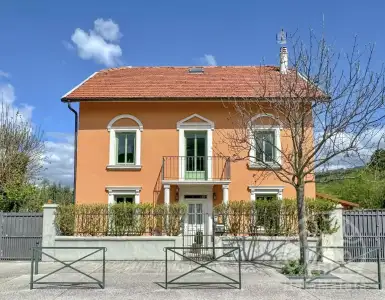


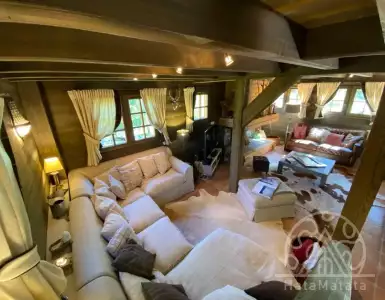

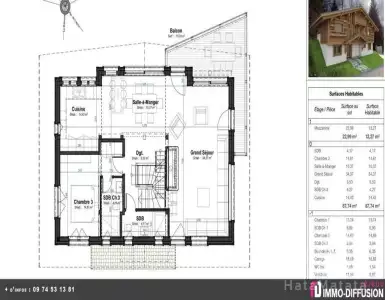
Houses in Nouvelle-Aquitaine
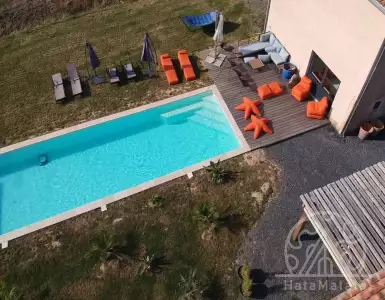
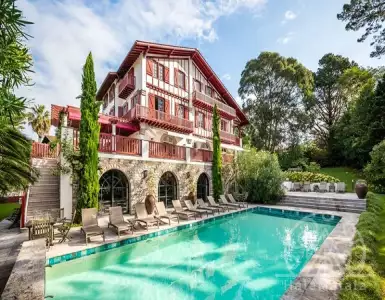
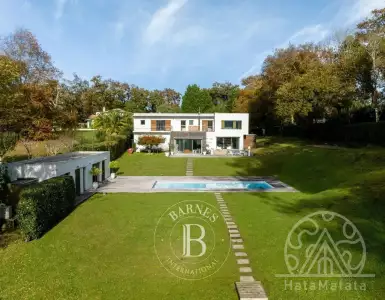
Choosing a property in France for your request
- 🔸 Reliable new buildings and ready-made apartments
- 🔸 Without commissions and intermediaries
- 🔸 Online display and remote transaction
International Real Estate Consultant
Houses in Southern France
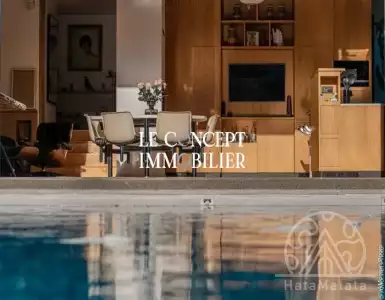
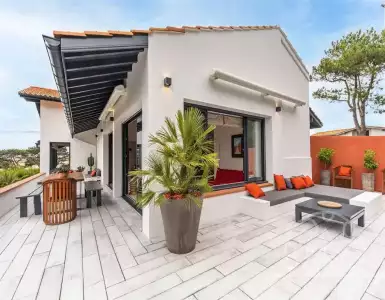
Houses in Other regions of France
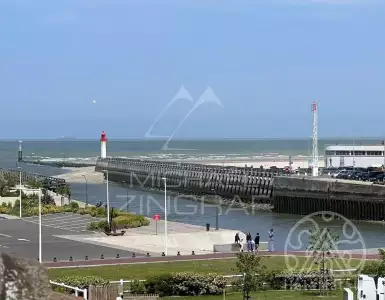
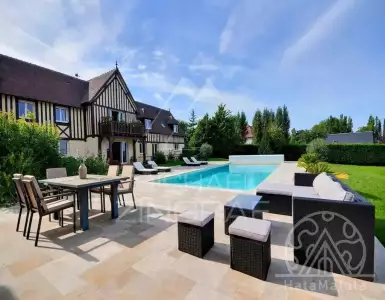
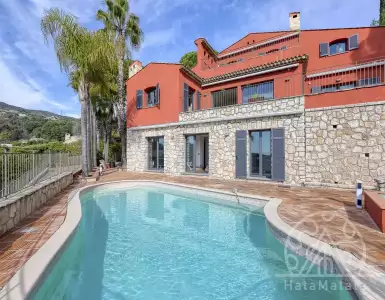
Houses in Côte d'Azur and Provence
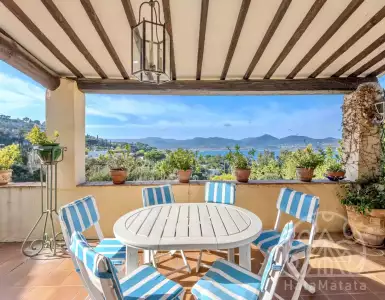
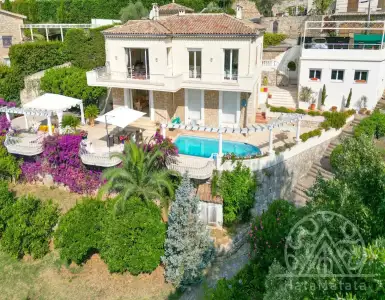
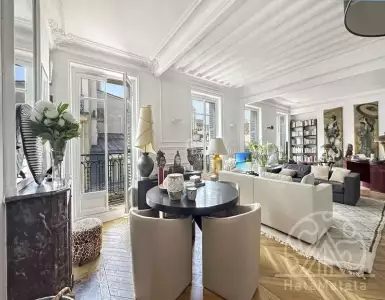
Houses in Paris and the suburbs
House in France
- 🔸 Reliable new buildings and ready-made apartments
- 🔸 Without commissions and intermediaries
- 🔸 Online display and remote transaction
International Real Estate Consultant
Leave a request and our manager will contact you.
International Real Estate Consultant
Individual selection houses in France
Save time — for free we will select objects for your budget and goals
 Legal review:
Deni Gerikhanov, International Real Estate Lawyer
Legal review:
Deni Gerikhanov, International Real Estate Lawyer
 Financial review:
Evgeniya Skripko, Financial Expert in International Real Estate
Reviewed:
Financial review:
Evgeniya Skripko, Financial Expert in International Real Estate
Reviewed:
🇫🇷 House in France: regional prices, notary fees, mortgage rules and legal requirements
France is one of the world’s most diversified housing markets for buyers and investors: from Parisian townhouses and Île-de-France family homes to Provencal mas, Côte d'Azur villas and Alpine chalets. Location, transport links (TGV, international airports such as Charles de Gaulle, Nice Côte d'Azur, Lyon-Saint Exupéry), local economic hubs (Paris-Saclay, Sophia Antipolis), and tourism flows shape demand and pricing more than anything else. Whether you plan to Buy house in France for primary residence, seasonal rental, or as an Investment house in France, understanding micro-markets, developer reputations, mortgage conditions and legal obligations is essential for liquidity and long-term ROI on house in France.
🗺️ How geography and infrastructure in France shape demand for House in France
France’s geography creates clearly segmented markets: metropolitan cores, coastal resorts, wine regions, and mountain resorts, each with distinct demand drivers and seasonality. Coastal areas on the Côte d'Azur (Nice, Cannes, Saint-Tropez) and island-like Sanary/Porquerolles attract high-net-worth buyers and short-term tourists; Alpine markets (Chamonix, Courchevel, Méribel) depend on ski-season rental demand; rural Dordogne and Brittany draw long-stay second-home buyers and retirees. Infrastructure such as TGV lines linking Paris–Lyon–Marseille and high-capacity airports significantly raises prices within commute ranges. Local transport and services change liquidity: communes with a TGV station or metro extension (e.g., Lille-Europe, Gare de Lyon, suburban RER nodes) see stronger buyer pools and faster resale. Business clusters — Paris-La Défense, Paris-Saclay, Sophia Antipolis — create steady demand for family houses and rental properties from employees and executives. Urban renewal projects and ports also shift patterns: La Confluence in Lyon, Les Bassins à Flot in Bordeaux, and Euroméditerranée in Marseille have spurred new build houses and townhouses near regenerated amenities, elevating price per square meter and attracting both domestic and foreign buyers.
💶 How France’s economy influences buying House in France
France’s diversified economy, large domestic market, and mature tourism industry support residential demand and liquidity for sellers and institutional investors. GDP and employment concentration in Île-de-France, Auvergne-Rhône-Alpes and Provence-Alpes-Côte d'Azur underpin steady absorption of family houses and investment stock. Strong inbound tourism — millions of annual arrivals to Paris, Provence and the Riviera — boosts short-term rental markets and seasonal occupancy. Tax and regulatory frameworks affect net returns: taxable rental income, property taxes and social charges reduce net cash flow, while stability of capital markets and transparent legal processes support long-term capital appreciation. Foreign direct investment and wealthy buyers from Northern Europe, the UK, Middle East and Asia continue to target trophy houses in Paris and the Riviera. Macro conditions influence financing availability and pricing for investors seeking leverage: changes in interest-rate trends and lending appetite of major French banks (BNP Paribas, Société Générale, Crédit Agricole, HSBC France) change how attractive leveraged purchases are, therefore affecting ROI on house in France.
💶 How much House costs in France
Prices vary widely by format, region and proximity to transport hubs. Typical price ranges in US dollars illustrate the spread for buyers evaluating House for sale in France:
- Paris and inner suburbs: $10,000–$18,000 per m² for townhouses and central houses; small courtyard houses often start around $1.2M–$4M.
- Côte d'Azur (Nice, Cannes, Saint-Tropez): $5,000–$20,000 per m² for villas; standalone villas typically $800k–$50M depending on sea view and plot.
- Lyon, Bordeaux: $3,500–$7,500 per m²; family houses range $400k–$3M.
- Provence, Aix-en-Provence, Avignon: detached mas and villas $500k–$6M; per m² $3,000–$9,000 in premium enclaves.
- Normandy, Brittany, Dordogne: country houses and stone cottages $150k–$900k; per m² $1,200–$3,500. New-build vs resale:
- New developments (VEFA) carry lower transfer taxes; expect 2–3% of purchase price in fees plus developer charges; resale properties incur ~7–8% in notary/transfer costs.
- Market trends show higher demand for houses with green retrofit potential and energy-efficient ratings, which can command premiums.
🎯 Which cities and regions in France attract buyers of House in France
Buyers target cities where infrastructure, rental demand and lifestyle intersect. Key regions and their appeal:
- Île-de-France (Paris suburbs): commuter accessibility, top schools, corporate HQs; demand strongest in Versailles, Neuilly-sur-Seine, Boulogne and Saint-Germain-en-Laye.
- Provence-Alpes-Côte d'Azur: luxury lifestyle, international airports, seaside rental demand in Nice, Cannes, Antibes, and the technical cluster Sophia Antipolis.
- Auvergne-Rhône-Alpes (Lyon, Annecy, Grenoble): strong local economy, tech and industrial jobs, mountain access for leisure buyers and short-term rental markets.
- Nouvelle-Aquitaine (Bordeaux, Biarritz, Arcachon): viticulture proximity, airport links, rising prices since urban renewal projects like Les Bassins à Flot.
- Overseas and rural zones: Dordogne, Brittany, Normandy attract buyers seeking value and longer-term seasonal rentals. Infrastructure and rental demand details:
- TGV/airport access increases year-round rental occupancy and resale speed.
- Tourist magnets show high seasonal occupancy but also stricter short-term rental regulations in cities such as Paris and Nice.
🏗️ Who builds houses in France — leading developers and projects offering House in France
Major national developers active in housing markets include:
- Nexity — wide range of new residential programs nationwide, strong presence in Île-de-France and regional capitals.
- Bouygues Immobilier — mixed-use developments and suburban housing estates, active on large regeneration sites.
- Kaufman & Broad — prime urban and suburban projects with townhouse formats and low-rise developments.
- Vinci Immobilier and Eiffage Immobilier — large-scale regeneration and eco-district projects. Representative projects and urban sectors where houses are available:
- Paris Rive Gauche (mixed residential townhouses and gardens).
- La Confluence in Lyon (new-town townhouses and family homes near the Presqu’île).
- Les Bassins à Flot in Bordeaux (riverside housing near new amenities).
- Euroméditerranée in Marseille (brownfield-to-residential conversion). Buyers seeking developer-sold houses will encounter standardized warranties (decennial insurance) and staged payment schedules under VEFA contracts.
🏦 How mortgages and installment plans work for foreign buyers in France
Foreigners commonly obtain financing from French banks; typical conditions are:
- Down payments generally 20–30% of purchase price for non-residents; banks may request higher equity depending on nationality and income stability.
- Loan terms usually up to 20–25 years; interest rates vary by lender and borrower profile; major banks offering mortgages include BNP Paribas, Crédit Agricole, Société Générale, HSBC France.
- Required documents: proof of income, tax returns, bank statements, identification, French bank account for repayments; some lenders require a guarantor or mortgage insurance. Developer and seller installment options:
- New-build VEFA: staged payments tied to construction milestones; initial deposit typically 5–10%, followed by progressive draws and final payment at delivery.
- Some developers and private vendors offer short-term seller financing or structured installment plans for international buyers, subject to credit checks. Keywords to note: Mortgage France for foreigners and house in France with mortgage are available but terms depend on lender risk assessment and property type.
🧭 Step-by-step Legal process to buy house in France
The standard purchase process emphasizes legal certainty and notary oversight:
- Search and offer: buyer makes an offer (offre d'achat) or signs a preliminary sales contract (compromis de vente) with a deposit of 5–10%; a statutory cooling-off period follows.
- Due diligence and diagnostics: seller must provide mandatory technical reports — energy performance (DPE), lead, asbestos, termite, gas and electricity safety certificates — which influence negotiations and insurance.
- Mortgage and final deed: once financing is secured, the notaire prepares the acte de vente; on signing the notarial deed and payment of the balance, ownership is transferred and registration completed by the notaire. Costs and timelines:
- Typical resale timeline from compromis to acte is 2–3 months; VEFA and construction projects follow contracted schedules.
- house purchase costs in France include notary and registration fees (~7–8% resale, 2–3% new), agency fees where applicable, and potential mortgage arrangement fees.
⚖️ Legal ownership, taxes and rental rules for foreigners owning House in France
Foreign ownership rights are secure and identical to residents with the same title deeds; however tax obligations differ:
- Annual local taxes include taxe foncière (property tax) and, for second homes, potential higher local levies; taxe d'habitation has been phased out for many primary residences but can still apply in some cases for secondary homes.
- Rental income is taxable in France; landlords choose between micro-foncier or régime réel for unfurnished rentals and specific regimes for furnished rentals, with social contributions potentially applicable to non-resident owners.
- Short-term rentals face municipal regulations: Paris requires registration and, in some cases, change-of-use permissions; many coastal and Alpine resorts have local rules to control STR supply. Residence and citizenship:
- Buying property does not automatically grant a Residence permit through house investment in France or a Golden visa through house investment in France; property ownership does not replace immigration procedures or visa requirements.
🏘️ Which purposes suit buying House in France and where to look
Different buyer goals map to distinct locations and property types:
- Primary residence and relocation: Paris suburbs, Lyon, Bordeaux — family houses near schools and transport corridors; typical sizes 100–250 m² for family homes.
- Seasonal and luxury second homes: Côte d'Azur, Provence and island locations for villas with sea views; premium properties often 3–10+ bedrooms and private gardens or pools.
- Ski-resort investment and short-term rental: Alpine resorts (Chamonix, Courchevel, Méribel) — chalets and maisonettes with high seasonal rates but substantial management costs.
- Long-term rental investment: university towns (Toulouse, Grenoble, Nantes) and business hubs (Paris-Saclay, Sophia Antipolis) offer stable tenant demand and rental yield for house in France between 3–6% in many regional markets.
- Family and lifestyle buyers: Dordogne and Brittany deliver value-for-money country houses and stone properties ideal for multi-generational use or B&B conversions.
France’s housing market remains a balance of strong demand in gateway cities and lifestyle-driven pockets along the coast and mountains, with liquidity supported by transparent notarial procedures, established developer pipelines and available financing for non-residents. Investors should weigh gross rental yields against taxes, maintenance and regulatory restrictions on short-term rentals; buyers focusing on capital appreciation will find the highest long-term uplift near economic clusters like Île-de-France, Lyon and Bordeaux and in refurbished urban quarters such as La Confluence or Les Bassins à Flot. If you plan to Buy house as a foreigner in France, prepare for detailed due diligence, realistic mortgage discussions, and clear plans for tax and rental management to secure the best ROI on house in France and robust Rental yield for house in France.
Frequently Asked Questions
Can foreigners buy a house in France?
Yes. France allows non-EU buyers full ownership rights with no citizenship requirement. Transactions follow the same legal process for residents; banks, notaries, and local registers handle title. Some sectors (agriculture, sensitive border areas) may have extra rules, but for normal residential property foreigners face no general prohibition.
How much does a house cost in France on average?
Nationally, the typical existing house price is roughly €240,000–€280,000, with average price per m² around €2,500–€3,000. Big disparities exist: Paris averages over €10,000/m², while rural departments often fall below €1,500/m². Prices vary by region and property type.
Will buying property in France give me a residence permit or citizenship?
No automatic residency or citizenship. Property purchase does not grant a ‘golden visa’ in France. Non-EU buyers must obtain a long-stay visa or residence permit through work, family, retirement, or investment-based immigration routes. Citizenship is possible after typically five years of legal residence, language and integration requirements apply.
What taxes and transaction costs should I expect when buying in France?
For existing homes expect notary and registration fees of about 7–8% of price; for new builds 2–3%. Deposit usually 5–10% on signature; 10-day cooling-off period for buyers. Ongoing costs: taxe foncière and utilities; capital gains tax base 19% plus social contributions ~17.2% (with exemptions after 22–30 years depending on tax type).
Can non-residents get a mortgage in France and on what terms?
Yes. French banks lend to non-residents commonly up to 70–85% LTV depending on profile. Typical fixed rates vary by term and profile (roughly 2.5–4.5% as a benchmark range). Expect standard underwriting, proof of income/assets, and a few weeks to two months for approval and completion.
What rental yields can investors expect in France?
Gross yields vary: Paris central yields are low (around 2–3%), major regional cities 3.5–5%, and smaller towns or peripheral areas 4–7%+. Short-term tourist rentals can boost income but involve extra fees and vacancy seasonality. Net yields depend on taxes, management costs and financing.
Are short-term holiday rentals restricted in France?
Yes. Many cities (Paris, Nice, Lyon, etc.) require registration numbers, occupancy limits, and sometimes authorisation for primary-residence conversions. Fines for non-compliance can be significant. Rules differ by municipality; check local mairie requirements before listing.
Which French regions tend to offer the best long-term appreciation?
Prime long-term growth historically in Paris and inner suburbs, Côte d'Azur, Bordeaux, and some along the Atlantic coast. Secondary growth possible in dynamic regional capitals (Lyon, Nantes, Montpellier). Rural and shrinking areas offer lower liquidity and slower appreciation; market cycles typically show 3–10 year regional divergences.
How quickly can I sell a house in France if I need liquidity?
Liquidity varies: in prime urban markets a well-priced property can sell in 1–3 months; in many regional towns 3–9 months; remote rural properties can take 9–18+ months. Speed depends on price, condition, seasonality and marketing. Expect additional 4–8 weeks for legal completion after agreement.
Is buying a house in France a good option for capital preservation and diversification?
France offers euro-denominated assets, a stable legal system and a large market—useful for preservation. Consider risks: regional price dispersion, transaction costs (7–8%), and taxation. For diversification combine locations/types; hold horizon of 5–10 years for smoother returns and to mitigate transaction and tax drag.
Real estate types in France
- Flats in France (532)
- Villas in France (136)
- Castles in France (90)
- Penthouses in France (13)
- Shops in France (4)
- Hotels in France (3)
Real estate types by regions of France
Properties by Region
- Houses in Occitanie (25)
Properties by Country
- Real estate in Bulgaria (11422)
- Real estate in Montenegro (5401)
- Real estate in Spain (5199)
- Real estate in Turkey (2789)
- Real estate in Indonesia (2424)
- Real estate in Portugal (2037)
- Real estate in Croatia (1692)
- Real estate in Cyprus (1621)
- Real estate in Italy (1580)
- Real estate in Thailand (1565)
- Real estate in Greece (1120)
- Real estate in France (1070)
- Real estate in USA (732)
- Real estate in Georgia (507)
- Real estate in Serbia (251)
- Real estate in Slovenia (125)
- Real estate in Egypt (20)
Don't know where to start buying a property in France?
Leave a request and receive free advice on prices, taxes, residence permits and the real estate market. in France.

Maria Guven
Head of Direct Sales Department
+90-507-705-8082