


Real Estate in Peloponnese
- ✓ Verified properties directly from developers
- ✓ No overpayments or commissions
- ✓ Guarantee of transaction purity and post-purchase support

International Real Estate Consultant
Leave a request and our manager will contact you.
International Real Estate Consultant
 Irina Nikolaeva, Southern Europe Real Estate Expert
Updated:
Irina Nikolaeva, Southern Europe Real Estate Expert
Updated:
Hot Deals

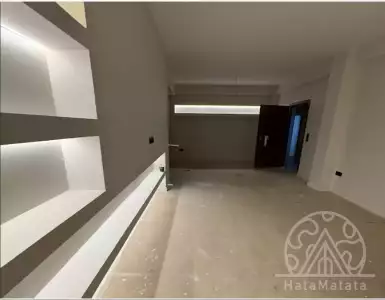
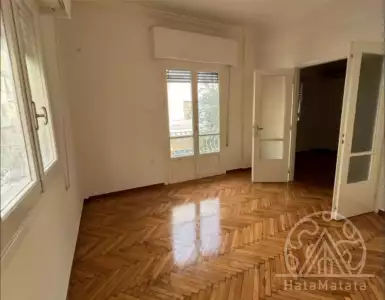
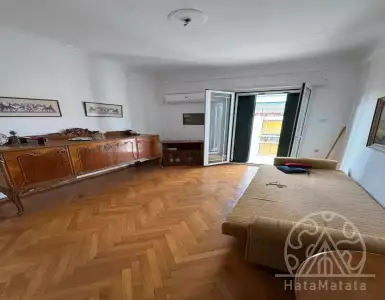
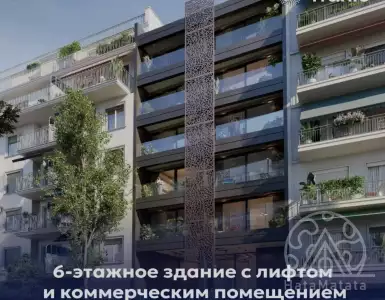
For Sale Real Estate in Peloponnese
Recommended to see
 1
1
 37
37
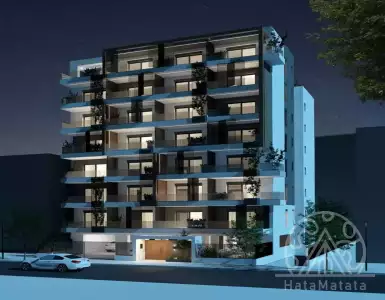
With great pleasure we present to your attention a new project in the prestigious area of Kallifea, consisting of...
Submit Request
 1
17
1
17
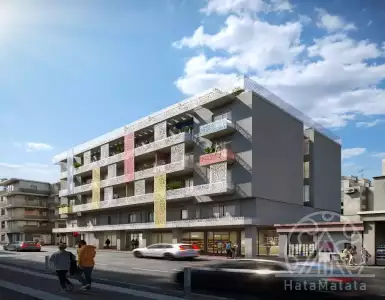
We present you with a unique project for the construction of student, corporate housing, which is a...
Submit Request
 6
6
 6
160
6
160
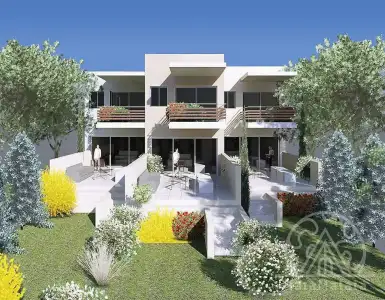
are three luxurious city centre houses sold as a package and situated in the highly desirable neighborhood of Ano Glyfada...
Submit Request
 1
1
45
1
1
45
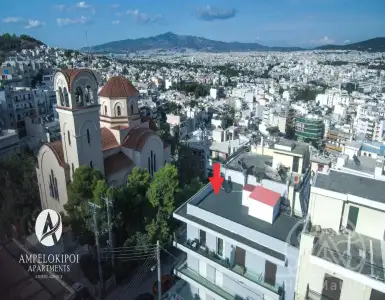
is a luxurious city center apartment situated in the highly desirable neighborhood of Ambelokipi in Athens. Known for its preference...
Submit Request
 1
410
1
410
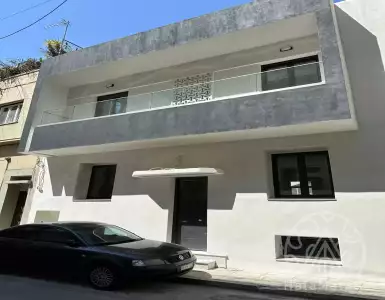
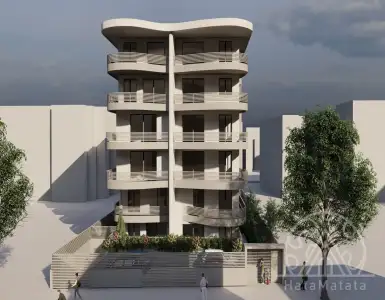
Discover city life at its best! Discover our stunning 4-story building in Kato Patissia, featuring four unique apartments designed specifically...
Submit Request
 3
130
3
130
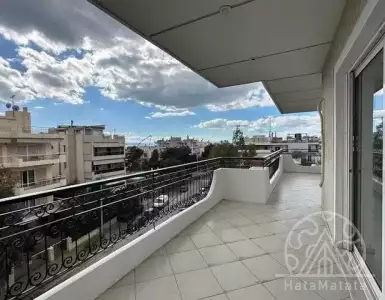
Apartment for sale in Glyfada. It is located on the 3rd floor and has a living area of 130 square...
Submit Request
 3
150
3
150
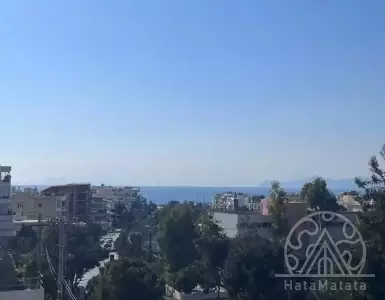
Penthouse for sale in Glyfada with sea view. Located on the 4th floor, 150 sqm. It consists of: 3 bedrooms,...
Submit Request
 2
78
2
78
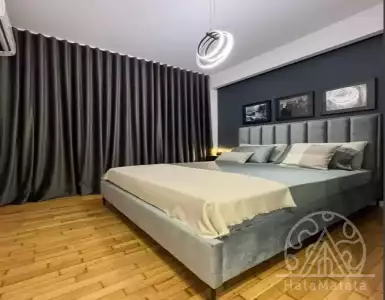
First class real estate in Kolonaki! Luxury 1st floor apartment in the heart of Kolonaki, with a serene private courtyard....
Submit Request
 4
420
4
420
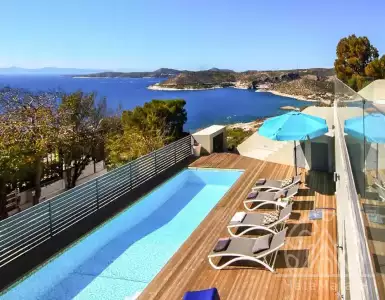
A detached villa in Altea Agia Marina with an area of 420 square meters with panoramic sea views from all...
Submit Request
 2
94
2
94
The apartment offers comfort and luxury in a quiet area, as it is located in a very convenient location, just...
Submit Request
 2
1
50
2
1
50
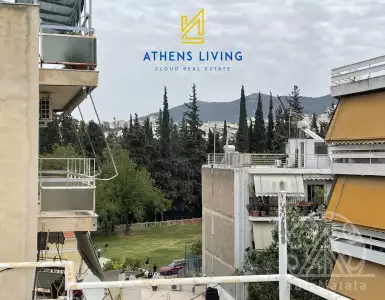
Apartment for sale, floor: 3rd, 3-storey building with a communal terrace and fantastic views of Mount Imittos and Strefi Park,...
Submit Request
 4
1
127
4
1
127
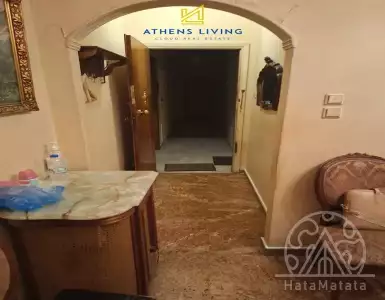
The apartment for sale is located on the 3rd floor of a building in the area of Patission Avenue -...
Submit Request

Didnt find the right facility?
Leave a request - we will handle the selection and send the best offers in a short period of time



Irina Nikolaeva
Sales Director, HataMatata
Real Estate in Peloponnese
- ✓ Verified properties directly from developers
- ✓ No overpayments or commissions
- ✓ Guarantee of transaction purity and post-purchase support
International Real Estate Consultant
Leave a request and our manager will contact you.
International Real Estate Consultant
Need help choosing real estate in Peloponnese?
Leave a request and we will select the 3 best options for your budget
 !
!
Sell duplex in Glyfada, Greece 1 905 020 $
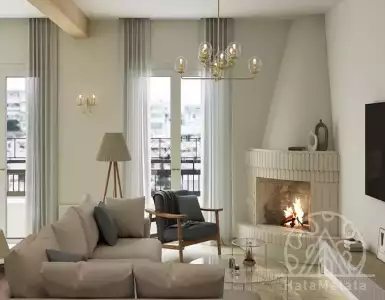
Duplex Penthouse 150.50 sq.m. on the 4th & 5th Floors with a Private Swimming Pool An impressive newly built 150.50 sq.m....
 !
!
For sale Penthouse in Pire, Greece 381 004 $
Luxury penthouse in the suburbs of Athens with an area of 96 sq.m. "turnkey" with all the amenities is perfect...
 Legal review:
Deni Gerikhanov, International Real Estate Lawyer
Legal review:
Deni Gerikhanov, International Real Estate Lawyer
 Financial review:
Evgeniya Skripko, Financial Expert in International Real Estate
Financial review:
Evgeniya Skripko, Financial Expert in International Real Estate
🇬🇷 Peloponnese & Central Greece real estate: coastal villas, city flats and rural plots
Peloponnese welcomes buyers with a mix of seaside resorts, agricultural towns, historic hilltop villages and modern regional centres. The region spans Messinia, Laconia, Argolis, Arcadia, Achaea and Corinthia, offering coastal living on the Messenian Gulf and the Argolic Gulf, inland properties around Tripoli and clean-air mountain settings in Taygetos. Climate averages range from mild Mediterranean winters with 8–12°C coastal lows to hot, dry summers often exceeding 30°C on the coast, making the area attractive for year-round living and tourism-driven rental income.
Property seekers find strong seasonal demand along the Costa Navarino corridor (Pylos, Kalamata), in historic Nafplio (Argolis), and in luxury pockets around Porto Heli and Spetses, while inland towns such as Tripoli and Sparta offer lower entry prices and stable local rental markets. Local infrastructure improvements — motorway A7 (Moreas), Kalamata International Airport and the Rio–Antirrio bridge connection to the mainland — have improved accessibility and investor interest, underpinning steady capital appreciation in coastal zones.
🏙️ City and region overview Peloponnese lifestyle and climate
Peloponnese blends traditional Greek village culture with upgraded leisure facilities: marinas, championship golf at Costa Navarino, and archaeological sites like Ancient Olympia and Mycenae. Coastal towns feature pebble and sandy beaches: Voidokilia and Kalamata Bay in Messinia, Karathona in Nafplio, and Elafonisos beaches in Laconia. Inland, the Taygetos and Parnon ranges supply hiking, mountain villages and microclimates that appeal to buyers seeking quieter lifestyles.
Peloponnese lifestyle is driven by tourism seasons but increasingly supports year-round residents thanks to improved health services, international schools in regional centres and expanding remote-work communities. Local gastronomy, olive oil production and small-scale wineries add lifestyle value and support agritourism opportunities, a significant factor for investors targeting experiential rentals or boutique hospitality conversions.
Peloponnese offers climate resilience advantages: lower humidity compared with some mainland coastal belts and abundant sunshine, which supports solar-ready developments and reduced heating costs for long-term residents. These factors translate into targeted buyer demand and predictable seasonal rental peaks for investment property in Peloponnese.
💶 Property prices in Peloponnese by district and type
Prices vary significantly between luxury resort pockets and inland towns; expect wide ranges depending on location, sea view, and finish. Coastal premium districts command top prices while inland and secondary towns remain affordable for entry-level investors. Below are indicative ranges and typical product sizes.
- Prices by districts:
- Costa Navarino / Pylos (Messinia): €3,000–€10,000 / m² for villas; apartments €2,000–€4,500 / m²
- Nafplio (Argolis): €1,500–€3,500 / m² for town apartments; renovated old-town properties up to €4,500 / m²
- Kalamata (Messinia): €900–€2,200 / m² for apartments; suburban villas €1,400–€3,500 / m²
- Porto Heli / Spetses corridor: €4,000–€12,000 / m² for luxury villas
- Tripoli, Sparta, Corinthia towns: €700–€1,500 / m² for resale apartments
- Prices by property category:
- Apartments: entry-level coastal towns €900–€1,800 / m²; premium coastal €2,000–€4,500 / m²
- Villas and detached homes: standard detached houses €1,200–€3,500 / m²; high-end villas €3,000–€12,000 / m²
- Commercial units and retail: central high-street retail spaces €1,200–€3,500 / m² depending on footfall and town Recent dynamics show coastal resort corridors experiencing the strongest growth driven by international demand and upgraded hospitality projects, while inland areas exhibit slower, steadier price growth, making them attractive for value buys and rental yield optimisation.
🚉 Transport and connectivity Peloponnese road, air and sea links
Peloponnese connectivity centres on major motorways and regional airports that directly affect property demand and commuting feasibility. Motorway A7 (Moreas) links Athens to Corinth, Tripoli and Kalamata, reducing road times for buyers commuting from Athens or transporting guests, while the Rio–Antirrio bridge offers a fast connection to Western Greece and ferry ports. Kalamata International Airport provides scheduled international and domestic flights, improving tourism inflows and short-term rental occupancy.
Seaports such as Patras (ferry links to Italy), Kyllini (ferries to Zakynthos), and smaller marinas in Porto Heli and Pylos support both private yachting and charter tourism, a direct plus for luxury villa owners. Average drive times: Athens to Nafplio ~1.5–2 hours, Athens to Kalamata ~3–3.5 hours, Patras to Athens ~2–3 hours depending on traffic and route, figures that guide buyers choosing between weekend relocation and long-term moves.
Public transport inside the region is modest compared with urban centres but improving: intercity buses (KTEL) connect main towns, and regional ferries link islands and peninsulas. Buyers relying on public transit should prioritise central districts in Patras, Kalamata and Nafplio for best accessibility and rental pool reach.
🏘️ Which district of Peloponnese to choose for buying property Peloponnese neighbourhood analysis
Each district suits different buyer profiles: luxury second-home buyers, family relocations, retired residents or investors seeking rentals. Coastal resort zones attract premium buyers and tourists; university towns and regional hubs offer steady rental demand from students and professionals. Safety and livability are high across most Peloponnese towns; smaller villages report lower crime rates and strong local communities, while central districts provide more services and a broader buyer pool.
Key districts and their characteristics:
- Nafplio (Old Town, Arvanitia, Karathona): historic charm, boutique hospitality, high demand for renovated resale and small-scale new builds.
- Kalamata (City Centre, Verga, Kalamata Bay): largest regional market with airport access, favourable for year-round rentals and family relocations.
- Pylos / Costa Navarino: resort-scale development, golf, marina, premium new-build villas and branded residences.
- Porto Heli / Ermioni / Spetses approach: exclusive islands corridor, high net-worth buyer base, yacht access.
- Tripoli and Sparta: affordable entry prices, good for long-term rental or conversion projects. Development intensity differs: Costa Navarino and Porto Heli see large-scale masterplans; Nafplio and small coastal towns see renovation-led, low-rise development; inland Arcadia and Laconia remain low-density.
🏗️ Property formats and new developments in Peloponnese new build and resale landscape
Peloponnese supply mixes new developments, off-plan opportunities and renovation projects in historic centres. New developments in Peloponnese often come as resort masterplans or small residential complexes; off-plan property in Peloponnese can offer staged payments or developer installment plans, while resale property in Peloponnese often involves restored neoclassical houses or standard apartment blocks. Buyers should evaluate build quality, seismic compliance and energy performance certificates when comparing options.
Typical building formats:
- Low-rise seaside apartment blocks and boutique condominium complexes in Kefalonia-style coastal towns.
- Detached villas and gated communities in resort areas like Costa Navarino with golf, spa and marina infrastructure.
- Renovated neoclassical townhouses in Nafplio and Patras central districts suited for holiday rentals or boutique B&B conversions. New build property in Peloponnese frequently includes modern finishes, private pools and solar-ready installations; off-plan buyers can negotiate installment plan options with developers, while resale transactions usually require refurbishment budgets.
🧭 Transport infrastructure impact on Peloponnese real estate investment property
Transport upgrades are a primary driver of value appreciation in Peloponnese: motorway improvements shorten travel times to Athens and major ports, and increased flight schedules at Kalamata bolster seasonality and occupancy. Improved road links have transformed towns like Kalamata into weekend destinations for Athenian buyers, pushing apartment and villa prices upward in commuter-friendly zones. Ports and marinas add a premium for properties with direct mooring access; in Pylos and Porto Heli, proximity to a marina can add 20–40% to market value compared with equivalent inland houses.
Public transport limitations affect investor targeting: properties intended for long-term rental to local workers or students perform best in towns with bus links and local services, while high-end short-term rentals rely more on air and road accessibility for tourist arrivals. Buyers planning hotel conversions or hospitality products should factor in seasonal peaks and off-season maintenance costs when forecasting ROI and rental yield projections.
🏥 Urban infrastructure and amenities Peloponnese hospitals, schools, leisure
Healthcare, education and leisure infrastructure determine residential appeal for families and long-stay buyers. Major facilities include Kalamata General Hospital, regional clinics in Nafplio and Tripoli, and private medical centres in Patras; international schooling options are limited but growing in regional hubs and private bilingual schools serve expatriate families. Shopping and services cluster in regional centres: Agora markets in Kalamata, Mall outlets in Patras, and boutique retail streets in Nafplio.
Sports and leisure amenities are significant assets: Costa Navarino’s two golf courses, water sports marinas at Porto Heli and Pylos, and archaeological sites that attract cultural tourism year-round. Parks and green spaces in larger towns support family living and increase rentability for residential units aimed at professionals and retirees.
When assessing neighbourhoods, buyers should map proximity to hospitals, schools and shopping: properties within 5–15 minutes of central amenities often command higher prices and better long-term rental demand, especially for families and relocation buyers.
🏢 Developers and key residential projects in Peloponnese verified names and projects
Major and reputable developers tied to Peloponnese projects include TEMES S.A., the developer of Costa Navarino, which remains the region’s largest integrated resort and residential developer, delivering branded hotel products and residential plots. National construction groups such as GEK Terna, Ellaktor and Aktor operate regionally on infrastructure and hospitality projects, ensuring construction standards for large schemes. Real estate investment companies such as Prodea Investments and REICs occasionally acquire hospitality assets in the broader Peloponnese and Western Greece market.
Representative projects and brands:
- Costa Navarino (TEMES): masterplan with villas, branded residences, golf, marina, hotel beds and a pipeline of private homes.
- Amanzoe (near Porto Heli, Aman Resorts): luxury hospitality product with limited villa ownership opportunities that set a premium benchmark.
- Local boutique developers and certified contractors deliver small-scale restoration projects in Nafplio and Kalamata, specialising in seismic retrofitting and traditional finishes. Buyers should vet developers’ track records, bank guarantees for off-plan projects, and any available completion bonds to reduce risk when buying new developments in Peloponnese.
💳 Mortgage, financing and installment options for buying property in Peloponnese
Financing for foreign buyers is available from major Greek banks — Alpha Bank, Eurobank, National Bank of Greece, and Piraeus Bank — and from international lenders in some cases. Typical loan conditions for non-residents may require higher down payments and lower loan-to-value ratios compared with domestic buyers; many lenders offer loan terms ranging from 10 to 30 years with tailored underwriting depending on borrower profile and collateral. Developer installment plans and off-plan payment schedules are common for resort projects, often allowing staged deposits and milestone payments that reduce immediate capital outlay.
Practical financing points:
- Down payment / deposit: non-resident buyers typically budget for 30–40% deposit on mortgages for purchase; some developers offer lower initial deposits on branded projects.
- Mortgage documentation: banks require tax number (AFM), proof of income, asset statements, and legal status checks on the property.
- Installment plans: available particularly on new build property in Peloponnese with developer financing and phased construction schedules. Buyers should obtain pre-approval, compare offers from multiple banks, and consider currency risk for loans if income is in a different currency.
📜 Property purchase process in Peloponnese step-by-step for foreign buyers
Buying property in Peloponnese follows a structured process: initial offer, reservation agreement, due diligence, preliminary contract and final notarial transfer with registration. Essential steps include obtaining a Greek tax number (AFM), instructing a local lawyer to perform title checks and encumbrance searches, and ordering a cadastral / land registry check where applicable. Deposit amounts commonly range from 5–10% on reservation, moving to a larger deposit on contract signature, with the balance paid at completion before notary and registration.
Practical payment and transaction notes:
- Use lawyer-trusted escrow accounts or bank guarantees where possible to protect deposits.
- Factor in transaction costs: notary fees, lawyer fees (commonly 1–2% of purchase price), transfer taxes or VAT for new builds, and registry charges.
- Survey and inspection: buyers should commission structural surveys, especially for older stone houses in historic districts and for seismic compliance. Active legal counsel and a local tax consultant streamline the process, reduce surprises and ensure clear title transfer for resale property in Peloponnese.
⚖️ Legal aspects and residence options for property buyers in Peloponnese
Foreigners can own property in Greece; the basic legal framework allows private ownership with due registration and tax compliance. Purchasing does not automatically grant residency unless the buyer seeks a formal residency-by-investment scheme; specifics of such programs, eligibility thresholds and conditions vary and should be reviewed with immigration counsel. Tax obligations for owners include municipal taxes, property tax (ENFIA), and income tax on rental income, while capital gains tax and transfer taxes depend on sale circumstances and the property’s new-build or resale status.
Key legal steps for security:
- Register property at the local Land Registry or Cadastre and verify encumbrances before signing.
- Engage an experienced Greek lawyer to conduct AML checks, draft contracts and represent you at the notary.
- Consider tax planning and compliance for rental operations or hospitality use to ensure correct VAT application and reporting. Clear legal advice minimises bilateral risks and supports applications for any residence options tied to investment.
📈 Property use cases and investment strategies Peloponnese tailored to buyer types
Peloponnese suits a variety of strategies: year-round residence, holiday homes, short-term rentals, long-term tenant income, and capital-growth investments tied to tourism developments. Each use case aligns with districts and property formats:
- Permanent residence and families:
- Nafplio (Old Town apartments, family houses near Karathona)
- Kalamata (city apartments close to schools and hospital)
- Tripoli (affordable family homes)
- Short-term rental and holiday income:
- Costa Navarino, Pylos (villas and branded residences)
- Porto Heli and Spetses corridor (luxury villas, yacht clients)
- Elafonisos and Gythio (beachfront cottages and studios)
- Long-term rental and student-market:
- Patras and Kalamata (apartments near universities and hospitals)
- Capital-growth and development plays:
- Coastal plots in Messinia, redevelopment projects in Nafplio, and resort off-plan units in masterplanned areas When modelling ROI and rental yield, use conservative occupancy assumptions for off-season months and factor in management, utilities and local taxes for accurate net yield projections.
Peloponnese presents an array of tangible opportunities from affordable inland buys to ultra-premium coastal estates; buyers and investors should prioritise due diligence, local legal representation and on-the-ground market visits to align product type and district selection with their financing strategy and intended use case.
Frequently Asked Questions
What are property prices in Peloponnese by area?
Prices vary a lot by town and type. Typical ranges: Kalamata apartments $90k–$200k (€82k–€182k); Nafplio townhouses and central flats $180k–$550k (€164k–€500k); Patras city flats $60k–$180k (€55k–€164k); coastal resort villas (Mani, Monemvasia) $200k–$1,000k (€182k–€910k); small village houses and plots often <$50k–$150k (under €45k–€136k). Square‑metre prices range roughly $800–$3,000/m2 depending on location and sea view.
Can foreigners buy property in Peloponnese?
Yes. Non‑EU and EU buyers can generally acquire freehold property in Peloponnese, with limited restrictions near sensitive border zones. Steps: obtain a Greek tax number (AFM), open a bank account, sign reservation and notary contracts, register the deed. Expect to provide ID, tax documents and use a lawyer or power of attorney if not present. Residency or visa is separate from ownership.
Is investing in Peloponnese real estate profitable?
Investment potential depends on location. Coastal resorts show strong summer demand—short‑term gross yields typically 5–8%; long‑term city rentals 3–6% gross. Liquidity is moderate: resale can take 3–18 months outside major cities. Seasonality: peak occupancy June–Sept; shoulder season brings lower rates. Consider holiday demand, airport access and property management costs when estimating net returns.
What are taxes and transaction costs in Peloponnese?
Typical transaction costs total about 6–12% of the purchase price. Components: notary fees, lawyer fees, land registry, stamp duties and small municipal charges. VAT (24%) usually applies to most new builds; resale transactions often incur a transfer tax of a few percent on the declared value. Annual property taxes and municipal fees apply; factor in agent and maintenance costs for investment properties.
How long does buying property in Peloponnese take?
Timeline varies: due diligence and negotiation 2–6 weeks; reservation contract and deposit 1–2 weeks; notary signing and full transfer completion typically 4–12 weeks after paperwork and tax clearance. For off‑plan/new builds expect construction 18–36 months from permit to delivery; allow buffer for delays. Allow additional weeks for foreign buyers to obtain tax number and bank setup.
Is Peloponnese suitable for digital nomads or golden visa?
Peloponnese can suit remote workers: larger towns (Kalamata, Patras, Nafplio) have reliable fiber/4G and coworking options; rural spots may have slower connections. Long‑stay and residency: Greece offers residence pathways tied to real‑estate investment (thresholds commonly start around €250k, ~ $270k, in certain areas) and separate digital‑nomad visas; check current national rules and local connectivity before committing.
Which Peloponnese areas are best for families vs renting?
For families: Kalamata suburbs and Nafplio offer schools, hospitals, supermarkets and an airport within reach. For long‑term rental income: university towns like Patras provide steady demand. For short‑term holiday lets: coastal villages in Mani, Monemvasia and popular beaches near Kalamata perform best. Match property type: family living needs larger layouts; rentals benefit from proximity to transport and attractions.
What are short‑term rental rules in Peloponnese resorts?
Short‑term rentals must be registered with Greek tax authorities and display a rental registration number; income is taxable and may trigger VAT if run professionally. Local municipalities may require additional permits or tourist levies. Peak season June–Sept typically drives 60–90% occupancy in top resorts; net income depends on management, cleaning and platform fees. Always comply with local registration and safety rules.
What are risks when buying off‑plan in Peloponnese?
Main risks: developer insolvency, planning or title issues, construction delays and scope changes. Protect yourself: require a clear contract with stage payments, obtain bank performance guarantees or escrow arrangements, ensure permits and clear land title, and include penalty clauses for late delivery. Typical construction timelines are 18–36 months; never pay full price upfront without secured guarantees.
How to check developer reliability for Peloponnese builds?
Verify developer trustworthiness by checking: valid building permits and land title, proof of VAT and tax registration, a portfolio of completed projects, financial stability information, and references from past buyers. Ask for bank guarantees, insurance, escrow arrangements and a detailed payment schedule. Use an independent lawyer and property surveyor to review contracts and ensure buyer protections are included.
Property by cities
Properties by Region
Services in Peloponnese
Properties by Country
- Real estate in Bulgaria (11422)
- Real estate in Montenegro (5418)
- Real estate in Spain (5200)
- Real estate in Turkey (2793)
- Real estate in Indonesia (2424)
- Real estate in Portugal (2037)
- Real estate in Croatia (1697)
- Real estate in Cyprus (1622)
- Real estate in Italy (1579)
- Real estate in Thailand (1565)
- Real estate in Greece (1120)
- Real estate in France (1070)
- Real estate in USA (732)
- Real estate in Georgia (507)
- Real estate in Serbia (251)
- Real estate in Slovenia (125)
- Real estate in Egypt (20)
Get the advice of a real estate expert in Peloponnese — within 1 hour
Looking for a property in Peloponnese? Leave a request — we will help you take into account all the nuances, and we will offer objects according to your personal request.

Maria Guven
Head of Direct Sales Department
+90-507-705-8082