


House in Crete
Do you want to buy house in Crete? We'll tell you where to start

Liliya
International Real Estate Consultant
Need help choosing a property?
Leave a request and our manager will contact you.
International Real Estate Consultant
House in Crete
Do you want to buy house in Crete? We'll tell you where to start
Liliya
International Real Estate Consultant
Need help choosing a property?
Leave a request and our manager will contact you.
International Real Estate Consultant
Selection houses in Crete in 15 minutes
Leave a request and we will select the 3 best options for your budget
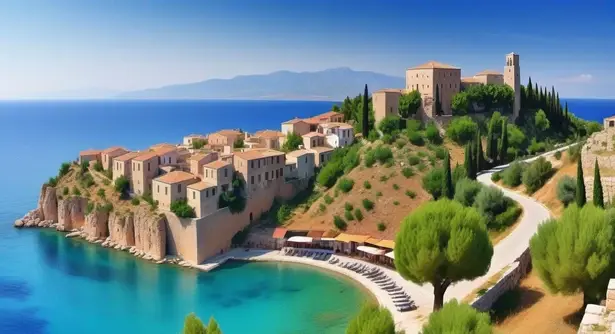

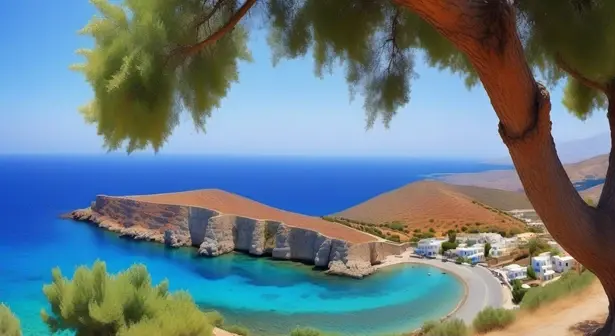
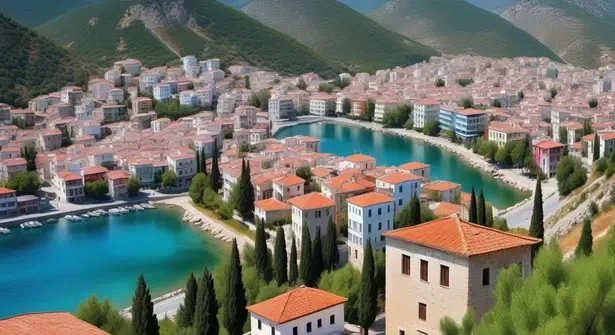
Weather in Crete
 !
!
For sale Flat , Spain 208 932 $
📌 A few apartments for sale in Cala de Finestrat - a cozy place between Benidorm and Vieijahoyosa with a...
 !
!
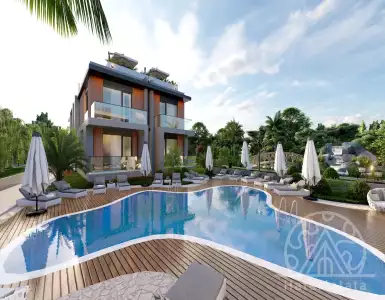
Flat for sale , Cyprus 125 381 $
The new residential complex is located in the foothills of Alsanjak. The complex consists of two two-storey buildings. Block A - 12...
For Sale house in Crete
Houses in Chania



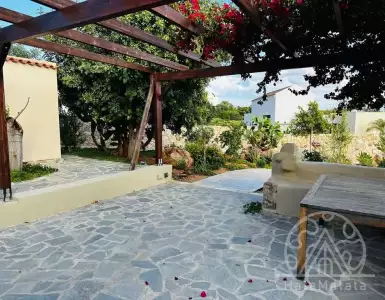
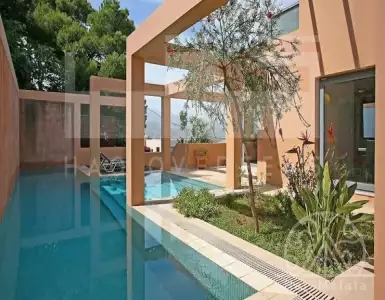
Houses in Rethymno
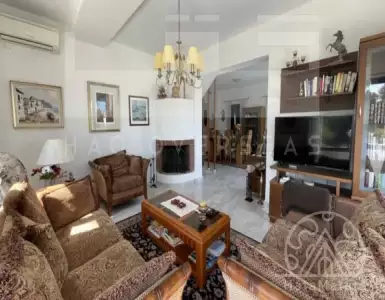
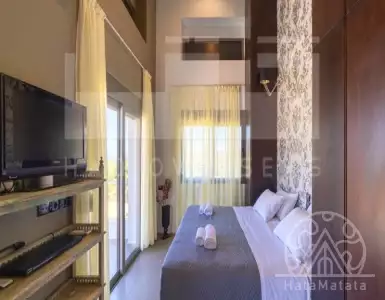
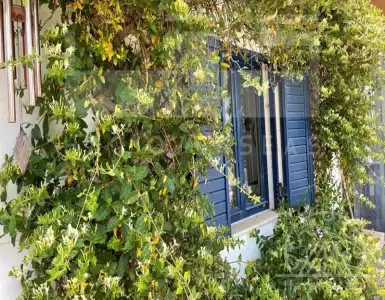
Do you want to buy houses in Crete? We'll tell you where to start
Leave a request and we will select the 3 best options for your budget
International Real Estate Consultant
Didnt find the right facility?
Leave a request - we will handle the selection and send the best offers in a short period of time



Irina Nikolaeva
Sales Director, HataMatata
Selection houses in Crete in 15 minutes
Leave a request and we will select the 3 best options for your budget
🇬🇷 Legal and practical aspects of buying a house in Crete, Greece
Crete, the largest island in Greece, is renowned for its striking landscapes, rich history, and vibrant culture. The island offers a unique blend of modern conveniences and timeworn traditions, making it an attractive choice for anyone looking to buy a house. Its geographical features, including beautiful beaches, mountainous terrain, and charming villages, coupled with a favorable Mediterranean climate, create an appealing backdrop for potential homeowners and investors. Furthermore, the increasing demand for properties sets a lively atmosphere in the housing market, inviting opportunities for all types of buyers—from private families seeking a holiday retreat to investors looking for profitable rental options.
🌍 Characteristics of Crete: Geography, Climate, and Lifestyle Influences
Crete is situated at the crossroads of three continents—Europe, Asia, and Africa—making it an ideal location for diverse cultural influences and abundant natural beauty. The island spans approximately 8,336 square kilometers and features varied landscapes that include sprawling beaches, verdant valleys, and rugged hills. The warm Mediterranean climate ensures long, sunny summers and mild winters, contributing to a year-round appeal for visitors and residents alike.
Infrastructure developments across Crete have enhanced accessibility and sustainability. Major cities such as Heraklion (the capital), Chania, and Rethymno host comprehensive transport networks, including international airports and ferry services connecting to the mainland and other islands. With ongoing investments to improve roads and public services, the demand for housing has surged. Homebuyers can find appealing properties in urban areas, coastal resorts, and serene rural settings, catering to various lifestyles.
Crete’s lifestyle is enriched with a unique blend of history, gastronomy, and leisure activities. From the Minoan ruins of Knossos to the picturesque beaches of Elafonissi, residents can enjoy a wealth of cultural experiences. With a growing expat community, particularly in areas like Agios Nikolaos and Plakias, the island promotes a sense of community while providing modern amenities such as shopping centers, restaurants, and health services. These lifestyle features significantly influence the demand for houses, particularly in locations that offer both tranquility and convenience.
📈 The Economic Landscape of Crete: Influencing the Housing Market
Crete’s economy is primarily driven by tourism, agriculture, and services. With a steady influx of over 4 million tourists annually, the region has witnessed significant growth in related sectors, offering a solid foundation for potential investments in the housing market. The contribution of tourism to the local GDP creates a favorable investment climate, encouraging both real estate development and rental yields.
The GDP dynamics of Crete reflect a positive trajectory, with tourism-related services being a primary driver of economic activity. The local government has introduced numerous incentives to foster foreign investments, impacting the housing market's overall liquidity. The appealing ROI for houses in Crete, especially in tourist-frequented areas, adds to its growth prospects. Many investors have reported average rental yields of approximately 5-8%, ensuring lucrative returns on well-located properties.
Tax policies in Crete are generally favorable for homeowners and investors alike. Foreign investors can benefit from various tax exemptions and reductions related to property purchases, making it more financially accessible to buy a house in Crete. Understanding the local tax landscape allows potential buyers to make informed decisions and enhances the overall attractiveness of the region's housing market.
💰 Pricing for Houses in Crete: What to Expect
Understanding the pricing landscape is crucial for buyers interested in the housing market in Crete. The average price of a house in Crete fluctuates significantly depending on the location, property type, and the level of development. Generally, buyers can expect to see price ranges such as:
- Heraklion city center: €1,500 - €2,500 per square meter
- Chania’s old town: €2,200 - €3,500 per square meter
- Agios Nikolaos: €1,800 - €2,800 per square meter
- Coastal resorts like Elounda: €2,500 - €4,000 per square meter
The price dynamics also indicate an uptick in interest for newly developed properties. For instance, a variety of new developments in the region showcase prices for one-bedroom apartments starting around €120,000, while larger family homes range from €300,000 to €700,000, offering different layouts and amenities suited to various buyer preferences.
Buyers exploring options for resale houses in Crete can find properties at competitive prices, frequently lower than that of new constructions. Many charming older homes in districts like Palaiochora or Rethymno retain their unique character, often available for €180,000 - €350,000 depending on condition and location.
📍 Best Cities and Districts to Buy Houses in Crete
When considering where to buy a house in Crete, it's essential to understand the distinct characteristics of various regions.
-
Heraklion: As the capital, it offers excellent infrastructure, lifestyle amenities, and a vibrant cultural scene. The district boasts higher demand due to a mix of urban living and proximity to educational institutions, making it ideal for young families and professionals.
-
Chania: Known for its stunning old town and picturesque harbor, Chania attracts both domestic and international buyers. The tourism appeal ensures strong rental demand, especially during summer months.
-
Agios Nikolaos: This charming town offers a more tranquil atmosphere with beautiful beaches and a strong expat community, making it perfect for retirees or those seeking peaceful living.
-
Rethymno: A blend of history and modern conveniences, Rethymno is popular among tourists and expats alike, with easy access to both mountainous and coastal areas.
Each city offers a distinct lifestyle, infrastructure, and rental potential, allowing buyers to choose based on their preferences and investment goals.
🏗️ Leading Developers and Projects in Crete
The development scene in Crete is vibrant, with several reputable developers offering appealing houses. Noteworthy developers and their projects include:
-
Kronos Homes: Known for luxurious villas in Chania and Rethymnon, they offer properties with modern designs, private pools, and excellent features tailored for both permanent residence and vacation rentals.
-
Cretaverse: This developer is recognized for eco-friendly homes, focusing on sustainable living. Their projects typically include smart home technology and energy-efficient designs.
-
Aegis Development: They focus on high-quality properties in Agios Nikolaos, offering customizable homes to meet specific buyer needs, emphasizing elegance and functionality.
Purchasing in newly developed projects often comes with attractive payment plans and flexible installment terms, ensuring buyers find suitable financing options.
🏦 Mortgage and Installment Options for Foreign Buyers
Foreign buyers interested in acquiring a house in Crete can take advantage of various mortgage and installment options. Currently, banks typically offer mortgages at rates ranging from 3.5% to 5%, depending on the borrower's financial profile and the bank's internal guidelines. The common down payment requirements are generally around 20% of the property price.
Developer installment plans also provide an attractive option, allowing buyers to make payments in stages during the construction phase, easing the financial burden. Installment terms usually extend across 1 to 3 years, with flexibility in payment schedules.
For more comprehensive financing, it's advisable for buyers to consult local banking institutions familiar with the needs of foreign clients, enhancing the ease of navigating mortgage requirements.
📜 Navigating the Legal Process of Buying a House in Crete
Buying a house in Crete involves several essential legal steps, ensuring all transactions are compliant with local regulations. The typical process follows:
- Property Selection: Work with a local real estate agent to identify properties that meet your criteria.
- Reservation and Due Diligence: Place a deposit to reserve the property, during which time a lawyer should conduct due diligence to assess the property’s legal status.
- Contract Signing: Once due diligence is complete, a contract is finalized that stipulates terms and conditions, including payment schedules.
- Payment: Upon contract signing, the initial payment is made, with subsequent payments scheduled as per the agreement.
- Registration: The final step involves registering the property with the local land registry, legally transferring ownership to the new buyer.
Understanding local taxes, notary fees, and any applicable costs related to the purchase is also crucial in preparing for the financial aspects of the acquisition.
📑 Legal Aspects of Owning a House in Crete
Owning a house in Crete comes with specific legal considerations, including rental rules and property taxes. Property owners are subject to a tax regime that applies to residential properties, including annual taxes based on assessed values. Furthermore, rental activity generates additional responsibilities regarding permits and returns, making it important for owners to stay informed about local regulations.
Purchasing a property in Crete does not directly confer a residence permit; however, buyers investing a minimum of €250,000 may qualify for the Golden Visa program, granting residency to non-EU citizens. Similarly, citizenship through investment options may be available under specific conditions.
🏠 Diverse Purposes for Buying a House in Crete
Whether considering a house for personal use or as an investment, Crete offers diverse opportunities.
- Permanent Living or Relocation: For those seeking to live in Crete, areas like Chania and Agios Nikolaos provide beautiful settings combined with necessary amenities.
- Vacation Homes: Coastal regions such as Kissamos and Matala make excellent choices for holiday homes, catering to those desiring summer retreats.
- Rental Investments: The strong rental market provides lucrative opportunities for investors looking to capitalize on Crete's tourism-driven economy, especially in locations like Heraklion and Chania.
- Family Investments: Buying a home in Crete as a family asset can yield long-term benefits—property ownership can help secure inheritance and family ties.
Crete stands as a vibrant hub for potential homebuyers, offering a strategic location, appealing lifestyle, and diverse investment opportunities. The island’s housing market continues to thrive, driven by its robust tourism economy and the increasing interest from international buyers. As the demand for houses in Crete grows, so too does the potential for profitability, making it a prime consideration for anyone looking to invest in a home, whether for personal use or as a rental opportunity.
Frequently Asked Questions
Prices vary widely by location: small village homes €40,000–€200,000; city apartments (Heraklion, Chania) €100,000–€400,000; coastal/tourist towns €150,000–€700,000; luxury seafront villas €800,000 up to several million €. Per‑m2 benchmarks: urban €1,500–€4,500/m², prime coastal €2,500–€5,000+/m². Expect premiums for sea views and renovated properties.
Greece offers several long‑stay routes: investment residence (property can qualify when minimum thresholds are met, commonly €250,000 for real‑estate), work permits, student visas and a digital‑nomad/remote‑worker permit. Investment permits typically issue a multi‑year residence (renewable); other visas require proof of income, employment or study. Property ownership alone does not automatically grant citizenship.
Crete offers Mediterranean climate, strong local food culture and slower pace in villages. Infrastructure: international airports in Heraklion and Chania, ferry links, regional hospitals and clinics (major hospitals in Heraklion/Chania), public and some private schools; limited international school options. Internet and services are good in towns—suitable for many remote workers—but remote mountain villages have fewer amenities.
Typical gross yields for short‑term holiday lets range 3–7% island‑wide; popular coastal towns and well‑managed villas can reach 6–10% gross. Occupancy concentrates in May–September, so net returns depend on management, seasonality and maintenance. Factor in cleaning, marketing, taxes and tourist levies when estimating net income.
Yes, but with conditions: land zoning matters—agricultural plots often have building restrictions. You need local planning approval and a building permit (οικοδομική άδεια); some areas require archaeological or environmental clearances. Process can take several months and rules differ by municipality, so check land classification before purchase.
Typical timeline for a clean transaction is 1–4 months: due diligence and searches a few weeks, preliminary contract and deposit, notary signing and tax/payment clearances, then land registry entry. If there are complications (mortgages, unresolved titles, permits) it can take longer.
Common steps: obtain Greek tax number (AFM); hire a local lawyer; do title and encumbrance checks; sign a preliminary contract with deposit; arrange tax payments and notary signing; register transfer at the land registry. If financing, include mortgage approvals. Allow weeks to months depending on complexity.
Urban and tourist areas have reliable utilities and good broadband (fiber/ADSL and widespread 4G). Major towns have stable electricity and municipal water; remote villages may face slower internet, occasional water shortages in summer and longer utility response times. Check connection options at the exact property before buying.
Tourism peaks May–September with highest visitor numbers in July–August. Many coastal businesses scale down or close in winter, while cities maintain year‑round services. Seasonality affects rental income, service availability and local traffic—expect quieter winters and busier summers across Crete.
Yes. A Greek lawyer performs due diligence, checks titles, drafts contracts and handles tax issues; a notary finalises the public deed and transfer. You’ll also need a tax number (AFM) and typically a bank account. Using professional advice reduces legal and financial risks during purchase.
Properties by Region
Properties by Country
- Real estate in Bulgaria (11408)
- Real estate in Montenegro (5377)
- Real estate in Indonesia (2423)
- Real estate in Spain (2289)
- Real estate in Portugal (1975)
- Real estate in Italy (1902)
- Real estate in Turkey (1699)
- Real estate in Cyprus (1592)
- Real estate in Thailand (1565)
- Real estate in Croatia (1431)
- Real estate in Greece (1082)
- Real estate in USA (1013)
- Real estate in France (1006)
- Real estate in Georgia (519)
- Real estate in Serbia (328)
- Real estate in Slovenia (123)
- Real estate in Egypt (23)
Free real estate consultation in Crete
Don't know which area to choose in Crete? We will tell you in which areas it is better to live or invest, and show you the appropriate options.

Maria Guven
Head of Direct Sales Department
+90-507-705-8082