


House in Bali
Do you want to buy house in Bali? We'll tell you where to start

Liliya
International Real Estate Consultant
Need help choosing a property?
Leave a request and our manager will contact you.
International Real Estate Consultant
House in Bali
Do you want to buy house in Bali? We'll tell you where to start
Liliya
International Real Estate Consultant
Need help choosing a property?
Leave a request and our manager will contact you.
International Real Estate Consultant
Selection houses in Bali in 15 minutes
Leave a request and we will select the 3 best options for your budget
Weather in Bali
 !
!
For sale Flat , Spain 210 378 $
📌 A few apartments for sale in Cala de Finestrat - a cozy place between Benidorm and Vieijahoyosa with a...
 !
!
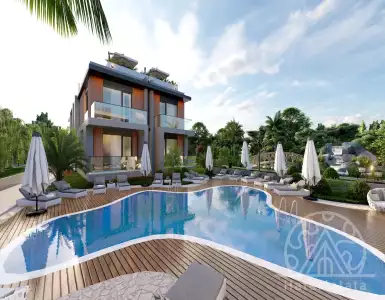
Flat for sale , Cyprus 126 672 $
The new residential complex is located in the foothills of Alsanjak. The complex consists of two two-storey buildings. Block A - 12...
For Sale house in Bali
Houses in Bukit-Uluwatu
 2
2
 2
2
 80
80
 3
2
138
3
2
138
 1
1
100
1
1
100
Didnt find the right facility?
Leave a request - we will handle the selection and send the best offers in a short period of time



Irina Nikolaeva
Sales Director, HataMatata
Selection houses in Bali in 15 minutes
Leave a request and we will select the 3 best options for your budget
🇮🇩 Bali house buying: property types, legal requirements and regional price trends
Bali blends tropical geography, dense visitor flows and a diverse built environment that together define demand for house in Bali. The island’s volcanic interior, forested rice terraces and long southern coastline shape where buyers look for villas, family houses, and investments: coastal enclaves favor short-stay holiday villas; inland areas like Ubud attract retreat-style residences; Denpasar and Badung regency host year-round rentals and family homes. Accessibility via Ngurah Rai International Airport, the Gilimanuk ferry link to Java, a growing network of arterial roads and planned infrastructure upgrades make commuting and guest transfers practical across key zones, lifting both resale house in Bali prices and the appeal of new developments of house in Bali.
🏝️ How geography and lifestyle in Bali shape demand for House in Bali
Capitalizing on volcanic highlands, rice terraces and beaches, Bali offers micro-markets with distinct demand drivers. Coastal districts such as Canggu, Seminyak, Kuta and Uluwatu attract holidaymakers and digital nomads seeking villa stays and short-term rentals; inland areas like Ubud and Gianyar attract wellness, retreat and family buyers preferring quieter, greener surroundings. Urban Denpasar and Sanur provide stable long-term rental audiences and infrastructure for families relocating to Bali.
Prices correlate with access and lifestyle: proximity to the airport, beaches and international schools pushes values higher in Nusa Dua, Jimbaran and Sanur, while emerging zones in Pererenan and North Canggu combine lower entry prices with rapidly rising demand. Developers and investors base product mix on these patterns: compact 2–3 bedroom villas for holiday rental in Seminyak, larger family houses with gardens in Sanur, and luxury cliff-top villas in Uluwatu.
Transport and public infrastructure strongly influence liquidity for house in Bali. Ngurah Rai International Airport being within easy reach of Jimbaran and Kuta, plus ongoing road upgrades around Badung, increases turnover and rental occupancy. Proximity to hospitals (Siloam Hospitals Bali, BIMC Nusa Dua), international schools (Green School Bali, Bali Island School) and marinas (Benoa Harbor) are prime selling points that sustain price premiums and rental yields.
💶 How much House costs in Bali and price dynamics
House prices in Bali vary widely by district, property type and finish; understanding ranges helps set realistic expectations. Entry-level resale house in Bali can start from USD 80,000–150,000 (IDR ~1.2–2.4 billion) for basic houses in inland villages, while prime villas and luxury houses on the Bukit or in Seminyak/Canggu commonly trade from USD 600,000 up to several million. Typical mid-market family houses in Sanur and Denpasar often fall in the USD 200,000–500,000 bracket.
Market breakdown by format and representative price bands:
- 2-bedroom villa (holiday format) in Canggu/Pererenan: USD 250,000–700,000 with 80–200 m² built area.
- Family house in Sanur/Denpasar: USD 150,000–450,000 with 120–300 m² plot and 80–200 m² built.
- Luxury cliff-top villa in Uluwatu/Nusa Dua: USD 1,000,000–10,000,000+ offering private pools and 300–800 m² built.
- New developments of house in Bali (gated clusters): USD 300,000–900,000 depending on facilities and proximity to coast.
Market dynamics show steady capital appreciation in high-demand coastal enclaves, with rental yield of house in Bali typically gross 4–8% for managed holiday villas and 3–5% for long-term residential rentals. Resale house in Bali inventory fluctuates with tourism cycles and regulatory clarity; buyers with conversion-ready properties often achieve higher ROI on house in Bali.
🎯 Which district of Bali to choose for buying House in Bali and district advantages
District choice depends on purpose: buy-to-let, relocation or lifestyle. Top districts and advantages:
- Canggu (North Kuta, Badung): high demand from surfers, digital nomads; strong holiday occupancy, high ADRs, close to Seminyak; villas sell fast.
- Seminyak / Kerobokan: premium dining, boutiques and nightlife; attracts affluent holidaymakers and long-stay guests.
- Ubud (Gianyar): wellness and retreat market; buyers seek tranquility and cultural proximity; long-term tenants value schools and health services nearby.
- Sanur / Denpasar: stable family market, proximity to hospitals and schools; good for relocation and second home purchases.
- Nusa Dua / Jimbaran / Uluwatu: luxury beachfront and cliff-top houses; favored by high-net-worth buyers and hotel-resort clientele.
District-specific bullets:
- Canggu: higher short-term yields, 2–3 bedroom villas common.
- Seminyak: premium resale values, easy access to high-end services.
- Ubud: lower per m² cost than coastal premium zones, excellent for seasonal living and retreats.
- Nusa Dua: resort atmosphere and secure gated communities, ideal for luxury investors.
🏗️ Leading developers and projects offering House in Bali
Several national developers and international hospitality brands operate notable Bali residential or mixed-use projects, providing structured payment plans, facilities and professional management:
- Ciputra Group and Lippo Group: active across Indonesia with residential and mixed-use projects that occasionally extend into Bali-backed developments and land-bank projects.
- Hospitality-branded residential projects: Bvlgari Resort Bali (Uluwatu), Alila Villas Uluwatu, Four Seasons Resort Sayan (Ubud) and Mulia Resort Nusa Dua which offer branded villa ownership or resort-villa opportunities.
- Local developers and villa specialists: boutique villa builders and management companies in Canggu, Pererenan and Kerobokan deliver turnkey villas often marketed to overseas buyers with rental management included.
Typical developer offerings:
- Formats: branded villas, gated clusters, custom-built family houses and eco-retreat residences.
- Infrastructure: on-site security, pools, spas, F&B outlets, concierge/rental management.
- Payment and finish: staged construction payments, options for turnkey or bare-shell delivery, and handover certification with AJB via a notary.
🏦 Mortgage and developer installment conditions for foreigners buying House in Bali
Foreigners face specific finance realities when they buy house in Bali. Local banks sometimes provide mortgages to foreign residents and expatriates with valid residency permits and local income evidence; availability varies by bank and borrower profile. Common features for mortgages for house in Indonesia for foreigners include down payments of 20–30%, tenors typically up to 10–15 years, and interest rates typically in the mid-single to low-double digit range depending on tenure and security.
Developer installment plan for house in Bali is widely used by buyers who prefer staged payments:
- Typical plans: 10–30% down payment, followed by construction-linked instalments over 12–36 months for new developments.
- Benefits: some developers offer pre-launch discounts, rent-back programs and staged certification at handover.
- Caveats: installment holders must verify developer reputation, escrow arrangements and the PPJB (Perjanjian Pengikatan Jual Beli) terms to ensure clear transfer conditions.
Banks known to accommodate expat borrowers include larger Indonesian lenders and regional branches; requirements often include a KITAS/KITAP, local income proof, and collateral registration under allowable title types (HGB/Hak Pakai or corporate-held HGB).
🧾 Step-by-step legal process of buying House in Bali and associated costs
Buying house in Bali follows established transactional steps with local legal formalities:
- Selection and reservation: buyer pays a booking fee to secure the property, followed by PPJB (binding sale-purchase agreement) with specified milestones.
- Due diligence: verification of land certificates at BPN (National Land Agency), checking for encumbrances, planning permissions and occupancy (IMB).
- Completion and registration: the notary/PPAT prepares the Akta Jual Beli (AJB), taxes and fees are paid (BPHTB, notary fees), and the new right is registered at BPN.
Mandatory costs and timelines:
- BPHTB (transfer tax) commonly around 5% of the taxable transaction value after allowances.
- PBB (annual property tax) is small and typically under 0.1% of the assessed value.
- Notary and registration fees vary by value but expect a few percent of transaction as professional and administrative costs.
- Transfer timelines: after AJB execution, registration and certificate issuance can take weeks to months depending on BPN workload and completeness of documents.
⚖️ Legal ownership frameworks and taxes for House in Bali and what they mean for foreigners
Indonesia’s land law limits freehold (Hak Milik) to Indonesian citizens; foreigners commonly acquire property via:
- Hak Pakai (Right to Use): issued to foreigners or foreign-owned companies for set periods, renewable under conditions.
- Hak Guna Bangunan (HGB): commercial land rights often used by corporations, typically issued for 30 years and extendable.
- Lease agreements are widely used, especially 25–30 year leases with renewal clauses.
Taxes and rental rules:
- Property taxes (PBB) are annual and modest; transfer taxes (BPHTB) apply on acquisition.
- Rental income is subject to Indonesian income tax and withholding rules; many owners use professional management companies to handle compliance.
- Buying house in Bali does not automatically grant a residence permit or citizenship; residence permit through purchase of house in Bali is not a standard pathway—investors instead use business investment visas and KITAS/KITAP channels. Citizenship through investment in house in Bali is not available; citizenship requires a separate, long legal process.
🏡 Which buyer profiles suit House in Bali and recommended locations and formats
Different buyer goals map to specific locations and property formats:
- Living and relocation: families seeking stability choose Sanur, Denpasar or Pererenan for schools, healthcare and quieter neighborhoods; family houses with gardens and secure compounds are typical.
- Seasonal residence and second home house in Bali: buyers often prefer Ubud for retreat living or Canggu/Seminyak for beach lifestyle and easy hospitality access.
- Rental and investment house in Bali: short-stay villa investors target Canggu, Seminyak and Uluwatu for high occupancy and ADR, while long-term rental investments favor Denpasar and Sanur.
- Premium segment: high-net-worth buyers opt for branded or private cliff-top villas in Uluwatu and Nusa Dua, often integrated with resort services.
Examples by purpose:
- Relocation: 3–4 bedroom family houses in Sanur or Denpasar, near Green School or international clinics.
- Investment rental: 2–3 bedroom managed villas in Canggu, with professional marketing and yield optimization.
- Lifestyle/premium: luxury villas in Uluwatu with private pools and estate-level privacy.
Bali’s property market continues to attract international buyers because of its proven hospitality infrastructure, variety of ownership formats and clear demand segmentation by district. Investors looking at investment in house in Bali should weigh location-specific occupancy patterns, legal tenure options and developer credibility to maximize ROI on house in Bali and long-term capital growth.
Frequently Asked Questions
Bali prices vary widely: modest inland houses often start around IDR 1–2 billion (~$65k–$130k), mid-range family homes commonly IDR 2–8 billion (~$130k–$520k), while luxury villas in prime coastal areas often exceed IDR 8 billion (>$520k). Per-sqm in popular zones can range roughly $1,000–$4,000. Markets have shown multi-year price growth in the low single digits to mid single digits annually in top areas.
Foreigners cannot hold freehold (Hak Milik). Typical legal routes: long leaseholds (25–99 years), Hak Pakai permits, or ownership via an Indonesian legal entity for specific title types. Nominee ownership is illegal and risky. Expect legal setup and registration processes to take several weeks to a few months.
Purchasing property in Bali does not automatically grant residency, citizenship, or a golden visa. Foreigners pursue residency through retirement visas (often for 55+), work permits, investor visas, or long-term permits; processing can take weeks to months. Indonesia currently does not offer citizenship or automatic residency solely for property buyers.
Short-term holiday rentals in top areas can show gross yields around 6–10% and net yields commonly 3–7% after costs. Long-term rentals tend to be lower, often 3–5% gross. Occupancy in popular coastal zones often ranges 50–70% annually, with seasonal peaks. Returns depend on location, management and marketing.
For relocation choose quieter inland or suburban areas with services and schools (e.g., central-south districts) where living costs are lower and community is stable. For investment focus on tourist hotspots and coastal zones with high visitor volume and infrastructure, which historically deliver higher short-term rental income and capital appreciation over 3–7 year cycles.
Buyers typically pay acquisition duties and taxes plus notary and registration fees. Common transaction costs amount to roughly 6–10% of the purchase price (BPHTB land acquisition duty plus notary, registration, and incidental fees). Ongoing taxes and income reporting obligations apply if you rent the property.
Local banks rarely offer mortgages to non-resident foreigners; options are limited. Some buyers use overseas financing, private lenders, or pay cash. If you have Indonesian residency, local banks may lend with typical down payments of 20–40% and terms up to 15–20 years. Expect mortgage approval timelines from several weeks to a few months.
Diversify location and property type, use proper legal titles (leasehold or permitted structures), avoid nominee schemes, carry currency hedging if needed, and budget a contingency (typically 5–15% of purchase price). Conduct due diligence, professional title checks, and get rental projections; these steps usually take 2–8 weeks before closing.
Plan for annual running expenses—utilities, staff, property management, maintenance and insurance—commonly 1–3% of property value per year. Professional management fees for short-term rentals typically run 20–40% of rental revenue. Renovations and periodic upgrades every 3–7 years improve occupancy and rates.
Bali offers limited land supply, steady tourist demand, diversified expatriate communities, and infrastructure investments that support long-term demand. These factors can support capital appreciation and rental income over multi-year cycles (3–10 years). Consider currency risk and local regulations, but many buyers view property in Bali as a tangible hedge and lifestyle asset.
Properties by Region
- Houses in Bali (1858)
Properties by Country
- Real estate in Bulgaria (11408)
- Real estate in Montenegro (5348)
- Real estate in Indonesia (2423)
- Real estate in Spain (2289)
- Real estate in Portugal (1975)
- Real estate in Italy (1897)
- Real estate in Turkey (1699)
- Real estate in Cyprus (1589)
- Real estate in Thailand (1565)
- Real estate in Croatia (1431)
- Real estate in Greece (1082)
- Real estate in USA (1013)
- Real estate in France (1006)
- Real estate in Georgia (519)
- Real estate in Serbia (328)
- Real estate in Slovenia (123)
- Real estate in Egypt (23)
Free real estate consultation in Bali
Don't know which area to choose in Bali? We will tell you in which areas it is better to live or invest, and show you the appropriate options.

Maria Guven
Head of Direct Sales Department
+90-507-705-8082