


House in Ubud-Other
Real estate in Ubud-Other for living, investment and residence permit
- ✓ Verified properties directly from developers
- ✓ No overpayments or commissions
- ✓ Guarantee of transaction purity and post-purchase support
Our managers will help you choose a property

Liliya
International Real Estate Consultant
Need help choosing a property?
Leave a request and our manager will contact you.
Our managers will help you choose a property
Liliya
International Real Estate Consultant
Hot Deals

For Sale house in Ubud-Other
Recommended to see
 2
2
 1
1
 72
72
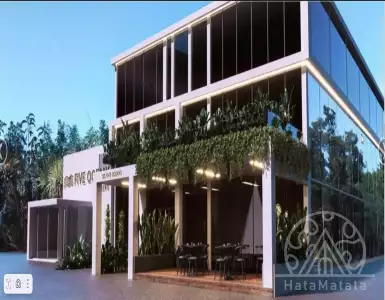
Premium residential complex in the heart of Changu, Bali Discover a unique residential complex created for wealthy families who value...
Submit Request
 1
1
40
1
1
40
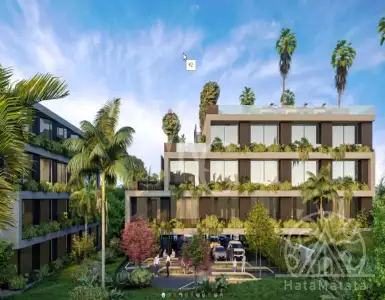
Indonesia, Bali, Changu. Located in the center of the district with all conditions for a comfortable stay, surrounded by green landscapes....
Submit Request
 1
1
63
1
1
63
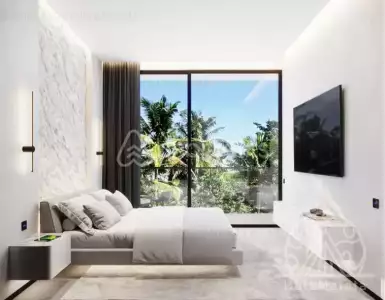
Explore the charming beauty of Bali’s cultural center in this exquisite 1-bedroom apartment set in the tranquil setting of Ubud....
Submit Request
 0
0
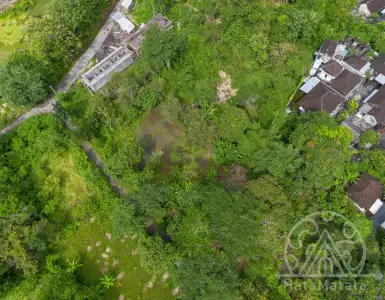
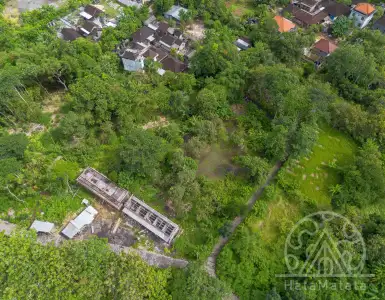
The land is located in a quiet part of Ungasan, offering a well-proportioned size suitable for comfortable and flexible property...
Submit Request
 0
0
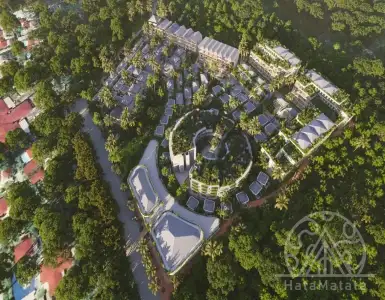
This 5-are plot of land is located in a calm part of Ungasan, offering an ideal balance between privacy and...
Submit Request
 2
2
88
2
2
88
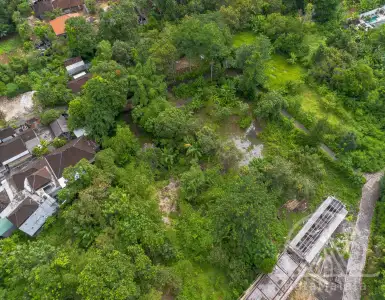
Situated within the prestigious enclave of Bukit – Nusa Dua, this off-plan leasehold villa presents a rare opportunity to secure...
Submit Request
 0
0
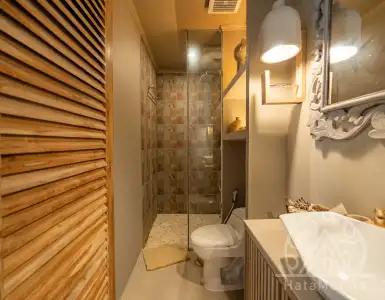
This 2-are plot of land is located in a quiet yet well-connected part of Ungasan, offering a practical option for...
Submit Request
 2
2
90
2
2
90
This villa in Ungasan offers a comfortable and well-balanced living environment, set on 240 sqm of land with a 90...
Submit Request
 5
5
330
5
5
330
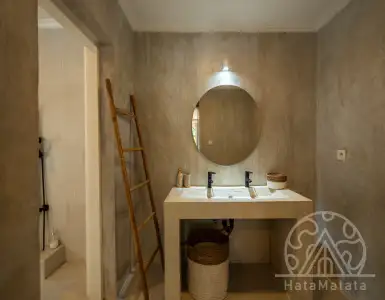
Designed as two neighboring villas that can function independently or as one seamless residence, this interconnected property offers a rare...
Submit Request
 3
3
240
3
3
240
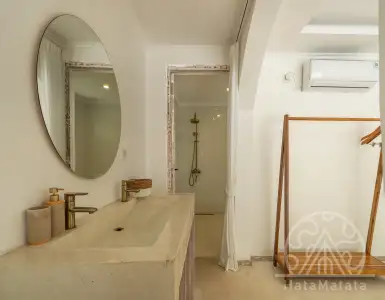
Soft Mediterranean character meets the calm atmosphere of Ungasan in a beautifully designed two-level villa set on 300 sqm of...
Submit Request
 1
1
42
1
1
42
This fully furnished apartment offers a well-designed living space ideal for everyday comfort in Ubud. With a building size of...
Submit Request
 1430
1430
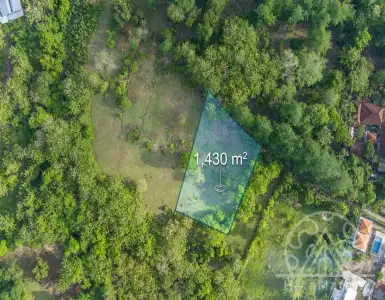
Located in the increasingly sought-after Balangan area, this 1,430 sqm freehold land offers a strong foundation for long-term investment in...
Submit Request

Didnt find the right facility?
Leave a request - we will handle the selection and send the best offers in a short period of time



Irina Nikolaeva
Sales Director, HataMatata
House in Ubud-Other
Real estate in Ubud-Other for living, investment and residence permit
- ✓ Verified properties directly from developers
- ✓ No overpayments or commissions
- ✓ Guarantee of transaction purity and post-purchase support
Our managers will help you choose a property
Liliya
International Real Estate Consultant
Need help choosing a property?
Leave a request and our manager will contact you.
Our managers will help you choose a property
Liliya
International Real Estate Consultant
Need help choosing houses in Ubud-Other?
Leave a request and we will select the 3 best options for your budget
!
Land for sale in Bukit, Indonesia 81 555 $
The land is located in a quiet part of Ungasan, offering a well-proportioned size suitable for comfortable and flexible property...
!
Sell land in Bukit, Indonesia 135 925 $
This 5-are plot of land is located in a calm part of Ungasan, offering an ideal balance between privacy and...
🇮🇩 Ubud-Other, Bali houses: traditional Balinese design, rice terrace & jungle views
Ubud-Other is a cultural and residential enclave in central Bali that blends rice terraces, riverside ravines and artisan villages, and these physical features shape the market for House in Ubud-Other. Buyers looking to buy house in Ubud-Other find a mix of traditional compounds, modern villas and small gated clusters, with demand driven by cultural tourism, wellness retreats and expatriate relocation. The supply is dominated by low-rise houses and private villas on plots ranging from 150 m² to 2,000 m², with price premiums for riverfront and valley views.
💶 How much House costs in Ubud-Other
Central Ubud commands the highest per-unit prices because of proximity to Monkey Forest, Ubud Palace and Jalan Raya Ubud. Typical resale house in central pockets starts at USD 180,000 (≈ IDR 2.7 billion) for modest 2-bedroom houses and reaches USD 1.2 million (≈ IDR 18 billion) for luxury private villas with river views. Outside the center, prices decline but quality-of-life and rental potential remain strong.
Central price ranges and characteristics:
- Ubud Central (Bisma/Monkey Forest): USD 180,000–1,200,000; plot sizes 150–700 m²; high tourist demand and short-term rental yield.
- Sayan & Campuhan: USD 350,000–2,500,000; villas on riverbanks and high-end wellness estates.
- Penestanan & Lodtunduh: USD 120,000–700,000; artist neighborhood, good for long-stay rentals and expatriate buyers.
- Tegallalang & Payangan: USD 90,000–900,000; rice-terrace and jungle views, larger plots, strong for branded wellness developments.
Market dynamics include stable demand from international buyers, steady resale turnover in central pockets and rising interest in mid-range family houses in neighborhoods such as Mas and Lodtunduh. Average price of house in Ubud-Other has a broad band; for quick reference a practical average for good-quality 3-bedroom villas sits around USD 420,000.
🎯 Which district of Ubud-Other to choose for buying house
Ubud Central is best for short-term rental operators and buyers who want walking access to cultural infrastructure. Sayan and Campuhan are premium choices for high-net-worth buyers seeking river and valley vistas near global luxury brands. Penestanan and Lodtunduh attract creatives and expatriates who prioritize community, quiet streets and affordable renovation opportunities.
District highlights and practical notes:
- Ubud Central: Best for guesthouse and Airbnb-style operations; immediate footfall to restaurants and galleries.
- Sayan / Campuhan: Premium villa market, proximity to Four Seasons Sayan and COMO Shambhala; higher entry price but superior long-term capital appreciation.
- Penestanan: Artist enclave; shorter-term prices and easier conversions to long-stay rental.
- Tegallalang: Tourism magnet for rice-terrace stays and day-trip bookings; larger plots at lower per-m² rates.
Infrastructure differences matter: Ubud Central benefits from paved main roads, reliable municipal water and faster mobile internet; fringe zones like Payangan have lower road density but larger parcels suitable for compound-style houses.
📈 Economy of Ubud-Other and influence on House market
Ubud-Other’s economy is anchored by tourism, creative industries and wellness services. The town attracts cultural tourism, retreat-goers and digital nomads, producing consistent seasonal occupancy for short-term rentals and a healthy pipeline of service businesses—restaurants, galleries, yoga studios—that support property values.
Economic factors that shape liquidity and investment:
- Tourist-driven demand creates a steady short-term rental market in central neighborhoods.
- Wellness and retreat operators increase demand for larger, branded villas near Sayan and Payangan.
- Local artisan economy supports medium-term rental for expatriates and staff accommodation.
Tax burden and business environment remain investor-friendly compared with many Western markets. Local permit processes and working capital needs influence investor decisions, and turnover is stronger for properties with clear legal title suitable for rental or conversion.
🏷️ Detailed price breakdown for House in Ubud-Other
Prices differ by property type (traditional compound, modern villa, new development, resale) and by district. Buyers can expect substantial variance depending on land size, river frontage and renovation status.
Representative price lists:
- By district:
- Ubud Central: USD 180,000–1,200,000
- Sayan / Campuhan: USD 350,000–2,500,000
- Penestanan / Lodtunduh: USD 120,000–700,000
- Tegallalang / Payangan: USD 90,000–900,000
- By property category:
- Small family house (2–3 BR): USD 120,000–350,000
- Private villa (3–5 BR) with pool: USD 300,000–1,500,000
- High-end riverfront estate: USD 800,000–3,000,000
- New developments vs resale:
- New developments in Ubud-Other often come with branded management and range USD 450,000–2,000,000.
- Resale house in Ubud-Other offers negotiation room, frequently priced 10–30% below comparable new-builds depending on condition.
Market trends show demand concentrated in 3–5 bedroom villas and compact houses for long-stay rentals, with investor interest aligned to properties offering proven occupancy histories.
🏘️ Key districts to buy House in Ubud-Other
Each district offers distinctive advantages for buyers aiming to buy house in Ubud-Other. Proximity to infrastructure, accessibility and rental profile are the main differentiators when selecting a location.
District-by-district practical advantages:
- Ubud Central (Bisma, Jalan Raya Ubud): Immediate access to cultural venues, highest rental night rates, strong walkability.
- Sayan / Campuhan: Premium wellness corridor, large plots, suited for branded villas and high-end rental yields.
- Penestanan / Lodtunduh: Lower entry costs, close-knit expatriate communities, good long-term rentals for families.
- Mas (woodcarving village): Family-friendly neighborhoods and artisan culture, steady local rental demand.
- Tegallalang: Rice terrace appeal, ideal for experiential stays and eco-conscious projects.
Transportation access is key: central districts are within short motorbike rides to Denpasar-Ubud main route; fringe districts benefit from quieter roads and larger parcels but may require private vehicle access for daily commuting.
🏗️ Leading developers and projects in Ubud-Other
Ubud’s market is driven by a combination of hospitality groups and boutique developers who have delivered both managed villas and private houses. International resort brands often anchor local demand with branded residences and managed rentals.
Notable developers and projects present in Ubud-Other:
- COMO Shambhala Estate: Wellness estate near Sayan offering high-end villa ownership and wellness services.
- Four Seasons Resort Sayan: Ultra-luxury resort with villas that have historically set price benchmarks for riverfront property.
- Maya Ubud and Alila Ubud (Payangan area): Resort-adjacent villas and residential offerings, attractive for premium rentals.
- Komaneka (Komaneka at Bisma): Boutique resort brand with residential villa models suitable for investment house buyers.
- Local boutique developers and contractors (reputable Bali-based builders) that deliver custom villas and gated compounds across Penestanan and Lodtunduh.
Project features often include:
- On-site management and rental turnkey options
- Payment structures with staged deposits and handover schedules
- Integration with local utilities and branding for higher nightly rates
🏦 Mortgage and installment options for foreigners in Ubud-Other
Financing a House in Ubud-Other for non-residents has constraints but practical pathways exist. Indonesian banks typically require residency ties or local guarantors, while developer installment plans are widely used.
Common financing conditions:
- Mortgage in Indonesia for foreigners: Available in limited cases; down payments commonly 20–40%, interest rates typically range 7–12% depending on bank and borrower profile.
- Developer installment plan in Ubud-Other: Developers often offer staged payments: reservation, construction milestones, final handover; common durations 12–36 months, sometimes interest-free or with capped interest.
- International financing: Some buyers use foreign bank loans or remortgage from home countries to fund purchases.
Banks require identification (passport), local tax number (NPWP), proof of income, and often a local address. Developer plans may accept larger down payments for bespoke villas and offer flexibility in payment schedules when a buyer commits early.
📝 Step-by-step process to buy House in Ubud-Other
The transaction follows a consistent sequence that balances reservation, due diligence and legal transfer. Understanding timelines avoids surprises.
Typical purchasing workflow:
- Selection and reservation: Choose property, pay a reservation deposit (commonly IDR 50–200 million depending on price).
- Due diligence and contract (PPJB / Sales Agreement): Notary performs title checks; buyer signs a preliminary sales contract with conditions for final transfer.
- Final deed and registration (AJB): Notary executes sale deed (Akta Jual Beli), taxes paid, and certificate updated at Land Office; timeline often 4–8 weeks from contract to registration.
Mandatory costs to expect:
- Acquisition tax (BPHTB) typically around 5% of the transaction value.
- Notary and registration fees often 1–2% of the price.
- Annual land tax (PBB) which is modest and depends on assessed value.
⚖️ Legal aspects of owning House in Ubud-Other
Indonesian property law governs foreign ownership closely and understanding title types is essential. Foreign buyers should approach with a plan that ensures clear legal title and compliant use.
Key legal facts and restrictions:
- Foreigners cannot typically hold freehold (Hak Milik); they acquire rights like Hak Pakai or use a foreign-owned PT PMA to obtain Hak Guna Bangunan (HGB).
- Purchase does not grant automatic residence permit or citizenship; property ownership alone does not substitute migration or naturalization requirements.
- Taxes and registration: Transfer requires BPHTB payment, notary processing and Land Office registration; capital gains taxation is applied on disposal under local tax rules.
Practical legal steps:
- Engage a bilingual notary (PPAT) to prepare AJB and check land certificates.
- Obtain an NPWP (tax ID) for tax compliance.
- Plan for permit renewals if using Hak Pakai or HGB structures, as most are time-limited but extendable.
🏡 Who should buy House in Ubud-Other and for which purposes
Ubud-Other suits a spectrum of purposes: primary residence for expatriates seeking cultural immersion, second-home buyers aiming for a wellness lifestyle, holiday rental investors focused on premium occupancy, and families relocating for schooling and lifestyle. Choice of district and property type should align with the intended use.
Use-case mapping to districts and property types:
- Living/Relocation: Penestanan, Peliatan — mid-range houses and family compounds with local schools and community facilities.
- Seasonal residence / Second home: Sayan and Campuhan — premium villas, private pools and wellness proximity.
- Rental investment: Ubud Central and Tegallalang — short-term yields from tourists and experiential stays.
- Premium investment: Riverfront estates near Four Seasons or COMO — high ARRs and prestige branding.
Buyers focusing on rental yield should target properties with proven occupancy histories and management agreements to maximize ROI on house in Ubud-Other.
The outlook for house market in Indonesia remains positive as demand for experiential destinations and wellness-focused living grows; Ubud-Other’s combination of cultural depth, established luxury brands and a diversified supply of family houses and villas positions it well for buyers pursuing lifestyle, rental income or long-term capital growth.
Frequently Asked Questions
House prices in Ubud-Other vary widely: small houses/plots often start around IDR 1.5–2.5 billion (≈ USD 100k–170k), mid-range villas IDR 4–9 billion (≈ USD 270k–600k), luxury estates exceed IDR 15–25+ billion (≈ USD 1M+). Time to find and close a good deal typically 3–9 months depending on title clarity and negotiation.
Purchasing property in Ubud-Other does not automatically grant citizenship or a golden visa. Foreign buyers can live long-term via KITAS (initial 6–12 months, renewable), retirement visa (issued yearly, renewable), or work visas. Permanent KITAP usually requires years on KITAS. Property is useful evidence but not a direct path to residency or citizenship.
Foreigners commonly use 'hak pakai' (right to use) or long-term leaseholds in Ubud-Other; corporate structures (PMA) can hold HGB for commercial/residential projects. Typical lease terms are 25–30 years with renewal options; corporate setups take a few weeks to months. Avoid nominee arrangements—they carry legal risk.
Buyers usually pay BPHTB (transfer tax) around 5% of the taxable transaction value, plus notary/PPAT fees ~1–3% and registration costs. Annual property tax (PBB) is low, often under 0.5% of assessed value. Sellers may face a final income tax (commonly around 2.5% of gross sale). Exact amounts depend on valuation and paperwork.
Ubud-Other vacation villas often show gross rental yields of roughly 4–8% depending on quality and marketing. Occupancy varies seasonally—typically 40–70% yearly. Net yields depend on management and running costs; a realistic payback period is commonly 8–20 years for tourist-focused properties.
Key risks in Ubud-Other: unclear land titles, zoning changes, water access, cultural/temple restrictions, and informal claims. Reduce risks by verifying certificates at the land office, getting a PPAT notary check, ordering a land dispute search, confirming zoning with local government, and budgeting for legal due diligence (weeks to months).
Typical steps: ID suitable properties, verify title and zoning, sign a reservation, draft SPA with PPAT notary, complete payment and transfer, register the title. Due diligence and negotiation: 2–8 weeks; notarized transfer and registration: 2–6 weeks. Total 1–4 months for a straightforward purchase, longer if setting up corporate ownership.
Mortgages for foreigners in Ubud-Other are limited. Local banks may lend only to residents or to corporate entities; many foreign buyers pay cash. If eligible, loan approval can take 4–12 weeks and loan-to-value often lower than for locals. Expect strict documentation and higher down payments.
You need a building permit (IMB or its current equivalent) before major works in Ubud-Other. Renovation costs vary: modest work IDR 3–6 million/m², higher-end finishes IDR 6–12 million/m². Small projects can take 1–3 months; full rebuilds 6–12+ months depending on permits and contractor availability.
Buying agricultural/rice land in Ubud-Other is possible but conversion needs zoning changes and permits from local authorities. Conversion can take months to years, may face community and cultural constraints, and sometimes is restricted. Always check local spatial plans and obtain formal conversion approval before investing.
Properties by Region
- Houses in Bali (1858)
Properties by Country
- Real estate in Bulgaria (11408)
- Real estate in Montenegro (5186)
- Real estate in Indonesia (2423)
- Real estate in Spain (2289)
- Real estate in Portugal (1975)
- Real estate in Italy (1910)
- Real estate in Turkey (1699)
- Real estate in Cyprus (1593)
- Real estate in Thailand (1565)
- Real estate in Croatia (1431)
- Real estate in Greece (1082)
- Real estate in USA (1013)
- Real estate in France (1006)
- Real estate in Georgia (519)
- Real estate in Serbia (328)
- Real estate in Slovenia (123)
- Real estate in Egypt (23)
Get the advice of a real estate expert in Ubud-Other — within 1 hour
Looking for a property in Ubud-Other? Leave a request — we will help you take into account all the nuances, and we will offer objects according to your personal request.

Maria Guven
Head of Direct Sales Department
+90-507-705-8082