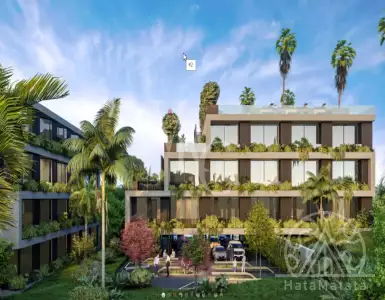
 Mountain View view 175 000 $
Flat with mountain view in Ubud-Other, Indonesia
Bedrooms: 1 Bathrooms: 1
Ubud-Other, Indonesia
Submit RequestExplore stunning properties in Indonesia, Bali, Ubud-Other. Enjoy serene living, vibrant culture, and great investment opportunities in Ubud-Other city.
 Lilia Karimova, International Real Estate Market Analyst
Updated:
Mountain View view 175 000 $
Ubud-Other, Indonesia
Submit Request 90 000 $
Ubud-Other, Indonesia
Submit RequestProperties matching your filters: 2
90 000 $
Ubud-Other, Indonesia
Submit Request
Mountain View view 175 000 $
Ubud-Other, Indonesia
Submit RequestLeave a request and we will pick 3 best options for your budget
Other suggestions: some details may differ from your filters.
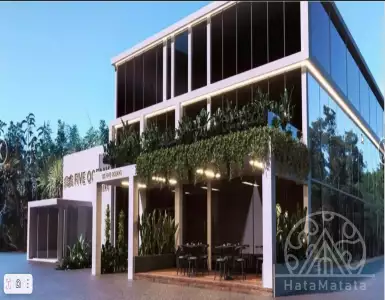 Sea View view 225 000 $
Ubud-Other, Indonesia
Submit Request 141 719 $
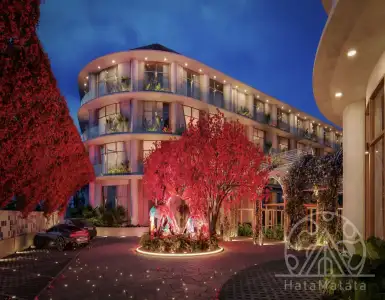 125 320 $
 Sea View view 98 283 $
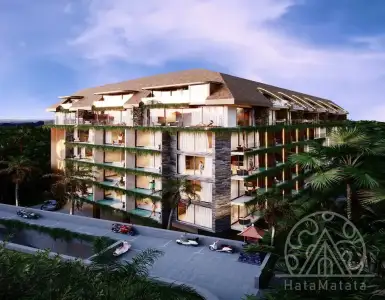 83 197 $
 510 734 $
 Legal review:
Deni Gerikhanov, International Real Estate Lawyer
 Financial review:
Evgeniya Skripko, Financial Expert in International Real Estate
Reviewed:
Ubud-Other occupies a unique niche in Bali: a cultural and green hinterland set amid rice terraces, rivers and artisan villages, drawing buyers who want calm, culture and tourism income. The local housing stock is dominated by low-rise boutique developments, converted guesthouses and a limited number of small apartment-style buildings, so demand for a Flat in Ubud-Other is driven by lifestyle buyers, long-stay tourists and investors seeking mid-term rental yields. Prices are generally lower than coastal hotspots, while occupancy patterns follow the island’s tourism seasonality, creating predictable rental windows for well‑managed units.
Ubud-Other pricing reflects a market with few high-density projects and many boutique conversions, so per-unit costs vary more by location and finish than by formal building grade. In general, expect studio flats from IDR 700 million to IDR 1.8 billion (approximately USD 45k–120k), one-bedroom units IDR 1.2 billion to IDR 3.5 billion (USD 75k–235k), and larger two‑bedroom flats IDR 2.5 billion to IDR 6 billion (USD 170k–400k) depending on view, amenities and tenure structure. Average price per sqm in central Ubud is around IDR 20–45 million per sqm for strata-style units and boutique apartments, while outskirts can fall to IDR 12–25 million per sqm.
Ubud central village offers proximity to the Ubud Palace, Saraswati Temple and the main Monkey Forest street, making it the highest-demand area for short-term rentals and buyers who want walkability. Central Ubud commands the highest per‑sqm prices but also the best year-round occupancy from cultural tourists and digital nomads who prefer a compact urban base.
Penestanan and Sayan are artist and rice‑terrace neighborhoods favored by expatriates and creatives; they provide quieter lifestyles and scenic views that appeal to longer‑term renters and second‑home buyers. Properties here tend to attract stays of 1–3 months, with reliable mid-term occupancy.
Tegallalang and the wider Gianyar fringes are suited to investors who want larger footprints at lower cost. These districts are attractive for villa-style flats or apartment blocks built with landscape and parking, and they often yield better per‑sqm value for conversion into holiday rentals or family second homes.
Ubud-Other’s economy is heavily service and tourism-driven: cultural tourism, health and wellness, yoga retreats, artisan workshops and small-scale agriculture are core. Tourist footfall produces steady demand for short-stay accommodation, while a rising number of remote workers and expatriates strengthens long-stay segments. Occupancy rates for well‑managed units in Ubud commonly range from 55% to 75% annually depending on marketing and property quality.
Tax and regulatory burdens are moderate compared with many Western countries but must be factored into cash flow. Transaction taxes and local levies affect net returns, and administrative steps to convert a property for foreign ownership or leasehold reduce speed to market when compared to domestic transactions.
Ubud’s development pattern is dominated by boutique resorts and villa operators rather than large condominium builders. International and national hospitality brands with a presence or influence in the Ubud area include Alila Ubud, Amandari (Amanresorts), Kamandalu Ubud and Ubud Village Resort & Spa, which illustrate the premium hospitality market that often spawns adjacent residential conversions. National property groups active across Bali include Ciputra Group, Agung Podomoro, and Lippo Group, though their larger condominium projects are typically focused in coastal and Denpasar/Badung corridors rather than central Ubud.
Foreigners have constrained access to conventional mortgages in Indonesia, but options exist with conditions. Mortgage in Indonesia for foreigners is available from some local and international banks provided the buyer has legal residency (KITAS), Indonesian income or a PT PMA entity to hold title. Interest rates for foreigner-accessible products typically sit in the range of 7–11% per annum, with loan-to-value (LTV) commonly 50–70%. Down payments are therefore often 30–50% for foreigners.
Selection begins with identifying district, unit type and tenure (leasehold, Hak Pakai, strata on HGB). Shortlist properties with clear title documents and establish whether the unit is part of a strata complex with a management body. Site inspections and checking utilities, drainage and access roads are critical in Ubud’s hilly terrain.
Foreign ownership in Indonesia does not follow OECD-style freehold for non-citizens; common legal routes are Hak Pakai (Right to Use), long-term lease agreements and ownership via a locally registered PT PMA (foreign‑owned company) holding HGB or HGB-based strata. Strata title rules can allow foreigners to hold a unit under Hak Pakai in certain circumstances, but legal structuring is essential.
A Flat in Ubud-Other suits multiple buyer profiles: expatriates seeking a cultural base, families relocating for education and lifestyle, investors targeting holiday rental yields and downsizers who prefer low-maintenance units. Central Ubud flats are best for high-nightly-rate short-term rentals, Penestanan/Sayan for longer-term expatriate lets, and Tegallalang for second‑home buyers who want space at a lower entry price.
Ubud-Other’s flat market is shaped by its cultural appeal, constrained supply of formal apartments and a tourist economy that rewards well-located, professionally managed units; investors and private buyers who understand leasehold structures, local taxes and viable operational models tend to see the strongest outcomes, and interest across Bali continues to support disciplined, quality development that balances community character with returns.
Looking for a property in Ubud-Other? Leave a request — we will help you take into account all the nuances, and we will offer objects according to your personal request.