


 121 499 $
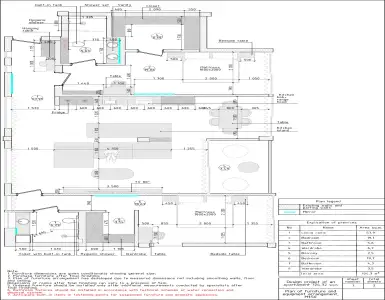
 155 000 $
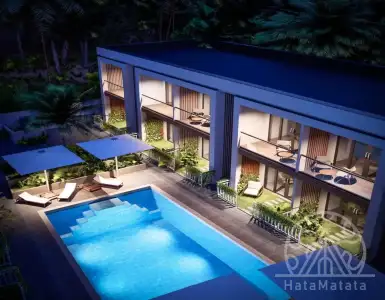 88 500 $
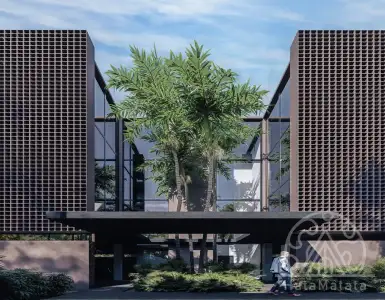 99 900 $
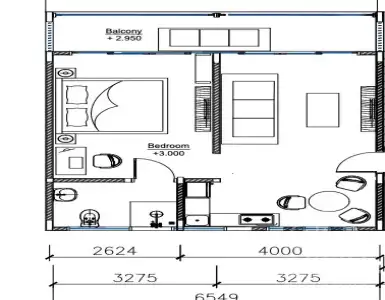 94 000 $
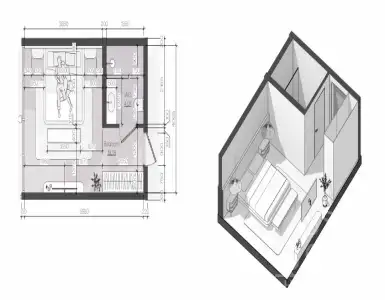 77 300 $
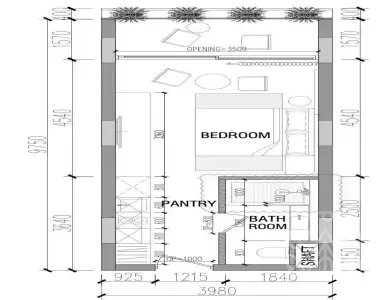 115 540 $
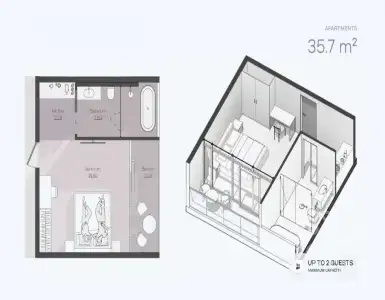 99 000 $
 110 000 $

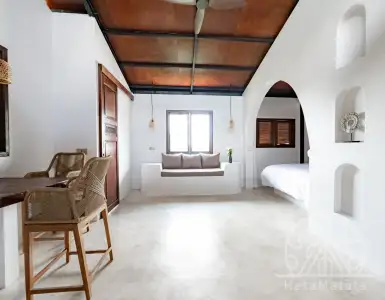 85 000 $
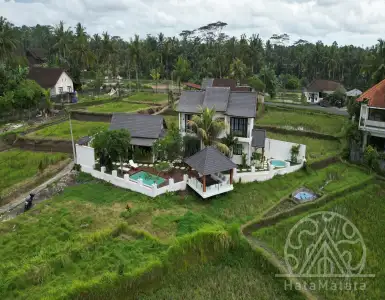 90 000 $
 75 000 $
 95 000 $
 92 000 $
 131 000 $
 76 000 $


 Legal review:
Deni Gerikhanov, International Real Estate Lawyer
 Financial review:
Evgeniya Skripko, Financial Expert in International Real Estate
Reviewed:
🇮🇩 Ubud flats with rice-terrace views near Monkey Forest and artisan districts
Ubud is Bali’s cultural heart and a unique real estate micro-market where rice terraces, river valleys and a compact town center shape demand for flats. Buyers choose Ubud for lifestyle: proximity to galleries, wellness centers, boutique dining and a steady tourism flow driven by culture rather than beaches. The city's topography—hilly river valleys and narrow lanes—means vertical and low-rise apartment formats, serviced residences and small strata-title blocks sell best. For anyone looking to buy flat in Ubud, understanding how geography, transport and local amenities influence price and rental demand is essential.
💶 How much Flat costs in Ubud
Central Ubud and immediate surrounds command the highest per-unit prices because of walkability to the Ubud Palace, Monkey Forest and Jalan Raya Ubud, while river-valley neighborhoods and Tegallalang offer lower entry points but stronger villa-style short-term rental appeal. Typical size bands are studio 30–50 sqm, 1BR 50–80 sqm, 2BR 80–150 sqm, and limited penthouse units above 150 sqm.
-
Prices by district (indicative ranges in Indonesian Rupiah):
- Central Ubud (Bisma, Jalan Raya Ubud): IDR 1.5–4.5 billion for 1BR–2BR units.
- Penestanan / Campuhan / Sayan: IDR 2–6 billion for boutique flats and serviced residences.
- Tegallalang / Payangan (rural fringe): IDR 800 million–2.2 billion for compact units or off-plan offerings.
- Mas / Pejeng (artisan zones): IDR 900 million–2.5 billion for conservative mid-market flats.
-
Prices by property format and market status:
- Resale flat in Ubud (central studio/1BR): IDR 1.2–3.5 billion depending on renovation and furniture package.
- New developments in Ubud (boutique strata projects): IDR 2–8 billion for 1–3BR with pool and concierge.
- Premium serviced residence / hotel-residence units: IDR 4–15 billion for branded inventory near Campuhan and Bisma.
Market dynamics show steady buyer interest from long-stay tourists and digital nomads, producing gross rental yields typically 5–7% for well-managed units and expected ROI on flat in Ubud that combines rental income with modest capital growth. Demand trends favour fully furnished, small-footprint flats with good internet and easy management for short-term lets.
🎯 Which district of Ubud to choose for buying flat in Ubud
Central Ubud remains the easiest choice for buyers prioritizing walkability to markets, cafés and cultural venues. Sayan and Campuhan attract buyers seeking river-valley views and luxury finishes; these locations command premiums for view-facing flats and serviced residences. Penestanan draws artists, expats and food-oriented tourists, creating strong mid-season occupancy.
-
District advantages at a glance:
- Central Ubud (Ubud Town, Jalan Raya Ubud): best infrastructure, highest visibility, strong short-let demand.
- Sayan and Campuhan: premium views, higher nightly rates, quieter surroundings.
- Penestanan: creative community, boutique dining, strong long-stay market among foreigners.
- Tegallalang & Payangan: lower prices, rice-terrace landscapes, attractive to budget-conscious investors and second-home buyers.
- Mas and Pejeng: artisan villages, easy access to Ubud center, reasonable prices for renovated flats.
-
Practical selection factors:
- Transport: central zones provide easier driver and scooter access; peripheral villages may require longer transfer times from Ngurah Rai International Airport or the main Bali ring-road.
- Infrastructure: prioritize projects with reliable water storage, backup generator and fiber internet for rental viability.
- Rental demand: units within 1–3 km of Ubud Palace and Monkey Forest show the highest occupancy in both short- and medium-term markets.
🏗️ Developers and projects offering Flat in Ubud
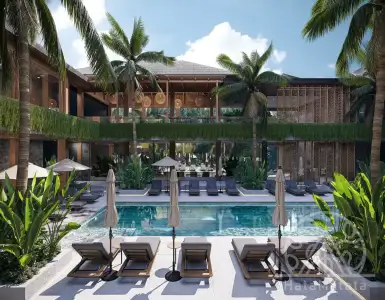
Ubud’s residential supply is dominated by boutique developers and hospitality groups offering strata-title flats and serviced suites rather than mass-market towers. Recognizable hospitality names provide branded residences that appeal to higher-end buyers and rental managers.
-
Developers and hospitality operators with a presence or product types in Ubud:
- Komaneka Resorts (Komaneka at Bisma, Komaneka at Tanggayuda): boutique luxury residences and managed villas with limited apartment-style units.
- COMO Hotels & Resorts (COMO Uma Ubud): small inventory of serviced suites and owner-operated programs.
- Maya Ubud Resort & Spa: resort residences and professionally managed rental possibilities.
- Viceroy Bali: ultra-luxury villa/residences in Sayan appealing to premium buyers and seasonal lets.
- Bisma Eight: boutique hotel with some serviced apartment-style units in the Bisma corridor.
-
Typical project features and payment patterns:
- Infrastructure: on-site management, housekeeping, concierge and shared pool are common in branded projects.
- Completion levels: most projects in Ubud are completed as low-rise or villa blocks; off-plan boutique buildings typically have staggered handovers 6–24 months.
- Payment terms: developers commonly request 20–30% down payment with staged payments for off-plan; branded residences may include management and rental pooling agreements.
🧾 Mortgage and installment conditions for foreigners in Ubud
Foreign buyers should expect a constrained mortgage environment compared with many Western countries. Indonesian retail banks provide mortgages to foreigners selectively, often requiring residency permits or corporate structures.
-
Bank mortgage landscape and conditions:
- Major banks (Bank BCA, Bank Mandiri, BNI, CIMB Niaga): may offer mortgage in Indonesia for foreigners when the buyer holds a local work permit (KITAS) or purchases through a foreign-owned PT PMA corporate vehicle.
- Typical interest rates: floating 7–12% depending on bank and borrower profile.
- LTV and down payment: down payments of 30–50% are common, with loan tenors up to 15–20 years in rare cases.
-
Developer installment plans and market practice:
- Developer installment plan in Ubud: many boutique developers provide internal payment plans for off-plan sales — usual schedules are 20–30% down, 40–60% during construction milestones, final 10–20% at handover.
- Durations: developer plans can run 2–5 years, with longer tailored plans occasionally offered for overseas buyers.
- Documentation: developers require a reservation agreement and proof of funds; banks require income statements, passport and residence proof for mortgage approval.
📝 Step-by-step process of buying flat in Ubud
Buying a flat in Ubud follows clear stages adapted to Indonesian property law and local practice. International buyers typically work with a local legal advisor and notary (PPAT) experienced in strata and foreign ownership rules.
-
Main transactional stages:
- Selection and reservation: sign reservation agreement and pay a deposit (often IDR 50–200 million depending on price).
- Due diligence: confirm strata title status, developer licence, building permits (IMB), and confirm there are no encumbrances on the land.
- Contract and payment: for off-plan sign PPJB (Perjanjian Pengikatan Jual Beli), complete staged payments; for resale proceed to AJB (Akta Jual Beli) at a notary for title transfer.
-
Mandatory costs and timeline:
- Taxes and fees: acquisition tax (BPHTB) typically 5% of transaction value, notary and registration 0.5–1.5%, VAT 10% may apply to new developments; total transactional costs usually 7–10% of price.
- Registration: transfer of strata certificate and registration with land office typically takes 2–6 weeks after AJB, longer if foreign ownership documents require corporate registration.
- Role of notary: the notary drafts AJB, handles tax receipts, and lodges the transfer at the National Land Agency (BPN).
⚖️ Legal aspects of owning flat in Ubud
Foreign ownership in Indonesia is regulated and different from many Western systems. Understanding title types and visa implications is critical before you buy flat in Ubud.
-
Ownership regimes:
- Strata-title apartments can be acquired by foreigners under Hak Pakai (Right to Use) when the unit is registered separately; some projects allow foreign ownership up to defined quotas.
- Freehold (Hak Milik) is reserved for Indonesian citizens; foreigners may need PT PMA (foreign-owned company) to acquire property for commercial purposes.
- Registration and taxes: buyers must register the AJB and pay BPHTB; annual property tax (PBB) is low but maintenance fees in strata buildings vary by facility.
-
Visa and residency:
- Residence permit through property purchase in Ubud is not available by default; purchase of a flat does not grant a KITAS or citizenship.
- Citizenship through real estate investment in Ubud is not a formal program in Indonesia; citizenship requires long-term legal residency and a different legal pathway.
- Permitted uses: foreigners can live in their flat on tourist or long-stay visas but must secure the correct immigration status separately.
🎯 Which purposes suit buying flat in Ubud
Ubud flats serve a range of use-cases from relocation to pure investment. Match your purpose to district and product type for best results.
- Use-case pairing:
- Primary residence / relocation to Ubud and purchase of flat: choose Central Ubud or Penestanan for convenience to services and expat communities.
- Second home flat in Ubud / seasonal residence: Sayan or Campuhan offer serenity and premium finishes with higher nightly rates.
- Investment in flat in Ubud / rental: central tourist corridors and branded serviced residences produce the most consistent short-let income.
- Family purchase or long-term stay: opt for larger 2–3BR flats near schools and clinics; Mas and Pejeng provide family-friendly layouts and lower prices.
- Premium segment investment flat in Ubud: branded residences by Komaneka, COMO and Viceroy attract international guests and command higher ADRs.
Each scenario links to different expected yields and management needs: short-term rentals require professional management and marketing; long-term lets and owner-occupier scenarios prioritise community integration and local services.
Ubud’s flat market combines cultural appeal with pragmatic investment considerations: limited high-quality inventory, strong lifestyle demand and boutique development patterns create a market where careful site selection, attention to legal title and realistic financing expectations determine outcomes. The broader Indonesian property market is evolving with clearer strata regulations and expanding buyer interest, which supports long-term prospects for flats in Ubud as lifestyle assets and rental-income investments.