


House in Ubud-Pejeng
Real estate in Ubud-Pejeng for living, investment and residence permit
- ✓ Verified properties directly from developers
- ✓ No overpayments or commissions
- ✓ Guarantee of transaction purity and post-purchase support

International Real Estate Consultant
Need help choosing a property?
Leave a request and our manager will contact you.
International Real Estate Consultant
Hot Deals

For Sale house in Ubud-Pejeng
Recommended to see
 1
1
 2
2
 106
106
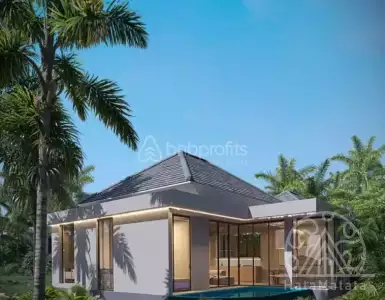
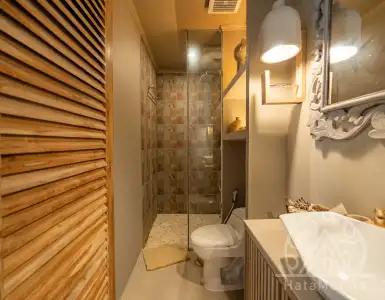
Take the tranquility of Bali’s cultural centre with this exquisite villa located in the charming Ubud area. Designed with Japanese...
Submit Request
 0
0
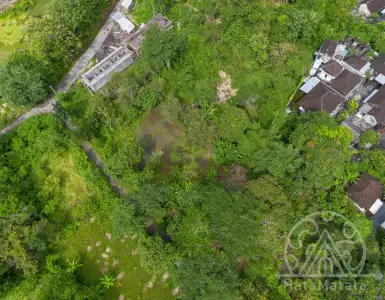
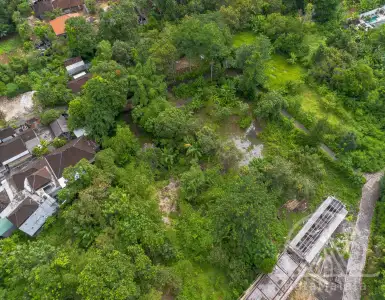
The land is located in a quiet part of Ungasan, offering a well-proportioned size suitable for comfortable and flexible property...
Submit Request
 0
0
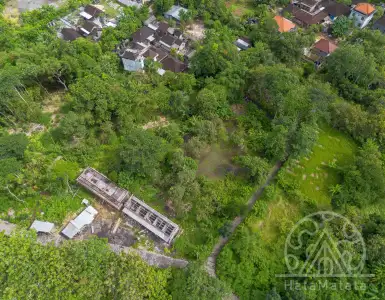
This 5-are plot of land is located in a calm part of Ungasan, offering an ideal balance between privacy and...
Submit Request
 2
2
88
2
2
88
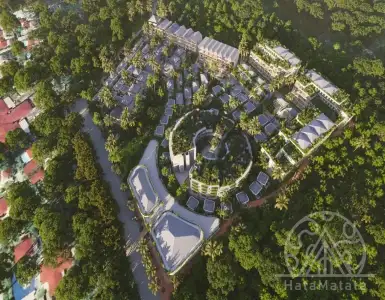
Situated within the prestigious enclave of Bukit – Nusa Dua, this off-plan leasehold villa presents a rare opportunity to secure...
Submit Request
 0
0
This 2-are plot of land is located in a quiet yet well-connected part of Ungasan, offering a practical option for...
Submit Request
 2
2
90
2
2
90
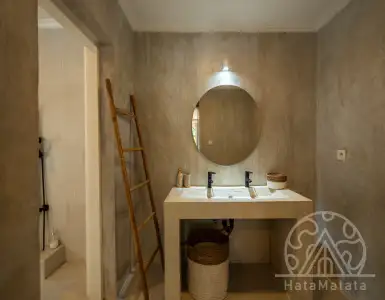
This villa in Ungasan offers a comfortable and well-balanced living environment, set on 240 sqm of land with a 90...
Submit Request
 5
5
330
5
5
330
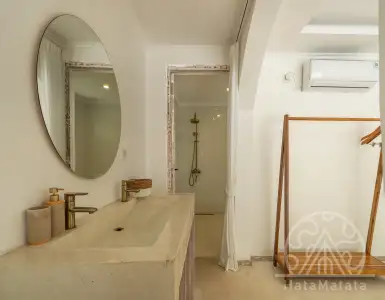
Designed as two neighboring villas that can function independently or as one seamless residence, this interconnected property offers a rare...
Submit Request
 3
3
240
3
3
240
Soft Mediterranean character meets the calm atmosphere of Ungasan in a beautifully designed two-level villa set on 300 sqm of...
Submit Request
 1
1
42
1
1
42
This fully furnished apartment offers a well-designed living space ideal for everyday comfort in Ubud. With a building size of...
Submit Request
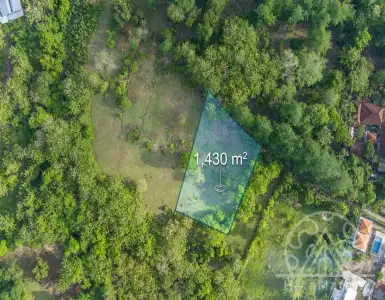 1430
1430
Located in the increasingly sought-after Balangan area, this 1,430 sqm freehold land offers a strong foundation for long-term investment in...
Submit Request
 1
1
50
1
1
50
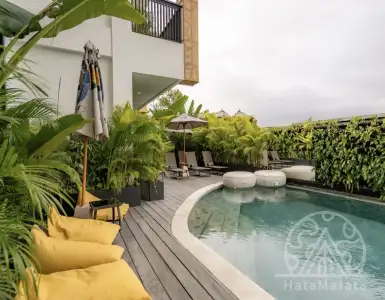
Experience the best of modern living in this brand-new 1-bedroom apartment located in the vibrant neighborhood of Berawa. Designed with...
Submit Request
 2
2
130
2
2
130
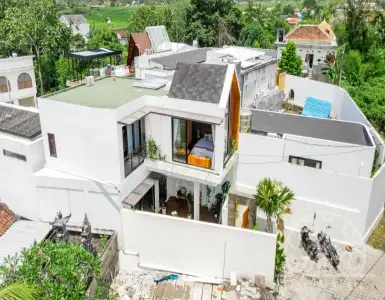
Located in the serene and increasingly desirable enclave of Tabanan – Cempaka, this newly completed two-bedroom villa presents an exceptional...
Submit Request

Didnt find the right facility?
Leave a request - we will handle the selection and send the best offers in a short period of time



Irina Nikolaeva
Sales Director, HataMatata
House in Ubud-Pejeng
Real estate in Ubud-Pejeng for living, investment and residence permit
- ✓ Verified properties directly from developers
- ✓ No overpayments or commissions
- ✓ Guarantee of transaction purity and post-purchase support
International Real Estate Consultant
Need help choosing a property?
Leave a request and our manager will contact you.
International Real Estate Consultant
Need help choosing houses in Ubud-Pejeng?
Leave a request and we will select the 3 best options for your budget
!
Land for sale in Bukit, Indonesia 81 555 $
The land is located in a quiet part of Ungasan, offering a well-proportioned size suitable for comfortable and flexible property...
!
Sell land in Bukit, Indonesia 135 925 $
This 5-are plot of land is located in a calm part of Ungasan, offering an ideal balance between privacy and...
🇮🇩 Ubud-Pejeng houses with rice-field views and proximity to cultural sites
Ubud-Pejeng is a unique residential market where traditional Balinese culture, rice-terrace landscapes and a steady flow of international visitors create sustained demand for houses. Buyers looking to buy house in Ubud-Pejeng will meet a mix of compact family homes, standalone villas on hillside plots and adaptive reuse properties near the cultural core of Ubud. Local infrastructure—markets in Ubud centre, the cultural precinct around Ubud Palace and the main artery Jalan Raya Ubud—shapes where buyers seek house, while proximity to yoga studios, galleries and wellness centres determines rental performance. For investors and private purchasers alike, the area combines lifestyle appeal with clear seasonal and long-stay rental windows, making Investment in house in Ubud-Pejeng a frequently considered strategy.
💶 How much House costs in Ubud-Pejeng
House prices in Ubud-Pejeng are diverse and tied to micro-location, views and plot size. In the inner Ubud areas with easy access to Monkey Forest and the main artisan streets, average prices for houses and small villas commonly start at around USD 250,000 for modest standalone homes and rise to USD 1,000,000+ for luxury riverfront or valley villas. In Pejeng and the surrounding villages prices are generally lower per sqm but can increase where land offers panoramic valley views.
House price breakdown by district (typical market ranges):
- Ubud centre (Monkey Forest, Jalan Raya Ubud): USD 250,000–1,500,000; smaller homes 70–150 m², premium villas 250–600 m².
- Sayan and Campuhan (hillside river valleys): USD 400,000–2,500,000 for valley-view villas, plots 300–1,200 m².
- Pejeng, Pejeng Kaja, Pejeng Kangin (eastern villages): USD 120,000–600,000 for houses on 200–1,000 m² plots.
- Peliatan, Kedewatan, Mas (arts & crafts belt): USD 180,000–800,000 depending on proximity to galleries and tourism nodes.
House prices by category and typical land/size:
- Small family house (2–3 bedrooms): USD 80,000–300,000, 70–180 m² living area.
- Mid-range villa (3–4 bedrooms): USD 300,000–900,000, 180–350 m² plus gardens.
- Luxury villa (private pools, views): USD 900,000–3,500,000, 300–1,200 m² plots.
Resale house in Ubud-Pejeng inventory is active around the core; new developments in Ubud-Pejeng are rarer and usually boutique villa clusters or private-residence programs connected to major hotels.
🎯 Which district of Ubud-Pejeng to choose for buying house in Ubud-Pejeng
Ubud centre is best for buyers prioritizing walkability to restaurants, galleries and cultural venues. Buyers who want reliable short-term rental income and effortless guest access typically choose neighborhoods within 1–2 km of Ubud Palace and the Monkey Forest.
District advantages at a glance:
- Ubud (central): Walk-to-amenities, strong short-stay demand, higher per-sqm prices.
- Sayan / Campuhan: Premium buyers seek river-valley views, high-end hospitality nearby (Four Seasons Sayan), stronger capital values.
- Pejeng / Pejeng Kaja / Pejeng Kangin: Lower entry prices, larger plots, agricultural scenery — attractive for long-stay rentals and owner-occupiers wanting privacy.
- Peliatan / Kedewatan / Mas: Close to artisan workshops and galleries, balanced demand from expats and local professionals.
Foreign buyers who want a second home house in Ubud-Pejeng often prefer Sayan and Ubud centre for lifestyle and resale liquidity, while investors focused on yield may target Pejeng where land buys larger yields at lower entry prices.
📈 Economy and tourist flows shaping the House market in Ubud-Pejeng
Ubud-Pejeng’s economy is anchored by tourism, arts & crafts, wellness tourism and a growing remote-worker segment. Tourism demand drives short-stay rental performance during high seasons and feeds mid-term leases to international professionals and retreat organisers. Local business activity includes galleries, artisan workshops (Mas woodcarvers, Peliatan painters), spas and boutique hotels that sustain year-round occupancy.
Key economic factors that affect liquidity and yield:
- Tourist footfall and retreat tourism generate predictable rental windows and higher nightly rates in central Ubud and Sayan.
- Local employment in hospitality and creative industries supports medium-term rental market for staff and managers.
- Regulatory and tax environment influences operating costs; VAT on new developments and local taxes on accommodation affect net yield.
Investors analysing Investment house in Ubud-Pejeng consider both seasonal fluctuation and a stable base of long-stay visitors (retreats, digital nomads) that provide a resilient rental market relative to purely beach resort locations.
🏘️ Leading developers and projects in Ubud-Pejeng where House is represented
High-profile hospitality operators maintain significant influence on local residential standards and sometimes offer private residences or resale opportunities tied to their brands. Notable operators and developments active in or adjacent to Ubud-Pejeng include:
- Four Seasons Resort Sayan (Sayan) — internationally recognised resort adjacent to valley villas and private retreats; premium district with high-profile resale villas.
- COMO Uma Ubud (Peliatan area) — hospitality brand with wellness facilities influencing nearby residential demand and long-stay occupancies.
- Green Village (Sibang, near Ubud) — eco-luxury timber homes and private villas offering architecturally distinctive properties and strong niche-market appeal.
- Komaneka Collection (Bisma / Monkey Forest belt) — boutique properties and serviced villas that drive premium short-stay demand.
- Maya Ubud (Poh Gading) and Alila Ubud (Payangan, nearby) — resort-led communities creating demand corridors for quality houses and villas.
Project features and typical developer terms:
- Format: boutique villa clusters, private residences, serviced villas.
- Infrastructure: private pools, landscaped gardens, hotel-level housekeeping options.
- Payment options: reservation deposit, staged progress payments; some developers offer developer installment plan in Ubud-Pejeng up to 12–36 months interest-free for early buyers.
🧾 Mortgage and installment options for foreigners buying House in Ubud-Pejeng
Foreigners can secure financing but conditions are stricter than for residents. Local banks that have historically provided mortgages to expatriates or foreigners with Indonesian residency status include BCA, BNI, Bank Mandiri and occasionally international banks operating locally. Typical terms and expectations:
- Down payment: commonly 30–50% of the purchase price for foreigners.
- Interest rates: indicative range around 8–12% annual for mortgage products targeted at non-resident buyers depending on bank and currency.
- Loan terms: up to 15–20 years for qualifying borrowers with stable income and long-term residence.
Developer financing and installment features:
- Short developer plans: 6–36 months interest-free staged payments tied to construction milestones.
- Longer phased payments: up to 3–5 years with interest, sometimes available via established hotel developers for branded residences.
- House in Ubud-Pejeng with installment plan often involves an initial reservation fee (1–5%) followed by progressive payments (construction stage percentages) and a final settlement before transfer.
Buy house as a foreigner in Ubud-Pejeng frequently combines a developer installment for acquisition plus a separate mortgage if the buyer needs longer-term leverage.
📝 Legal process of buying House in Ubud-Pejeng
The transaction path includes selection, reservation, due diligence, contract signing, payment and registration with a notary. Steps buyers can expect:
- Selection & reservation: Pay a reservation fee (commonly IDR 10–50 million or a percentage) to secure the property while due diligence is completed.
- Due diligence: Title checks, confirmation of existing land rights (Hak Milik, HGB, Hak Pakai), utility connections and building permits.
- Sale and Purchase Agreement (PPJB) and Deed of Transfer (AJB): Notary prepares the AJB for transfer of rights; registration at Badan Pertanahan Nasional (BPN) follows.
Mandatory costs and taxes typically encountered:
- BPHTB (land transfer tax): commonly around 5% of transaction value minus allowances.
- Notary fees and registration: variable, often 1–2% total transaction.
- VAT and developer charges: 10% VAT may apply to new developments sold by developers.
- Timeline: from reservation to AJB and registration typically 4–12 weeks for resale houses; new construction can extend timelines according to completion stages.
⚖️ Legal ownership, taxes, permits, visas and citizenship implications for House in Ubud-Pejeng
Foreign ownership in Indonesia is restricted. Key legal realities for buyers:
- Direct freehold (Hak Milik) is reserved for Indonesian citizens; foreigners generally acquire Hak Pakai (Right to Use) or Hak Guna Bangunan (HGB) via a local entity or PMA (foreign-owned company).
- Property purchase does not automatically grant a residence permit or citizenship; visas and KITAS/KITAP procedures remain separate administrative routes.
- Taxes: annual land and building tax (PBB) is typically modest; transfer taxes (BPHTB) and seller income taxes apply on sale. Short-term rentals may require local business permits and tourism-related licenses.
Rental and regulatory notes:
- Short-term rental platforms require compliance with local district regulations and hotel/Accommodation tax reporting; enforcement varies by village.
- Nominee arrangements to obtain Hak Milik are illegal and risky; using a PMA or obtaining Hak Pakai are the lawful pathways for foreigners.
🏡 Best purposes for buying House in Ubud-Pejeng
Ubud-Pejeng suits a broad range of buyer profiles. Typical use-cases and district matches:
- Owner-occupied living and relocation: families and professionals often buy in Peliatan, Kedewatan, Mas for community amenities and proximity to schools and health services.
- Second home and seasonal residence: buyers seeking wellness and art culture favour Ubud centre, Sayan, and Campuhan for scenic access and services.
- Rental investment and ROI: investors targeting short-stay yield focus on Ubud centre and Sayan, while long-term rental and cost-efficient yields arise from Pejeng villages.
- Premium/pedigree investments: buyers seeking branded or high-amenity villas concentrate on properties associated with Four Seasons Sayan, COMO Uma Ubud or Green Village.
Typical performance metrics:
- Rental yield of house in Ubud-Pejeng varies widely but experienced investors track net yields after taxes and management between 4–8% for well-managed short-stay villas; long-term leases deliver lower nominal yields but greater occupancy stability.
Looking ahead, demand patterns for House in Ubud-Pejeng are likely to remain underpinned by cultural tourism, wellness travel and the growing remote-work community. As infrastructure upgrades and boutique hospitality projects continue across Gianyar Regency, buyers positioned in quality locations with compliant legal structures and proper due diligence can tap both lifestyle benefits and steady investment prospects across the Indonesian property market.
Frequently Asked Questions
In Ubud-Pejeng prices vary widely: land/value homes often list from IDR 1.5–10 billion (≈ USD 100k–650k). Per‑sqm asking prices commonly range IDR 15–40 million (≈ USD 1,000–2,700). Small local houses or starter villas start around IDR 800 million–2.5 billion; luxury villas and estates can exceed IDR 5 billion. Negotiation and location (rice-field view, access) drive final price.
Foreigners cannot hold freehold (Hak Milik) for land in Ubud-Pejeng. Typical legal routes: leasehold agreements or title under Right to Use (Hak Pakai) — often 25–30 years with extensions. Buying via a local company (PT PMA) is possible but complex. Use proper legal checks; nominee arrangements are risky and unlawful.
No — purchasing property in Ubud-Pejeng does not automatically grant residency or citizenship. Residency options include investor or work KITAS tied to a company or business investment. Processing generally ranges weeks to a few months; initial KITAS terms are usually issued for 6–12 months and are renewable annually. Citizenship requires long-term legal residence and separate procedures.
Short-term villa gross yields in Ubud-Pejeng typically run 5–8% annually; well-marketed properties in good locations can reach 8–10% gross. Seasonal occupancy averages 50–70% across the year, higher during peak tourist months. Net yield depends on management fees (15–30%), maintenance and local taxes.
From offer to transfer usually 1–4 months. Typical steps: due diligence (2–4 weeks), sale agreement and deposit, notary/title transfer (2–6 weeks), tax settlements and registration. Complex cases (company structures, lease conversions) can add months. Allow buffer for village approvals and paperwork.
Buyers commonly pay BPHTB (land transfer tax) ~5% of transaction value above exemption, plus notary and registration fees (1–2%). Sellers often face final PPh around 2.5% of sale. Annual property tax (PBB) is low, roughly 0.5% of assessed value (NJOP). Budget 7–10% extra for transaction costs and closing.
Yes for lifestyle seekers: Ubud-Pejeng offers rice‑field scenery, healthcare access in nearby Ubud, international schools within 20–45 minutes, and a strong expat community. Expect travel time to the international airport of about 60–90 minutes by car. Monthly living for a comfortable expat life typically ranges USD 800–1,800 depending on lifestyle.
Yes — Ubud-Pejeng has strong adat (traditional) village rules and subak irrigation protections. You need formal building permits (IMB/OSS registration), village approval, and respect setbacks and height limits. Some plots near irrigation or temples face stricter restrictions. Permit timelines typically 1–6 months depending on complexity.
Financing options: local bank mortgages (KPR) are possible for residents or expats with KITAS; down payments commonly 20–30%, tenors up to 10–15 years. Interest rates vary (roughly mid-single to low‑double digits). Cash purchases remain common. Expect banks to require proof of income, residency status, and local guarantors in some cases.
Checklist: verify land title type (Hak Pakai/Lease), seller ID, clean tax history, IMB/permits, village/adat clearance, subak/irrigation status, flood/soil risk, zoning, and existing encumbrances. Hire a notary and legal review; allow 2–6 weeks for thorough checks and get clear transfer and payment timelines in writing.
Properties by Region
- Houses in Bali (1858)
Properties by Country
- Real estate in Bulgaria (11408)
- Real estate in Montenegro (5375)
- Real estate in Indonesia (2423)
- Real estate in Spain (2289)
- Real estate in Portugal (1975)
- Real estate in Italy (1906)
- Real estate in Turkey (1699)
- Real estate in Cyprus (1594)
- Real estate in Thailand (1565)
- Real estate in Croatia (1431)
- Real estate in Greece (1082)
- Real estate in USA (1013)
- Real estate in France (1006)
- Real estate in Georgia (519)
- Real estate in Serbia (328)
- Real estate in Slovenia (123)
- Real estate in Egypt (23)
Get the advice of a real estate expert in Ubud-Pejeng — within 1 hour
Looking for a property in Ubud-Pejeng? Leave a request — we will help you take into account all the nuances, and we will offer objects according to your personal request.

Maria Guven
Head of Direct Sales Department
+90-507-705-8082