


House in Ubud
Real estate in Ubud for living, investment and residence permit
- ✓ Verified properties directly from developers
- ✓ No overpayments or commissions
- ✓ Guarantee of transaction purity and post-purchase support

International Real Estate Consultant
Need help choosing a property?
Leave a request and our manager will contact you.
International Real Estate Consultant
Hot Deals

For Sale house in Ubud
Recommended to see

 1
1
 1
1
 42
42
This fully furnished apartment offers a well-designed living space ideal for everyday comfort in Ubud. With a building size of...
Submit Request
 4
5
200
4
5
200
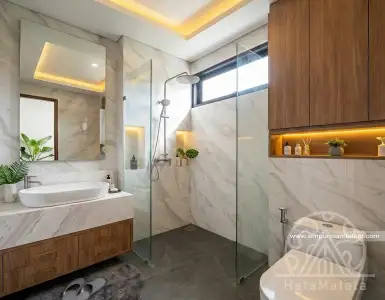
Set on a land size of approximately 200–225 sqm with a total building area of 284 sqm, this leasehold villa...
Submit Request
 2
2
125
2
2
125
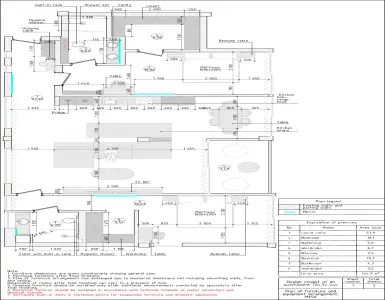
Own a sophisticated, fully furnished penthouse residence in the heart of Ubud, Bali’s world-renowned cultural and lifestyle destination. Priced from...
Submit Request
 2
2
100
2
2
100
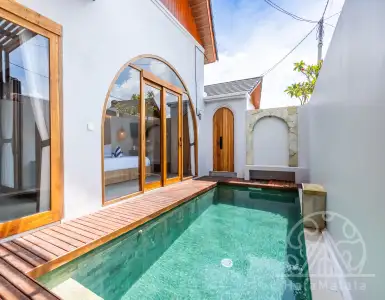
Located in a peaceful yet well-connected part of Ubud, this newly built two-bedroom private villa offers a balanced blend of...
Submit Request
 1
1
100
1
1
100
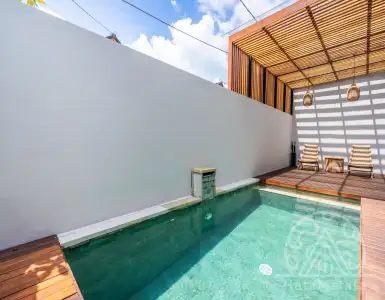
Located in a peaceful yet well-connected part of Ubud, this newly built two-bedroom private villa offers a balanced blend of...
Submit Request
 0
0
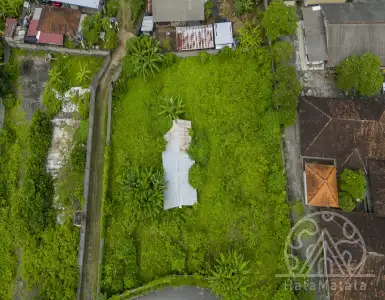
Nestled in the culturally rich district of Sukawati, this expansive 16-are (1,600 sqm) plot offers a rare opportunity in one...
Submit Request
 0
0
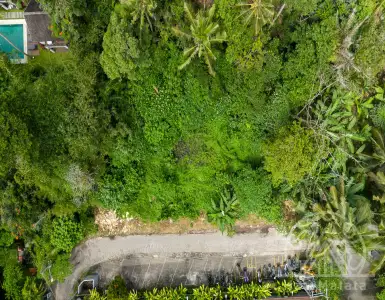
This 18-are (1,800 sqm) plot offers a rare opportunity to secure land in one of Ubud’s most prestigious and sought-after...
Submit Request
 2
2
70
2
2
70
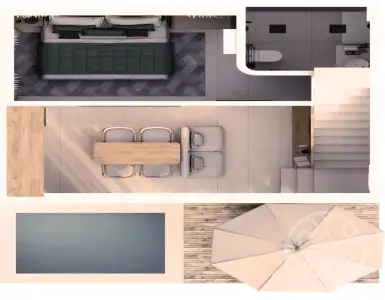
Nestled in the heart of Ubud’s vibrant tourist center, this exceptional off-plan villa presents a rare opportunity for those seeking...
Submit Request
 1
1
44
1
1
44
This thoughtfully designed apartment offers a calm and nature-oriented lifestyle in one of Ubud’s most sought-after central locations. Surrounded by...
Submit Request
 2
2
385
2
2
385
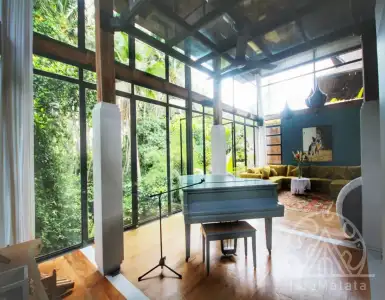
Discover the epitome of luxury living in the heart of Bali’s cultural hub with this exceptional 2-bedroom villa in Ubud....
Submit Request
 4
4
520
4
4
520
Nestled in the cultural heart of Ubud, this 4-bedroom villa in Mas presents a perfect blend of contemporary design...
Submit Request
 1
1
83
1
1
83
Looking for an amazing blend of luxury and community living? Check out this fully furnished, premium apartment in the heart...
Submit Request

Didnt find the right facility?
Leave a request - we will handle the selection and send the best offers in a short period of time



Irina Nikolaeva
Sales Director, HataMatata
House in Ubud
Real estate in Ubud for living, investment and residence permit
- ✓ Verified properties directly from developers
- ✓ No overpayments or commissions
- ✓ Guarantee of transaction purity and post-purchase support
International Real Estate Consultant
Need help choosing a property?
Leave a request and our manager will contact you.
International Real Estate Consultant
Need help choosing houses in Ubud?
Leave a request and we will select the 3 best options for your budget
!
Flat for sale in Ubud, Indonesia 121 500 $
This fully furnished apartment offers a well-designed living space ideal for everyday comfort in Ubud. With a building size of...
!
For sale Villa in Ubud, Indonesia 328 319 $
Set on a land size of approximately 200–225 sqm with a total building area of 284 sqm, this leasehold villa...
🇮🇩 Ubud houses with rice-terrace views, tropical gardens and traditional Balinese design
Ubud is a magnet for buyers who want culture, rice terraces and a lifestyle that blends Balinese tradition with international comfort. Located in Bali’s central highlands, Ubud combines valley microclimates, dense cultural infrastructure and strong tourism demand that directly shape the market for a house in Ubud. For private buyers and investors alike, Ubud offers options from compact traditional compounds and family homes to high-end river-valley villas that command premium rents and resale values. This text explains the district-level market, pricing, developers and the legal and financial steps required to buy house in Ubud, giving practical figures and locally relevant guidance.
🌳 Characteristics of Ubud and factors shaping demand for house in Ubud
Ubud sits in a valley of rivers and terraced rice fields at an elevation of about 200–400 meters above sea level, producing a milder climate than coastal Bali with average daytime temperatures around 22–30°C and higher humidity during the wet season. The geography—steep ravines, riverbanks (notably the Ayung River), and contiguous rice terraces—creates zoned development: town center density, riverside luxury villas, and rural rice-field parcels. That geography determines where a buyer can expect a compact urban house versus a larger villa plot with views and privacy.
Access and infrastructure concentrate demand. Ubud is approximately 35–45 kilometres from Ngurah Rai International Airport, equivalent to 1.5–2.5 hours by car depending on traffic. The town has a network of narrow roads, walkable center streets, and growing co-working and hospitality infrastructure—art galleries, yoga studios, high-end restaurants and boutique spas. Demand for a house in Ubud is therefore highest where walkability, access to cultural venues and road connectivity converge.
Lifestyle and market structure matter for buyers. Ubud’s housing stock mixes traditional compounds (rumah adat), modern family houses, bespoke villas and small boutique developments. Domestic buyers and expat long-term residents predominate in central Ubud and Penestanan; premium short-term rental demand concentrates in Sayan, Campuhan and Tegallalang. This mix affects liquidity: compact houses in town sell faster, while large river-facing villas trade at slower but steadier rates with higher price per unit land area.
💶 How much House costs in Ubud
Prices vary widely by location, plot size and finish level. As a practical guide, expect the following ranges for properties marketed as a house in Ubud, quoted in USD for comparability and investor planning:
- Ubud town center: USD 200,000–USD 800,000 for houses on 100–400 sqm plots.
- Penestanan and Lodtunduh: USD 150,000–USD 900,000 depending on view and renovations.
- Sayan and Campuhan (river-valley villas): USD 500,000–USD 5,000,000+ for luxury villas on 500–2,000 sqm.
- Tegallalang and Payangan (rice-terrace views): USD 200,000–USD 1,500,000.
- Mas (artisan district): USD 120,000–USD 600,000.
Key price drivers are land area (sqm), building quality (local finish vs. imported materials), view corridor (river/terrace), and permitted legal title (Hak Milik not available to foreigners). Market dynamics show steady buyer interest in mid-range villas and high-end river sites, with resale turnover faster in the USD 150,000–400,000 band.
- Typical house sizes and prices:
- Compact family house: 80–200 sqm, USD 120,000–USD 350,000.
- Two- to three-bedroom villa: 150–350 sqm, USD 250,000–USD 900,000.
- High-end private villa with pool: 300–1,500 sqm built/land, USD 500,000–USD 5,000,000.
🎯 Which district of Ubud to choose for buying house in Ubud
Ubud’s neighborhoods each serve distinct buyer goals. Choose based on lifestyle, rental potential and budget.
- Ubud Central (Ubud Kelod, Ubud Kaja)
- Advantages: walkable to Ubud Palace, markets, restaurants and galleries; strongest resale liquidity.
- Typical buyers: families, buyers seeking relocation to Ubud, investors targeting medium-term rentals.
- Price indicator: USD 200k–USD 800k.
- Penestanan and Lodtunduh
- Advantages: artist village atmosphere, close cafes, popular with expats and creatives; narrow lanes and private compounds.
- Typical buyers: second-home buyers, lifestyle-focused owners.
- Price indicator: USD 150k–USD 900k.
- Sayan and Campuhan
- Advantages: river valley views, proximity to Mandapa (Ritz‑Carlton Reserve) and luxury hospitality anchors; high short-term rental yield potential.
- Typical buyers: premium investors, boutique hotel conversions.
- Price indicator: USD 500k–USD 5m+.
- Tegallalang and Payangan
- Advantages: rice-terrace panoramas, larger plot sizes, quieter rural setting; appeal for eco-retreats and private estates.
- Typical buyers: developers, investors building villas, buyers seeking larger land.
- Price indicator: USD 200k–USD 1.5m.
- Mas and Sukawati fringe
- Advantages: artisan workshops, lower land costs, good access to southern Ubud transport corridors.
- Typical buyers: budget-focused buyers and craftsmen.
- Price indicator: USD 120k–USD 600k.
🏗️ Leading developers and projects where House is available in Ubud
Ubud is dominated by boutique developers rather than mass-market high-rise builders. Hospitality brands and villa operators create spillover demand for private houses and branded residences.
- Recognizable brands and projects active in or around Ubud:
- Mandapa, a Ritz-Carlton Reserve (Sayan) — premium hospitality anchor that sustains ultra-luxury villa demand.
- Four Seasons Resort Sayan — international brand raising profile for river-valley residences.
- COMO Shambhala Estate and Alila Ubud — wellness-focused properties that drive high-end rental expectations.
- Local villa developers and agencies (custom builders and Bali villa specialists) deliver turnkey homes and private villas tailored for investors.
Developers’ product formats and payment terms vary:
-
Boutique villa developers: offer bespoke villas, often with local construction timelines 6–18 months, payment schedules with staged deposits.
-
Hospitality-backed residences: occasional branded residences with premium pricing and management agreements; payment terms usually require larger down payments and staged progress payments.
-
Resale market: independent vendors, small local developers and ex-pat sellers list completed houses with immediate occupancy.
-
Typical developer features to evaluate:
- Infrastructure delivery (septic, water bore, mains electricity).
- IMB building permit and completion certificates.
- Offerings of property management and rental marketing.
🏦 Mortgage and installment conditions for foreigners buying House in Ubud
Financing a house in Ubud for foreigners involves local banks, developer financing and international lenders. The landscape is restrictive but functional for motivated buyers.
-
Mortgage availability and typical conditions:
- Local Indonesian banks and a few international branches can offer mortgages to foreigners with long-term residency, local income proof or collateral. Expect interest rates in the range of 7–12% depending on bank, borrower profile and currency.
- Loan-to-value (LTV) ratios for foreigners tend to be conservative: 50–70% for approved applicants; tenors commonly up to 15–20 years for local mortgages.
- Banks commonly require Indonesian identification for administrative steps, proof of income, and asset declarations. Documentation includes passport, KITAS or KITAP for long-term residents, and sometimes a local guarantor.
-
Developer installment plans and common practices:
- Short to mid-term installments: 12–60 months interest-free or low-interest pre-sales plans with staged payments (booking deposit 5–15%, progress payments).
- Long-term developer financing: some reputable developers offer extended installments up to 5–10 years, sometimes linked to construction milestones.
- Foreign buyers often combine a developer installment plan during construction with later refinancing via a bank mortgage once residency and documentation are in order.
🧾 Step-by-step process to buy house in Ubud
The transaction sequence follows a consistent pattern with required legal checks and local procedures.
-
Selection and reservation
- Choose a property, confirm legal title and issue a reservation with a written deposit (commonly 5–10% of agreed price).
- Obtain seller identity and land certificate details; ask the notary to verify the latest BPN (Land Agency) records.
-
Due diligence and contract
- Conduct due diligence: check Sertifikat type (land certificate), IMB (building permit), PBB (property tax receipts), boundaries and any encumbrances.
- Sign a PPJB (Perjanjian Pengikatan Jual Beli — sale-purchase binding agreement) with escrow or notary oversight; deposit schedule and penalties must be explicit.
-
Completion and registration
- Finalize payment, notarize AJB (Akta Jual Beli) before a PPAT (land deed official), pay acquisition tax (BPHTB) and register the transfer at BPN.
- Typical timeline from reservation to notarized transfer ranges from 1–3 months for clear-title resale to 6–18 months for developer projects.
-
Mandatory costs to budget for:
- Acquisition Duty (BPHTB): commonly 5% of transaction value or assessed value.
- Notary/PPAT fees and registration: typically 1–3%.
- Seller taxes and any capital gain taxes may apply; buyers sometimes bear agency fees depending on agreement.
⚖️ Legal specifics of owning house in Ubud for foreigners
Indonesian land law defines ownership types and foreign access; understanding title mechanics is essential for a secure buy house in Ubud.
-
Land title types and foreign options
- Hak Milik (freehold) is restricted to Indonesian citizens and cannot be held directly by foreigners.
- Foreign buyers typically purchase via Hak Pakai (Right to Use) for residential purposes, long-term lease contracts, or by establishing a foreign-owned company (PT PMA) to obtain Hak Guna Bangunan (HGB) or use-based rights. Each route has different registration processes and renewal mechanics.
- Lease terms commonly run 25–30 years with contractual renewal options; when structured correctly, cumulative tenure can extend through renewals and company structures.
-
Taxes, registration and residence implications
- Property purchase does not automatically confer a residence permit or citizenship. For residency, buyers rely on visas: investor KITAS can be obtained through a PMA company with qualifying capital investment; retirement and family visas are alternative paths.
- Citizenship through property purchase is not available in Indonesia; naturalization follows separate stringent legal requirements.
- Annual property tax (PBB) is modest relative to market value; acquisition and transfer taxes and notary fees are the primary transactional costs.
🧭 Which purposes suit buying house in Ubud
Different buyer goals align with districts, property types and budgets.
- Living and relocation
- Ubud central, Penestanan and Lodtunduh serve long-term residents: close to schools, healthcare clinics and coworking spaces. Typical houses: 2–3 bedrooms, compact plots 100–300 sqm.
- Seasonal or second-home use
- Buyers seeking a seasonal retreat prefer Penestanan, Sayan and Tegallalang for quieter settings and scenic views. Villas with private pools and on-site staff are common.
- Rental and investment
- Short-term rental demand concentrates in Sayan and Campuhan; expect higher nightly rates but seasonality in occupancy. Long-term rentals and expatriate leases perform well in central Ubud and Penestanan.
- Typical rental yield for villas and houses in Ubud ranges from 4–8% gross depending on management, seasonality and marketing.
- Family purchase and education
- Families moving to Ubud choose neighborhoods near international and bilingual schools, healthcare providers and community infrastructure; central Ubud and Lodtunduh offer the best access.
- Premium and boutique investment
- High-net-worth investors target river-valley villas near the Four Seasons or Mandapa for branded management and ultra-luxury returns; these properties demand specialized marketing and higher maintenance budgets.
Ubud’s market continues to attract buyers who value culture, wellness and nature combined with solid rental demand from tourism and medium-term residents. As infrastructure improvements, hospitality brand presence and niche developer offerings expand across the valley and terraces, prospects for capital appreciation and diversified rental strategies remain compelling for those who conduct careful legal and technical due diligence before purchase.
Frequently Asked Questions
Houses and villas in Ubud range widely: modest homes start around USD 150,000–250,000, mid-range villas USD 300,000–1,000,000, and luxury estates USD 1–5+ million. Price per square metre commonly sits between about USD 800 and USD 3,000 depending on proximity to central Ubud or rice-terrace views.
No. Foreigners cannot hold Hak Milik (freehold). Common options: long lease agreements (often 25–30 years with renewal clauses) or structures via a local company using HGB/Hak Pakai arrangements. Each route has legal steps and paperwork; expect 4–8 weeks to set up agreements and register rights.
Buying property in Ubud does not automatically grant residency or citizenship. Indonesia requires separate visas. Investor KITAS is possible if you invest via a local company and meet immigration and capital/employment rules; processing typically takes 1–3 months. Consult immigration for exact criteria.
Common costs: BPHTB (acquisition tax) about 5% of taxable sale value, notary/PPAT fees roughly 0.5–2% of price, and registration fees. Annual property tax (PBB) is small, often under 0.5% of assessed value. Budget 6–8% of purchase price for taxes and professional fees combined.
A straightforward purchase with clear title often completes in 4–12 weeks: 1–2 weeks negotiation, 2–6 weeks due diligence and contracts, and 1–4 weeks for transfer and registration at BPN. Complications (title issues, permits) can extend this to several months.
Mortgages for non-residents are limited. Local banks commonly lend to Indonesian residents or expats with KITAS; expect down payments of 30–50% and loan-to-value 50–70% for qualified applicants. Interest rates for resident borrowers typically range in the mid-single to low-double digits; processing 4–8 weeks.
Gross rental yields for holiday villas in Ubud commonly range 4–8% annually; long-term rentals may yield 3–5%. Occupancy varies seasonally (often 40–80%). Net returns depend on management, maintenance, and marketing—allow for 20–40% of gross as operating costs.
For investment: central Ubud, Penestanan, and Sayan attract tourists and short-term renters, offering higher rental demand. For quiet lifestyle: villages around Tegallalang and outskirts offer rice terrace views and privacy. Expect price and liquidity differences: central properties sell faster; outskirts may offer lower per-m² cost.
Essential due diligence: verify land certificate type at BPN, check for encumbrances/debts, confirm PBB history and boundaries, inspect building permits (IMB/OSS), and review lease terms if any. Allow 2–4 weeks for professional checks (notary, land office, surveyor) before signing.
Yes. Building must comply with local zoning and require a building permit through the OSS/IMB process. Simple renovations may still need approval. Permit timelines vary by scope: minor permits 2–6 weeks, larger building permits 1–3 months. Non-compliance risks fines or demolition orders.
Properties by Region
- Houses in Bali (1858)
Properties by Country
- Real estate in Bulgaria (11408)
- Real estate in Montenegro (5371)
- Real estate in Indonesia (2423)
- Real estate in Spain (2289)
- Real estate in Portugal (1975)
- Real estate in Italy (1897)
- Real estate in Turkey (1699)
- Real estate in Cyprus (1590)
- Real estate in Thailand (1565)
- Real estate in Croatia (1431)
- Real estate in Greece (1082)
- Real estate in USA (1013)
- Real estate in France (1006)
- Real estate in Georgia (519)
- Real estate in Serbia (328)
- Real estate in Slovenia (123)
- Real estate in Egypt (23)
Get the advice of a real estate expert in Ubud — within 1 hour
Looking for a property in Ubud? Leave a request — we will help you take into account all the nuances, and we will offer objects according to your personal request.

Maria Guven
Head of Direct Sales Department
+90-507-705-8082