


Land in Indonesia


Choosing a property in Indonesia for your request
- 🔸 Reliable new buildings and ready-made apartments
- 🔸 Without commissions and intermediaries
- 🔸 Online display and remote transaction
Our managers will help you choose a property

Liliya
International Real Estate Consultant
Need help choosing a property?
Leave a request and our manager will contact you.
Our managers will help you choose a property
Liliya
International Real Estate Consultant

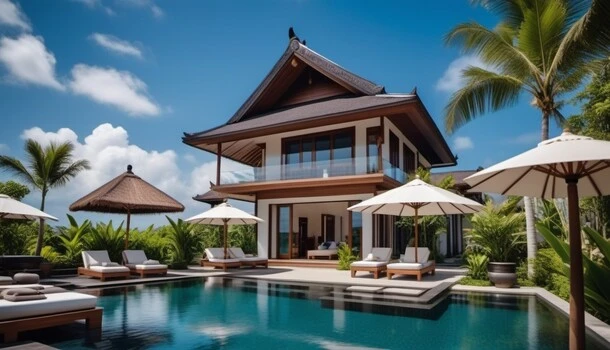
Weather in Indonesia
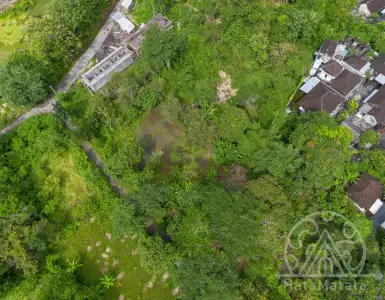
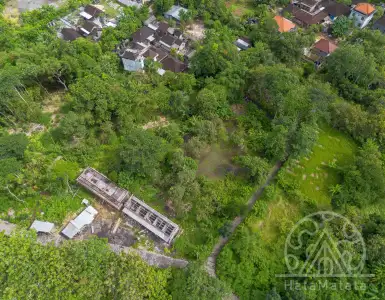
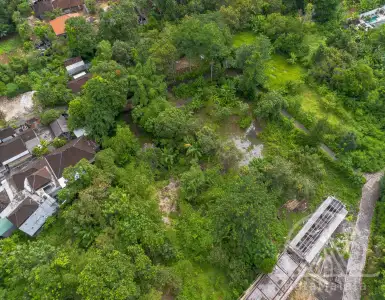
For Sale land in Indonesia
Lands in Bali

Didnt find the right facility?
Leave a request - we will handle the selection and send the best offers in a short period of time



Irina Nikolaeva
Sales Director, HataMatata
Land in Indonesia
Choosing a property in Indonesia for your request
- 🔸 Reliable new buildings and ready-made apartments
- 🔸 Without commissions and intermediaries
- 🔸 Online display and remote transaction
Our managers will help you choose a property
Liliya
International Real Estate Consultant
Need help choosing a property?
Leave a request and our manager will contact you.
Our managers will help you choose a property
Liliya
International Real Estate Consultant
Individual selection lands in Indonesia
Save time — for free we will select objects for your budget and goals
🇮🇩 Land ownership rules, zoning and costs for foreign buyers in Indonesia
Indonesia’s archipelago of over 17,000 islands offers an exceptional spectrum of land opportunities for private buyers and institutional investors, from beachfront parcels in Bali to industrial plots in Java and plantation estates in Sumatra. Buying land here requires understanding local land titles, zoning, and the balance between tourism-driven demand and industrial expansion; decisions are shaped by airport links, seaports, toll roads and economic zones rather than by climate alone. Whether seeking a small villa plot in Canggu or a hectare within an industrial estate near Surabaya, location, title type and infrastructure define value, liquidity and allowable uses.
🗺️ Characteristics of land in Indonesia and factors influencing purchase
Indonesia’s geography creates distinct markets: Java concentrates corporate demand around Jakarta, Bandung and Surabaya, Bali concentrates tourism demand around Canggu, Seminyak and Ubud, while islands like Lombok, Batam and Bintan serve niche resort and cross-border trade needs. Coastal and island locations command premiums due to tourist footfall and limited beachfront supply; inland Java and Kalimantan attract industrial and plantation investment due to land availability and logistics corridors.
Transport infrastructure is a primary value driver: Soekarno–Hatta International Airport (Jakarta), Ngurah Rai International Airport (Bali), the Jakarta–Bandung high‑speed rail corridor and Trans‑Java toll networks reduce time-to-market and boost demand for land near hubs.
Climate and natural risks—monsoon season, flood plains, and volcanic zones—affect insurance, build costs and zoning; buyers look for elevated plots or engineered flood controls in Jakarta and riverine areas. Infrastructure, transport and tourism together shape which neighborhoods are liquid and attractive.
💶 How much land costs in Indonesia and price breakdowns
Land prices vary dramatically by island, city, and plot type; expect urban CBD land to cost multiples of suburban and rural rates. Typical price bands per square metre are:
- Central Jakarta (Sudirman, Thamrin): $2,000–$8,000/sqm for prime plots and redevelopment sites.
- Bali (Seminyak, Canggu beachfront): $300–$3,000/sqm depending on proximity to the sea and tourism nodes.
- Surabaya and Medan: $100–$700/sqm for commercial/residential plots; industrial land outside city cores cheaper.
- Batam/Bintan: $20–$250/sqm for plots serving export/import and resort markets.
- Lombok and Mandalika: $50–$800/sqm for resort‑grade plots near beaches and integrated tourism zones.
Property formats and examples: - Residential villa plots: 200–1,000 sqm, prices $20,000–$2,000,000 depending on location.
- Commercial/retail strips: typically sold per sqm with higher per sqm rates in city centers.
- Industrial land/estate lots: sold by hectare in Jababeka, Cikarang and Marunda, $30,000–$500,000+ per hectare depending on connectivity.
Market dynamics: coastal tourism nodes show high seasonal demand and quicker turnover; industrial corridors show stable long‑term demand with slower liquidity but clearer rental cashflows.
🎯 Which region of Indonesia to choose for buying land depending on use
Bali and Lombok are best for tourist‑oriented plots, high‑end villa markets and short‑term rentals; Denpasar, Badung Regency and Mandalika lead demand for premium beachfront parcels. Jakarta metro (Greater Jakarta/Bekasi/Tangerang) fits commercial redevelopment, logistics and serviced housing due to corporate demand and proximity to Soekarno–Hatta Airport.
Surabaya and East Java are industrial hubs with ports at Tanjung Perak and excellent road links for manufacturing land in Gresik and Pasuruan. Batam and Bintan are strategically positioned for cross‑border trade with Singapore and have special economic zones that influence land use and permissions.
Yogyakarta and Bandung provide balance for education and cultural tourism; southern Lombok and the Gili islands suit boutique resort investments while Kalimantan and Sumatra attract plantation, mining and large‑scale infrastructure investors.
🏗️ Leading developers and projects offering land in Indonesia
Major developers active in land sales and integrated projects include Sinar Mas Land (BSD City) offering mixed‑use land parcels and long‑term masterplans; Ciputra Group (Ciputra World) focusing on high‑end urban plots and township development; Agung Podomoro Group (Podomoro City) with CBD redevelopment; PT Summarecon Agung (Summarecon Serpong) for residential and commercial lots in satellite cities; Lippo Group (Lippo Village, Meikarta) for integrated townships; Jababeka and PT Jababeka Tbk for industrial estate land by hectare; and ITDC (Indonesia Tourism Development Corporation) for Mandalika resort parcels.
Project types range from serviced residential lots inside planned townships like BSD City and Lippo Cikarang, to beachfront resort lots in Mandalika and Bali. Developers commonly offer master infrastructure—roads, drainage, utilities—making land immediately shovel‑ready.
Advantages from these developers include predictable zoning, established homeowners’ associations, and phased infrastructure delivery; pricing often reflects developer‑carried infrastructure and staged release strategies.
🏦 Mortgage and installment conditions for foreigners in Indonesia
Foreign buyers face tighter lending conditions: domestic banks such as BCA, Bank Mandiri, BNI and some international banks will consider loans to foreigners who hold valid KITAS/KITAP or operate a registered PMA company; typical mortgage products for eligible foreigners include fixed or floating rates and shorter tenors.
Interest rates vary depending on borrower profile but commonly fall in a range of about 6–11% annual equivalent, with maximum terms for foreigners often 5–15 years; down payments of 20–40% are standard for land transactions. Developers also provide alternatives: direct deferred payments and staged completion installments, often 12–60 months with promotional rates and down‑payment structures.
For buyers searching specific options, keywords like Mortgage Indonesia for foreigners, land in Indonesia with mortgage and land in Indonesia with installment plan reflect real offers but require documentation: local tax number (NPWP), residency or company documentation, bank statements and sometimes collateral held locally.
🧭 Step-by-step process to buy land in Indonesia with legal checks
Initial due diligence begins with verifying the land title at the National Land Agency (BPN): confirm whether the certificate is SHM (Hak Milik), HGB (Hak Guna Bangunan) or Hak Pakai, check encumbrances, mortgages and zoning/regulatory status. Engage a licensed notary/land deed official (PPAT) to draft binding sale‑purchase agreements and perform title searches; deposits and conditional agreements typically follow a notarized earnest‑money contract.
Payment stages include deposit, stage payments per contract, BPHTB tax payment (land acquisition tax), and notary disbursements; the notary prepares transfer documents and files the change of title with BPN to issue a new certificate. Timelines vary: straightforward transfers within the same owner class can take 4–8 weeks, while transfers involving company formation or conversion of titles (for foreigners) take longer.
Key legal steps are codified: sign binding sale and purchase agreement, settle taxes and fees, register transfer at BPN and receive the updated title; always obtain stamped final deed and ensure the seller clears outstanding PBB liabilities prior to transfer.
⚖️ Legal aspects of owning land in Indonesia for foreigners and taxes
Indonesia recognizes distinct land rights: Hak Milik (full ownership for Indonesian citizens), HGB (right to build, typically 20–30 years, extendable), and Hak Pakai (right to use, applicable to individuals and entities including foreigners under conditions). Foreigners commonly acquire land via leasehold, HGB through a PMA company, or via Hak Pakai if conditions allow.
Property tax regime includes BPHTB (land acquisition tax, commonly around 5% of the transaction value), annual PBB land and building tax (usually a small fraction of assessed value), and withholding taxes or final income tax on sales (varies with seller status). Notary, registration and legal fees typically add 2–5% to transaction costs; keep land purchase costs in Indonesia in mind when budgeting.
Owning land does not automatically grant residency or citizenship; keywords such as Residence permit through land investment in Indonesia and Golden visa through land investment in Indonesia are often searched but Indonesia does not offer a direct golden‑visa or residence permit solely on land purchases—residency pathways are tied to work, investment via PMA business capital or specific investor visas that meet ministry thresholds.
🧾 Practical costs, taxes and ongoing obligations for landowners
Buyers should budget for upfront taxes and fees: BPHTB ~5%, notary and registration 1–3%, legal due diligence and agent fees up to 2%, and local transfer costs; these constitute typical land purchase costs in Indonesia. Annual ownership costs include PBB (land and building tax, low percentage) plus community dues and maintenance for properties inside gated developments.
If the land is leased, the lease contract may include escalation clauses, renewal conditions and obligations for infrastructure contributions; agricultural or plantation lands can carry additional sectoral levies or land conversion charges if repurposed for development. Foreign entities using PMA structures must maintain compliance with capital-requirement rules and file regular corporate tax returns.
For rental income, landlords should account for withholding tax on gross rental or net income reporting; anticipate administrative compliance and possible higher compliance costs when managing cross‑border ownership structures.
🏡 Which purposes is buying land in Indonesia suitable for and matching locations
Living and relocation: Greater Jakarta suburbs (BSD City, Lippo Cikarang) and Bandung offer family housing plots, schools and healthcare; purchase typically in 200–600 sqm formats close to infrastructure.
Seasonal residence and rental: Bali (Canggu, Ubud, Seminyak) and Lombok/Mandalika fit holiday villas and short‑term rentals; investors target high tourist occupancy and seasonal premium rates with rental yields that vary by location.
Investment and commercial: Industrial land in Cikarang, Jababeka, Karawang and port‑adjacent sites near Tanjung Priok or Tanjung Perak suit logistics and manufacturing; Investment land in Indonesia in SEZs or near ports benefits from tax incentives and steady leasing markets.
Each scenario maps to local specifics: buy small villa plots in Bali for high seasonal demand, buy hectares in Java industrial corridors for stable corporate tenants, and choose Batam/Bintan if cross‑border logistics to Singapore is central.
Market prospects are shaped by continued urbanisation, government infrastructure investment such as ports and toll roads, and targeted tourism projects like Mandalika and upgraded airport capacity that improve accessibility; demand will remain strongest where transport connectivity, special economic zones and stable utility provision intersect, while regulatory clarity on foreign ownership, improved digital land records and developer‑led masterplans will determine future liquidity and ROI on land in Indonesia.
Frequently Asked Questions
Foreigners cannot hold freehold (Hak Milik). They may acquire use rights (Hak Pakai) or lease land directly, or hold land through an Indonesian legal entity. Long-term leases and company-held HGB/Hak Pakai are common. Nominee arrangements are illegal and risky. Always confirm the title with the local land office (BPN) before transacting.
No. Purchasing land in Indonesia does not grant residency, citizenship, or a 'golden visa.' Residence permits require separate routes: employment, investment via a registered company, retirement visa, marriage, or other immigration channels. Expect permit processing to take several weeks to months depending on the visa type.
Prices vary widely: remote rural plots can be under $1/m²; many secondary cities commonly trade between $10–$300/m²; prime locations in Jakarta or Bali and top tourist islands often range from $500 to several thousand $/m². Local factors (city, zoning, infrastructure and tourism demand) create major price gaps across islands.
Key certificates: Hak Milik (freehold, only for Indonesians), Hak Guna Bangunan (HGB, for buildings, usually 30-year terms), Hak Pakai (right to use, often for foreigners/residents), and lease agreements. Verify the land certificate, boundary map, tax receipts (PBB), and any encumbrances at the BPN land office before purchase.
Common costs: BPHTB transfer tax typically about 5% of the transaction value, notary/registration fees, and modest annual Land and Building Tax (PBB) calculated from assessed value. Sales may trigger income tax or final tax at sale; expect additional local administrative charges. Budget ~5% plus closing fees when planning acquisitions.
Typical transactions take 1–3 months if titles and permits are clear. Do site visit, verify BPN certificate, check spatial zoning (RTRW), confirm no mortgages/claims, review tax receipts (PBB), obtain seller ID and power of attorney validity, and draft a sale agreement with escrow or notary. Complex cases can take longer.
Financing options are limited. Some Indonesian banks lend to foreigners with valid residence permits or to foreign-owned companies; lenders commonly require large down payments (20–40%) and collateral. Expect loan tenors up to 15–20 years and variable interest rates denominated in IDR. Many buyers use cash or seller financing instead.
Top themes: urban infill in growing secondary cities, tourism/resort land in Bali and eastern islands, industrial/logistics near ports and special economic zones, and agricultural/plantation land for commodities. Returns depend on infrastructure, zoning changes, and demand; hotspot gains can outpace inflation, while rural plots carry higher liquidity risk.
Check tsunami, flood, landslide and volcanic hazard maps for coastal and volcanic islands. Watch protected forest, peatland or concession boundaries that restrict development. Ensure spatial plan (RTRW) and building permits allow intended use; illegal clearances and overlapping permits are common legal pitfalls that can invalidate projects.
Indonesia offers affordable living, diverse islands and improving healthcare in major cities. For relocation, budget for visas separately; retirement visas exist but limit work and don’t grant land ownership rights. Consider proximity to hospitals, visa rules, and infrastructure; coastal resort purchases suit lifestyle investors but require careful title and climate-risk checks.
Properties by Region
- Lands in Bali (1858)
Properties by Country
- Real estate in Bulgaria (11408)
- Real estate in Montenegro (5186)
- Real estate in Indonesia (2423)
- Real estate in Spain (2289)
- Real estate in Portugal (1975)
- Real estate in Italy (1910)
- Real estate in Turkey (1699)
- Real estate in Cyprus (1593)
- Real estate in Thailand (1565)
- Real estate in Croatia (1431)
- Real estate in Greece (1082)
- Real estate in USA (1013)
- Real estate in France (1006)
- Real estate in Georgia (519)
- Real estate in Serbia (328)
- Real estate in Slovenia (123)
- Real estate in Egypt (23)
Don't know where to start buying a property in Indonesia?
Leave a request and receive free advice on prices, taxes, residence permits and the real estate market. in Indonesia.

Maria Guven
Head of Direct Sales Department
+90-507-705-8082